
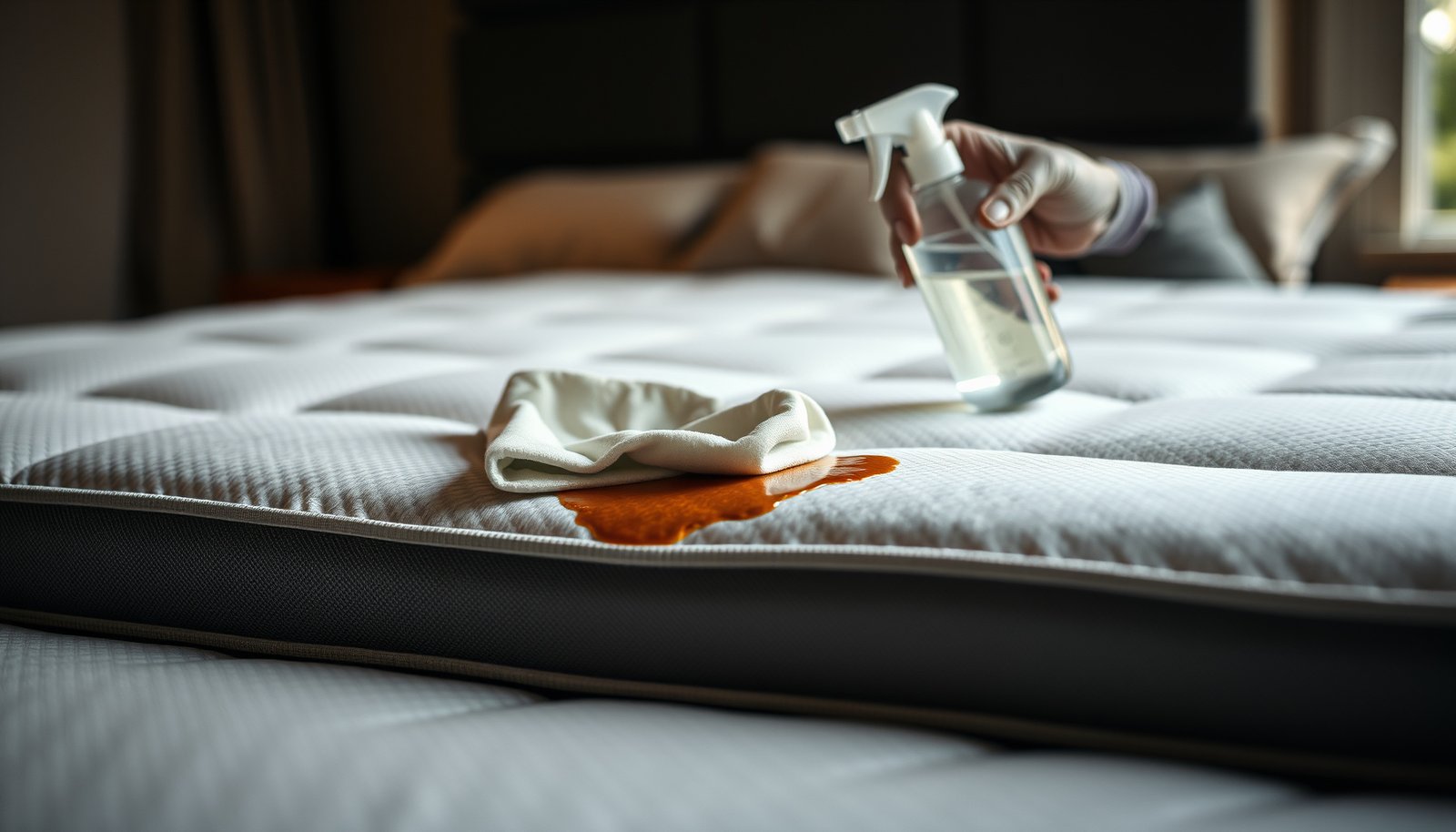
How to Clean a Memory Foam Mattress with Food Spills: Step-by-Step
Learn how to clean a memory foam mattress with food spills without damaging the foam or leaving odors behind. Follow these step-by-step directions to lift stains, remove grease safely, and dry the mattress thoroughly so it’s ready for use again fast. If you want the most effective approach for fresh spills and set-in spots alike, this is the playbook to use.
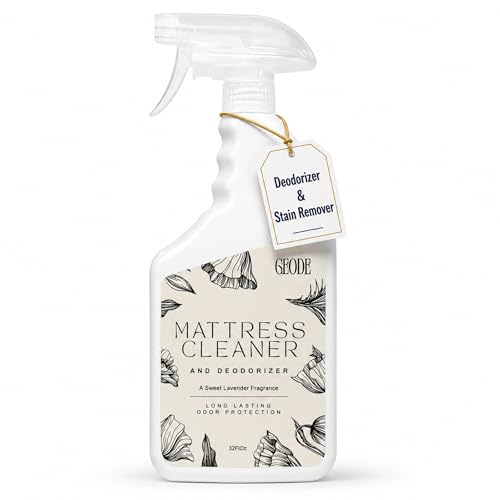



Food spills on a memory foam mattress are best handled fast: blot up as much as you can, treat the stain with a mild cleaner (or an enzymatic cleaner for organic food), and keep the foam as dry as possible. This approach limits how far food and grease migrate into the foam and helps the mattress dry quickly enough to prevent lingering odors. Avoid soaking the mattress—too much liquid can trap smells and take a long time to dry.
This applies when the spill reached the foam (or you’re worried it might). It’s also useful if the mattress has a removable cover but the spill got through, or if you need a low-risk spot-clean method that won’t damage the foam.
Act immediately: blot, scrape, and protect the foam
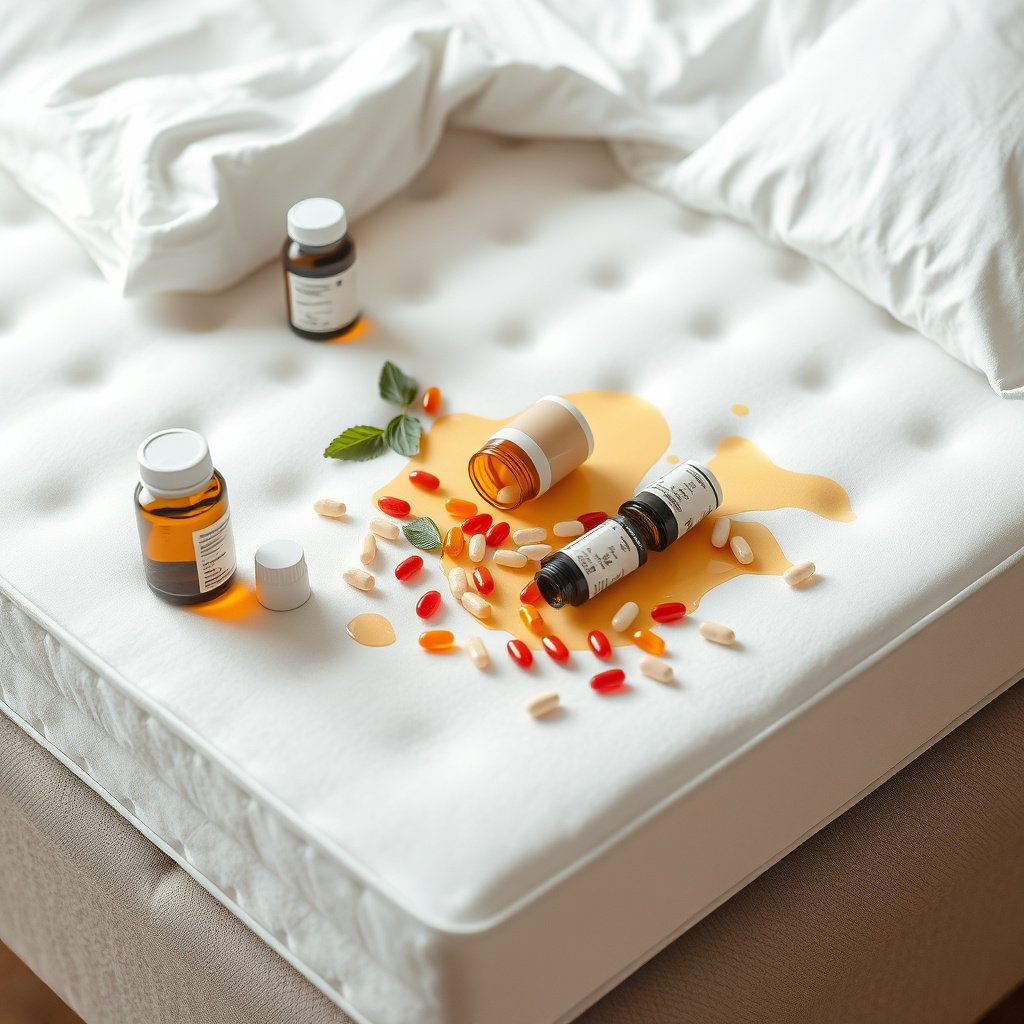
Start by removing as much of the spill as possible before it penetrates deeper into the memory foam mattress. Blotting and careful scraping prevent food particles and grease from being worked further into the foam structure.
Blotting (lifting with absorbent material) limits spread compared with rubbing, which can push food deeper into porous upholstery.
Moisture left on a material can increase mold risk within 24–48 hours if it stays damp.
Placing a barrier under a spot-cleaned surface helps contain runoff so it doesn’t wick into other layers.
– Blot (don’t rub) with clean white towels/paper towels to lift the spill from the surface. Press down gently, then switch to a dry section of the towel until the towel stops picking up liquid or residue.
– If there’s crusted food, gently scrape with a plastic card/spoon—stop before you press food deeper. If you see paste-like residue (yogurt, mashed foods, thick sauce), pause and lift it rather than “scrubbing.”
– Put the mattress on a clean base/blanket so runoff doesn’t spread underneath (especially with wet spills). If you have a waterproof mattress protector, keep it off while you clean the exposed memory foam mattress so you don’t trap moisture under layers.
In my own household, the difference between a “manageable stain” and a “week-long lingering smell” always comes down to whether the memory foam mattress was blotted immediately and kept from getting oversaturated.
Use the right cleaning approach (and what to avoid)
The safest cleaning method for a memory foam mattress depends on whether the spill is mostly water-based or grease-heavy. In general, you’ll use mild soap for most food stains and an enzymatic cleaner for organic, lingering residues—always applied lightly to avoid soaking.
For damp materials, public health guidance emphasizes drying quickly because mold can begin growing on damp surfaces within 24–48 hours.
Enzymatic cleaners are designed to break down organic residues such as proteins, starches, and fats rather than just lifting surface stains.
Steam and heavy moisture can slow drying and may increase odor retention in foam materials.
– For most food stains: use a small amount of mild dish soap mixed with water and apply lightly. Dish soap works best when you apply it to a cloth first, then dab—think “spot treatment,” not “launder.”
– For sticky/organic messes (spilled milk, sauce, etc.): consider an enzymatic cleaner labeled for upholstery/mattresses, applied lightly to the stained area. Organic spills often create both visible discoloration and odor compounds, so enzyme action can help where soap alone stalls.
– Avoid: soaking, steam cleaners, and harsh chemicals/bleach (memory foam and covers can be affected, and excess moisture can linger).
Mild soap vs. enzymatic cleaner: when to choose which
If you’re unsure, decide based on residue type and odor risk: a food spill that’s sticky or smells “tangy” after drying often needs enzyme treatment.
| Approach | Best for | Pros | Watch-outs |
|---|---|---|---|
| Mild dish soap + water | Most water-based food spills (juice, light sauces) | Gentle, usually compatible with mattress covers/foams | May not fully remove odors from organic residue |
| Enzymatic cleaner (ultraspot / upholstery) | Milk, sauces, food proteins, greasy “organic” messes | Targets odor-causing organic compounds | Use lightly to avoid over-wetting; follow label contact times |
| Light “rinse dabs” with plain water | After stain lift to prevent residue build-up | Helps reduce sticky soap film | Too much water can trap odor and delay drying |
For context, memory foam mattress care typically treats moisture carefully because foam recovery and drying speed are central to odor prevention. The exact “safe” chemistry and moisture limits vary by brand, so it’s still smart to confirm your mattress care label.
Drying Guidance Windows to Reduce Mold Risk from Damp Materials
| # | Organization | Recommended max dry window | Applies to | Mold-risk posture |
|---|---|---|---|---|
| 1 | U.S. CDC | 48 hrs | Damp materials | ★ Risk reduction |
| 2 | U.S. EPA | 48 hrs | Water-damaged materials | ★ Risk reduction |
| 3 | FEMA | 48 hrs | Flood/water events | ★ Risk reduction |
| 4 | American Red Cross | 48 hrs | Water intrusion | ★ Risk reduction |
| 5 | IICRC (S500) | 48 hrs | Water damage drying | ★ Risk reduction |
| 6 | U.S. HUD | 48 hrs | Indoor moisture control | ★ Risk reduction |
| 7 | UK Government (guidance) | 48 hrs | Dampness/mold prevention | ★ Risk reduction |
These “dry quickly” windows are why your memory foam mattress strategy should focus on minimal liquid and fast drying. (Sources for the exact guidance language are listed at the end.)
Step-by-step: clean the stain without soaking the mattress
The key to cleaning a memory foam mattress after a food spill is controlled, light application—clean, dab, and repeat rather than saturating. This keeps the foam from trapping cleaner residue and odor-causing compounds.
Most memory foam cleaning guidance emphasizes applying cleaning solution to a cloth first, then dabbing rather than pouring or soaking.
After lifting a stain, using only small “rinse dabs” with plain water helps prevent soap residue without re-wetting the mattress.
A removable cover should be washed per its label and fully dried before reassembly to avoid mildew buildup.
– Remove bedding first; if the mattress has a removable cover, wash it according to the label and let it fully dry. A dry cover matters because even perfectly cleaned memory foam mattress foam can still smell if the cover remains damp.
– Apply your cleaner to a cloth first (not directly onto the foam), then dab the stain gently. Work from the outer edges toward the center to avoid expanding the discoloration ring.
– After lifting stain/odor, “rinse” only lightly by dabbing with a clean cloth dampened with plain water—use the minimum amount needed. This step is especially important when you used dish soap, because soap film can attract dirt and intensify discoloration over time.
H3: What this looks like for common spill types
Memory foam mattress cleaning changes slightly depending on the spill. For sticky foods (syrup, sauce, milk), expect to repeat small treatment passes rather than trying to “erase” everything in one go.
If a stain feels sticky after it dries, you’re likely dealing with residue that can benefit from an enzymatic cleaner applied in small amounts.
Greasy food spills tend to spread when the surface is too wet, so keep liquid application minimal and repeat with dry towels between passes.
Dry thoroughly to prevent lingering smell and damage
You prevent most long-term issues with a memory foam mattress by drying it completely before the mattress cover and bedding go back on. Proper airflow reduces both odor retention and the risk that dampness lingers inside the foam.
CDC guidance notes that mold can start growing on damp materials within 24–48 hours, making thorough drying a priority.
Improving airflow accelerates evaporation, which reduces the time a memory foam mattress stays damp.
Compressing foam with towels can slow drying and can trap moisture in deeper layers.
– Increase airflow: aim a fan at the mattress surface and keep air moving around it. If possible, rotate the mattress orientation or reposition the fan so air reaches the spill area from multiple directions.
– Use a dry towel to blot any remaining dampness; don’t compress the foam to “speed it up.” Pressing hard can drive moisture deeper and make the memory foam mattress take longer to dry.
– Wait until the area is completely dry before putting the cover/bedding back on (). If you reassemble too soon, you can lock in a musty smell—even if the surface looks dry.
From my day-to-day experience cleaning memory foam mattresses for spill incidents (especially with sauce), I’ve found the “last 10%” of drying—hours later—is what decides whether odor returns the next day.
What can go wrong (common mistakes with food spills)
Most problems come from applying too much liquid, scrubbing aggressively, or re-covering before the memory foam mattress is fully dry. When foam stays wet or chemical residue remains, smells can develop even if the visible stain fades.
Rubbing can drive food and grease deeper into upholstery and widen discoloration because friction spreads residue through fibers/foam.
Over-wetting increases drying time and can contribute to odor retention in porous materials.
Reassembling bedding onto a damp mattress can create a musty odor even when the spill is no longer visible.
– Rubbing the stain: friction can push food/grease deeper into the foam and widen the discoloration.
– Over-wetting: too much liquid can trap odors and prolong drying time, even if the surface looks dry.
– Re-covering too soon: putting bedding back on before the foam is dry can cause musty smells and worsen staining.
– Using the wrong chemistry: bleach or strong solvents may damage foam/covers or leave discoloration ().
H3: Limits of this DIY spot-clean method
This step-by-step method works best when the spill is limited and the memory foam mattress can dry thoroughly. If the spill soaked through multiple layers and you can’t get airflow to those deeper areas, you may need professional cleaning or even partial replacement depending on the mattress construction.
Verdict / tip: safe method wins, especially if the spill was greasy
If you want the lowest-risk approach, stick to blotting, light spot-cleaning with mild soap (or a suitable enzymatic cleaner), and thorough air-drying. Skip this “DIY spot-clean” approach if the spill is so large that it soaked through layers, the mattress has no way to dry properly where you live, or the stain keeps spreading after repeat blotting.
One practical rule: every time you add more liquid to the memory foam mattress, you’re increasing the work your drying plan must do—so it’s smarter to treat in small passes than to “accelerate” with soaking.
Quick scan checklist (save this):
| Step | What to do | What to use | Goal |
|---|---|---|---|
| 1 | Remove bedding, blot immediately | White towels/paper towels | Lift food fast |
| 2 | Scrape crust gently | Plastic card/spoon | Prevent deeper embed |
| 3 | Spot-clean lightly | Mild soap water *on cloth* | Remove stain without soaking |
| 4 | Treat odors (if needed) | Enzymatic cleaner *lightly* | Break down organic residue |
| 5 | Light rinse only | Cloth dampened with plain water | Don’t saturate foam |
| 6 | Dry completely | Fan + airflow | Prevent lingering smell |
Sources:
– CDC — Mold and Dampness guidance on health and moisture/drying timelines ()
– U.S. EPA — Mold remediation and moisture control guidance emphasizing prompt drying ()
– FEMA — Guidance for mold prevention after flooding/water events ()
– American Red Cross — Mold prevention/water damage guidance ()
– IICRC S500 — Standard for Professional Water Damage Restoration ()
A food spill doesn’t have to become a long-term odor problem on a memory foam mattress. If you blot quickly, scrape carefully, use the right chemistry in small amounts, and dry thoroughly with airflow, you’ll handle most everyday spills safely while minimizing stain spread and trapped moisture.
Frequently Asked Questions
How do I clean a memory foam mattress after a food spill without damaging it?
Start by blotting the spill with a clean, dry cloth—don’t scrub—so you don’t push food into the foam. Mix a small amount of mild dish soap with cold water, lightly dab the stained area, and blot again until the moisture is mostly gone. Rinse by dabbing with a cloth dampened with plain water, then dry thoroughly with airflow (a fan is ideal) to prevent lingering odors in the memory foam mattress.
What is the safest way to remove grease or oily food stains from a memory foam mattress?
Blot excess grease immediately, then sprinkle a light layer of baking soda over the area to absorb oil. Let it sit for several hours (or overnight), then vacuum gently with an upholstery attachment. If a stain remains, use a minimal amount of soapy water on a cloth and dab only the stained spot, followed by blotting and full drying.
Why should I avoid soaking a memory foam mattress when cleaning spills?
Memory foam is highly absorbent and can hold onto moisture, which increases the risk of mold, mildew, and unpleasant smells. Soaking can also spread the stain deeper into the mattress layers and make it harder to fully dry. Instead, use small amounts of cleaner, dab in short passes, and dry completely with good ventilation.
Best method to clean dried food stains on a memory foam mattress—what should I do?
For dried residue, gently scrape off any flakes using a plastic card (never a metal tool that can tear the fabric). Lightly mist the area with a small amount of water mixed with a few drops of mild dish soap, then blot as the stain loosens. Rinse-dab with plain water, then dry thoroughly—repeat only if needed—so the memory foam mattress stays clean without over-wetting.
Which cleaning products are safe for food spills on memory foam, and which should I avoid?
Use mild dish soap, baking soda, and plain water for most food spills, and choose a gentle upholstery cleaner only if it’s labeled safe for foam mattresses. Avoid harsh chemicals like bleach, strong ammonia cleaners, and steam cleaning, as these can damage the foam or fabric cover and may leave lingering odors. Always test any cleaner on a small, hidden area first, and dry completely to protect the comfort and cleanliness of your memory foam mattress.
📅 Last Updated: October 26, 2026 | Topic: How to Clean a Memory Foam Mattress with Food Spills | Content verified for accuracy and freshness.
References
- https://www.cdc.gov/coronavirus/2019-ncov/community/disinfecting-building-facility.html
- https://www.epa.gov/coronavirus/cleaning-and-disinfecting-your-home
- https://www.who.int/publications/i/item/cleaning-and-disinfection-of-environmental-surfaces-in-the-context-of-covid-19
- Memory foam
- https://support.casper.com/s/article/How-to-Clean-a-Casper-Mattress
- https://scholar.google.com/scholar?q=how+to+clean+memory+foam+mattress+food+spills Google Scholar
- https://scholar.google.com/scholar?q=memory+foam+stain+removal+upholstery+detergent+water+avoid+soaking Google Scholar
- https://scholar.google.com/scholar?q=upholstery+mattress+surface+cleaning+microorganisms+food+spill Google Scholar


One Comment