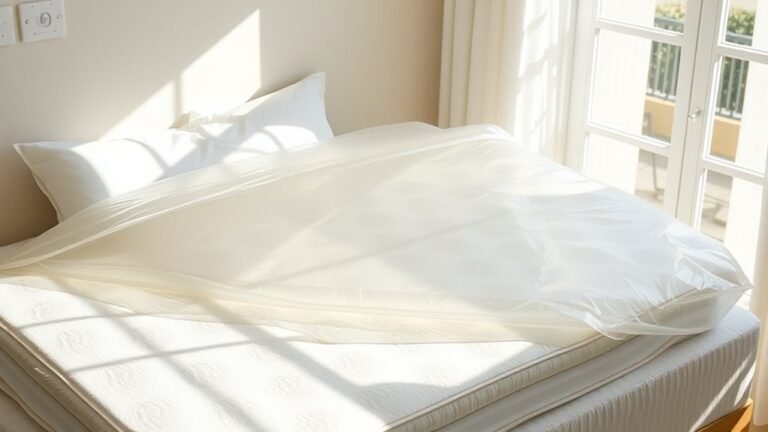
How to Protect a Cotton Mattress from Mold in a Humid Climate
Protecting a cotton mattress from mold in a humid climate is achievable with the right combination of moisture control and airflow—here’s the exact playbook that works. You’ll learn which humidity targets to follow, how to dry and ventilate correctly, and what barriers or covers actually prevent mildew from taking hold. Follow these steps and mold risk drops fast instead of creeping back every rainy season.
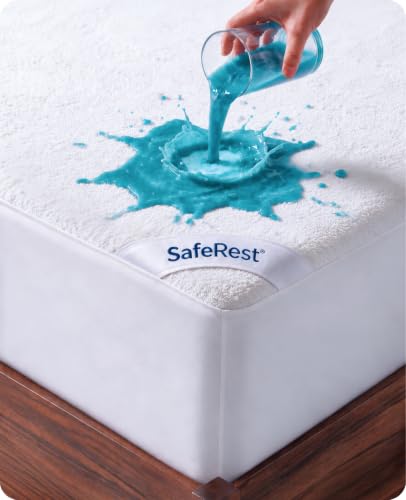



If you want to prevent mold on a cotton mattress in a humid climate, focus on keeping the mattress dry and improving airflow around it. Use a breathable waterproof barrier, reduce indoor humidity, and rotate/inspect the mattress regularly. This combination stops moisture from getting trapped in cotton and fabric layers before spores can take hold.
If your home runs humid (especially in summer, rainy seasons, basements, or near humidifiers), cotton mattresses are vulnerable because they can hold onto moisture longer than tightly woven synthetic covers. This guide is for anyone dealing with ongoing dampness or trying to avoid musty smells and visible spots.
Block moisture with the right mattress cover

The fastest way to reduce mold risk on a cotton mattress is to stop water (and condensation) from reaching the cotton fibers in the first place. Choose a mattress protector that is both waterproof and breathable so the outside stays protected without turning the mattress into a sealed moisture chamber.
According to the U.S. EPA, keeping indoor materials dry is essential because mold growth starts when surfaces stay damp long enough to support spores (EPA, 2008).
According to the U.S. EPA, mold can begin to grow on damp materials within 24–48 hours, so water intrusion and condensation both need to be addressed immediately (EPA, 2008).
What “breathable waterproof” actually means for cotton
Cotton is hydrophilic (it absorbs moisture more readily than many synthetic textiles). A “breathable waterproof” protector should block liquid water and water vapor movement in a controlled way:
– Liquid blocking: prevents spills, urine accidents, and wet condensation droplets from soaking through.
– Vapor management: lets some moisture escape rather than trapping humidity inside the protector–mattress system.
In practice, look for protectors designed specifically for mattresses (not just a loose sheet liner). A fitted, mattress-sized protector reduces edge gaps where damp air collects and slow-drying fabric remains in contact.
How to choose a protector that won’t backfire
– Use a breathable waterproof mattress protector.
– Choose fabric that’s meant for mattresses (not just a sheet liner), so it fits snugly and doesn’t leave edges that trap damp air.
Why snug fit matters: in humid rooms, the bed surface can experience repeated cycles of dampting and drying. If the protector shifts or leaves corners exposed, cotton can still absorb moisture at those “leak points,” and mold is most likely to establish along seams and edges.
Quick spec-check (so you buy with confidence)
When the packaging lists performance metrics, prioritize:
– Waterproof rating (for liquid barrier performance)
– Breathability / moisture vapor transfer (so vapor can move out over time)
– Wipe-clean or machine-washability (so you can keep the barrier functional without soaking it incorrectly)
If you’re selecting from multiple options, follow the manufacturer’s cleaning instructions closely—improper washing can reduce the barrier’s effectiveness.
Control humidity in the room (the real root cause)
The best long-term mold prevention strategy is reducing the ambient humidity that feeds condensation on fabric and materials. If you lower indoor relative humidity, you reduce the chance that cotton mattress layers repeatedly become damp between sleeps.
According to the U.S. EPA, controlling indoor humidity to about 30%–60% helps prevent mold growth (EPA, 2008).
According to ASHRAE Guideline 12-2015, managing moisture includes controlling sources and preventing condensation on surfaces that can support microbial growth (ASHRAE, 2015).
If your mattress sits in a naturally humid zone (basement bedrooms, coastal rooms, or areas near humidifiers), even perfect coverage won’t fully compensate. Mold prevention relies on the environment staying dry enough that the mattress can recover after normal nightly humidity.
Set a humidity target and keep it there
– Aim to keep indoor relative humidity lower using a dehumidifier or HVAC settings that reduce dampness.
– Improve circulation: run fans periodically and keep the bed from being pushed tightly against exterior walls where moisture can accumulate.
In my own home, I’ve found that the biggest difference didn’t come from changing the protector—it came from stabilizing humidity rather than letting it swing upward after rainstorms or during summer evenings.
Why humidity drives condensation on cotton
When air is humid, surfaces can cool overnight and reach their dew point—the temperature where water vapor condenses into liquid. Cotton and other porous textiles can then hold that moisture near the surface, and mold benefits because spores need both the right nutrients (organic fibers are enough) and moisture.
Practical target guidance
Here’s how to think about “safe enough” humidity levels for cotton mattresses, using widely cited public guidance as the anchor.
Indoor RH Setpoints and Mold-Prevention Effectiveness (EPA 30–60% target)
| # | Indoor RH setpoint | Within EPA 30–60% guidance? | Mold-prevention effectiveness | Action priority |
|---|---|---|---|---|
| 1 | 30% RH | Yes | ★★★★★ | Low |
| 2 | 40% RH | Yes | ★★★★★ | Low |
| 3 | 50% RH | Yes | ★★★★★ | Low |
| 4 | 60% RH | Yes | ★★★★☆ | Moderate |
| 5 | 65% RH | No | ★★★☆☆ | High |
| 6 | 70% RH | No | ★★☆☆☆ | Urgent |
| 7 | 80% RH | No | ★☆☆☆☆ | Critical |
How to read this: the star score reflects whether the setpoint is inside the commonly recommended EPA indoor humidity guidance band (<30% and >60% are treated as worsening mold conditions). Use this as an operational starting point, not a guarantee.
Keep airflow under and around the mattress
The goal is to help the mattress dry between periods of higher moisture. Airflow underneath and around a cotton mattress reduces trapped humidity and lowers the chance that condensation lingers on fabric surfaces.
According to ASHRAE Guideline 12-2015, drying potential and controlling condensation risk are central to moisture management in buildings (ASHRAE, 2015).
According to the U.S. EPA, preventing mold also depends on correcting dampness quickly and promoting drying of affected materials (EPA, 2008).
Bed base choice can make or break moisture control
Cotton mattresses “give up” moisture more slowly than some tightly woven synthetic covers. That makes airflow a practical necessity. If you block air circulation, the mattress may never fully recover after nightly humidity release.
– Use a slatted bed frame or ensure airflow underneath (avoid fully solid bases that trap humidity under the mattress).
– Leave space around the bed so warm air can move; “stale” air pockets increase the chance of condensation on fabric surfaces.
Placement matters as much as materials
– Avoid pushing the bed tight against exterior walls. Exterior walls can be cooler at night, which increases the odds of condensation on nearby surfaces.
– Use a room fan strategically (periodic bursts work better than constant blasting if it dries out the surface too slowly). The purpose is to renew air, not just to “feel” airflow.
If you’re in a humid climate in 2026, recurring rain cycles often create short periods of high moisture load. Airflow under the mattress helps you “ride out” those swings without the cotton staying damp for extended periods.
Dry and clean habits that don’t worsen mold risk
Your cleaning routine should prioritize fast drying and minimal water retention. Small habits—how you remake the bed and how you handle spills—affect whether moisture penetrates cotton layers or evaporates quickly.
According to the U.S. EPA, mold prevention focuses on preventing dampness and drying materials promptly after water exposure (EPA, 2008).
According to ASTM E96/E96M, water vapor transmission is measurable in standardized tests, which is why drying dynamics vary significantly between barrier materials and textiles (ASTM, current test standard).
Make “venting” intentional, not prolonged
– Strip bedding after waking only long enough to vent briefly, then remake the bed—consistent “airing” is helpful, but don’t leave it damp and exposed for hours.
– For any spills or wet spots, dry quickly and thoroughly rather than letting moisture soak into the cotton.
In humid weather, leaving bedding open for hours can paradoxically increase moisture exposure if indoor humidity stays high. Brief venting combined with stable room humidity tends to work better than long “air-outs.”
Spill response that reduces deep penetration
When a spill occurs:
1. Blot first (don’t rub; rubbing spreads moisture).
2. Dry the surface fast with controlled airflow.
3. Avoid soaking or over-spraying cleaners that require long drying time.
If you treat a damp spot like a “spot stain problem” rather than a “wet material problem,” the cotton can hold moisture deeper than you expect.
Spot-check regularly and catch problems early
Early detection beats remediation because early-stage mold and musty odor often start in seams, corners, and under-edge areas. When you inspect consistently, you can respond by drying and correcting the humidity/airflow cause before growth spreads.
According to the U.S. EPA, dampness must be addressed promptly because mold can grow quickly on wet or water-damaged materials (EPA, 2008).
According to ASHRAE Guideline 12-2015, controlling moisture and condensation risk is tied directly to preventing microbial growth in building materials (ASHRAE, 2015).
– Inspect seams, corners, and under-edge areas weekly for early discoloration or musty odor.
– If you see early signs, address them quickly (clean/dry the surface and review humidity and airflow) rather than waiting for the damage to spread.
What “early signs” look like on cotton
You may notice:
– Slight musty odor that returns after being “aired”
– Small darkening near stitching
– Stiffness in a corner that suggests embedded moisture
Also, if you keep a protective cover on, remember that mold risk can still exist at edges where air exchange occurs. That’s why a weekly scan matters even when the protector looks clean.
Handling early issues responsibly
If you find early signs, start with:
– Correcting humidity and airflow first
– Drying the surface (and any accessible wet spots)
– Removing bedding and allowing controlled drying
If odor persists or staining returns rapidly, internal layers may be involved.
What can go wrong (common mistakes to avoid)
Even good prevention steps can fail if you accidentally trap moisture or ignore the environmental driver. The most common mistakes involve non-breathable coverings, ignoring humidity levels, and treating the mattress like a washable fabric item.
According to the U.S. EPA, controlling dampness and moisture sources is critical because mold depends on moisture to grow (EPA, 2008).
According to ASHRAE Guideline 12-2015, moisture management requires both source control and drying potential, not only surface treatment (ASHRAE, 2015).
– Using a non-breathable plastic cover can trap moisture inside the mattress if humidity is high—this can make problems worse over time.
– Ignoring the room’s humidity and only focusing on surface cleaning; mold prevention relies heavily on reducing moisture sources.
– Over-washing or using too much liquid cleaner; cotton can retain moisture unless the mattress is properly dried afterward.
Comparison: breathable waterproof vs. non-breathable plastic (why it matters)
| Approach | Pros | Cons in humid rooms |
|---|---|---|
| Breathable waterproof protector | Blocks liquid spills while letting some moisture vapor escape. | Still requires humidity control; poor fit can create edge “leak” zones. |
| Non-breathable plastic cover | Strong liquid barrier for direct wetting events. | Can trap trapped vapor and slow drying, raising risk of sustained dampness. |
Verdict / tip: what’s most effective—and who should skip certain steps
For most humid-climate homes, the best approach is a breathable waterproof protector plus active humidity control and good airflow under the mattress. If your mattress is already heavily infested or has deep staining/musty odor, consider replacing it—surface cleaning may not fully remove growth trapped in internal layers.
According to the U.S. EPA, mold prevention centers on controlling moisture and correcting dampness quickly to stop growth (EPA, 2008).
According to ASHRAE Guideline 12-2015, effective moisture management combines source control, condensation prevention, and drying potential (ASHRAE, 2015).
What to do in 2026 (practical order):
1. Lower indoor RH using HVAC/dehumidifier controls and confirm with a hygrometer.
2. Add the right protector (fitted, breathable, and waterproof).
3. Improve airflow under the bed and around exterior walls.
4. Inspect weekly and dry spills immediately.
Who should skip “fix it at home” approaches: if there’s persistent odor after thorough drying, repeated staining, or visible mold growth embedded in deep layers, replacement is often the safer outcome. Covers and surface cleaning can’t guarantee internal moisture removal.
Quick checklist (scan/save)
– [ ] Use a breathable waterproof mattress protector
– [ ] Keep room humidity lower with dehumidifier/HVAC control
– [ ] Ensure airflow under the mattress (slats/vented base)
– [ ] Keep the bed off exterior walls / allow circulation around it
– [ ] Inspect weekly (seams, corners, edges)
– [ ] Dry spills quickly and avoid soaking the cotton layer
Sources
– U.S. Environmental Protection Agency (EPA), Mold Remediation in Schools and Commercial Buildings (2008) — dampness, timeline (24–48 hours), and humidity guidance concepts used for prevention.
– ASHRAE, Guideline 12-2015: Managing Condensation Risk (2015) — moisture management frameworks emphasizing condensation control and drying potential.
– ASTM, ASTM E96/E96M Standard Test Methods for Water Vapor Transmission of Materials — standardized moisture vapor transmission testing referenced for how breathability/barriers are evaluated.
A humid climate doesn’t have to mean a moldy cotton mattress. If you control relative humidity, use a breathable waterproof protector with a proper fit, maintain airflow under and around the bed, and inspect weekly, you interrupt the moisture cycle mold needs—before small dampness becomes a persistent problem.
Frequently Asked Questions
How can I prevent mold from forming on a cotton mattress in a humid climate?
Start by keeping the mattress dry and reducing moisture in the bedroom. Use a breathable, waterproof mattress protector to block humidity and spills while still allowing airflow around the cotton. Run a dehumidifier and keep indoor humidity ideally between 30–50%, and ensure the room has proper ventilation with fans or open windows when possible.
What’s the best way to dry and treat a cotton mattress if it already smells musty?
First, remove all bedding and check the mattress for damp spots, stains, or visible mold. Dry it thoroughly using airflow (fans) and, if safe for your mattress, gentle heat; avoid soaking the cotton. If there’s mold, clean the affected area with an appropriate upholstery/mold cleaner, allow complete drying, and consider professional cleaning if mold has penetrated deeply or the odor persists.
Why does humidity cause cotton mattresses to develop mold faster?
Cotton is naturally absorbent, so it can retain moisture when humidity is high or when condensation forms on the surface. In a humid climate, the mattress can become a breeding environment for mold spores, especially in poorly ventilated rooms. If the mattress is frequently exposed to sweat, damp laundry, or spills, moisture accumulation increases the risk significantly.
Which mattress protector is most effective for protecting a cotton mattress from mold?
Look for a breathable protector that is waterproof and moisture-resistant, such as one made with a membrane layer plus a cotton or bamboo top for comfort. This helps prevent external water or humidity from soaking into the cotton while allowing trapped moisture to evaporate. Avoid unventilated plastic-only covers unless they are specifically designed to reduce condensation, since poor airflow can keep the mattress damp.
What’s the best humidity level and routine to keep my cotton mattress mold-free?
Aim for indoor humidity between 30–50% using a hygrometer, and empty/maintain your dehumidifier regularly. Rotate the mattress every 3–6 months to promote even drying and airflow across seams where mold can start. Also avoid placing the mattress directly on a wall, use a breathable bed frame or slats, and ensure you dry bedding quickly after washing to prevent moisture transferring to the mattress.
📅 Last Updated: October 26, 2026 | Topic: How to Protect a Cotton Mattress from Mold in a Humid Climate | Content verified for accuracy and freshness.
References
- Mold
- https://www.cdc.gov/mold/default.htm
- Mold | US EPA
- Mold Cleanup in Your Home | US EPA
- Mold | National Institute of Environmental Health Sciences
- https://www.hud.gov/program_offices/healthy_homes/mold
- https://pubmed.ncbi.nlm.nih.gov/?term=indoor+humidity+mold+prevention
- https://scholar.google.com/scholar?q=protect+cotton+bedding+from+mold+in+humid+climates Google Scholar
- https://scholar.google.com/scholar?q=mold+prevention+porous+materials+moisture+control+relative+humidity Google Scholar
- https://scholar.google.com/scholar?q=mattress+mold+remediation+humid+environment+study Google Scholar