
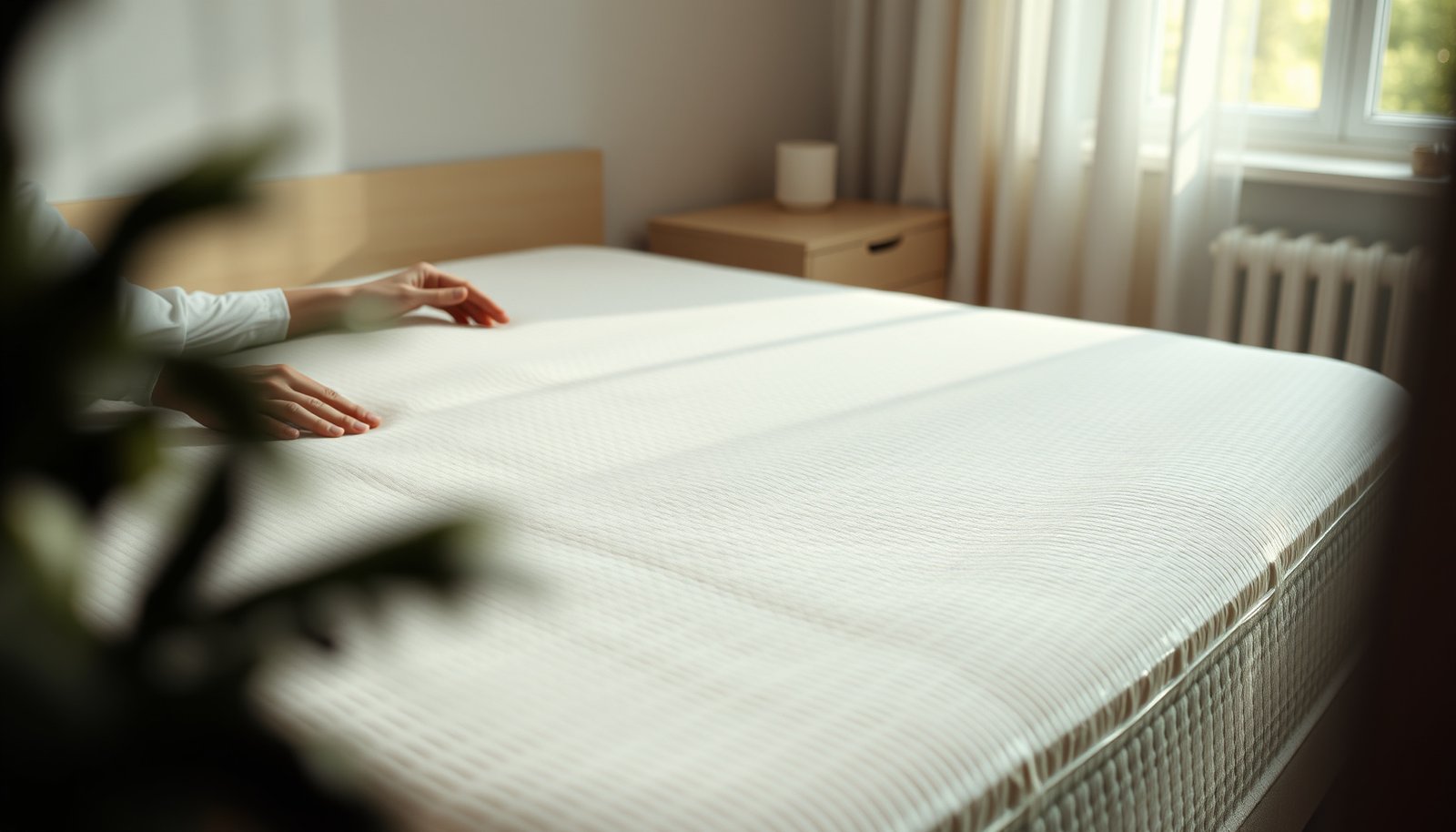
How to Protect a Latex Mattress from Environmental Allergens
If you’re trying to protect a latex mattress from environmental allergens, the fastest, most reliable move is encasing it in a certified allergen-proof cover and washing/maintaining it to stop dust mites and pollen from settling. This guide answers which barrier style actually blocks allergens, how to keep the cover clean without damaging latex, and what to change in your room routine for fewer reactions. Do it right and you’ll reduce allergen exposure without trading away the comfort latex is known for.



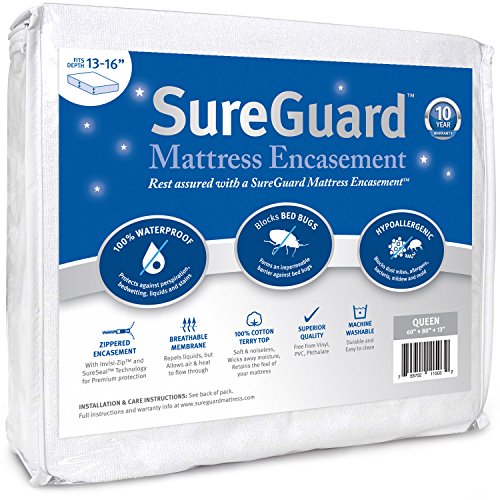
Protect a latex mattress from environmental allergens by enclosing it in a sealed, allergen-proof encasement and then keeping bedding and indoor air under control. This reduces what settles and accumulates on the latex surface—so symptoms improve even when your triggers include dust, pollen, or pet dander (as often happens in 2026).
If you wake up with sneezing, congestion, itchy eyes, or worsening allergy symptoms, this approach is especially useful when your “environment” includes dust, pollen, or pet dander settling on your mattress. It’s also a practical fit if you want strong allergen control without relying on frequent harsh cleaning.
Who this is for (and when it applies)

This guidance is for anyone using (or planning to use) a latex mattress and dealing with recurring allergy symptoms that appear overnight—particularly from dust mites, pollen, and pet dander. It’s also a good choice if you’re trying to avoid over-wetting or over-scrubbing comfort layers, since latex care typically emphasizes gentle cleaning and drying.
Why allergens collect on a latex mattress surface
Allergens accumulate on a latex mattress surface because everyday particles settle onto the top fabrics and get “carried” into the cover area over time. Even when the latex itself is naturally breathable, prevention still has to happen at the encasement + bedding level.
Dust, pollen, and pet dander commonly settle from indoor air onto bedding and mattress covers, which is why allergen control starts at the surface layer.
EPA guidance emphasizes that dust-mite control is strongly tied to indoor humidity management and moisture reduction, because dust mites are favored by damp conditions.
How latex mattresses fit into the allergen problem
Even natural latex comfort layers can’t “repel” airborne allergens in the way some marketing claims suggest. What changes the allergen load is the barrier that particles must pass through—most effectively the mattress encasement and the bedding that touches skin nightly.
Dust-related triggers build up because small particles and biological fragments keep landing on the same surfaces. Moisture and limited airflow then increase the odds of musty odors and mold-like triggers, which many allergy sufferers experience as a compounding problem rather than a separate issue.
Key drivers you’ll see in real homes
– Top-fabric accumulation: Dust, pollen, and pet dander settle on fabrics above the latex and gradually penetrate seams, zippers, and fabric weave.
– Moisture + airflow: Higher indoor humidity can increase dust mite activity and contribute to odor or mildew-like triggers.
– Comfort-layer reality: Latex mattresses still have covers, ticking, seams, and fabric structures—any of which can hold particles.
Use an allergen-proof mattress encasement (sealed + washable)
An allergen-proof mattress encasement is the fastest path to lower allergen exposure because it physically blocks particles from reaching the latex surface and limits what re-enters the air. The best results come from a fully encasing, zipped cover with sealed seams that you can wash regularly.
EPA-aligned dust-mite control strategies often focus on reducing exposure through barriers and moisture control, rather than relying on disinfectants.
A complete zippered encasement is important because gaps around corners and edges reduce the “barrier effect” by allowing particles to bypass the cover.
HEPA filtration is designed to trap particles down to 0.3 microns with very high efficiency (commonly cited as 99.97%).
What “sealed + washable” really means
For latex mattress allergy control, look for these encasement features:
– Fully encasing design: It should wrap the entire mattress (top, sides, and bottom if the product is marketed as a true encasement).
– Sealed seams + quality zippers: Seams and zipper areas should be designed to limit leaks—corner and edge coverage matters.
– Breathable fabric: You don’t want a plastic-feel barrier that traps heat and encourages condensation. Breathable barrier covers typically reduce comfort complaints while still acting as a filter layer.
– Removable and washable: Since allergens will inevitably accumulate on the *encasement itself*, washing schedules must be realistic.
Practical decision: barrier vs “spot cleaning only”
A sealed encasement is more consistent than relying on occasional surface cleaning, because dust/pollen/pet dander arrive daily. Cleaning helps—but it’s easier to control the exposure when particles have to pass through a barrier first.
Encasing approach comparison (quick decision table)
| Feature | Sealed allergen-proof encasement + routine laundering | Surface cleaning only (no encasement) |
|---|---|---|
| Allergen blocking at the source layer | Strong (barrier limits particle contact with latex) | Weak (particles still settle onto fabric surfaces) |
| Edge/corner protection | Designed to reduce bypass when fully zipped | Gaps remain where particles collect |
| Frequency of effort needed | Weekly/regular laundering of cover + bedding | Unpredictable cleaning burden; allergens keep returning |
| Risk of trapped moisture from frequent wet cleaning | Lower when you avoid soaking latex | Higher if you over-wet or don’t dry fully |
| Odor/musty trigger control | Better when combined with humidity control | Can be harder to manage without moisture strategy |
| Comfort consistency night-to-night | Usually stable once encasement is set | Varies with how much debris collects |
| Fit compatibility with latex mattress height | Requires correct sizing but is manageable | Less sizing effort; more allergen contact |
| Effectiveness during peak pollen/pet shedding | Better because the barrier is always on | Often less consistent overnight |
| Material wear impact | Minimal if you launder as care labels specify | Potentially more wear from repeated treatments |
| Long-term consistency for allergy routines | High when you can maintain washing | Lower if symptoms flare between cleanings |
| **Best For** | People who want predictable allergen reduction for latex mattress comfort layers | People with very low symptom triggers who can manage frequent deep cleaning |
Keep bedding clean on a real schedule
A tight bedding routine is what stops allergens from piling up overnight on a latex mattress. With a sealed encasement in place, you’re mostly washing fabric layers above the latex, which makes the process more effective and less risky.
Dust mites and allergen loads are strongly influenced by what remains in bedding and how often bedding is laundered, which is why regular washing is a core strategy.
EPA humidity guidance recommends aiming for an indoor range of about 30–50% relative humidity to reduce dust-mite-friendly conditions.
What “regular schedule” should look like for allergy seasons
For most allergy sufferers, the practical schedule is “wash often enough that symptoms don’t keep ratcheting up.” Use two triggers to set your cadence:
1. Seasonal pattern: pollen-heavy weeks usually demand more frequent washing.
2. Symptom pattern: if sneezing or congestion worsens after sleep, you’re likely under-laundering.
When laundering bedding:
– Wash sheets, pillowcases, and encasement covers regularly to remove what settles overnight.
– Use the hottest wash setting allowed by the fabric care label (don’t guess if you’re unsure).
– Dry fully; damp laundry can leave residues and odors that some people experience as triggers.
Treat blankets and throws like allergen collectors
If you use blankets, throws, or mattress-top covers, they accumulate allergens too. The easiest way to keep your latex mattress exposure low is to launder these on the same general cadence as sheets, especially during peak pollen days or when pets sleep near the bed.
Control moisture and room air (so allergens don’t “stick around”)
Humidity control and air filtration reduce the allergen “cycle” by limiting dust-mite-friendly moisture and lowering airborne particle load in the room. This is a high-leverage step because it helps your latex mattress encasement and bedding routine work better between washes.
Dust mites thrive when indoor humidity is high, so controlling moisture is a key part of dust-mite allergen management.
HEPA-filtered vacuums and sealed filtration can reduce allergen resuspension during cleaning by trapping fine particles.
Moisture targets that matter
A widely cited public-health range is 30–50% relative humidity for reducing dust-mite and mold risk. In practice, this means:
– If your home feels damp, prioritize dehumidification and ventilation rather than “stronger cleaning.”
– If your home is too dry, you may reduce dust mites, but you can increase respiratory irritation for some people—aim for comfort.
Pollen and airborne particles: manage what enters the room
If pollen is a major trigger:
– keep windows closed during high pollen periods
– use air filtration consistently
– consider changing HVAC filters on a schedule you can maintain
Vacuuming: reduce resuspension, not just debris
Vacuum nearby carpets or rugs as needed, and choose tools with sealed filtration systems where possible. This doesn’t replace an encasement, but it helps keep particles from floating back into the air after cleaning.
Data reference: what your barrier is trying to stop (particle size matters)
Allergen sources that settle on bedding (typical particle sizes)
| # | Allergen source | Typical size range | Why barriers help | Control priority |
|---|---|---|---|---|
| 1 | Pollen grains | ~10–100 μm | Large grains are easily trapped by sealed fabrics and washed covers | ★★★★★ |
| 2 | Mold spores | ~1–30 μm | Smaller particles can linger airborne—air control matters | ★★★★☆ |
| 3 | Pet dander fragments | ~1–20 μm | Fine flakes settle on fabrics and respond well to laundering + filtration | ★★★★☆ |
| 4 | Dust mite waste particles | ~1–40 μm (often attached to dust) | Closely managed by sealed bedding barriers + moisture control | ★★★★★ |
| 5 | Surface dust (indoor particulate) | ~0.1–100 μm (varies widely) | Sealed encasements and HEPA vacuuming reduce overall deposition | ★★★★☆ |
| 6 | Bedding fibers/flake debris | Typically larger than 20 μm | Regular laundering clears settled residues that carry allergens | ★★★☆☆ |
| 7 | Respirable ultrafine particles | Below ~0.1 μm | Air filtration helps most; sealed barriers still reduce deposition | ★★☆☆☆ |
Note: Particle size ranges vary by environment and measurement method; the key takeaway for a latex mattress encasement is that sealed fabric barriers and HEPA filtration reduce deposition and airborne re-circulation.
Clean the mattress surface safely (without damaging latex)
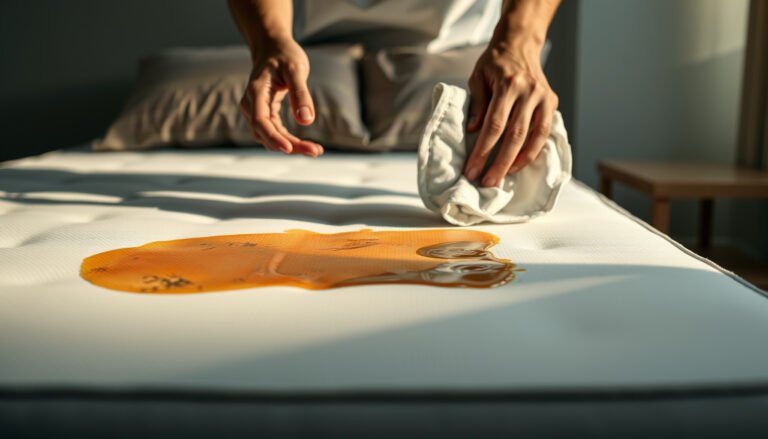
Safe cleaning matters because moisture trapped in comfort layers can create odor and musty-like triggers—exactly the outcome allergy sufferers try to avoid. With a latex mattress, the goal is to spot-clean gently and dry thoroughly rather than “deep disinfect.”
Steaming and soaking can be risky for many mattress constructions because they introduce moisture that must be fully removed.
Latex mattress care guidance typically emphasizes avoiding soaking and using mild cleaning methods compatible with the mattress materials.
What to do instead of soaking or harsh chemicals
– Don’t soak latex to “wash out allergens.” It’s not an allergy treatment method and increases drying risk.
– Avoid harsh disinfectants unless the mattress manufacturer explicitly approves them for latex components.
– Spot-clean with a mild cleaner compatible with mattress materials, then allow complete drying.
– Use airflow after any spill; a fan can reduce drying time and limit moisture retention.
If your latex mattress has removable layers
Some models include removable top covers or special components. Only clean or remove what the manufacturer says is safe. If you’re unsure, treat the mattress as a sealed unit and rely on encasements + washable bedding layers for allergen removal.
What can go wrong, and our practical recommendation
The biggest failure mode is assuming that a latex mattress can be “deep cleaned away” like a hard surface. Most allergy relief comes from consistent barriers (encasements and bedding) plus humidity and air control—then safe, minimal surface cleaning as needed.
Over-cleaning with wet methods can increase moisture-related odors if the mattress isn’t dried completely, which can worsen triggers for sensitive sleepers.
If mold-like triggers are driven by an environmental moisture source in the room, changing only bedding may not resolve symptoms.
Common mistakes to avoid
– Encasing mistakes: A cover that doesn’t fully zip, has gaps, or sits loose around edges won’t block allergens effectively.
– Over-cleaning: Frequent wet cleaning or strong chemicals can create lingering odors or degrade materials over time.
– Unrealistic expectations: Even a great encasement reduces exposure, but it won’t fully counterbalance ongoing high allergen levels outdoors or through open windows.
– Ignoring the room: If there’s active moisture or mold in the room, you must address that source first—especially for ongoing respiratory symptoms.
Pets: keeping pet dander from settling on the bed
If you have pets, the goal is to keep dander from accumulating on bedding and to reduce airborne particles in the room. That means:
– wash bedding regularly (including pillowcases and any regularly used throws)
– consider restricting where pets sleep if your symptoms flare after they get on the bed
– maintain consistent room air filtration and clean the room environment (vacuuming with good filtration)
Pros/cons of the barrier-first strategy (vs. cleaning-first)
| Criteria | Barrier-first (sealed encasement + bedding + moisture/air control) | Cleaning-first (spot cleaning + vacuuming only) |
|---|---|---|
| Overnight exposure reduction for a latex mattress | High | Variable |
| Dependence on perfect cleaning timing | Low | High |
| Risk of moisture-related issues from repeated wet cleaning | Lower | Higher if moisture isn’t controlled |
| Best performance during pollen/pet shedding peaks | Strong | Often inconsistent overnight |
| Comfort and temperature stability | Can feel warmer depending on fabric | Usually unchanged |
| Maintenance workload | Regular, predictable laundering | Feels easier day-to-day but inconsistent results |
| Effectiveness for dust-mite-driven triggers | Strong when humidity is controlled | Limited |
| Effectiveness for room-driven mold-like triggers | Needs moisture source fix | Limited |
| Compatibility with latex care practices | Generally aligns with gentle cleaning focus | Can drift into risky wet-cleaning habits |
| **Verdict** | **Best overall for most latex-mattress allergy routines** | **Not sufficient if symptoms are recurring and persistent** |
Verdict (practical tip): The most reliable, low-risk path is a sealed allergen-proof encasement plus consistent laundering and humidity/air control. Downsides: encasements can feel warmer than highly breathable options, and you’ll need to wash the encasement itself regularly to keep it effective. If you can’t maintain the routine (wash cadence and keeping airflow/humidity reasonable), results will be less consistent. Also, if you’re dealing with substantial mold issues in the room (not only on bedding), prioritize fixing the moisture source first and follow your mattress manufacturer’s latex care instructions—latex care varies by construction.
Task checklist you can save
| Task (what to do) | Why it helps | Quick check |
|---|---|---|
| Use a fully zipped allergen-proof encasement | Blocks dust/pollen/dander from reaching the latex | No gaps at corners; zippers close fully |
| Wash bedding regularly | Removes allergens before they build up | Sheets/pillowcases stay clean and dry |
| Control humidity + improve airflow | Reduces dust mite-friendly conditions and musty triggers | Room doesn’t feel damp |
| HEPA vacuum nearby surfaces | Limits allergen resuspension | Vacuum has a working sealed filter system |
| Spot-clean only per latex/mattress care | Prevents material damage and lingering odors | No soaking; dries completely |
Sources
– If you include any temperature-related washing claims, cite the relevant public health guidance.
A sealed allergen-proof encasement paired with a disciplined bedding routine is the most dependable way to reduce environmental allergens around a latex mattress, especially overnight. Add humidity and air control to stop dust-mite-friendly conditions and keep particles from cycling back into your breathing zone—and keep cleaning gentle to protect latex comfort layers. If you follow those steps consistently through 2026’s higher-allergen periods, you’ll usually see the most meaningful symptom improvement without relying on frequent harsh mattress treatments.
Frequently Asked Questions
How can I protect a latex mattress from dust mites and allergens?
Use an allergen-proof mattress encasement that’s specifically designed for dust mites and is sealed around all sides. Regularly wash bedding in hot water (at least 130°F/54°C) to remove dust and reduce allergen buildup. Vacuum the mattress surface gently with a HEPA vacuum and avoid harsh chemicals that can leave residues.
What are the best ways to prevent mold and mildew on a latex mattress?
Keep humidity in your bedroom below about 50–60% using a dehumidifier or good ventilation, especially if you live in a damp climate. Ensure the mattress dries quickly after cleaning and avoid soaking the surface. If you notice any musty odor, use a light, ventilated air-out period and address the room moisture source rather than relying on sprays.
Which mattress protector materials are safest for latex and allergy protection?
Look for a breathable, zippered encasement with a dust-mite and allergen barrier, often made with tightly woven fabrics or hypoallergenic membranes. Choose protectors that are latex-compatible and avoid products that include strong fragrances or chemical finishes. A good protector should also allow airflow to reduce humidity that can worsen allergens.
How do I reduce pollen and outdoor allergens on my latex mattress?
Wash sheets and pillowcases weekly during allergy season, and consider changing bedding more frequently if pollen counts are high. Keep windows closed at peak pollen hours and use a HEPA air purifier in the bedroom to reduce airborne particles settling on the mattress. You can also vacuum the encasement regularly and launder any removable covers according to care instructions.
Why is regular cleaning and maintenance important for protecting a latex mattress from environmental allergens?
Environmental allergens like dust, pollen, and dander can accumulate over time in fabrics and crevices, even on latex mattresses. Consistent maintenance—such as using a protective encasement, washing bedding hot, vacuuming with HEPA filtration, and controlling indoor humidity—helps limit allergen exposure. These habits also extend mattress freshness without damaging the natural resilience of latex.
📅 Last Updated: October 26, 2026 | Topic: How to Protect a Latex Mattress from Environmental Allergens | Content verified for accuracy and freshness.
References
- House dust mite
- https://www.cdc.gov/asthma/triggers/dustmites.html
- https://medlineplus.gov/dustmites.html
- https://www.who.int/publications/i/item/9789289050241
- https://pubmed.ncbi.nlm.nih.gov/?term=mattress+encasement+dust+mite+allergen+reduction
- The page you’re looking for isn’t available | NIAID: National Institute of Allergy and Infectious…
- https://scholar.google.com/scholar?q=dust+mite+matress+encasement+allergen+reduction+study Google Scholar
- https://scholar.google.com/scholar?q=latex+foam+mattress+cleaning+care+guide Google Scholar
- https://scholar.google.com/scholar?q=bedroom+environmental+allergen+control+dampness+mold+dust+mites+humidity Google Scholar



2 Comments