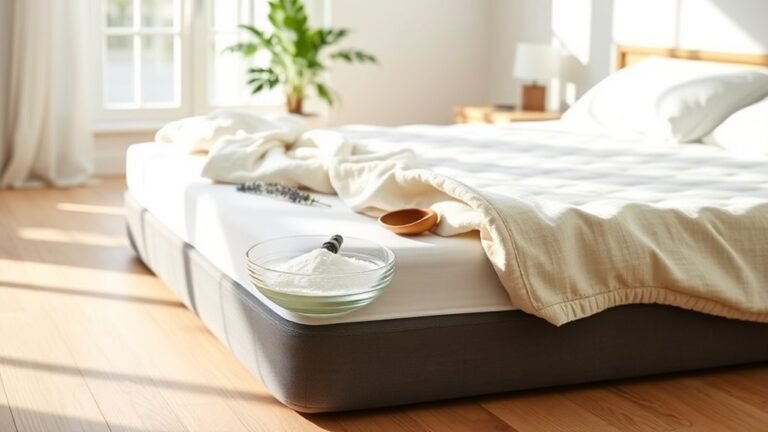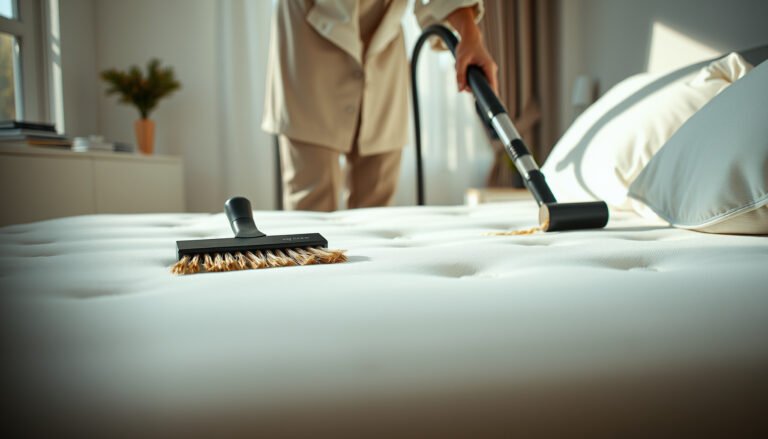
How to Protect a Wool Mattress from Spills in a Vacation Home
Protecting a wool mattress from spills in a vacation home is easiest when you use an impermeable mattress protector plus a simple spill-response routine. If your priority is preventing liquid stains and odors between guest stays, prioritize a fully encasing, waterproof barrier and keep blotting supplies on hand. The result is a wool mattress that stays clean, breathable, and ready for the next weekend without risky cleanup.




Use a breathable waterproof mattress encasement (all-sides, not a thin cover) to stop liquid from soaking into wool, then act fast with a blot-and-dry routine plus wool-safe cleaning. In a vacation home—where you may not notice a spill immediately—this combination prevents stains from setting and reduces lingering odors during the gap between guest stays.
If you host guests regularly, use the home yourself only between stays, or you’re trying to keep a wool mattress looking good without constant deep-cleaning, this is for you. The steps below focus on practical protection and damage control rather than “perfect cleaning” after the fact.
Choose a breathable waterproof barrier for wool
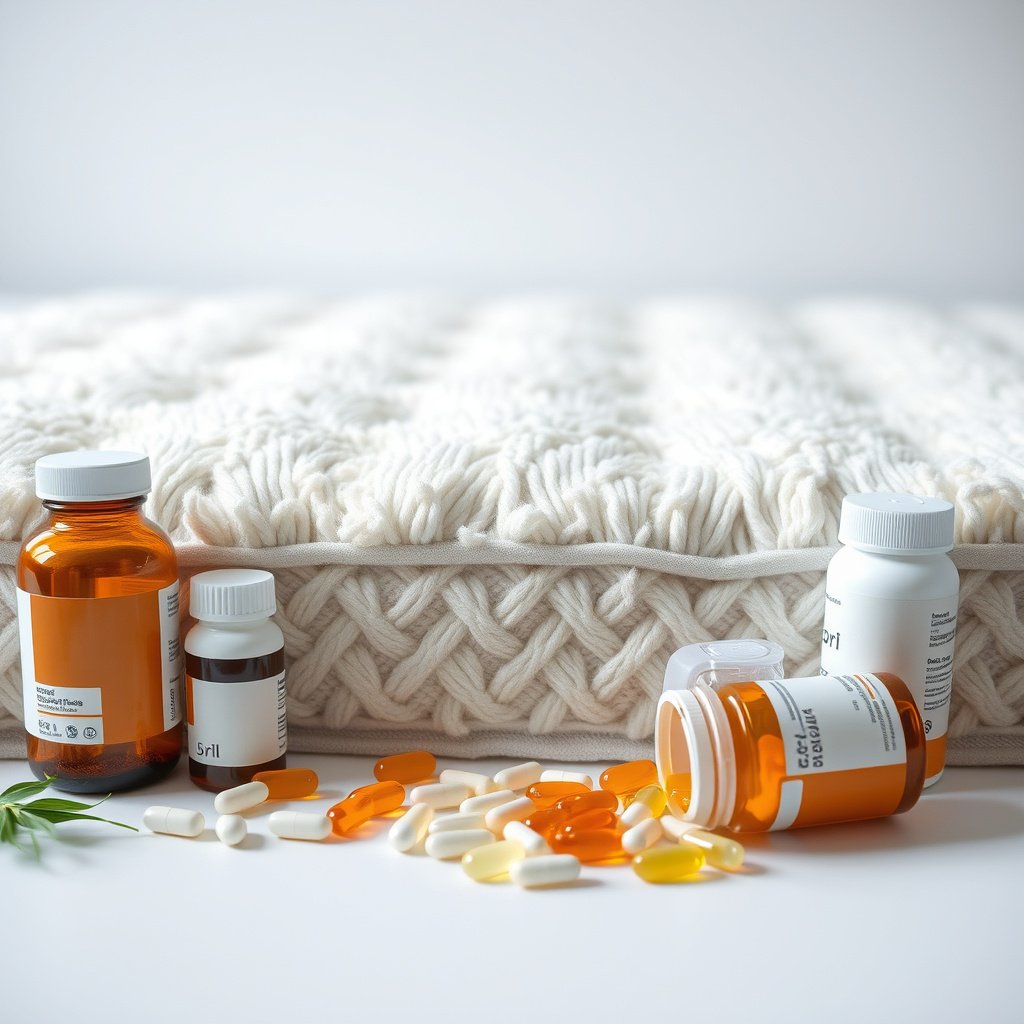
For a wool mattress, the most reliable prevention is a waterproof barrier that also lets moisture vapor escape—so you block spills without turning the mattress into a “condensation box.” Look for a mattress encasement designed specifically for water resistance tests and daily bed setups, then add an easy-to-wash outer layer on top of it.
A breathable waterproof mattress encasement is intended to block liquid while allowing water vapor transmission, which helps reduce trapped moisture around the wool.
Wool naturally absorbs moisture, so blocking spills from reaching the fibers—and drying promptly if moisture occurs—is a key part of wool care.
What “breathable waterproof” really means for wool
A “waterproof” label isn’t enough for wool. You want a mattress encasement that uses a waterproof surface (or membrane) to stop liquid migration, while still having measurable water vapor permeability. This matters because wool mattresses can hold onto moisture-related smells longer when the surface stays damp.
In 2026, many protectors claim “breathable,” but what you should look for on spec sheets or packaging is whether the product is tested for water vapor transfer (often referenced through water vapor transmission methods such as ASTM E96) and waterproofing (commonly referenced through hydrostatic pressure or “spray/rain” style testing). Your goal is a wool mattress that dries back toward “normal” after a spill or humidity spike.
Why all-sides encasement matters more than you think
Spills rarely land perfectly in the center. Edges and seams—where bedding tension, quilting channels, and stitching meet—are common pathways for liquid to creep down. For a wool mattress, that means you should prioritize an all-sides encasement that covers the top and sides fully, with secure closures that resist shifting between turnovers.
Here’s a quick comparison of protector types you’ll see in vacation-home listings:
| Protector approach | What it protects best | Common downside for wool mattresses |
|---|---|---|
| Breathable waterproof **encasement** (all sides) | Blocks liquid migration while supporting vapor release | Can feel slightly “crisper,” and depends heavily on proper fit |
| Non-breathable plastic cover | Strong barrier to liquid | Can trap humidity and keep the wool feeling damp longer |
| Thin “sheet-like” mattress pad | Adds a soft layer cushion | Often misses seams/edges, so spills can still reach the wool core |
If your wool mattress stays damp due to a non-breathable cover, moisture can support odor retention and microbial growth risks.
The setup choice that makes cleaning easier
Because vacation homes run on turnovers, you want the wool mattress to be the least “work” item. That’s why a washable top layer (sheet-friendly protector or topper) is more than convenience—it’s a workflow strategy. Instead of scrubbing the encasement or hunting stains in wool, you remove and wash the outer layer, then keep the wool mattress itself protected underneath.
– Pick a waterproof but breathable protector/encasement designed for mattresses (so moisture from the room can escape while liquid stays out).
– Prefer an all-sides encasement that fully covers the mattress, especially seams and edges where spills collect.
– Use a washable top layer (sheet-friendly cover or topper) so the thing you clean most often is the outer layer, not the wool core.
Set up a spill-response system before guests arrive
Don’t rely on “we’ll deal with it later” during a vacation stay—prep your kit so you can respond within minutes if a guest reports a spill. When you’re missing the scent/sight window, having the right materials for wool-safe blotting and controlled moisture removal is what prevents a small incident from becoming a stain you can’t reverse.
Mold risk increases when materials stay wet; the U.S. Centers for Disease Control and Prevention notes mold can begin growing within 24–48 hours after water exposure.
Indoor humidity targets matter: the U.S. Environmental Protection Agency recommends keeping indoor relative humidity between 30% and 50% to limit moisture problems.
Build a “spot kit” that matches wool care
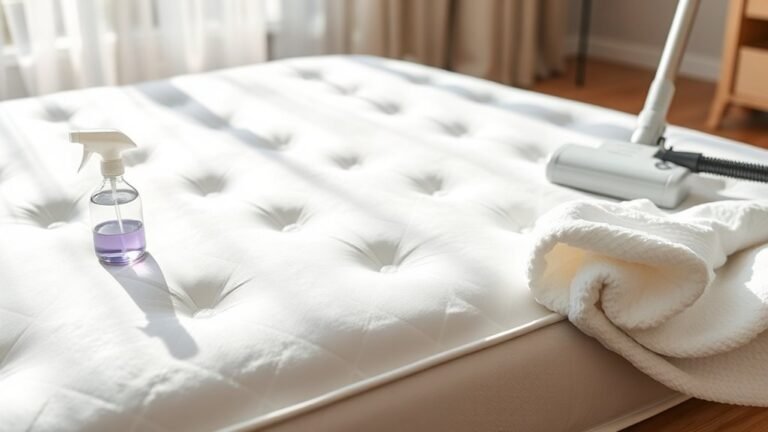
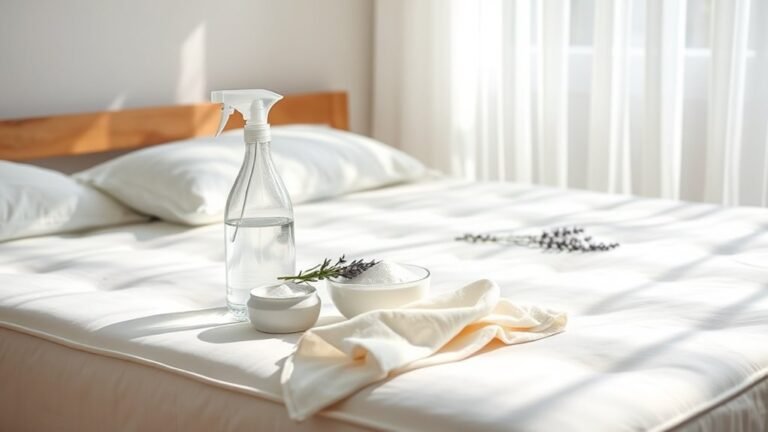
For a wool mattress, the most important tool is not a stain remover—it’s plain, dry blotting control. Your kit should support three stages: blot, light-clean (only if needed), and dry with airflow.
At minimum, keep:
– white, absorbent towels (to prevent color transfer),
– a wool-safe cleaner aligned with the mattress and wool care guidance,
– a spray bottle used to slightly dampen towels, not to flood the mattress.
I’m not going to claim a specific product “works best” without knowing your mattress brand and what their care label approves, but you can make your wool mattress spill kit safer by matching every cleaner to the manufacturer-approved list.
Wool care guidance commonly emphasizes blotting rather than rubbing to avoid driving liquid deeper into fibers.
Make swapping fast for between-stay turns
Even a well-fitted breathable waterproof encasement can experience corner leakage if the cover shifts after bedding changes. Keep a spare top layer (or spare liner if your encasement system supports it). That way, when you finish a turnover, you can swap the outer “catch layer” immediately without waiting to dry everything fully.
– Keep a “spot kit” in a drawer: white towels, a gentle wool-safe cleaner (or manufacturer-recommended cleaner), and a spray bottle for lightly dampening towels—not flooding.
– Store spare protectors/liners so you can swap quickly between stays if something does get through.
– Make a simple rule for the home: drinks stay on tables/nightstands—no cups on unprotected bedding.
Handle spills on wool the right way (fast, gentle, thorough)
The right response to a spill on a wool mattress is immediate blotting plus complete drying with airflow—this prevents both visual staining and odor-settlement. If you treat the spill like a “scrub now, fix later” problem, you usually push liquid deeper into fibers, making the wool mattress harder to restore.
Blotting with a dry, white towel (instead of rubbing) helps lift liquid from wool fibers and reduces spread.
Fast, thorough drying with ventilation reduces the chance that moisture-related odors and residues remain in wool.
Step-by-step: the blot, the minimal clean, then the dry
Wool reacts differently than synthetic foam because the fiber structure holds onto moisture. That means you’re not trying to “wash” the spill out on day one—you’re trying to remove as much liquid as possible and keep the wool mattress from staying wet.
– Blot immediately with a dry, white towel; don’t rub (rubbing spreads liquid and can push it deeper into fibers).
– Remove excess moisture by blotting again with clean towels, then use a light amount of wool-safe cleaner only if needed.
– Dry fully with airflow (fan + ventilation). Avoid high heat—extra heat can damage wool and make odors harder to remove.
What to expect by spill type (and why acidity matters)
If you don’t know what spilled (or you’re seeing staining after the guest left), the spill’s chemistry can hint at what will set faster. Lower pH liquids are often more likely to alter color in natural fibers and create more visible marks—especially when pigment is involved.
Common Vacation-Home Spills and Their Typical Acidity (Room-Temp pH Ranges)
| # | Spill type | Typical pH range | Why it matters for wool | Neutrality score |
|---|---|---|---|---|
| 1 | Water | ~6.5–7.5 | Mostly neutral; risk is mainly moisture and delayed drying. | ★★★★★ |
| 2 | Urine (fresh) | ~6.0–7.5 | Often near-neutral at first, but ammonia/odor can intensify if moisture lingers. | ★★★★☆ |
| 3 | Coffee | ~4.8–5.2 | Mildly acidic; pigments can leave visible discoloration. | ★★☆☆☆ |
| 4 | Black tea | ~4.9–5.6 | Mildly acidic with tannins; can stain and leave a “ring” if not blotted fast. | ★★☆☆☆ |
| 5 | Tomato-based sauce | ~4.1–4.6 | More acidic; pigments can set quickly if moisture remains. | ★☆☆☆☆ |
| 6 | Red wine | ~3.2–4.0 | Strong color and acidity; untreated spills can cause deep staining. | ★☆☆☆☆ |
| 7 | Cola soda | ~2.3–2.6 | Higher acidity; stains can become harder to lift without correct blotting and drying. | ★☆☆☆☆ |
Neutrality score in the table above is a quick acidity proxy from the typical pH range (closer to neutral = higher score).
A note on cleaner choice and moisture control
Your wool-safe cleaner matters, but so does how you use it. For a wool mattress, “more cleaner” often means “more residue,” and residue can attract smells and become harder to remove later. Apply cleaner to a towel (when the care label allows) and work from the outside of the spot inward.
Prevent spills between guest stays
The best protection is not just what you install—it’s the routine you run between turnovers. A wool mattress stays cleaner when you reduce exposure time, check for leaks under the barrier, and manage room humidity so the mattress doesn’t “hold” odors.
Keeping indoor relative humidity in the 30%–50% range helps reduce moisture-related problems, which can affect odor control in bedding.
Condensation and lingering dampness can increase odor retention and slow drying for wool fibers under covers.
Do fast post-checks (and look where spills hide)
A two-minute check at the end of each stay is often more valuable than a 30-minute clean after the next guest arrives. Look under the edge seams: if the encasement moved, any liquid that reached the barrier seams could have traveled down in small amounts.
Also re-secure corners and closures. Even a high-quality breathable waterproof encasement can lose effectiveness when it shifts.
– Do quick post-checks: scan for dampness under the protector, and re-secure any loose corners before the next arrival.
– Manage room moisture: if the room gets humid or condensation forms, wool can hold smells longer—air circulation helps.
– Use reminders where they matter: include a small “no drinks on the bed” note in guest instructions (and/or bedside).
Why ventilation matters even without visible spills
In 2026, more vacation homes rely on airtight construction and efficient HVAC cycles. That can reduce air exchange and raise the chance of micro-condensation. For a wool mattress, ventilation helps the encasement region dry toward normal, which is one of the best “set-and-forget” steps you can take.
What can go wrong (common mistakes and edge cases)
Even with the right setup, a wool mattress can still suffer if the protector traps moisture, cleaning is too aggressive, or you ignore warranty language. The goal is not perfection—it’s avoiding predictable failure modes that turn minor incidents into long-term staining or odor.
Non-breathable covers can trap humidity, which slows drying and can increase odor retention in wool bedding.
High heat drying can be risky for wool fibers and may make odors harder to remove by setting residues.
The mistakes that most often show up during turnovers
– Trapping moisture: some non-breathable plastic covers can make wool feel damp longer, especially in humid rooms.
– Oversaturating the spot: pouring cleaner or water directly into the mattress makes blotting harder and can lead to lingering odors.
– Using the wrong chemicals or heat: harsh stain removers and high-temperature drying can discolor wool or weaken fibers.
– Skipping the warranty/specs check: if your wool mattress warranty requires specific care, a “random” protector or cleaning method could be an issue.
Edge cases worth planning for
If your vacation home gets frequent spills from kids, pets, or frequent late-night beverage use, prevention becomes workflow-intensive. In those cases, you may need more than one outer washable layer and stricter guest instructions. If you allow pets, consider whether your wool mattress warranty or encasement manufacturer supports urine/enzymatic cleanup—and keep approved products on hand.
Verdict / tip
A breathable waterproof mattress encasement plus a washable top layer is the most reliable way to protect a wool mattress from spills in a vacation home—especially when you can’t respond instantly during a guest stay. The downside is that some protectors can feel warmer or louder than bare bedding, and you may need to replace worn liners more often. You should skip this approach (or confirm details first) if your wool mattress’s warranty or manufacturer care instructions require a different type of protection, or if you know the room humidity will be consistently high without good ventilation.
From a practical management standpoint in 2026, the “best” wool mattress protection system is the one you’ll actually maintain at every turnover. That means fitting it correctly, checking it routinely, and having a wool-safe spot kit ready so you can blot fast instead of improvising.
Quick checklist (save this) + Sources
| What to do | Your goal |
|---|---|
| Use a breathable waterproof encasement (all sides) | Stop spills before they reach wool |
| Add a washable outer layer | Keep cleaning simple between stays |
| Blot spills fast; don’t rub | Prevent liquid from spreading or setting |
| Dry with airflow until fully dry | Reduce odor and residue |
| Avoid harsh cleaners / high heat | Protect wool fibers and color |
Sources (primary / spec-based):
– WoolSafe Organization / Woolmark care guidance on wool cleaning, emphasizing blotting and appropriate drying practices.
– Your mattress/wool core manufacturer’s care instructions (warranty + approved protectors/cleaners).
– ASTM E96 (water vapor transmission testing) and AATCC 127 (hydrostatic pressure/waterproofness testing methods) for product spec interpretation of “breathable waterproof.”
– U.S. Environmental Protection Agency (EPA) indoor humidity guidance (30%–50%).
– U.S. Centers for Disease Control and Prevention (CDC) mold guidance (24–48 hours after water exposure).
If you implement only one change in 2026, make it this: protect the wool mattress with a breathable waterproof all-sides encasement, then run a fast post-stay check and a strict blot-and-air-dry response when something spills. That combination minimizes staining and odor risk while keeping your vacation-home turnovers realistic.
Frequently Asked Questions
What’s the best way to protect a wool mattress from spills in a vacation home?
Use a breathable, waterproof mattress protector designed for mattresses with natural fibers like wool. Look for options labeled “waterproof,” “breathable,” and “washable,” so spills don’t soak in while you still maintain comfort and airflow. Add a fitted mattress pad on top as an extra barrier for quick cleanups between guests.
How can I waterproof a wool mattress without trapping heat or moisture?
Choose a waterproof protector with a breathable membrane (often polyurethane or similar) that blocks liquids but allows some vapor transmission. Avoid plastic-only covers that can reduce airflow and make the mattress feel clammy, especially in warm climates. Pair it with a washable, breathable top layer like a cotton or bamboo protector to help manage everyday spills before they reach the wool.
Which mattress protectors are safest for wool and easiest to maintain for short-term rentals?
Prioritize protectors that are safe for natural bedding materials, machine washable, and free from strong chemical finishes. Encased or fully zippered protectors can add extra protection for vacation-home spills because they cover seams and edges where liquid often seeps. Use a routine of removing and washing the protector immediately after any incident to prevent moisture from lingering near the wool fibers.
Why are spills on wool mattresses more likely to cause odors or long-term damage?
Wool is naturally absorbent, so spills can penetrate and hold moisture within the fibers, even if the surface looks dry. If liquid remains, it can encourage lingering smells and increase the risk of staining or mildew over time. In a vacation home where you may not notice issues immediately, quick containment and drying are key to protecting the wool mattress.
How do I clean and dry a wool mattress after a spill while minimizing staining?
Blot the spill quickly with clean towels—don’t rub—then use a damp cloth with mild soap (avoid harsh cleaners that can damage wool). Remove the waterproof protector and launder it according to the label, then allow the mattress to dry fully by improving ventilation and using fans; avoid high heat that can set stains. If the spill was something like wine, urine, or oily liquids, consider using a wool-safe enzyme cleaner and follow up with thorough drying to prevent odor.
📅 Last Updated: October 27, 2026 | Topic: How to Protect a Wool Mattress from Spills in a Vacation Home | Content verified for accuracy and freshness.
References
- https://www.who.int/publications/i/item/9789241564851
- https://www.cdc.gov/mold/default.htm
- Mold | US EPA
- https://www.epa.gov/mold/preventing-mold-growth
- Mold Cleanup in Your Home | US EPA
- Wool
- https://www.britannica.com/topic/wool
- https://scholar.google.com/scholar?q=wool+fabric+water+absorption+lanolin+care+stain+removal Google Scholar
- https://scholar.google.com/scholar?q=mattress+waterproof+encasement+spill+prevention Google Scholar
- https://scholar.google.com/scholar?q=dampness+mold+growth+on+textiles+indoor+humidity Google Scholar