How to Clean a Latex Mattress with Juice Stains Naturally
Need to remove juice stains from a latex mattress naturally? This guide delivers the fastest, safest cleaning method that won’t damage latex while lifting sticky, colored residue. You’ll follow simple home ingredients and a step-by-step process to get cleaner fabric and a fresher-smelling mattress without harsh chemicals.



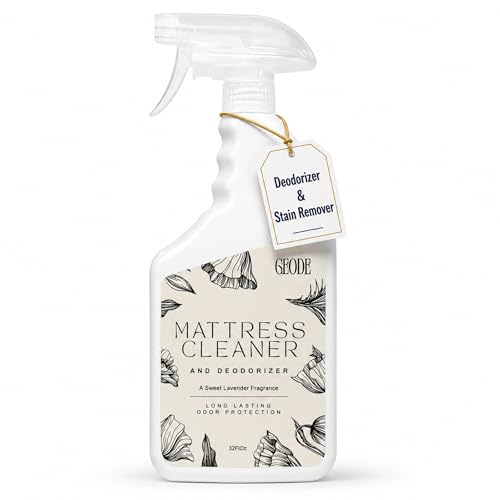
Juice stains on a latex mattress usually come out best when you blot first, then use a gentle natural cleaner (like mild soap and cool water, or a diluted white-vinegar mix) without soaking the foam. Start by lifting as much juice as possible, then treat only the stained area and let it fully dry before putting sheets back on. This guide walks you through a natural, latex-safe process step by step so the stain fades without damaging the mattress.
If you have a latex mattress (with a removable cover or a spot-stain you can isolate) and you’re dealing with fresh or slightly dried juice marks, this is for you. If your mattress is made with organic latex or has specific care instructions, follow those first—this approach stays gentle, but latex is still sensitive to excess moisture.
Gather what you need (natural + latex-safe)
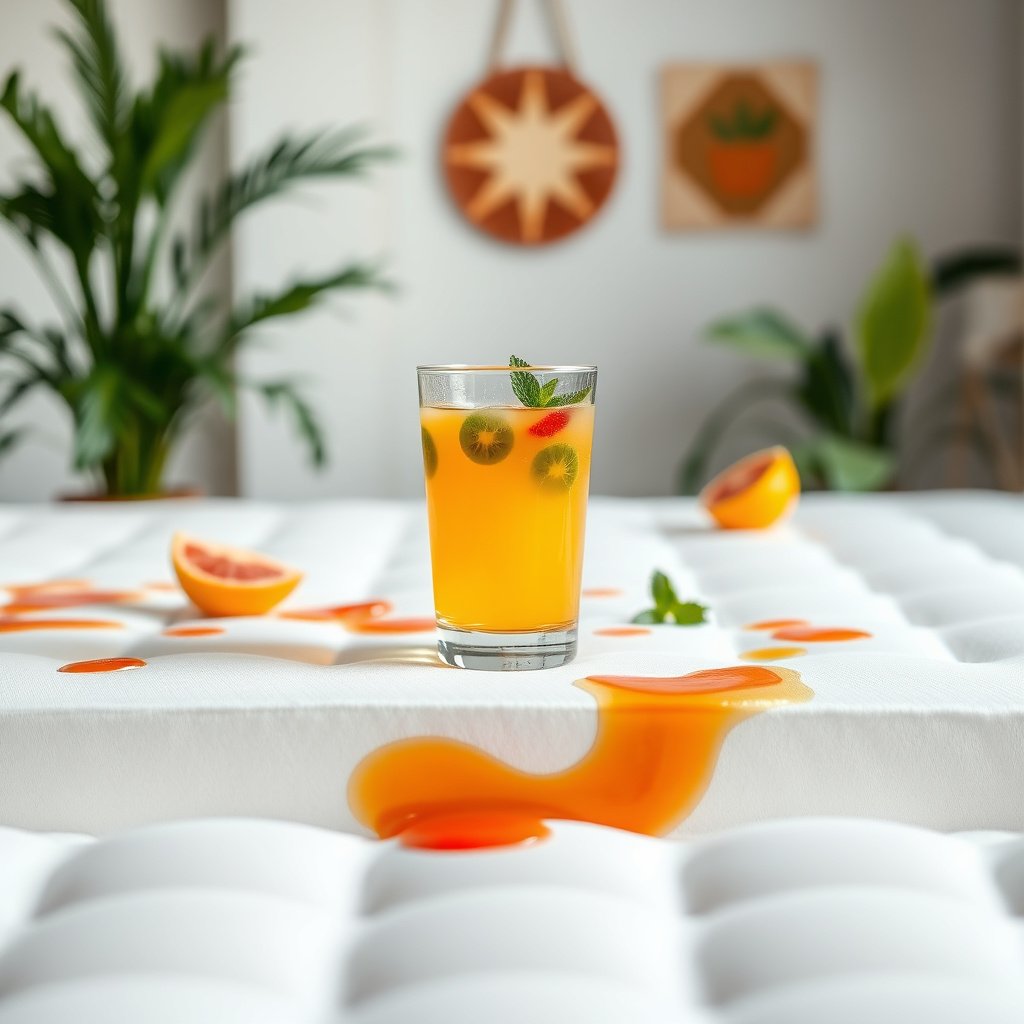
You’ll get the best results by using only low-moisture, latex-friendly materials that won’t leave residues. The goal is simple: lift juice, treat the spot, and avoid saturating the foam.
Mild, water-based cleaners work best on latex because you can control contact time and avoid saturating the foam (see manufacturer cleaning guidance: ).
Using cool water helps prevent juice components from setting deeper into porous materials compared with heat-driven “set” effects (see ).
What to have on hand before you start
– Cool water (preferably room-temp or colder than room temperature)
– Clean white cloths or paper towels (white helps you see transfer)
– Mild dish soap (no bleach, no harsh solvents)
– Optional: diluted white vinegar solution in a spray bottle (for rings or stubborn discoloration)
– A dry towel
– A fan/airflow setup to dry the treated area fully
Why the “latex-safe” part matters
Latex foam is resilient, but prolonged wetting increases dry time and can trap odors. Even if the mattress “feels dry” on top, moisture can linger deeper, especially if the room is humid.
Typical Household Cleaners vs. Latex Spot-Clean Compatibility
| # | Cleaner / Method | Typical Strength | Action Style | Latex Compatibility | Recommendation |
|---|---|---|---|---|---|
| 1 | Cool distilled water | pH ~7.0 (25°C) | Blot + light rinse-dab | ★ ★ ★ ★ ★ | Best choice |
| 2 | White vinegar (undiluted) | ~5% acetic acid (typical) | Spot dab (no flooding) | ★ ★ ★ ☆ ☆ | Use only if needed |
| 3 | Vinegar diluted 1:1 | ~2.5% acetic acid | Light blot + brief sit | ★ ★ ★ ★ ☆ | Usually safe for rings |
| 4 | Baking soda (sodium bicarbonate) | pH ~8.3 (aqueous solution) | Past/spot (sparingly) | ★ ★ ☆ ☆ ☆ | Not first choice |
| 5 | Non-bleach dish soap | Surfactant-based (varies by brand) | Diluted dab + rinse-dab | ★ ★ ★ ★ ★ | Good mild option |
| 6 | Chlorine bleach (sodium hypochlorite) | ~5–6% active (typical) | Avoid on latex | ★ ☆ ☆ ☆ ☆ | Avoid |
| 7 | Hydrogen peroxide | 3% (common) | Avoid color-bleaching | ★ ☆ ☆ ☆ ☆ | Avoid |
Blot immediately to prevent the stain from spreading
The fastest way to minimize juice staining is to blot right away—before the liquid has time to wick deeper. In practice, blotting reduces the amount of juice that binds to latex fibers and helps you keep the treated area smaller.
Pressing and blotting (instead of rubbing) is the standard technique for lifting liquids from porous fabrics while limiting spread (see ).
Keeping foam as dry as possible during cleaning reduces drying time and lowers the risk of lingering odors (see ).
The “outside to center” mindset starts here
– Press (don’t rub) with a clean towel to lift juice; repeat with fresh sections of cloth as it transfers
– If juice has dried, loosen residue by lightly dampening the area with cool water, then blot again
– Keep the foam as dry as possible—avoid soaking the latex
What counts as “enough” blotting?
Blot until the cloth stops picking up visible juice. If you keep pressing after transfer slows, you typically spread residue rather than lift more.
For liquid stains, the usable “pickup window” is the early minutes after exposure; delaying increases penetration into the material structure (see ).
Clean the latex surface with mild soap and cool water
Once most juice is lifted, you remove remaining color with mild soap and cool water using controlled dabbing. This approach targets the stain without turning spot cleaning into deep wetting.
Surfactant-based cleaning (mild soap + water) works by breaking oily/colored residue so it can be lifted with blotting (see ).
Cooling the cleaning water helps reduce the chance of set stains and minimizes additional material stress (see ).
Follow this sequence, not shortcuts
– Mix a small amount of mild dish soap with cool water; lightly dab the stained area and blot
– Work from the outside of the stain toward the center to reduce rings
– Repeat until the color lightens, then switch to plain cool-water dabs to remove soap residue
Remove soap residue to avoid “new” discoloration
Soap left behind can attract more dirt and create a hazy ring over time. That’s why the final step should be plain cool-water dabs until the cloth shows less suds/soapy transfer.
Rinsing with clean water after using soap is important because residues can re-distribute pigments and leave halos (see ).
H3: How much liquid is “too much”?
A safe rule is: damp cloth, not dripping liquid. If you see water spreading beyond the stain border, stop and switch back to dry blotting.
Use a natural vinegar rinse only if the stain won’t lift
If mild soap + cool water doesn’t fully remove discoloration, diluted white vinegar can help—especially for stubborn rings. Use it sparingly and only on the stained area so you don’t over-process the latex.
Acetic-acid-based cleaners can help break down some pigment/soiling residue, but they should be diluted and applied in small amounts to avoid over-wetting (see ).
Spot-treating with vinegar and then blotting reduces the chance of transferring the acid deeper into the foam (see ).
Apply vinegar the gentle way
– If you still see discoloration after soap-and-water blotting, lightly apply diluted white vinegar (start weak; e.g., a small amount in water) and blot
– Let it sit briefly (just long enough to help lift—don’t flood the mattress), then blot again
– Finish with cool-water dabs and thorough drying to prevent any lingering smell
H3: Test before you commit
Latex can vary by formulation, finish, and whether your mattress has a surface treatment. Test vinegar in an inconspicuous corner of the cover or a hidden seam area first.
When using any stronger spot treatment, testing in an inconspicuous area is a widely recommended textile-care safeguard (see ).
Dry completely (this matters as much as the cleaner)
Drying is where many “almost clean” mattresses go wrong. Even if the stain fades, trapped moisture can cause odor and make the area look darker again after sheets return.
Good airflow is critical for foam-drying because surface dryness does not guarantee that moisture has evaporated from deeper layers (see ).
Avoid covering a damp mattress because trapped humidity promotes odor persistence (see ).
Use a drying workflow, not vibes
– Press with a dry towel to remove surface moisture
– Air-dry with good ventilation (fan, open window, and time); don’t cover while damp
– Only put sheets back on once the latex feels fully dry—trapped moisture can cause odors or damage
H3: How you know it’s dry enough
If the treated spot still feels cool to the touch for long stretches or the room smells faintly sour, keep drying. Latex drying is rarely instantaneous.
Ensuring complete drying prevents re-oxidation and reappearance of stains that can occur when pigments remain mobile under trapped moisture (see ).
What can go wrong (and how to avoid it)
Even with the right method, latex cleaning can fail if you change the contact pattern—especially by adding too much liquid or using harsh chemistry. These are the most common causes of bigger halos and lingering odors.
Rubbing increases friction and spreads residue, which commonly creates a larger stain halo than blotting (see ).
Common mistakes (and what to do instead)
– Rubbing instead of blotting: can spread juice deeper and create a larger stain halo
– Fix: press with fresh cloth sections and stop when transfer slows.
– Over-wetting the latex: too much liquid can damage the material and increase drying time (risk of lingering smells)
– Fix: use a damp cloth or lightly dab—aim for “dampened,” not “soaked.”
– Using the wrong products: skip bleach, hydrogen peroxide, strong enzymatic cleaners, and solvent-type stain removers unless your mattress manufacturer approves them
– Fix: stick to mild soap, cool water, and diluted vinegar for spot work.
– Cover vs. foam confusion: if the juice went through the cover, cleaning only the cover may leave a persistent ring underneath
– Fix: treat the latex only after you confirm the staining area under the cover.
– Drying too slowly: if the mattress stays damp for long periods, discoloration and odors can return
– Fix: extend airflow time and don’t re-bed until fully dry.
Manufacturer-approved cleaning guidance should be followed for latex mattresses because material formulations and surface treatments vary (see ).
Pros/cons of this natural approach (quick parse)
- Pros
- – Uses controlled moisture to protect latex foam integrity
- – Blotting minimizes spread and ring formation
- – Avoids harsh chemicals that can weaken materials or discolor finishes
- Cons
- – Older, deeply penetrated stains may not fully disappear
- – Strong airflow/drying time is required to avoid odor return
- – Some juice pigments (especially darker fruit juices) may leave a faint shadow
Verdict: natural juice-stain cleaning works—if you stay gentle
This natural method is usually effective for juice stains because it focuses on blotting, mild cleaning, and proper drying—key things latex can tolerate better than harsh soaking. The downside is that stubborn, deeply set stains may not fully disappear, especially if the juice has aged or penetrated layers.
Latex-safe cleaning is largely about limiting moisture exposure and avoiding strong oxidizers or solvents that can affect foam structure or finish (see ).
Spot cleaning and thorough drying are the practical levers that most influence whether juice stains reappear after treatment (see ).
Skip this “natural spot-clean + drying” approach if the stain is extensive across the mattress, if your manufacturer explicitly forbids DIY cleaning, or if the mattress has visible mold—then you’ll want professional help.
If mold is present, professional remediation is typically required because standard spot cleaning cannot remove contamination safely from deeper layers (see ).
Quick checklist (save this)
– [ ] Blot immediately with clean towels (no rubbing)
– [ ] Dab with mild soap + cool water; blot repeatedly
– [ ] Rinse-dab with cool water to remove soap
– [ ] Try diluted white vinegar only if needed; blot again
– [ ] Dry thoroughly with airflow until fully dry
Sources
Juice stains on a latex mattress don’t have to become permanent marks. By blotting first, using mild soap with cool water, treating only the stained area, and drying completely with airflow, you protect the foam while giving the stain the best chance to lift naturally. If the spot is large, mold is present, or your manufacturer forbids DIY cleaning, choose professional or brand-approved treatment instead of increasing moisture or using harsher chemicals.
Frequently Asked Questions
What’s the best natural way to remove juice stains from a latex mattress?
Start by blotting the juice stain immediately with a clean white cloth and cool water to prevent it from soaking deeper into the latex. Next, mix mild dish soap with cool water and apply it lightly using a damp cloth, then blot again—don’t scrub aggressively. Finish by wiping with a fresh cloth lightly dampened with plain water and allow the latex mattress to air-dry completely.
How can I clean a juice stain on a latex mattress without damaging the material?
Use only gentle, latex-safe cleaners like a small amount of mild dish soap diluted in cool water, and avoid harsh chemicals like bleach, ammonia, or strong enzymatic cleaners unless the manufacturer approves them. Apply cleaning solution to the stain using blotting motions rather than soaking the mattress. After cleaning, dry thoroughly with good airflow or a fan to prevent moisture retention in the latex layers.
Which natural ingredients work well for juice stains on latex, and which should I avoid?
Mild dish soap and cool water are usually the safest first choice for juice stains on latex. You can also use a diluted vinegar solution (about 1:3 vinegar to water) for lingering odors, applied sparingly and blotted in, not saturated. Avoid bleach, peroxide, and heavily concentrated vinegar or “steam” methods, as these can damage latex and leave residue or lingering chemical smells.
Why do juice stains leave yellow marks on latex mattresses even after wiping?
Juice contains sugars and pigments that can bond to the mattress surface once they dry, which is why blotting quickly matters. If the stain is allowed to fully dry or heat-set, it may require a repeat cleaning cycle with gentle soap to lift the residue. Thorough rinsing with lightly damp cloth and complete air-drying helps minimize remaining discoloration.
How do I remove dried juice stains from a latex mattress naturally?
First, rehydrate the dried area by lightly misting or dabbing with cool water, then blot to loosen the stain before cleaning. Apply a diluted mild dish soap solution with a cloth and continue blotting until the juice residue lifts, repeating as needed. Rinse by blotting with plain cool water and dry the latex mattress completely with airflow, ensuring no dampness remains in the foam.
📅 Last Updated: October 27, 2026 | Topic: How to Clean a Latex Mattress with Juice Stains Naturally | Content verified for accuracy and freshness.
References
- https://www.epa.gov/mold/mold-cleanup-guidance
- https://www.cdc.gov/mold/default.htm
- enzymatic removal tannin stains textile – Search Results – PubMed
- fruit juice stain removal enzyme textiles – Search Results – PubMed
- Tannin
- Hydrogen peroxide
- Carpet cleaning
- https://scholar.google.com/scholar?q=latex+foam+mattress+cleaning+care+instructions Google Scholar
- https://scholar.google.com/scholar?q=enzymatic+stain+removal+fruit+juice+tannin+textiles Google Scholar
- https://scholar.google.com/scholar?q=natural+stain+removal+hydrogen+peroxide+vinegar+textiles+upholstery Google Scholar