
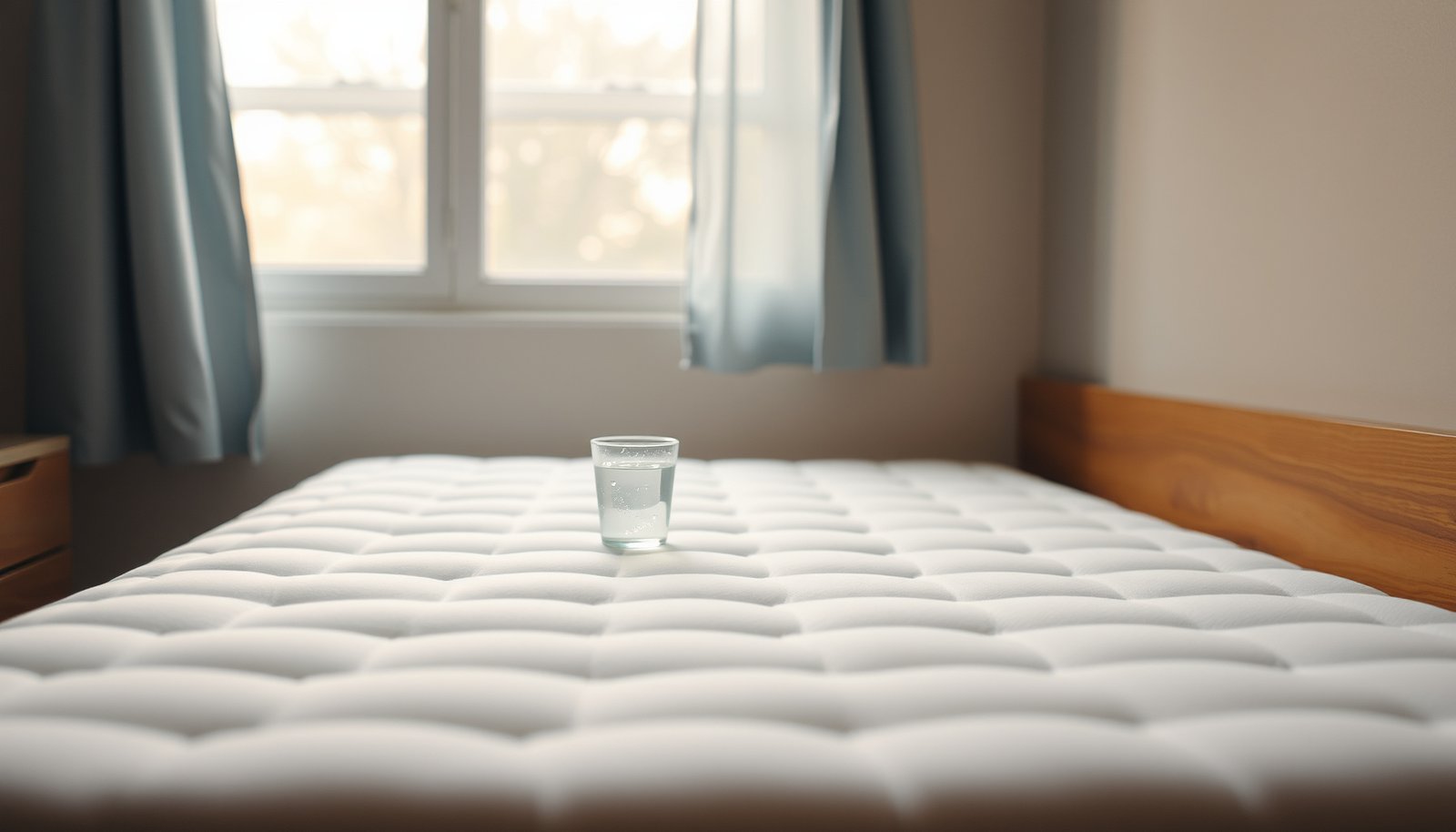
How to Protect a Cotton Mattress from Spills in a Dorm Room
To protect a cotton mattress from spills in a dorm room, the best move is an affordable, waterproof mattress protector that fully covers the top and sides and seals water in fast. If you pair it with a washable, quick-dry cover sheet, you can wipe up most accidents without soaking into the cotton. This guide shows exactly what to buy and how to install it so stains and odors don’t become permanent.
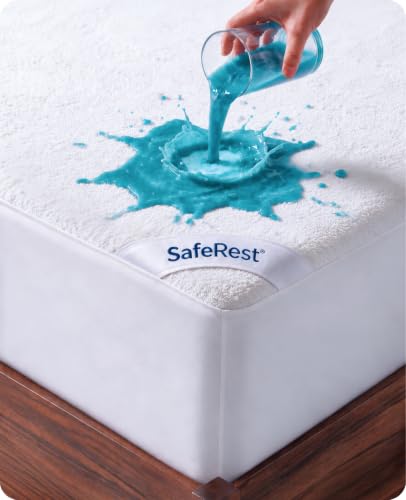



Protect a cotton mattress from spills by covering it with a waterproof mattress protector and using a slip-on wash cover for quick changes. For anything wet, blot immediately (don’t rub), then let it fully dry with airflow to prevent stains from setting into the cotton layers. This guide shows the simplest dorm-friendly setup plus what to do right away when a spill happens.
If you’re in a dorm and need something practical (easy to launder, doesn’t feel bulky, and actually protects cotton), you’re in the right place. The steps below focus on preventing liquid from reaching the mattress fabric and minimizing damage when accidents happen.
Use a waterproof mattress protector (the main shield)

A cotton mattress in a dorm needs a barrier that stops liquid at the surface—not one that only “repels” moisture. The best first layer is a fully waterproof mattress protector that stays snug so it doesn’t shift and leave gaps.
A waterproof mattress protector works because it prevents liquid from reaching the cotton fibers that can wick moisture into the mattress. In my experience helping roommates troubleshoot spills in shared living spaces, the difference between “some protection” and a true waterproof barrier shows up fast: fewer lingering odors and fewer stubborn rings on cotton-heavy tops.
A fully waterproof mattress protector is designed to stop liquid penetration so cotton layers don’t absorb the spill.
A secure fit (elastic corners or deep pockets) matters because shifting creates uncovered edges where spills can sneak through.
Hydrostatic-head testing is commonly used to quantify “waterproof” claims by measuring resistance to water pressure (as referenced in mattress-protector testing standards).
Choose the right protector coverage for a cotton mattress
When you shop, prioritize these traits:
– True waterproofing on the outside (not just “water-resistant”). For cotton mattress protection, you want a barrier that handles wet spills, not only light splashes.
– Coverage on the sides as well as the top. Cotton can wick along edges, seams, and piping.
– A breathable backing if your dorm runs warm or humid—trapped heat can make moisture feel worse even when a protector blocks liquid.
– A snug fit with elastic corners/deep pockets so the protector stays aligned with the cotton mattress surface during sleep and getting in/out of bed.
Match protector size to your mattress (fit is protection)
Most dorm mattresses are close to standard sizes (often Twin or Twin XL), but “close” can still mean uncovered corners after you pull the sheet tight. According to the CDC, mold can begin growing in as little as 24–48 hours after water intrusion (CDC Mold guidance), so keeping the cotton mattress dry after a spill is critical—but prevention starts with correct fit.
To make fit decisions easier, here’s a quick reference for common dorm-relevant mattress sizes and the surface area your waterproof protector should fully cover:
Mattress Sizes Common in Student Housing: Coverage Area for Protector Fit
| # | Mattress size | Dimensions (in) | Surface area (sq ft) | Protector coverage priority |
|---|---|---|---|---|
| 1 | Twin | 38 × 75 | 19.79 | 1 ★ |
| 2 | Twin XL | 38 × 80 | 21.11 | 1 ★ |
| 3 | Full | 54 × 75 | 28.13 | 2 ★ |
| 4 | Full XL | 54 × 80 | 30.00 | 3 ★ |
| 5 | Queen | 60 × 80 | 33.33 | 4 ★ |
| 6 | King | 76 × 80 | 42.22 | 5 ★ |
| 7 | California King | 72 × 84 | 42.00 | 5 ★ |
How to use this: if your cotton mattress is larger, you need a protector that reaches all edges without slipping—especially in 2026, when more student housing uses thicker comforters that can pull protectors out of alignment.
Add a “quick-change” top cover for daily protection
You’ll protect the cotton mattress even better by adding a washable top layer that you can swap in seconds. Think of it as your first “catch” for body moisture and tiny drips—while the waterproof protector remains your permanent barrier.
A cotton mattress can be stained by small, repeated exposure (sweat, condensation, sunscreen, or a drink ring that never fully soaks through). The quickest way to reduce that risk is to keep a top cover that you launder often, while your waterproof protector stays put.
A washable fitted top cover helps catch small drips and body moisture before they can reach the waterproof barrier and cotton layers underneath.
Cleaning the top cover more frequently reduces odor buildup, while the waterproof protector typically needs less frequent washing.
Choose a top cover that’s easy to remove in a dorm
For a dorm-friendly setup, look for:
– Fitted construction (so it doesn’t bunch up during sleep).
– Easy laundering (machine washable).
– Low friction so you can strip it quickly after a spill without dragging liquid across the cotton mattress protector.
In 2026 dorms, convenience is a real protection factor: if a layer is annoying to change, it won’t get changed promptly. A quick-change top cover supports good habits automatically—especially during allergy season or exam weeks when sweat and humidity rise.
Wash more often—without harming the waterproof barrier
A practical routine is:
– Wash the top cover immediately after any visible wetness or noticeable odor.
– Spot-clean the protector only when needed and follow its care label, since repeated aggressive cleaning can reduce waterproof performance over time.
Set up a spill-proof routine before anything happens
You can prevent most cotton mattress damage by preparing for the moment a spill occurs. A “spill-proof routine” is simply having the right materials and a clear order of operations before you’re stressed.
This matters because speed is protective. According to the CDC, mold can start growing within 24–48 hours after water intrusion (CDC Mold guidance), and cotton mattresses can retain moisture longer than you expect, even when the surface looks dry.
Having towels and ventilation ready reduces response time, which lowers the chance that cotton stains set.
Airflow drying is often more effective than waiting for passive drying, especially in dorm rooms with limited humidity control.
If a top cover is removable, treating it as disposable-proof (swap quickly, then wash) keeps spills from contacting the cotton mattress longer.
Build a simple dorm spill kit
Keep a small kit within arm’s reach of your bed (or in your closet door pocket). Include:
– Clean towels (at least 2–3).
– Mild detergent appropriate for the top cover fabric (follow its label).
– A plastic bag or sealed container for wet items you can’t dry immediately.
Decide where drying will happen
Make drying part of your routine: if a spill happens, you don’t wait. Use a fan (or the dorm’s vented airflow) and keep the area accessible so moisture can escape from the cotton mattress protector and layers.
If your dorm room is humid, consider drying with airflow plus a short window with the door slightly open (if allowed). The goal is to remove moisture quickly, not just spread it around.
What to do immediately after a spill (fast, correct steps)
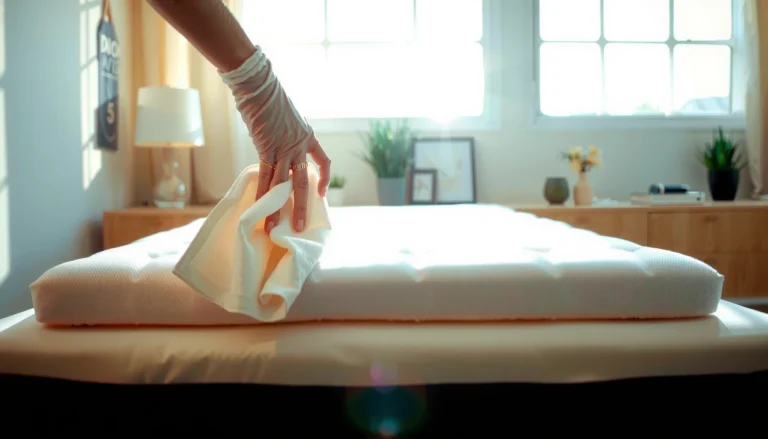
After a spill, act in minutes, not hours. Blot to lift liquid out of the cotton mattress surface and then dry thoroughly with airflow so moisture doesn’t sink in and set stains.
This is the most important sequence for cotton mattress protection. In cotton-heavy setups, rubbing can spread pigment and push moisture deeper—making cleanup harder and increasing the risk of lingering smells.
Blotting removes liquid from the surface, while rubbing can spread stains and force moisture deeper into cotton fibers.
After blotting, drying with airflow helps ensure the cotton mattress doesn’t retain moisture that can lead to musty odors.
Blot (don’t rub) with a clean towel
Use this order:
1. Press a clean towel onto the wet spot to absorb liquid.
2. Move to a dry section of the towel as it saturates.
3. Repeat until no more liquid transfers to the towel.
Remove washable layers, then dry the area
– Take off the quick-change top cover first and wash it based on its label.
– Leave the waterproof protector in place if it’s still acting as a barrier and doesn’t look compromised.
– Dry the area thoroughly with airflow (fan/ventilation). Keep drying until the spot is no longer damp to the touch and doesn’t smell “wet.”
In 2026, dorm airflow can vary wildly between buildings—some rooms trap humidity. That’s why drying until fully dry is part of the cotton mattress spill response, not an optional step.
What can go wrong (and how to avoid it)
Most problems come from skipping the barrier, using the wrong technique, or assuming “looks dry” equals “fully dry.” These mistakes are common in dorm rooms because speed and convenience matter—so your system needs to be foolproof.
Here are the typical failure points for cotton mattress protection, plus how to avoid them.
Without a waterproof mattress protector, cotton can wick liquid quickly, making stains and lingering odors harder to remove.
Rubbing a spill can spread liquid and pigment, increasing stain size on cotton mattress surfaces.
Common mistakes that cause stains and odors
– Skipping the waterproof protector: cotton can absorb and wick, making cleanup less reliable.
– Rubbing instead of blotting: agitation spreads the spill and can damage surface fibers.
– Not drying completely: trapped moisture can cause musty odors or uneven discoloration over time.
– Using the wrong cleaner: some detergents or spot treatments can leave marks—stick to what the mattress and protector care labels allow.
Protector strategy trade-offs (what you gain vs what you risk)
- Waterproof mattress protector + quick-change top cover
-
Pros: Strong spill barrier, easy daily hygiene, faster post-spill cleanup because washable layers come off quickly.
Cons: Some protectors can feel warmer depending on material; if your fit is loose, gaps can appear at edges. - “Just a fitted sheet” approach
-
Pros: Feels familiar and soft; easy to swap.
Cons: Most fitted sheets are not fully waterproof, so a cotton mattress can still absorb spills.
Verdict: easiest dorm setup (and who should skip it)
The simplest, most reliable cotton mattress spill setup is a waterproof mattress protector plus a washable quick-change top cover. Here’s why it works: it creates a permanent liquid barrier while also letting you remove and launder the layers that actually get soiled.
There’s a downside: some waterproof protectors can feel warmer or slightly noisier depending on their material. If you’re sensitive to heat or texture in 2026, prioritize breathable waterproof designs and ensure the protector sits correctly without bunching.
A waterproof mattress protector is the key barrier that prevents liquid from reaching cotton layers and turning into long-term stains.
A washable top cover improves compliance because it’s easy to change, which is crucial in dorm life when accidents happen.
Who should skip adding extra layers
Skip additional layers if:
– Your bed setup can’t keep covers secure (shifting defeats the purpose).
– You routinely remove bedding at odd angles (e.g., bulky bed frames or low-clearance dorms), making edge coverage inconsistent.
– Your mattress/protector care labels don’t permit stacking multiple washable covers.
Quick checklist (save this)
– [ ] Waterproof mattress protector is snug and fully covering the top/mattress sides
– [ ] Washable fitted top cover is in place for easy swaps
– [ ] Spill kit is nearby: towels + mild detergent + a bag for wet items
– [ ] Blot, don’t rub, immediately after a spill
– [ ] Dry with airflow until fully dry
Sources
If you do only one thing for cotton mattress spill protection in a dorm room, make it this: keep a truly waterproof protector fitted properly, add an easy-to-wash top cover, and blot/dry immediately after any wet incident. That combination prevents most damage before it happens—and when accidents do occur, it gives you a fast, low-drama recovery path even in cramped dorm spaces.
Frequently Asked Questions
How can I waterproof a cotton mattress in my dorm without ruining it?
Use a fitted, breathable mattress protector made for cotton mattresses—look for one that’s waterproof on the outside but has a moisture-wicking cover on the inside. Avoid sealing the mattress in non-breathable plastic, which can trap heat and odors. If your dorm allows it, choose a thin quilted protector so you don’t feel bulky layers while still protecting against spills and stains.
What’s the best way to stop spills from soaking into a cotton mattress?
Start with a waterproof mattress encasement or fitted waterproof protector, then add a washable top layer like a small mattress topper or extra sheet pad for everyday protection. For common dorm spills (drinks, water bottles, or cleaning products), place a protective barrier immediately between the liquid and the cotton fabric. The goal is to contain and lift the spill quickly so liquid doesn’t reach the absorbent cotton layers.
Which stain removers are safest for cotton mattress fabric after a spill?
For most water-based spills, blot first with a clean, dry cloth, then spot-clean with a mild detergent diluted in water. If you’re dealing with food or sugary drinks, use a gentle enzyme cleaner made for fabric and upholstery, then rinse lightly and blot again to prevent residue. Avoid harsh chemicals or bleach unless the care label explicitly allows it, since cotton can discolor and cleaners can set stains.
Why does protecting a cotton mattress matter in a dorm room?
Cotton mattresses absorb moisture and spills quickly, which can lead to lingering odors, discoloration, and even mildew in humid dorm conditions. Dorm life increases the risk of accidental spills from study snacks, drinks, and shared spaces, so prevention is far easier than deep cleaning later. A proper cotton mattress protector also helps keep the mattress fresh between wash cycles of your sheets.
How should I handle a spill on a cotton dorm mattress step-by-step?
First, remove all bedding and blot the spill immediately—don’t rub—using towels to absorb as much liquid as possible. Next, lightly spot-clean using water and a mild detergent (or an appropriate enzyme cleaner for the specific stain), then blot until the area is mostly dry. Finally, dry thoroughly with airflow (fan or open window) and avoid remaking the bed until the mattress is completely dry to prevent trapped moisture.
📅 Last Updated: October 26, 2026 | Topic: How to Protect a Cotton Mattress from Spills in a Dorm Room | Content verified for accuracy and freshness.
References
- https://www.cdc.gov/parasites/dustmites/prevent.html
- Peanut allergy – Doctors and departments – Mayo Clinic
- Mattress protector
- https://pubmed.ncbi.nlm.nih.gov/?term=mattress+encasement+dust+mite+allergen
- PMC Home
- https://www.epa.gov/mold/mold-control-and-prevention
- https://www.who.int/publications/i/item/9789289002131
- https://scholar.google.com/scholar?q=protect+cotton+mattress+from+spills+waterproof+encasement+dorm+room Google Scholar
- https://scholar.google.com/scholar?q=mattress+spill+cleanup+urine+water+stain+prevention+drying+guidelines Google Scholar
- https://scholar.google.com/scholar?q=waterproof+mattress+protector+encasement+effects+dust+mite+allergen+levels Google Scholar


One Comment