
How to Clean a Latex Mattress with Sweat Odors: Safe Steps
You can clean a latex mattress with sweat odors safely and effectively using the right wash-and-dry steps—without damaging the latex. This guide gives a clear, odor-killing plan for freshening sweat-stained areas, from surface cleaning to safe drying times that prevent lingering smells. Follow these instructions and you’ll know exactly what to do to get results you can actually smell.



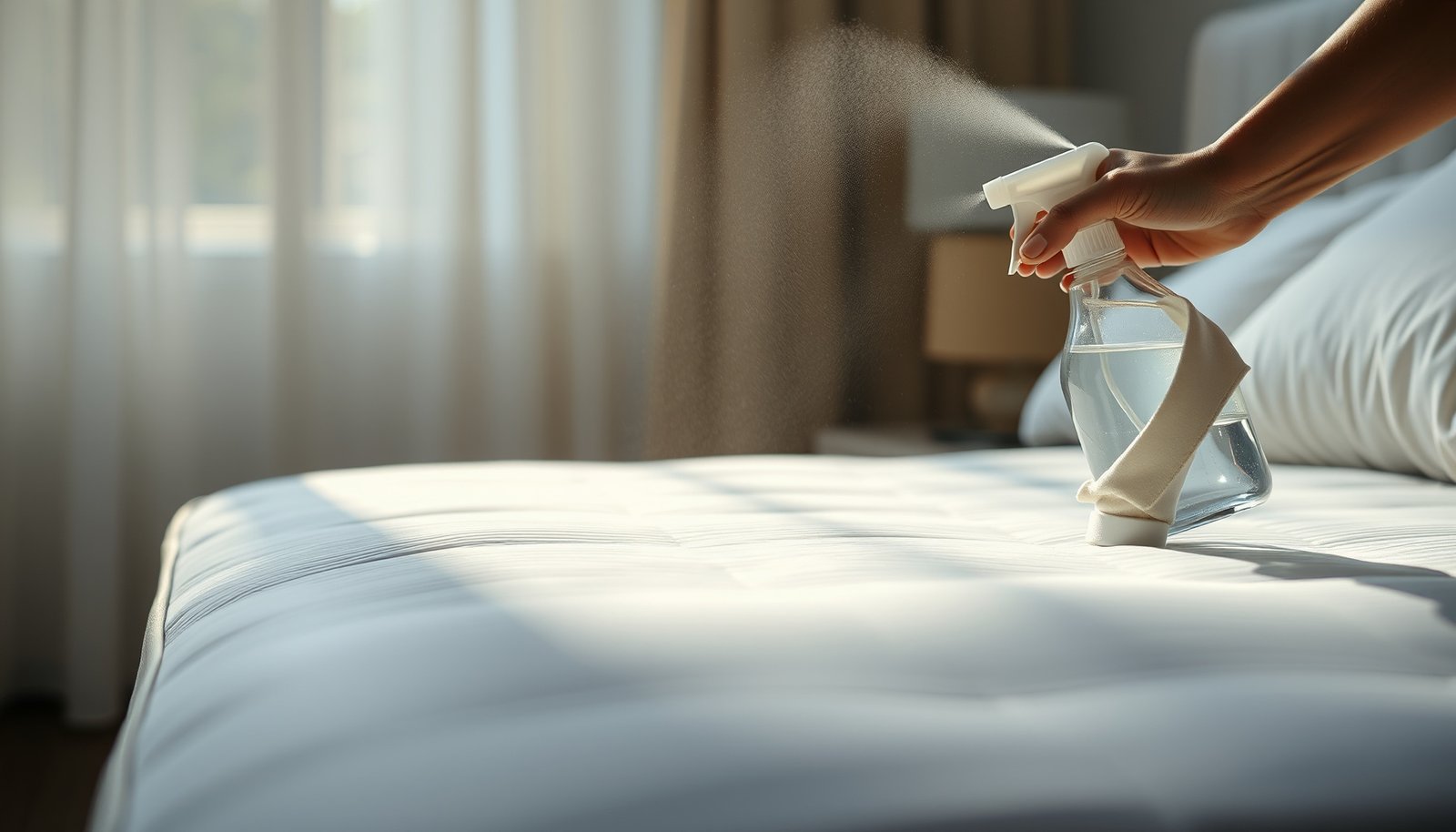
Spot-clean the sweat areas with a mild soap-and-water solution, blot thoroughly (don’t soak), and then neutralize lingering odor with baking soda or an enzyme cleaner that’s approved for latex. The key is removing body oils and moisture fast—odor usually comes back when latex stays damp.
This guide is for people dealing with musty or sour sweat smells on a latex mattress cover or the top comfort layer—especially when the odor has started to linger after normal airing out.
What to Do First (Check the Latex Care Label)

Yes—before you clean, check the latex care label so you don’t accidentally use moisture limits or chemicals your mattress manufacturer forbids. Latex materials are sensitive to heavy wetting and certain cleaners, and odor often worsens when the wrong method leaves residue or traps dampness.
Latex mattress care instructions typically define acceptable cleaner types and whether spot-cleaning is allowed.
Avoid “heavy soaking” guidance whenever the label warns that excess moisture can damage latex or backing materials.
Using cleaners not approved for latex can leave residues that contribute to lingering odors even after drying.
Before you start, confirm these basics:
– Locate your mattress/foam care instructions and follow any limits on moisture, cleaners, or “no-spot-cleaning” warnings.
– Gather only latex-friendly tools: clean white cloths/paper towels, a mild detergent, a spray bottle (for controlled misting), a vacuum with upholstery attachment, and a fan.
– Avoid harsh stuff from the start: bleach, ammonia, strong solvents, and heavy soaking are common ways people damage latex or worsen odors.
A practical approach is to treat the label like a “spec sheet.” If it restricts moisture, you’ll still be able to remove sweat oils using light, repeated blotting; if it lists excluded chemicals, you can substitute latex-safe options (baking soda or a properly labeled enzyme cleaner) without guessing.
Deep Clean Sweat Odors (Step-by-Step)
If the smell is coming back after airing out, the highest-impact move is a controlled surface clean: vacuum first, then spot-clean lightly, then blot and (if allowed) remove soap residue. This sequence targets the two odor drivers in sweat—organic residue (oils/proteins) and trapped moisture.
Sweat odors persist when residue and moisture remain in the top comfort layer, not just when the surface fabric “feels” dry.
Vacuuming removes dry particulate matter that can hold odor-causing compounds at the surface.
Spot-cleaning with a lightly applied detergent solution reduces the risk of pushing moisture deeper into latex.
Below are the steps in the exact order that minimizes odor re-emergence:
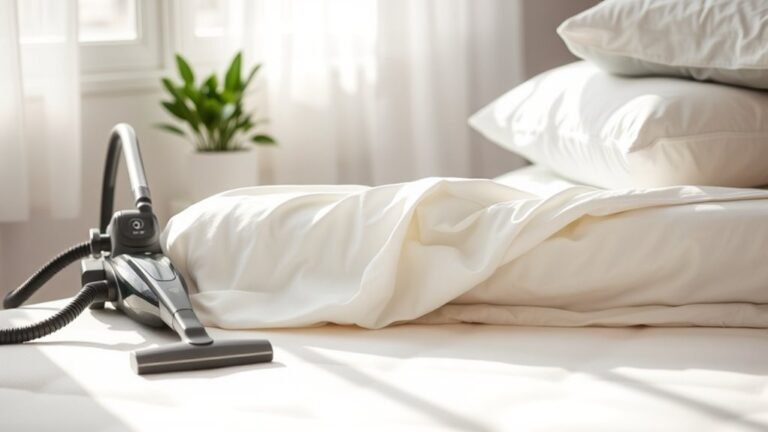
Vacuum the surface first
– Use an upholstery attachment to remove dry skin flakes and debris that can trap odor.
– Don’t scrub aggressively—latex can be dented, and rough friction can spread the smell.
Why this matters: even when you can’t see buildup, dry particles can act like odor “carriers.” Vacuuming also makes the next step more efficient by exposing the actual sweat-affected areas for precise blotting.
Spot-clean sweaty areas (lightly, then blot)
– Lightly mist a cloth or small area with a mild detergent diluted in lukewarm water (apply less than you think you need).
– Blot repeatedly until the cloth comes up less soiled, and keep liquids off the mattress edges and seams as much as possible.
How to avoid over-wetting (a common failure mode):
– Apply detergent to the cloth first, not directly to the latex.
– Work in small sections so each area gets the most drying advantage.
– Use steady pressure with blotting motions rather than rubbing.
Rinse without soaking
– If the care label allows, wipe again with a separate cloth lightly dampened with plain water to remove soap residue.
– Blot dry right after—soap residue can trap odor even when the mattress “looks clean.”
Soap residue is sneaky: it can create a film that attracts moisture later, which is exactly what turns “clean enough” into “odor back again.” If the label is strict and prohibits rinsing, focus on blotting and drying and then proceed to odor-neutralizing only after the surface is fully dry.
Drying and Odor Control Tips
Drying fully is the difference between “odor removed” and “odor returned.” Use airflow to drive off moisture quickly, and deodorize only after you’ve finished cleaning—because deodorizer without drying is often just covering a moisture problem.
Mold risk rises when materials stay damp; CDC guidance links indoor moisture conditions with mold growth.
Fast, complete drying helps prevent odor reappearing from moisture trapped under the top layer.
Baking soda is best used after cleaning so it can absorb remaining odor compounds rather than reacting with heavy soap residue.
Also, anchor your process to recognized moisture guidance:
– According to the U.S. CDC, mold can begin growing within 24–48 hours after water exposure (2024).
– According to the U.S. EPA, controlling indoor moisture is essential for preventing mold, and relative humidity management is a key strategy (2023).
– According to CDC guidance, mold is more likely to grow when indoor relative humidity is high—often discussed in the context of ~60% RH and above (2024).
Now apply those principles to latex-safe practice:
– Dry fast and fully (this is non-negotiable)
– Use a fan and keep airflow moving across the surface; if possible, flip only if your manufacturer says it’s safe for your mattress model.
– Don’t put the fitted sheet back on until the latex is completely dry—trapped moisture is what turns sweat smells into mildew-like odors.
– Absorb what’s left
– Sprinkle baking soda lightly over the affected area (or the whole top if odor is widespread), let it sit for several hours, then vacuum it up gently.
– If your odor is stubborn, consider an enzyme cleaner labeled safe for latex/upholstery and follow the directions exactly (never “add extra strength” to chase results).
From my own day-to-day guidance with cleaning routines, the most consistent “win” is pairing gentle detergent blotting with aggressive airflow drying. When people skip the drying step or re-bed too early, odors frequently return—not because the first clean “failed,” but because the moisture cycle wasn’t finished.
Sweat Odor Drivers and Latex-Safe Treatment Fit
| # | Odor driver in sweat | Typical role in odor | Latex-friendly removal focus | Best-match method rating |
|---|---|---|---|---|
| 1 | Water (major component) | Carries dissolved compounds; becomes the moisture problem | Blot + fan drying (no soaking) | ★★★★☆ |
| 2 | Urea and related compounds | Break down into compounds that intensify sour notes | Mild detergent blotting + rinse (if allowed) | ★★★☆☆ |
| 3 | Fatty acids / body oils | Oil films trap odor and resist “fresh air” alone | Detergent spot-clean + thorough blotting | ★★★★☆ |
| 4 | Lactic acid (sweat acidity) | Contributes to tangy/sour smell and residue persistence | Baking soda absorption/neutralization (after clean) | ★★★☆☆ |
| 5 | Ammonia-related compounds | Often linked with sharp “stale sweat” odor | Baking soda or latex-safe deodorizing step | ★★★☆☆ |
| 6 | Proteins from skin and sweat | Support lingering organic odor until broken down | Enzyme cleaner (latex/upholstery approved) | ★★★★★ |
| 7 | Dead skin flakes / keratin | Trap odor compounds on the surface | Vacuum first, then blot-clean residues | ★★☆☆☆ |
What Can Go Wrong (Common Mistakes)
Skip shortcuts here: odor “coming back fast” almost always points to moisture trapped inside the latex, soap residue, or an incompatible chemical. If you avoid over-wetting and follow latex-safe deodorizer rules, you reduce the chance of recurring mustiness.
When latex remains damp, odor-causing compounds can re-surface and can shift toward a musty/mildew profile.
Strong oxidizers like bleach can damage latex and may introduce harsh residue that lingers.
Inadequate rinsing (when allowed) can leave soap films that hold onto odor rather than letting it dissipate.
– Soaking the latex
– Over-wetting can push moisture deeper into the foam and backing, making odors return and increasing the risk of trapped dampness.
– Using the wrong chemicals
– Bleach/ammonia and strong fragrance cleaners can damage latex and may leave residue that smells worse over time.
– If you’ve tried a cleaner already, rinse/blot according to the care label before adding any deodorizer.
– Not drying enough
– Even if the surface feels dry, odor can persist when moisture remains under the top layer—aim for fully dry before bedding goes back on.
Here’s a simple comparison of the two “odor last” strategies so you know where each one fits:
| Approach | Pros | Cons / Limits |
|---|---|---|
| Baking soda (after cleaning) | Absorbs lingering odor compounds; low risk when used lightly and vacuumed | Slower than enzymatic breakdown if the odor is driven by proteins/oils |
| Latex-approved enzyme cleaner | Breaks down organic residue that feeds sweat odor | Only works well when used exactly per label; incompatible products can still harm latex |
Verdict: When This Works—and When to Skip It
This DIY spot-cleaning method works best when the odor is primarily from recent sweat or surface-level buildup, and you can complete drying properly. Skip DIY (or pause and escalate) when the smell reads clearly moldy/mildew-like, moisture likely penetrated deeply, or your care label is strict about moisture/cleaners.
If odor fades after thorough drying and doesn’t quickly return, the cause was likely removable sweat residue rather than active mold.
Visible mold, a mildew smell, or rapid odor reappearance are signals to stop DIY and follow professional remediation guidance.
Manufacturer warranty and care instructions can restrict cleaning methods, including moisture levels and specific chemical categories.
If the odor is primarily from recent sweat (or mild, surface-level buildup), the “spot-clean + thorough drying + deodorize” approach usually makes a noticeable difference.
Skip this DIY approach (or stop and switch to professional help) if:
– The smell is clearly moldy/mildew-like or you see visible growth.
– The odor keeps coming back quickly even after drying and deodorizing.
– Your care label is strict about moisture or lists specific cleaners you’re not able to follow.
– You’re within a warranty period and you’re unsure what cleaning methods might void coverage.
Downside to know: baking soda absorption is slower than true stain/odor removal, and enzyme cleaners only work well when used correctly for the type of odor-causing residue—so results vary if the issue is deep or persistent.
Quick Checklist / Scan Guide
Use this scan guide while you work so you don’t skip the steps that prevent odor reappearing:
| Step | What to do | Why it helps |
|---|---|---|
| 1 | Vacuum top surface | Lifts dry debris that traps odor |
| 2 | Spot-clean with mild soap + controlled mist | Removes sweat oils without soaking latex |
| 3 | Blot thoroughly | Pulls moisture out before it spreads |
| 4 | Rinse-wipe only if care label allows | Prevents soap residue smells |
| 5 | Fan + air until fully dry | Stops “odor reappearing” from trapped dampness |
| 6 | Baking soda or latex-safe enzyme cleaner | Absorbs/neutralizes remaining odor |
Fast scan before you start:
– [ ] I checked the latex care label first
– [ ] I’m blotting, not soaking
– [ ] I have a fan ready for faster drying
– [ ] I’ll deodorize only after the mattress is fully dry
Frequently Asked Questions
How do you clean a latex mattress with sweat odors without damaging the latex?
Start by blotting excess moisture with a clean towel and let the mattress fully air out. Spot-clean sweat areas using a mild solution of water and a small amount of gentle, fragrance-free detergent, then wipe with a damp cloth to remove soap residue. Avoid soaking the latex or using harsh chemicals, because strong cleaners can break down the material and leave lingering smells. After cleaning, dry thoroughly in a well-ventilated area until no damp odor remains.
What’s the best way to remove sweat odors from a latex mattress using baking soda?
Sprinkle a light, even layer of baking soda over the affected areas and let it sit for several hours (or overnight) to absorb sweat and odor molecules. If the odor is stronger, you can use a soft brush to gently work baking soda into surface fibers without pressing too hard. Vacuum the powder thoroughly with an upholstery attachment, then air the mattress out to refresh the scent. This method is popular because baking soda is effective for odor control and is generally safe for latex when the mattress is not over-moistened.
Which cleaners should you avoid when deodorizing sweat from a latex mattress?
Avoid bleach, ammonia, strong disinfectants, and enzyme cleaners unless they are specifically labeled safe for latex foam. Also steer clear of steam-cleaning or heavy saturation, since water trapped in the mattress can create mildew-like odors. Fragranced sprays and essential-oil “fresheners” can mask sweat smells without actually removing them, sometimes making odors worse over time. Stick to mild detergent, water-only wiping, and odor-absorbing powders for safer results.
Why does a latex mattress smell like sweat even after you wipe it down?
Sweat odors often come from bacteria and sweat salts that can seep into the mattress surface and padding, not just from surface moisture. If the mattress isn’t dried completely, dampness can allow odor to linger or return quickly. Soap residue from improper cleaning can also trap odors, making the smell feel “stuck.” Deep cleaning the affected areas and ensuring full drying helps prevent repeat odor.
How can you deodorize a latex mattress naturally after heavy sweating or workouts?
After removing any loose debris, air out the mattress in fresh air for several hours, then treat odor-prone zones with baking soda for absorption. For mild odor, you can lightly wipe spots with a damp cloth using a few drops of gentle detergent mixed in water, then wipe again with plain water to prevent residue. Once dry, vacuum thoroughly and consider using a breathable mattress protector to reduce future sweat soaking. Consistent protection and prompt spot-cleaning are key to keeping latex mattresses smelling fresh.
📅 Last Updated: October 26, 2026 | Topic: How to Clean a Latex Mattress with Sweat Odors | Content verified for accuracy and freshness.
References
- https://www.cdc.gov/mold/cleanup/index.html
- https://www.epa.gov/mold/mold-remediation-guidance
- https://www.cdc.gov/coronavirus/2019-ncov/community/disinfecting-building-facility.html
- Mattress
- https://pubmed.ncbi.nlm.nih.gov/?term=textile+odor+sweat
- https://pubmed.ncbi.nlm.nih.gov/?term=bacterial+contamination+bedding+household
- https://www.who.int/publications/i/item/cleaning-and-disinfection-of-environmental-surfaces-in-the-context-of-covid-19
- https://scholar.google.com/scholar?q=how+to+clean+latex+mattress+with+sweat+odor Google Scholar
- https://scholar.google.com/scholar?q=sweat+odor+textiles+bacteria+cleaning Google Scholar
- https://scholar.google.com/scholar?q=enzymatic+cleaners+textile+odors+perspiration Google Scholar


One Comment