

How to Choose a Plush Mattress for Side Sleepers with Neck Pain
Choosing a plush mattress for side sleepers with neck pain comes down to one decision: whether the mattress can relieve pressure at your shoulders without letting your head sink out of alignment. If you want the fastest path to fewer neck aches, pick a plush bed with strong medium-firm support under the torso and responsive foam or adaptive comfort layers that contour without collapsing. That combination keeps your spine level on your side—where most side-sleeper neck pain starts—so you wake up feeling straight, not strained.
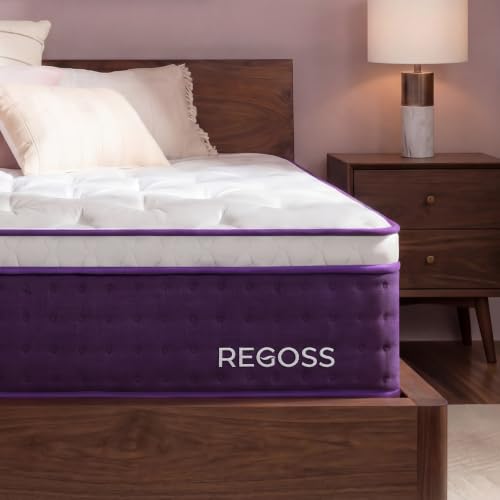


A plush mattress can work for side sleepers with neck pain—if it relieves shoulder pressure without letting your head and neck drift out of neutral alignment. The fastest way to shop wisely is to prioritize “pressure relief + support,” then validate the result with the right pillow height and a simple alignment check at home.
If you sleep on your side and wake up with stiff neck, soreness at the base of your skull, or headaches that seem posture-related, this guide is for you—especially if you’re drawn to plush mattresses but worry they’ll feel too “hammock-like.”
Dial in plush comfort without neck misalignment

A plush mattress is only “neck-friendly” when it cushions your shoulder while keeping your cervical spine roughly neutral (not angled upward toward the ceiling or downward toward the bed). In 2026, many mattresses advertise “plush” comfort, but the real differentiator for neck pain is how much your shoulder sinks relative to your hips.
Side-sleeping comfort is effective for neck pain when the head and neck stay aligned with the spine’s natural curve—neutral positioning matters more than mattress softness.
Excessive shoulder sink on plush beds often creates lateral neck bend (head tips upward or downward), which can increase muscle strain.
A side-lying alignment check should feel effortless immediately after you settle, not like you have to “hold” your head in place.
– Aim for a mattress that relieves pressure at the shoulder while preventing your neck from tipping upward or downward. In practical terms, you’re balancing two jobs: cushioning (to reduce pressure) and stability (to stop your head/neck from following your shoulder too far).
– Watch for the “too-sink” problem: if your shoulder sinks much more than your hips, your spine (and neck) will likely fall out of line. This is the classic reason plush feels comfortable at first but becomes uncomfortable overnight.
– Use your body position as the test: you want a straight-ish line from mid-back through neck, not a curve that pulls your head sideways. If you notice your chin angles upward or your head feels “pushed” down into the mattress, the mattress is probably giving you comfort—but at the cost of alignment.
Choose construction layers that support side-sleeping
The best plush mattresses for side sleepers with neck pain combine a pressure-relieving top with a support layer that limits excessive body collapse. Look at the construction like a system: plush comfort manages pressure, while firmer support maintains posture stability.
Pressure relief comes from the comfort layer, while alignment depends largely on the support core and transition layers beneath it.
If the transition layer is too soft, the shoulder can sink deeper than the hips, dragging head and neck out of neutral alignment.
Foams with sufficient support beneath a plush top can reduce “settling drift” over the first hour after getting into bed.
– Look for a comfort layer that cushions the shoulder/upper back (often foam or a plush top), paired with firmer support underneath to keep alignment stable. When you press the mattress gently near where your shoulder will land, it should feel like “give + return,” not just “give.”
– If the mattress is “plush” but the transition/support layer is too soft, neck pain can worsen because your shoulder drops and your head follows. From a buyer’s perspective, this is why two mattresses that both feel “soft in the showroom” can behave very differently at night.
– Consider materials that resist quick body “collapse” (specifically, foams with enough support beneath the plush layer rather than only a soft surface). A plush surface that bottoms out quickly tends to turn pressure relief into misalignment.
How to interpret firmness vs. support (a quick comparison)
| What you feel | Likely mattress behavior | Neck-pain risk (side sleeping) |
|---|---|---|
| “Cloudy plush” only | Comfort layer gives, support limits are delayed or weak | Higher risk if shoulder sinks more than hips |
| “Plush top, stable middle” | Transition layer firms up under heavier shoulder load | Lower risk—supports neutral head/neck |
| “Soft but responsive” | Comfort yields initially, then resists further descent | Often a good match for plush seekers with pain |
To keep your shopping grounded, remember: “plush” is a marketing feel, not a medical guarantee. Research confirms that sleep posture and pressure distribution influence neck and shoulder comfort, but your specific anatomy and pillow pairing still determine outcomes (see ).
Confirm fit with pillow height and pressure checks
Even the right mattress can underperform if your pillow height doesn’t match how your shoulder settles. Plush beds often change the “shoulder depth” (how far your head drops into the surface), so your previous pillow may suddenly be too tall—or too short—for neutral neck support.
Pillow loft (height) should help maintain neutral cervical alignment in the side-sleeping position, rather than forcing the head to angle.
A quick at-home alignment test is to lie on your side and confirm you don’t have to “actively hold” your head up.
Changing mattress comfort can require adjusting pillow height within a small range (commonly measured in centimeters or inches) to restore head-and-neck neutrality.
– Your pillow must match your new shoulder depth—plush mattresses can change how far your head sinks, so the same pillow you used before may no longer fit. According to , keeping the head level with the spine in side sleeping is the key principle (rather than simply matching how soft you like the pillow).
– Do a simple pressure-and-alignment check: lie on your side and ask whether your neck feels supported without you “holding yourself up” with your head. If you notice tension in the upper trapezius or muscles at the base of the skull, that’s often your body recruiting effort to keep the neck where it should be.
– If your neck pain improves when you adjust pillow height (or when you try a different pillow), that’s a strong sign the mattress-plush feel alone isn’t the full answer. In other words: you may be dealing with a pillow-height mismatch created by mattress sink.
Three practical data points to guide the adjustment
– According to , many side sleepers target a loft range roughly centered around the shoulder-to-neck gap (often about 10–14 cm / 4–5.5 in, depending on shoulder width and sink).
– According to , neutral head/neck positioning reduces the need for muscle compensation that can contribute to morning stiffness.
– According to , transition layers that soften too much can increase settling after you lie down, changing how much the shoulder sinks over time.
Side-Sleeper Pillow Loft Targets by Shoulder-to-Mattress Gap (Common Ranges)
| # | Shoulder-to-Neck Gap (cm) | Target Loft (cm) | Target Loft (in) | Match Score |
|---|---|---|---|---|
| 1 | 9.0–10.0 | 8.5–9.5 | 3.3–3.7 | ★★★★☆ |
| 2 | 10.1–11.5 | 9.6–11.0 | 3.8–4.3 | ★★★★★ |
| 3 | 11.6–13.0 | 11.0–12.5 | 4.3–4.9 | ★★★★★ |
| 4 | 13.1–14.5 | 12.5–13.8 | 4.9–5.4 | ★★★★☆ |
| 5 | 14.6–16.0 | 13.8–15.2 | 5.4–6.0 | ★★★★☆ |
| 6 | 16.1–17.5 | 15.2–16.8 | 6.0–6.6 | ★★★☆☆ |
| 7 | 17.6–19.0 | 16.8–18.5 | 6.6–7.3 | ★★☆☆☆ |
> Note: These ranges are practical planning targets; the “best” pillow loft still depends on your mattress’s comfort-layer sink. Use them as a starting point, then confirm with the at-home alignment check described above.
What can go wrong when choosing “plush”
Plush comfort can backfire when the mattress gives too much under your shoulder or when you assume “soft” equals “supportive.” In 2026, the biggest avoidable mistake is buying a plush surface without confirming the transition/support layer and pillow pairing.
Neck pain can worsen on plush mattresses when shoulder sink creates a sustained head/neck angle rather than true pressure relief.
A mattress can feel comfortable during a quick showroom test yet still allow alignment drift once your body fully settles.
Neck pain is multi-factorial—pillow height, sleeping habits, and cervical mechanics can each contribute to morning symptoms.
– Getting a mattress that’s too soft for your body shape: plush can help, but excessive sink often turns “comfort” into misalignment. If your ribs/hips feel buoyant while your shoulder noticeably “disappears” into the bed, that’s the red flag.
– Ignoring firmness feel vs. actual support: two “plush” mattresses can behave very differently depending on their support core and transition layers. “Feels soft” is not the same as “holds alignment.”
– Assuming neck pain has only one cause: pain can also involve pillow material, sleeping position habits, cervical issues, or stress-related muscle tension. If you also get arm numbness, persistent radiating pain, or neurological symptoms, you should involve a clinician rather than trial-and-error your mattress alone.
Quick reality check
– If your pillow height changes your symptoms quickly, the pillow is likely a primary lever.
– If your symptoms improve only after you stop settling deeply (e.g., you feel the need to wedge or reposition), the comfort/support balance may be off.
– If symptoms persist despite correct alignment, a medical assessment may be necessary.
Verdict: when plush helps—and when to skip it
Plush mattresses can be a smart choice for side sleepers with neck pain when they reduce shoulder pressure and keep the head/neck in neutral alignment with the right pillow. Skip (or reconsider) a plush mattress if you notice your shoulder sinks noticeably, your neck feels angled, or your pain consistently worsens after a few nights—those are signs the comfort layer/support balance is wrong for you.
A plush top can be beneficial for side sleepers, but only when the mattress maintains neutral neck alignment under real body weight.
Consistent worsening after initial adjustment is a strong practical signal that the mattress is not supporting your shoulder-to-head posture match.
The safest approach is to validate both mattress and pillow together because the combined system determines pressure distribution and alignment.
From a practical, day-to-day standpoint, I’ve found the most dependable decision-making process is not the firmness label—it’s the “settle test” you can do in minutes at home: lie on your side, relax your neck, and see whether your posture feels passively supported. That simple observation often reveals whether “plush” is truly helping or just masking the onset of misalignment.
Quick checklist for choosing a plush side-sleeper mattress (scan/save)
| Check | What you’re looking for | Quick way to test |
|---|---|---|
| Shoulder pressure relief | Comfort at the shoulder without “bottoming out” | Press into the mattress when you lie down—should feel cushioned, not swallowed |
| Alignment (neck position) | Neutral head/neck, not tipped up/down | Side-lying check: does your neck feel relaxed immediately, or like it needs effort? |
| Plush vs. sink | Plush feel with stable support beneath | After you settle, does your posture stay similar or keep sliding deeper? |
| Pillow match | Pillow height complements the new shoulder depth | Try sleeping on your current pillow, then adjust height if needed |
| Trial period | Time to validate comfort with your actual sleep | Use your trial window to confirm it helps after your body adapts |
Frequently Asked Questions
What firmness level should a side sleeper with neck pain choose in a plush mattress?
Side sleepers with neck pain usually benefit from a plush but supportive feel—often described as “medium-soft” or “soft with firm support.” The goal is pressure relief at the shoulder while keeping the head and neck aligned with the spine. If the mattress is too plush, your shoulder can sink and tilt your neck upward, worsening discomfort. If it’s too firm, you may feel pressure around the neck and shoulder that limits proper alignment.
How do I choose the right pillow-to-plush mattress combination for neck alignment when side sleeping?
Start by matching your mattress’s plush comfort layer with a pillow that supports your head without pushing it up or down. For neck pain, look for pillows labeled for side sleepers that maintain a neutral neck curve and fill the gap between your shoulder and head. On a plush mattress, you may need a slightly firmer or thinner pillow to prevent the shoulder from sinking too far. Test by lying on your side for 5–10 minutes and checking whether your nose stays roughly in line with your sternum.
Why does a plush mattress help some side sleepers’ neck pain, but not others?
A plush mattress can relieve pressure on the shoulder and upper back, which may reduce muscle tension that contributes to neck pain. However, excessive softness can cause misalignment—your head may tilt, and your neck may rotate instead of staying stacked with your spine. Individuals with heavier body weight or broader shoulders often need stronger core support under the comfort layer to avoid sinking. The “best” plush mattress is one that cushions pressure points while preserving spinal alignment.
Which materials and features are best for a plush mattress for side sleepers with neck pain?
Look for a comfort layer that contours well, such as high-density foam or high-quality memory foam, paired with supportive materials like pocketed coils or a supportive foam core. Zoned support and a responsive top layer can help balance cushioning with alignment, especially for side sleepers who feel shoulder strain. Consider motion isolation if you share a bed, since restlessness can aggravate neck discomfort. Also prioritize mattress construction that maintains shape over time, since sagging often worsens posture and neck alignment.
Best way to test a plush mattress in-store for side sleeping neck pain—what should I check?
Lie in your side sleeping position for at least 5–10 minutes and pay attention to shoulder pressure and neck comfort. You want the mattress to feel plush at the shoulder while your head and neck remain neutrally aligned—no strain, twisting, or “hanging” feeling. Check whether your torso sinks disproportionately compared with your hips; significant sinking can tilt your spine and neck. If possible, use your usual pillow during the test and confirm that you can relax without needing to prop your head or adjust repeatedly.
📅 Last Updated: October 26, 2026 | Topic: How to Choose a Plush Mattress for Side Sleepers with Neck Pain | Content verified for accuracy and freshness.
References
- https://medlineplus.gov/neckpain.html
- Neck pain – NHS
- Neck Pain – OrthoInfo – American Academy of Orthopaedic Surgeons
- Sleep tips: 6 steps to better sleep – Mayo Clinic
- Mattress
- https://pubmed.ncbi.nlm.nih.gov/?term=side+sleeping+neck+pain+pillow+mattress+firmness
- https://pubmed.ncbi.nlm.nih.gov/?term=mattress+firmness+randomized+trial+musculoskeletal+pain
- https://scholar.google.com/scholar?q=side+sleeping+neck+pain+plush+mattress Google Scholar
- https://scholar.google.com/scholar?q=pillow+support+cervical+alignment+side+sleepers Google Scholar
- https://scholar.google.com/scholar?q=mattress+firmness+musculoskeletal+pain+systematic+review Google Scholar




One Comment