

How to Choose a Cooling Mattress for Side Sleepers with Allergies
Choosing the best cooling mattress for side sleepers with allergies comes down to one verdict: prioritize a cooling, breathable mattress with a sealed, hypoallergenic barrier to block irritants while keeping temperatures down. If you’re allergic and you sleep on your side, the winning pick is typically an all-foam or latex model with allergy-certified materials, low-dust construction, and strong airflow. We’ll show you exactly what to look for—cooling tech, allergen defenses, and side-sleeper pressure relief—so you can buy with confidence.



A cooling mattress won’t help much if it traps allergens—so you’re looking for breathable temperature control and a barrier-first sleep setup. For side sleepers, the key is also pressure-relieving support that prevents deep sinking (which can create a warmer, more “sealed-in” contact area where allergens and heat both build).
If you’re a side sleeper dealing with dust mites, sensitivities to fibers, or general allergy flare-ups at night, this is for you—especially if your current mattress feels hot, feels “stuffy,” or triggers symptoms after you’ve been lying still.
Cooling features to prioritize for side sleepers
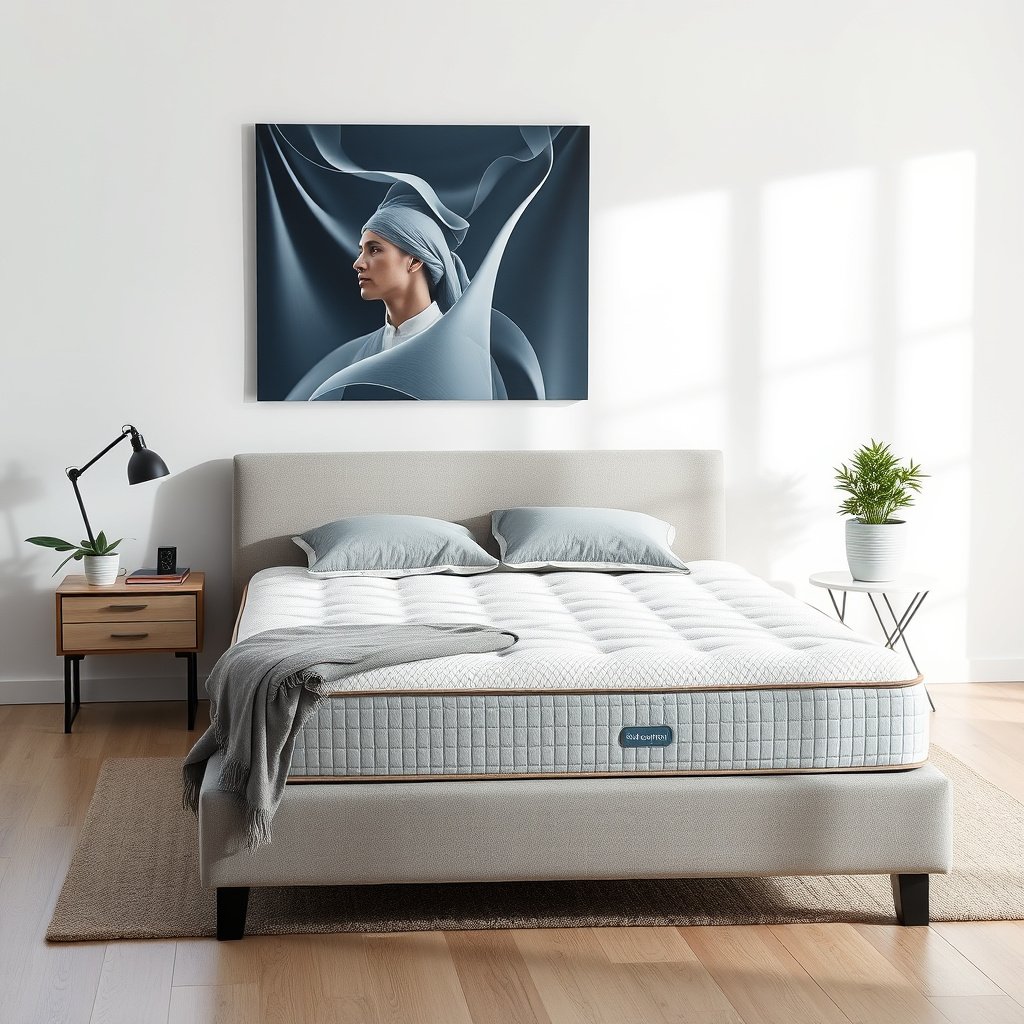
A cooling mattress for side sleepers with allergies works best when it reduces heat at the surface you touch—rather than relying on vague “cooling” marketing. In practice, that means breathable covers, airflow-friendly layers, and designs that don’t trap heat near your shoulder and hip while you’re sleeping (especially if you tend to stay in one position).
Breathable, removable mattress covers help reduce the “trapped heat” effect that can worsen sleep comfort on many foam surfaces.
When a mattress cooling claim doesn’t explain the mechanism (airflow, heat-wicking fibers, phase-change materials), it’s harder to verify that you’ll actually sleep cooler.
Cooling performance is strongly affected by bedding thickness (sheets, toppers, and blankets) because insulation can override mattress-level heat-control features.
– Look for airflow-friendly construction (e.g., breathable covers, ventilated layers, or designs that don’t trap heat against your body).
Side sleepers typically compress the mattress most at the shoulder and hip, so those zones need both airflow and comfort. If the cover is tightly woven without ventilation or the comfort layer is dense and non-ventilated, heat can build where your body contacts the surface.
– Prefer “surface cooling” over gimmicks: if the product doesn’t explain what creates the cooler sensation (breathability, heat-wicking cover, phase-change materials, etc.), it’s harder to verify.
“Cool-to-the-touch” fabrics sometimes feel cool for a few minutes and then become neutral; long-term comfort depends on continued heat dissipation. In 2026, many listings still skip clear descriptions—look specifically for what’s doing the cooling (fabric type, airflow channels, fiber behavior, or tested standards from the brand).
– Match cooling to your climate and bedding—a mattress that cools on paper may feel warmer once you add thick toppers/blankets.
If you live in a humid climate, you’ll also care about humidity control (for dust mites) in addition to temperature. If you use a thick topper, confirm it’s compatible with airflow (vented foam or breathable covers) so you don’t create a warm, low-air-exchange layer over the mattress.
What “cooling” should look like in a listing (quick scan)
A cooling mattress for side sleepers with allergies should describe the “how,” not just the “what.” For example, a breathable cover should name the fabric characteristics (such as knitted airflow weave or moisture-wicking fiber blend), and a foam system should explain whether it’s ventilated or structured to move air.
Allergy-friendly construction and barrier protection
A cooling mattress for side sleepers with allergies should include barrier protection that limits where allergens land and how long they stay. Even the best heat-control design can backfire if the sleep surface is hard to wash or doesn’t reduce dust-mite exposure.
Dust-mite allergy control commonly relies on reducing exposure on bedding and using allergen-proof (barrier) coverings where appropriate.
A removable, washable cover is one of the most practical ways to keep allergen load down on the surface that your face, arms, and torso touch nightly.
HEPA filtration can reduce airborne particle levels, which matters because allergens can move from bedding into the room air during routine disturbance (making the bed, vacuuming, etc.).
– Choose a removable, washable mattress cover (and confirm the cover’s care instructions—especially wash temperature recommendations).
Washing isn’t just about “clean.” It’s about resetting allergen load on the sleep surface. For dust-mite control, CDC guidance commonly emphasizes laundering bedding using hot water at a temperature that reduces dust mites and removing them from the environment. According to the U.S. Centers for Disease Control and Prevention (CDC), washing bedding in hot water (at least 130°F / 54°C) is part of dust-mite control guidance (). Always follow the mattress cover’s own care label so you don’t compromise the barrier.
– Use an allergen-rated encasement if dust mites are the issue: a zippered barrier can reduce allergen exposure even when the mattress itself isn’t fully sealed.
A mattress encasement is especially relevant if your current “cooling” mattress has a comfort layer that can’t be fully sealed from allergens. Look for fully zippered coverage, smooth internal seams, and material designed to be impermeable to allergens while still being breathable enough for comfort.
– Check for low-odor / low-emissions options using certification info (for foam products, look for documentation aligned with CertiPUR-US-style emission limits, and for textiles, look for Oeko-Tex-style testing statements—see Sources).
Allergy-prone sleepers often have sensitivities beyond dust mites (including irritation from odors or volatile compounds). Certification frameworks like CertiPUR-US (low VOC/emissions standards for qualifying foams) and OEKO-TEX (textile testing/certification) provide a higher-confidence way to screen for sensitive sleepers (; ). In 2026, many brands link to these documents—if they don’t, that’s a red flag for transparency.
Dust-Mite Control Steps: Barrier Strength Targets & Screening Signals (U.S. guidance)
| # | Control step | Key numeric target / standard | Most relevant trigger | Barrier potential |
|---|---|---|---|---|
| 1 | Allergen-proof mattress encasement | Fully zippered barrier (coverage design) | Dust mites in mattress | ★★★★☆ |
| 2 | Washable, removable cover | Hot-water washing when fabric allows (≥130°F / 54°C) | Allergen load on surface | ★★★☆☆ |
| 3 | Humidity reduction for mites | Indoor relative humidity <50% RH | Dust mite habitat | ★★★☆☆ |
| 4 | High-heat drying after laundering | Dry on high heat (manufacturer/fabric dependent) | Dust mites on bedding | ★★★☆☆ |
| 5 | HEPA vacuuming for room/dust control | HEPA standard: captures ≥99.97% of 0.3 µm particles | Airborne allergen movement | ★★☆☆☆ |
| 6 | Non-washable “one-piece” mattress covers | No label-confirmed laundering pathway | Surface allergen persistence | ★☆☆☆☆ |
| 7 | Low-emissions foam and tested textiles | Cert. documentation aligned with foam/textile programs | Odor/irritant sensitivities | ★★★☆☆ |
Note: “Barrier potential” above reflects how completely the sleep system can physically limit allergen access based on design and maintainability. It’s not a medical guarantee of symptom outcomes.
Side-sleeper support that reduces heat buildup
A cooling mattress for side sleepers with allergies should support your spine without letting you sink so deeply that you compress and trap heat. In most cases, that balance comes from the right firmness plus a comfort layer that cushions the shoulder/hip without collapsing excessively.
Side sleeping amplifies pressure and airflow sensitivity at the shoulder and hip, so pressure relief and breathability must work together.
If a mattress is too soft, deep compression can reduce airflow and increase the “contact area” where heat accumulates.
Cooling is easier to feel when you’re not constantly shifting—pressure relief reduces micro-movements that disrupt comfort and airflow.
– Get the right firmness for your shoulder/hip alignment: side sleeping is sensitive to “too soft” versus “too firm.”
“Too soft” often means you sink past the point of comfortable cushioning; “too firm” can leave your shoulder unsupported, increasing pressure. Your goal with a cooling mattress for side sleepers with allergies is neutral spine alignment—so your body doesn’t create a deep, low-air gap under your heaviest contact points.
– Prioritize pressure relief where you contact the mattress: cooling is easier to feel when you’re not constantly re-adjusting.
When you’re uncomfortable, you move, twist, and re-settle. Those shifts can also increase allergen disturbance (dust and particulates can move when bedding is shaken or adjusted). Strong pressure relief supports longer, steadier sleep—meaning you spend more hours in the “ideal temperature” zone instead of chasing comfort.
– Avoid thick comfort stacks that can trap warmth unless they’re paired with breathable materials and an airflow-friendly cover.
Many mattresses use tall comfort layers for softness, but thickness alone doesn’t guarantee breathability. If the comfort layer is dense and not ventilated, it can trap heat under your torso. In 2026, the most helpful listings clarify whether the comfort layer is designed for airflow.
The practical side-sleeper test (without guessing)
Look for descriptions of how the mattress supports side sleepers: whether they mention zoned support, supportive cores, or a comfort layer engineered to cushion without excessive sink. If the brand provides a firmness range or side-sleeper guidance, use it as a starting point—but confirm return/warranty terms so you can adjust if your shoulder pressure is too high.
What to verify before you buy (specs + setup)
A cooling mattress for side sleepers with allergies only performs as advertised when the full sleep system—mattress, protector, sheets, and toppers—matches the intended airflow and barrier plan. Before you commit, verify the listing details and plan for your setup so you don’t accidentally block breathability or make cover washing difficult.
The mattress cover’s material and care instructions determine both temperature comfort and whether you can reliably launder allergen-reducing layers.
Cooling claims are most meaningful when the product explains layer-by-layer mechanisms (air channels, ventilated foam, heat-wicking fabric) rather than using broad “cooling” wording.
Your sheets and mattress protector can add thermal insulation and change both heat retention and allergen exposure on the top surface.
– Confirm cooling claims in the product details: look for specifics like cover material (breathable fabric type), whether layers are ventilated, and whether any cooling tech is described clearly.
If a brand only says “advanced cooling” but won’t say what creates it, treat the claim as unverified. A trustworthy listing connects the cooling experience to materials, airflow engineering, or functional fabric performance.
– Check dimensions, height, and compatibility with your bed frame: side sleepers often use pillows and positioning aids that change how the mattress “settles.”
Height affects whether your pillow loft changes your neck alignment—and comfort changes can impact heat. Also ensure your mattress doesn’t bow excessively on your frame; uneven support can increase pressure points.
– Plan for the full “sleep system”: sheet fabric, protector type, and any topper all influence both temperature and allergy exposure—so verify washing and breathability there too.
If you add a thick, non-breathable topper “to cool,” you may actually reduce airflow. For allergy-prone sleepers, also confirm whether your protector is breathable and washable, so you can reduce allergen load without compromising comfort.
Quick pros/cons check you can run mentally
A cooling mattress for side sleepers with allergies is usually a “system” decision. Here’s how to compare common paths:
| Path | Pros | Cons |
|---|---|---|
| Cooling-first (minimal barriers) | Potentially cooler surface; simpler setup | Doesn’t reliably address dust-mite or fiber triggers |
| Barrier-first + breathable cooling | Better allergen control on the sleep surface; improved consistency | More maintenance (washing/encasement care); slight feel changes |
What can go wrong (and how to avoid it)
A cooling mattress for side sleepers with allergies can still fail if you treat cooling and allergen control as separate problems. The most common issues are avoidable: skipping barriers, using non-washable protectors, adding thick layers that trap heat, or relying on unclear “cooling tech” claims.
Cooling materials do not automatically prevent dust-mite allergen exposure, so you still need washable and/or barrier-focused bedding protection.
If a mattress protector can’t be laundered at the recommended intervals, allergen load can accumulate despite a “cooling” mattress.
Over-layering can reduce airflow and increase heat retention, even when an individual topper claims cooling.
– Assuming “cooling” = allergen control: cooling materials don’t automatically prevent dust mites or fiber-related triggers; you still need barrier protection and washable layers.
A cooling mattress for side sleepers with allergies may keep you comfortable—but symptoms can still spike if dust mites, pet dander, or irritating fibers remain on bedding and the sleep surface.
– Using non-washable protectors: if you can’t launder the top surface regularly (per the label), allergens can build up.
This is a setup failure more than a mattress failure. If your protector is “water-resistant” but not washable, confirm your maintenance plan before you rely on it as your allergy layer.
– Choosing comfort over sealing for dust-mite allergies: if dust mites are a major trigger, skipping encasements/cover protection can undermine even a great mattress’s cooling performance.
If you’re dust-mite sensitive, think of an encasement as part of your temperature strategy—not an optional add-on.
– Overcomplicating with multiple toppers: extra layers can reduce airflow and make the mattress feel warmer, even if one layer is marketed as “cooling.”
Two or three toppers can create a “microclimate” that feels warmer than the base mattress.
– Ignoring scent/venting guidance: many mattresses release a new-product odor temporarily—follow the manufacturer’s guidance for airing time instead of guessing.
If you’re sensitive to odors, treat “airing” as part of your allergy and comfort routine. In 2026, you’ll see many brands include venting instructions; follow them.
Most common mistake summary (quick reference)
Here’s the simplest way to avoid buying the wrong cooling mattress for side sleepers with allergies:
| Mistake | What it looks like | Fix |
|---|---|---|
| No washable barrier | You can’t remove or launder the surface layer | Choose removable cover or washable protector |
| Cooling-only mattress | “Cool” feel but allergy flare-ups continue | Add encasement and confirm washability |
| Too many layers | Warmth increases after adding toppers | Use fewer layers; choose breathable topper + cover |
Verdict: what to buy (and who should skip this approach)
If you’re an allergy-prone side sleeper, the best bet is a cooling mattress with (1) a breathable, removable cover and/or clearly described airflow features plus (2) an allergen barrier strategy (washable cover and, when needed, an allergen-rated encasement). The downside is that the most allergy-friendly setups can add steps (washing, encasement upkeep) and slightly change mattress feel—especially if you add a protective cover that’s thicker than expected.
You may want to skip this “cooling + allergy-first” approach if:
– Your allergy symptoms are triggered by something other than what bedding affects (e.g., mold elsewhere in the home), or
– You know you won’t keep up with washable barriers/encasement cleaning routines.
Here’s a scan-and-save checklist for your next search:
| What to look for | Why it helps side sleepers with allergies | What to verify in the listing/specs |
|---|---|---|
| Removable, washable cover | Reduces allergen exposure on the surface | Cover removal + exact washing instructions |
| Breathable/airflow-focused materials | Helps prevent heat from accumulating where you lie | Fabric description + ventilation/air channels details |
| Allergen encasement (when needed) | Helps with dust-mite allergy control | Zippered/fully encasing design + “allergen” claims |
| Low-emissions/low-odor certifications (where applicable) | Supports sensitive sleepers concerned with smells | Foam/textile certification statements (e.g., CertiPUR-US/OEKO-TEX) |
| Support for neutral spine | Reduces shifting, pressure, and “warm contact” compression | Firmness guidance + layer descriptions for side sleepers |
| Bedding compatibility | Protectors/sheets affect both heat and allergens | Sheet/protector material + care instructions |
Sources:
– U.S. Centers for Disease Control and Prevention (CDC) — guidance on dust mites and allergy control measures (official CDC page).
– CertiPUR-US — product testing standards/requirements for low VOC emissions in qualifying foam (official program documentation).
– OEKO-TEX — textile testing and certification program information (official program documentation).
– Manufacturer specifications for mattress materials, cover composition, and care instructions (use the specific brand’s product page/spec sheet for wash/encasement compatibility).
Frequently Asked Questions
How do I choose a cooling mattress for side sleepers with allergies?
Look for a cooling mattress designed for temperature regulation, typically using breathable, phase-change, or moisture-wicking materials that help reduce heat buildup along the shoulders and hips. For allergies, prioritize hypoallergenic covers and dust-mite resistant layers, ideally with low-VOC and tightly woven fabrics that block common allergens. Side sleepers also need pressure relief, so choose adaptive foam or targeted support that keeps the spine aligned without causing hotspots.
Which cooling mattress materials are best for allergy sufferers who sleep hot?
Cooling mattresses often use breathable knit covers, gel-infused foams, copper or graphite components, or phase-change materials that draw heat away from the body. For allergies, consider materials with antimicrobial or dust-mite barriers and covers that are easy to remove and wash when possible. If you’re sensitive to strong odors, choose low-odor or CertiPUR-US-type foams to reduce chemical irritation while still supporting temperature comfort.
What features should I look for in a mattress that stays cool and doesn’t trigger allergies?
Focus on a breathable top layer plus airflow-supportive construction so heat can escape instead of pooling, especially in shoulder and hip zones for side sleepers. Choose an allergen-friendly encasement or mattress cover that is specifically dust-mite resistant, with sealed seams to limit allergen entry. Washing guidelines matter too—select a cover you can clean regularly to reduce dust and pollen buildup.
Why do side sleepers feel hotter on some cooling mattresses, and how can I prevent it?
Side sleepers often create deeper body impressions at the shoulder and hip, which can trap heat if the mattress uses heat-retentive materials or lacks airflow. To prevent overheating, choose a mattress with strong pressure relief plus cooling technology that promotes airflow or actively manages temperature, like phase-change layers or breathable foams. Pair it with allergy-conscious bedding—such as a breathable, hypoallergenic pillow and a washable fitted sheet—to further reduce heat and allergen exposure.
What is the best cooling mattress type for side sleepers with allergies: hybrid, memory foam, or latex?
A hybrid cooling mattress (foam/latex comfort layers over a supportive coil base) is often a strong option because coils enhance breathability and airflow while providing targeted pressure relief for side sleepers. Memory foam can be effective for contouring, but it’s best when paired with cooling features like breathable covers or gel/phase-change layers to avoid heat buildup. Latex is naturally more breathable and can be allergen-friendlier when it includes a dust-mite resistant cover, though “best” depends on your sensitivity and whether you prefer a softer or more responsive feel.
📅 Last Updated: October 26, 2026 | Topic: How to Choose a Cooling Mattress for Side Sleepers with Allergies | Content verified for accuracy and freshness.
References
- https://www.cdc.gov/parasites/dustmites/index.html
- Allergies – Symptoms and causes – Mayo Clinic
- https://www.epa.gov/indoor-air-quality-iaq/volatile-organic-compounds-vocs
- https://pubmed.ncbi.nlm.nih.gov/?term=dust+mite+impermeable+mattress+covers+allergen+reduction
- https://pubmed.ncbi.nlm.nih.gov/?term=bedding+surface+temperature+sleep+thermoregulation+review
- https://pubmed.ncbi.nlm.nih.gov/?term=side+sleeping+pressure+redistribution+mattress+foam+comfort
- https://scholar.google.com/scholar?q=how+to+choose+a+cooling+mattress+for+side+sleepers+with+allergies Google Scholar
- https://scholar.google.com/scholar?q=dust+mite+allergen+mattress+encasement+impermeable+cover+randomized+trial Google Scholar
- https://scholar.google.com/scholar?q=memory+foam+volatile+organic+compounds+off+gassing+health Google Scholar




2 Comments