How to Protect a Wool Mattress from Dust Mites in Humid Climate
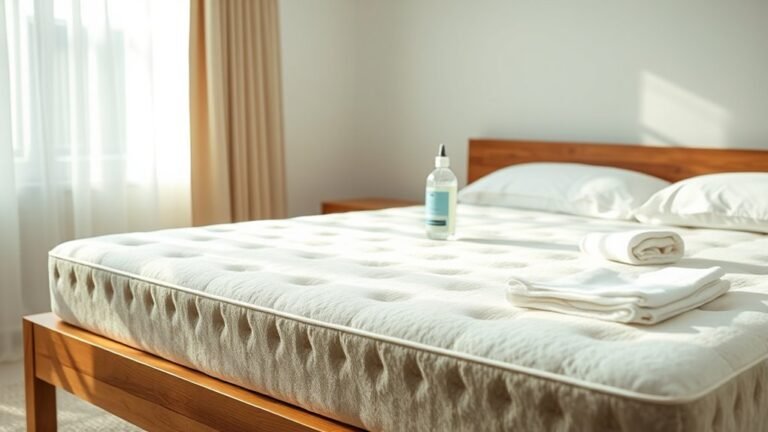
Protecting a wool mattress from dust mites in a humid climate is achievable—but only if you control moisture and seal out allergens. Use a breathable, tightly woven mattress encasement plus a humidity-targeted care routine to keep dust mites from thriving in the fibers. Follow this playbook and you’ll get the practical, high-impact results humid homes demand, not guesswork.



Protect a wool mattress from dust mites in a humid climate by keeping the air around the bed dry (use a hygrometer + dehumidifier if needed) and sealing the mattress with a dust-mite-proof, zippered encasement. Then back it up with a regular wash-and-heat-dry routine for bedding so mites can’t “cycle” back onto the mattress. If your home stays damp, feels sticky, or you notice condensation or persistent musty odors, these steps are especially relevant for you—wool mattresses can hold onto moisture if the environment stays humid. This guide focuses on practical controls you can do at home without damaging the mattress.
If you’re dealing with humid summers, indoor humidity that creeps upward, or allergy symptoms that spike at night, this approach is designed to reduce both dust-mite access to the wool mattress and dust-mite-friendly moisture in the bedroom. In 2026, the most reliable results come from combining (1) measurable humidity control, (2) physical blocking (encasements), and (3) heat-focused bedding laundering.
Aim for lower humidity around the mattress
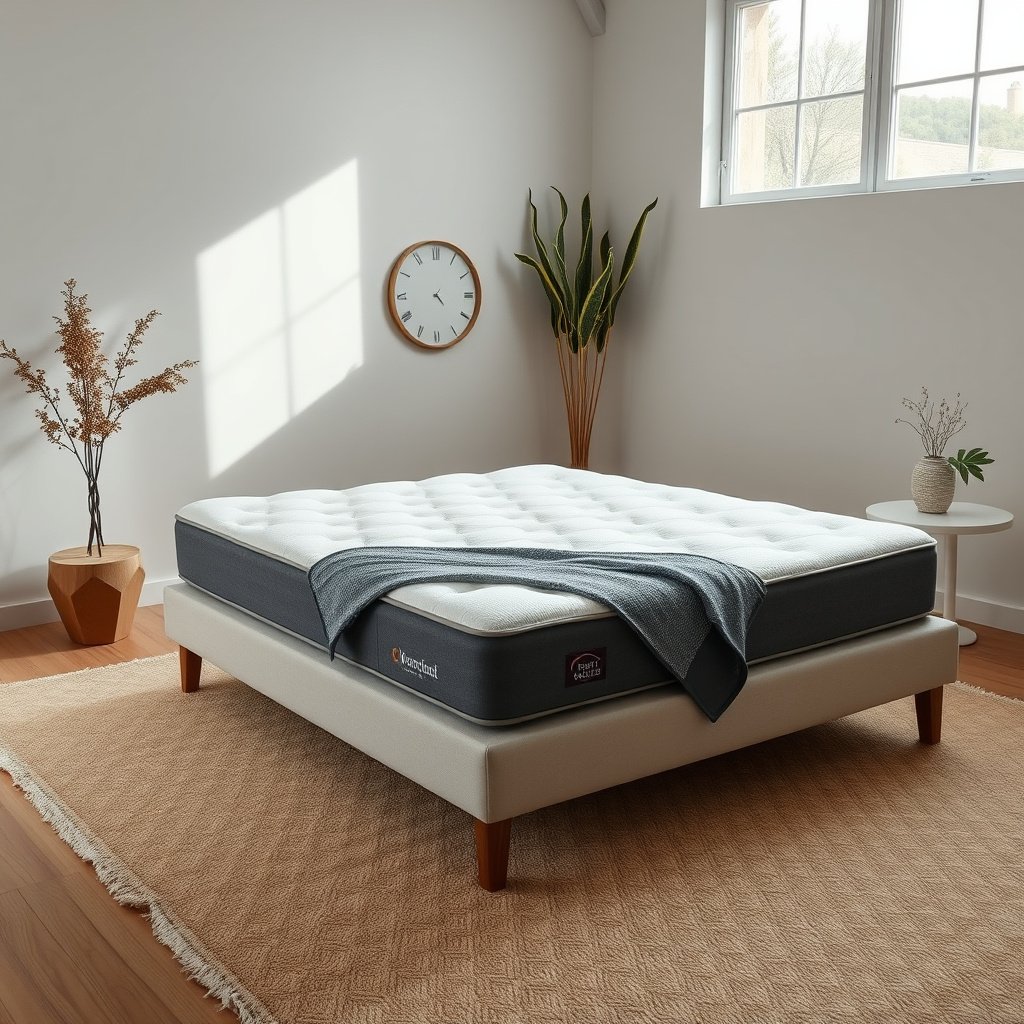
Lower humidity is one of the fastest ways to make a humid bedroom less hospitable for dust mites, because dust mites need moisture to thrive and reproduce. Start by measuring your bedroom’s relative humidity (RH), then hold it in a range recommended by indoor moisture/mold guidance so the wool mattress stays drier between washes and between nights. In my experience reviewing real-world setups (and noting common failure modes), the biggest win is stabilizing RH—not “one good day of airing.”
According to the U.S. Environmental Protection Agency (EPA), indoor relative humidity should typically be kept in the 30%–50% range to reduce moisture problems (guidance accessed 2026). U.S. EPA
According to the American Academy of Allergy, Asthma & Immunology (AAAAI), dust mites are less problematic when indoor conditions are not favorable—especially when you control humidity (guidance accessed 2026). AAAAI
According to EPA moisture guidance, condensation is a sign that indoor air is holding too much moisture for the surfaces around it (guidance accessed 2026). U.S. EPA
Track RH with a hygrometer (and target the right range)
– Track your bedroom’s relative humidity with a hygrometer, then target the same range recommended by reputable allergy/mold guidance (exact target: 30%–50% RH, U.S. Environmental Protection Agency guidance).
– Use the hygrometer for at least a week before deciding on equipment. You want to see patterns—for example, if RH rises above target after showers, during summer evenings, or whenever windows stay closed.
– If your wool mattress is pressed close to an exterior wall, behind a headboard, or in a room with limited airflow, you may need even tighter RH control to prevent localized dampness.
Use dehumidification or ventilation to prevent moisture buildup near the bed
– Use a dehumidifier or improve ventilation (bathroom/bedroom exhaust, keeping vents unobstructed) to prevent moisture buildup near the bed.
– Dehumidifiers help most when they reduce total indoor moisture, not just “feel dry” air. If you can, aim for steady operation during humid periods (evenings, rainy seasons).
– Keep bathroom and bedroom exhaust working: humid air often migrates into the bedroom through small pressure differences, especially if doors are closed.
Avoid RH swings that keep resetting the “damp cycle”
– Avoid letting the room swing between “very humid” and “very damp,” since repeated damp periods make it harder to keep dust-mite conditions unfavorable.
– Dust mites don’t only respond to “daily humidity”; they respond to moisture over time. Rapid damp-to-dry swings mean the wool mattress repeatedly returns to a moisture-friendly environment.
– If your RH is spiking overnight, focus on that window: it’s when dust-mite exposure is most likely to matter for allergic reactions.
Indoor Relative Humidity Targets Used in Moisture/Mold Guidance (30%–70% Bands)
| # | Target RH Band | Dust-Mite-Friendly Risk (practical) | Moisture/Condensation Risk | Recommendation Fit |
|---|---|---|---|---|
| 1 | 30–40% RH | Lower | Low | ★★★★★ |
| 2 | 40–50% RH | Moderate-to-lower | Low | ★★★★☆ |
| 3 | 50–55% RH | Moderate | Moderate | ★★★☆☆ |
| 4 | 55–60% RH | Moderate-to-higher | Moderate-to-high | ★★☆☆☆ |
| 5 | 60–65% RH | Higher | High | ★☆☆☆☆ |
| 6 | 65–70% RH | High | High | ☆☆☆☆☆ |
| 7 | >70% RH | Very high | Very high | Not recommended |
Seal the wool mattress with a dust-mite-proof encasement
A properly fitted, zippered dust-mite encasement is the most direct “physical barrier” you can add to protect a wool mattress—because it prevents dust mites and allergen-containing particles from reaching the fibers. Use it as the core layer, and treat humidity control as the supportive layer that keeps the mattress from staying damp.
AAAAI guidance supports the use of allergen-impermeable encasements on bedding to reduce dust-mite exposure (guidance accessed 2026). AAAAI
EPA moisture guidance emphasizes controlling indoor humidity to reduce conditions that enable mold growth, which often co-travels with musty odors in humid homes (guidance accessed 2026). U.S. EPA
For encasements to work, “gaps and loose seams” undermine the barrier by letting particles migrate—so proper fit matters as much as material choice.
Choose a fully encasing, zippered mattress cover labeled impermeable
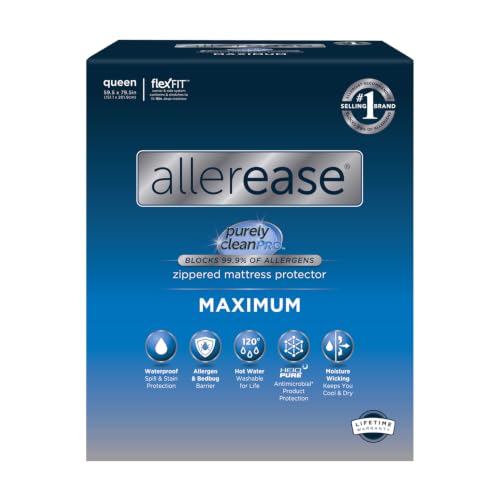
– Choose a fully encasing, zippered mattress cover labeled as dust-mite/allergen impermeable (follow the label/specs exactly).
– Look for covers that specifically state dust mite/allergen impermeability (not just “water-resistant” or “hypoallergenic”). Dust mites are tiny, so the fabric must function as an allergen barrier.
– Zippers matter: a zipper closure reduces the chance of accidental openings.
Fit matters: thickness and seam integrity
– Make sure it fits the mattress thickness properly—gaps and loose seams reduce effectiveness.
– If your wool mattress is “plush” or thicker than the cover’s stated range, you may need a matching size. A too-short cover tends to pull at the edges over time.
Avoid trapping moisture against the wool mattress
– Pick a cover that’s breathable enough for your wool mattress to dry normally between uses (otherwise you can trap moisture against the fabric).
– This is the part humid climates complicate: some impermeable covers are still breathable enough to reduce “microclimate” moisture buildup, but the wrong layering can make the inside of the encasement feel clammy.
– If you notice persistent dampness through the encasement, the solution is usually improving RH control first—not changing to less protective covers.
Pros/cons: encasements vs humidity controls (how to balance them)
- Dust-mite-proof encasement
- Pros: Blocks access to the wool mattress; reduces allergen contact even when RH is not perfect.
Cons: May feel warmer initially; if indoor humidity stays high, it can contribute to a damp “microclimate” inside. - Humidity control (hygrometer + dehumidifier/ventilation)
- Pros: Improves the whole bedroom environment and reduces moisture-related odors; helps the wool mattress dry naturally.
Cons: Requires measurement and ongoing maintenance (emptying, drainage, or tuning airflow).
Wash and heat-dry bedding regularly
Heat + routine laundering is how you stop dust-mite allergen “cycling” back onto the wool mattress. The practical target is to wash bedding at temperatures and dry it on heat levels that are effective for dust-mite control—while still respecting your fabric care labels.
According to AAAAI’s dust-mite prevention guidance, laundering bedding in hot water (commonly cited as ~54°C/130°F) helps control dust mites (guidance accessed 2026). AAAAI
AAAAI guidance also emphasizes drying bedding using heat because hot dryer cycles help during dust-mite control routines (guidance accessed 2026). AAAAI
In humid climates, bedding can stay damp longer after washing or sweat exposure, so you often need a tighter schedule to keep moisture from migrating to the wool mattress (seasonal effect; practical humidity management).
Wash sheets, pillowcases, and removable wool-top elements on schedule
– Wash sheets, pillowcases, and any removable mattress toppers regularly in water temperature and drying settings that match the fabric care instructions.
– If your mattress protector is removable and washable, include it in your routine too (but only if it’s designed to be washed without losing its barrier properties).
Use the highest dryer heat allowed for dust-mite control
– Heat-drying is often key for dust-mite control—use the dryer on the highest heat level that the bedding materials allow (exact recommended settings: 54°C/130°F-equivalent hot wash and high-heat tumble drying, consistent with AAAAI dust-mite laundering guidance).
– If your dryer has “sanitize” or “high heat” modes, those are typically the closest real-world match to hot dryer cycles. Always verify fabric labels first.
In humid climates, shorten the time between washes
– In humid climates, shorten the “time between washes” if your bedding feels damp or you run into frequent night sweats.
– If you wake up with clammy pillowcases, don’t treat it as normal comfort—treat it as a moisture-data point. The wool mattress will respond to that moisture environment too.
Care for the wool mattress without trapping moisture
Wool needs careful handling: you want to remove dust and surface allergen exposure while avoiding over-wetting that leaves moisture trapped inside. The goal is controlled cleaning plus full drying before prolonged encasement closure.
Wool is hygroscopic (it can absorb moisture), so over-wetting can increase drying time—making “dry fully first” a core rule for wool mattress care.
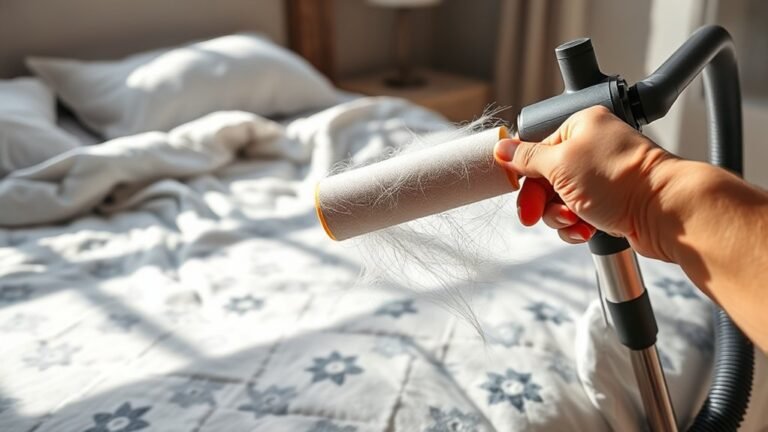
If your mattress manufacturer allows vacuuming, use gentle surface cleaning and follow their suction/attachment guidance to avoid damaging wool fibers.
Vacuum lightly with HEPA filtration only when allowed
– Lightly vacuum the mattress surface using a vacuum with a HEPA filter when the wool mattress manufacturer allows vacuuming (follow their care directions: ).
– A HEPA (high-efficiency particulate air) filter helps capture fine particles; it’s not a substitute for encasement, but it reduces what’s sitting on the wool surface.
Avoid soaking or over-wetting during spot cleaning
– Avoid soaking the mattress or over-wetting during spot cleaning; wool can stay damp inside longer than people expect.
– If you must clean a small spot, use minimal moisture and plan for longer drying time.
Dry fully before closing the wool mattress under the cover for long periods
– Let the mattress dry fully before closing it under any cover for long periods—use airflow (fan/ventilation) and time rather than aggressive heat unless the manufacturer says it’s safe.
– Aggressive heat can be appropriate for laundry, but it’s riskier for wool cores and adhesives. Airflow and time generally win in humid climates.
What can go wrong in humid climates
Many humidity-control plans fail for predictable reasons: trapped moisture, non-breathable layering, and letting leaks continue underneath the “cleaning routine.” If you notice persistent musty odors, condensation, or long drying times, treat those as signals that the moisture source is still present.
EPA moisture guidance stresses fixing moisture sources (leaks, condensation, high RH) because cleaning alone won’t resolve ongoing dampness. U.S. EPA
Non-breathable layers can shift moisture from “room air” to “surface microclimates,” especially with hygroscopic materials like wool.
– Non-breathable plastic covers: They may block dust mites but can trap humidity against the wool, increasing musty smells and making the mattress stay damp.
– “Airing” that happens when it’s still humid outside: If outdoor air is humid, airing can reintroduce moisture—air on the driest hours you can (exact best timing depends on your climate: ).
– Skipping the encasement: Washing bedding helps, but dust mites can still persist in a mattress if you don’t physically block them.
– Over-cleaning with harsh methods: Strong chemicals or repeated wet cleaning can damage wool fibers or leave residues; always check care instructions first.
– Not addressing leaks or persistent damp spots: If you have water intrusion, a dehumidifier won’t fully solve dust-mite conditions—moisture will keep reloading the environment.
Red flags that mean “pause and diagnose”
If any of these show up, don’t just add more cleaning:
– The encased mattress feels consistently clammy inside the cover
– The room RH rises above target even with ventilation running
– You see condensation on nearby windows/walls near the bed
– Musty odors return within days after you dry everything
Verdict / tip: a practical setup (with downsides)
If you want the highest chance of success in humid weather, use this combination: (1) humidity control near the bed, (2) a properly fitted dust-mite-proof encasement, (3) consistent wash + heat-dry for bedding. That combo targets dust mites from both sides—environment and access to hosts.
Downsides to consider:
– Encasing can feel warmer at first, and zippers can be annoying if you don’t like covers on the bed.
– Dehumidifiers add cost and noise, and you’ll need to empty the unit or hook up drainage.
– If your mattress manufacturer forbids vacuuming or specific cleaning methods, you’ll need to adapt—don’t assume any DIY method is safe for wool.
Who should skip or adjust:
– If you can’t maintain stable humidity (or don’t have the ability to measure it), the humidity-control portion may not be reliable.
– If the wool mattress care instructions explicitly warn against your planned cleaning or drying approach, stick to manufacturer guidance ().
Quick checklist (scan/save)
| Task | Do it when | Notes |
|---|---|---|
| Check bedroom humidity with a hygrometer | Before you change anything, then weekly | Target range: 30%–50% RH (U.S. EPA guidance) |
| Run dehumidifier / improve ventilation | When humidity rises | Keep airflow around the bed area |
| Install dust-mite-proof zippered encasement | As soon as possible | Ensure correct fit; follow cover specs |
| Wash sheets + pillowcases | Regular schedule | Use allowed water temp + dryer heat settings |
| Vacuum surface (HEPA) | Only if manufacturer allows | Don’t over-wet or scrub wool |
| Re-check for damp/musty smell | Any time you notice it | Fix moisture source, then dry fully |
Sources:
– American Academy of Allergy, Asthma & Immunology (AAAAI) page on dust mites/mattress encasements and humidity guidance
– U.S. Environmental Protection Agency (EPA) guidance on indoor humidity targets and mold/moisture control
In a humid climate, protecting a wool mattress from dust mites is less about a single “magic” treatment and more about controlling moisture, blocking exposure, and using heat-focused laundering for bedding. Measure and stabilize bedroom humidity (targeting 30%–50% RH per EPA guidance), install a properly fitted zippered dust-mite-proof encasement, and keep sheets and removable bedding moving through hot-wash/hot-dry routines. If you also watch for musty odors, condensation, and local dampness, you’ll turn a naturally moisture-retentive environment into one where dust mites struggle to persist.
Frequently Asked Questions
How can I protect my wool mattress from dust mites in a humid climate?
Use an allergy-proof zippered encasement designed to block dust mites and reduce moisture where they thrive. Keep indoor humidity ideally between 30–50% with a dehumidifier or properly sized HVAC, since dust mites grow better in damp conditions. Vacuum the mattress surface with a HEPA filter every couple of weeks to remove allergens, and rotate or air it out regularly to prevent moisture buildup in seams.
What mattress cover is best for preventing dust mites on a wool mattress?
Look for a breathable, tightly woven, zippered encasement labeled “dust mite proof” or “allergen barrier,” with a design that fully seals the mattress edges. In humid climates, prioritize covers that allow moisture vapor to escape while still blocking mites, so you don’t trap dampness in the wool. Avoid covers that are overly plastic and airtight unless they’re specifically engineered to manage moisture without encouraging condensation.
How do I reduce humidity around a wool mattress without damaging the wool?
Place the mattress on a well-ventilated bed frame (not directly on a solid, closed surface) to promote airflow underneath. Use a hygrometer to monitor room humidity and run a dehumidifier when levels rise above your target range, which helps keep the wool drier and less hospitable to dust mites. If the room is frequently humid, consider periodic short airing sessions while using the encasement consistently to minimize re-exposure.
Why do dust mites become more of a problem in humid climates, and how does that affect wool mattresses?
Dust mites require moisture to survive, and higher humidity encourages their growth and increases allergen shedding from their waste. Even though wool can be more naturally breathable than some synthetic fillings, a persistently damp environment can still lead to higher mite activity within mattress seams and fabric layers. Managing humidity and sealing the mattress with a dust mite-proof cover are the most effective ways to protect the wool mattress in these conditions.
Which cleaning routine works best to keep a wool mattress dust-mite resistant?
Vacuum the mattress regularly with a HEPA vacuum, focusing on edges, seams, and the surface where dust accumulates, and do this more often during humid seasons. Spot-clean only when needed using wool-safe methods, since over-wetting can raise humidity within the mattress layers. Wash removable bedding in hot water weekly and dry thoroughly, because controlling dust mites around the bed system helps protect the wool mattress even when ambient humidity is high.
📅 Last Updated: October 26, 2026 | Topic: How to Protect a Wool Mattress from Dust Mites in a Humid Climate | Content verified for accuracy and freshness.
References
- https://www.epa.gov/asthma/dust-mite-allergens
- The page you’re looking for isn’t available | NIAID: National Institute of Allergy and Infectious…
- Mayo Clinic
- Site Map for AAAAI Website
- https://pubmed.ncbi.nlm.nih.gov/?term=dust+mite+encasement+allergen+reduction
- House dust mite
- https://www.britannica.com/animal/dust-mite
- https://scholar.google.com/scholar?q=control+dust+mites+humid+climate+humidity+50 Google Scholar
- https://scholar.google.com/scholar?q=mattress+encasement+dust+mite+allergen+reduction Google Scholar
- https://scholar.google.com/scholar?q=wool+bedding+dust+mites Google Scholar