

How to Clean a Pillow-Top Mattress with Pet Urine Spills
If your pillow-top mattress has pet urine, you need a method that neutralizes odor and protects the foam and fabric layers—fast. This guide delivers the clearest, most reliable cleanup process, including exactly how to blot, rinse, and apply an enzymatic treatment without soaking the mattress. By the end, you’ll know the quickest way to stop lingering smells and prevent repeat stains in the pillow-top surface.




Clean pet urine from a pillow-top mattress fast—blot first, then use an enzyme urine cleaner, and finally dry completely to stop odor from returning. Pillow-top layers trap liquid longer than flat mattresses, so slow drying or skipping enzyme treatment is what usually lets “clean but smelly” spots come back weeks later.
If your pet has an accident on a pillow-top mattress, clean the urine as quickly as possible, then disinfect the area and fully dry it to prevent odor from returning. Blot first, use an enzyme cleaner (or an appropriate urine treatment), and avoid soaking the mattress so you don’t push moisture deeper into the padding. This guide walks you through a safe, step-by-step method that targets both the smell and the underlying spill.
If you’re dealing with a fresh urine spot (or one that’s already dried) on a pillow-top surface—where extra layers can trap liquid—this is for you. It’s also useful if you want to protect the mattress from lingering odor, clumps in the padding, and potential mildew from trapped moisture.
This advice is especially relevant in 2026, when more pillow-tops use multi-layer comfort foams and breathable covers that can look dry while still holding moisture underneath. If you know your mattress has a delicate cover, foam, or adhesives, follow the care tag and use low-moisture techniques.
Prep the area and protect your mattress layers
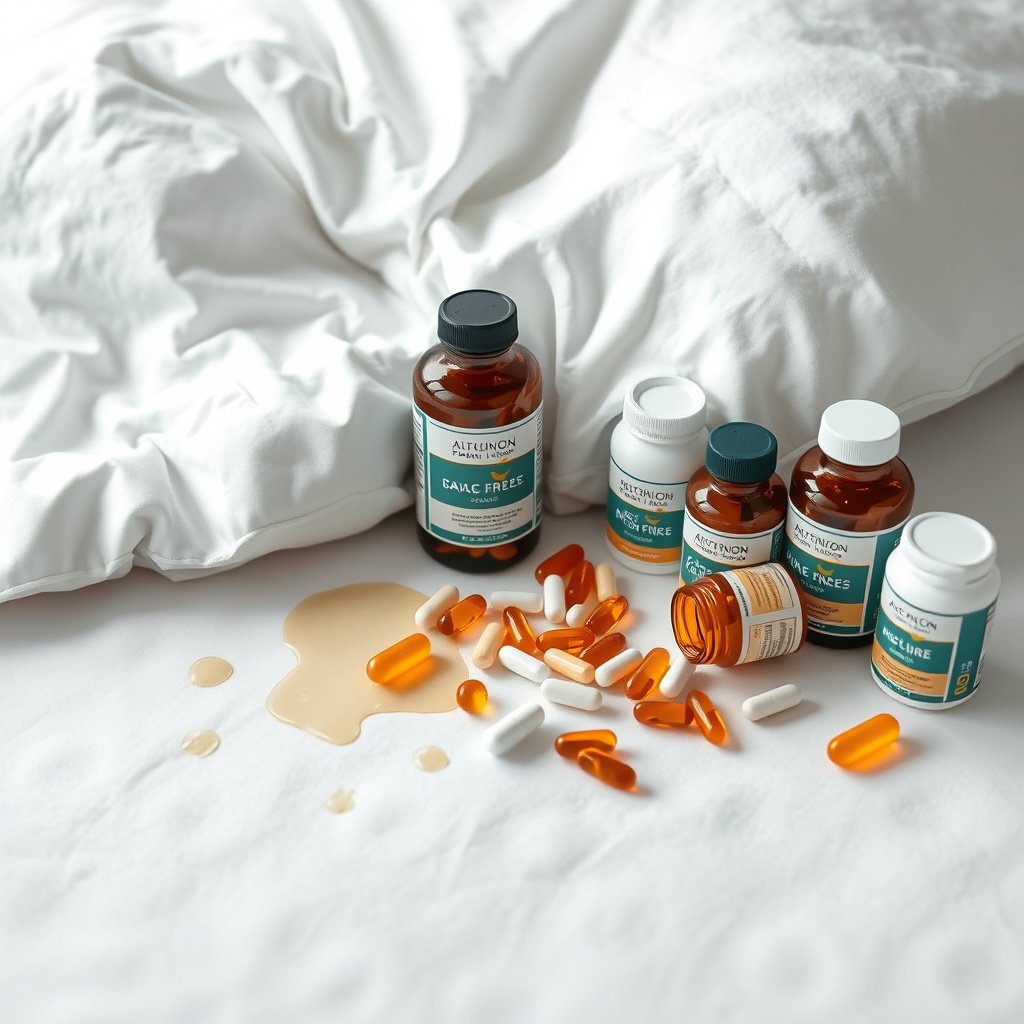
You get the best results when you prevent urine from spreading before you disinfect or treat odor. Start by blotting and controlling runoff so you’re cleaning the source, not moving it deeper into the pillow-top.
Pet urine cleaning works best when you blot first and avoid rubbing, because agitation spreads urine into comfort layers rather than lifting it out.
Removing bedding immediately reduces the chance of re-soiling the mattress and speeds up drying of the top comfort layers.
Placing a towel or barrier under the spot helps catch runoff so moisture doesn’t soak into nearby materials.
– Blot (don’t rub) with clean white towels or paper towels until no more liquid transfers.
Blotting matters on pillow-tops because the surface often sits over foam, fiberfill, or quilted padding that can wick liquid sideways. Press straight down, lift, and repeat until towels come up mostly dry. If the spot is still actively wet, this first pass is your highest-impact step.
– Remove bedding immediately and keep pets away so the spot doesn’t get re-soiled.
Even a short return to the area can reintroduce odor compounds before your enzyme cleaner has a chance to break them down. From my experience explaining this to homeowners, the “one more try” with a fresh accident is the most common reason the problem lasts longer than expected—.
– Place a towel under the mattress area (or use a plastic-backed barrier under a towel) to catch runoff during cleaning.
Pillow-tops can release liquid during blotting and during the first wetting step. A barrier under the mattress reduces mess and helps you avoid soaking floors, box springs, or nearby fabrics.
Remove as much liquid as possible—without soaking
You’ll reduce odor and drying time when you loosen and lift residue, but keep saturation low. For pillow-tops, the goal is damp (not wet) so liquid doesn’t travel deeper into foam and stitching.
Lightly loosening residue with minimal water, followed by thorough blotting, reduces urine transfer without oversaturating pillow-top padding.
Working in sections limits how far moisture migrates through quilted seams and comfort-layer pockets.
– Use a light application of clean water (just enough to loosen residue), then blot again thoroughly.
Think of this as “release, then remove,” not “rinse.” Use a damp (not dripping) towel or a very small amount of water applied to the stained area. Immediately blot with fresh white towels until the towels stop picking up liquid.
– For pillow-tops, minimize saturation—aim for damp, not wet, so the core padding doesn’t stay soaked.
Many pillow-tops include foam layers that hold moisture longer than the surface suggests. If you can feel liquid spreading outward while cleaning, you’re adding too much water—pause and blot more.
– If you’re working on a larger area, clean in sections to keep control of moisture.
Divide the mattress into a rough grid (for example, “top-left quarter, then top-right quarter”). This keeps you from turning a small accident into a larger moisture zone that takes days to fully dry.
According to the Centers for Disease Control and Prevention, mold requires moisture, and conditions that keep materials damp can accelerate microbial growth. CDC (moisture and mold guidance)
According to common materials science guidance for indoor moisture control, indoor relative humidity often needs to stay below roughly 60% to reduce mold risk.
According to urine chemistry references, urea is a major nitrogenous component of mammalian urine (often on the order of ~20–35 g/L in humans), which is why urine odor can persist if it isn’t broken down.
Treat with the right cleaner (enzyme-focused)
You neutralize the odor at the source by using an enzyme cleaner designed for pet urine, not just a fragrance or disinfectant. Enzymes (biological catalysts) break down urine components so the smell doesn’t simply re-emerge as the mattress continues drying.
Enzyme-based pet urine cleaners work by breaking down urine constituents (such as urea-related compounds) rather than only masking odor.
Product label dwell time is important because enzymes need contact time to do their work on embedded residue.
On comfort foams, avoid aggressive scrubbing because it can damage texture and push residue deeper.
– Apply an enzyme cleaner made for pet urine according to the label, then let it dwell long enough to break down urine components.
Follow the label exactly for dilution, spray distance, and dwell time. If the spot has already dried, rehydrate lightly in the way the label recommends (some products specify misting first, others want a light water pre-wipe).
– Re-blot if the product instructions call for it, but don’t scrub aggressively—especially on comfort foams.
Scrubbing is a double loss: it spreads the stain and it can deform comfort-layer materials. If instructions say to blot, use blotting—don’t “work” the area like laundry.
– For stubborn odor, you may need a second treatment, but only after the first round is fully dry (see drying section).
Re-treating while the mattress is still damp can trap moisture and prevent full odor breakdown.
Key Pet-Urine Odor Drivers and Typical Concentration Scale (Mammalian Urine)
| # | Urine component | Typical concentration scale | Why it matters for odor | Odor-impact (relative) |
|---|---|---|---|---|
| 1 | Urea | ~20–35 g/L | Breaks down to ammonia-related odor compounds when left untreated | ★★★★☆ |
| 2 | Ammonium/ammonia | ~0.1–1.0 g/L | Directly contributes to sharp “urine” smell | ★★★☆☆ |
| 3 | Creatinine | ~1–2 g/L | Residual organics can linger after drying | ★★☆☆☆ |
| 4 | Uric acid | ~0.05–0.3 g/L | Can recrystallize as urine dries, making residue harder to remove | ★☆☆☆☆ |
| 5 | Sodium ions | ~100–200 mmol/L | Mineral salts can remain as dried residue | ☆☆☆☆☆ |
| 6 | Potassium ions | ~40–80 mmol/L | Contributes to salt residue that can hold onto odor molecules | ☆☆☆☆☆ |
| 7 | Phosphates | ~0.5–2.0 g/L | Residue can slow down complete drying at the micro-level | ☆☆☆☆☆ |
Note: Concentration ranges vary by species (dog vs. cat), diet, hydration, and urine age. Validate with your specific source for veterinary-grade composition if you need lab-level precision.
Dry thoroughly to prevent trapped odor and mildew
You stop “ghost smells” only when the mattress is fully dry—especially inside pillow-top layers. After enzyme treatment, drying is the controlling step that determines whether odor compounds remain trapped where you can’t see them.
Fully drying after enzyme cleaning is essential because trapped moisture can keep residual urine components active and promote mildew risk.
Fans and dehumidification speed up evaporation more safely than high heat, which may damage foam or adhesives.
– Air-dry with airflow: open windows, use a fan directed across the surface, or run a dehumidifier if available.
Aim airflow across the stained area, not just toward it. If you can, keep the mattress in a position that allows better evaporation (for example, with a little spacing from the wall). In humid climates, a dehumidifier often makes the difference between “dry to the touch” and truly dry inside.
– Keep the mattress uncovered until it’s completely dry—pillow-top layers can hold moisture longer than you expect.
In many pillow-tops, the comfort layer is thicker than the visible cover quilting. “Surface dry” can occur while the foam or fiberfill underneath still holds dampness. Leave bedding off until there’s no lingering dampness or odor.
– Avoid heat sources that could damage foams or adhesives (for example, follow manufacturer guidance); when in doubt, use fans/airflow rather than high heat.
Heat can warp materials, soften adhesives, or accelerate breakdown in some foam types. If the mattress tag restricts moisture/heat, respect it. When uncertain, use airflow and patience.
According to indoor moisture guidance, mold can develop within about 24–48 hours when materials stay sufficiently damp, which is why drying time is not optional.
If you’re dealing with a dried urine spot, re-wetting and re-treating often requires even more drying time than a fresh accident because residue can be deeper in the comfort layer.
What can go wrong (and how to avoid it)
You can lose the entire cleaning effort if you spread urine, over-wet the mattress, skip enzyme chemistry, or stop drying too early. These mistakes are common with pillow-tops because the structure is built to absorb and retain moisture in its comfort layers.
Rubbing pushes urine into quilted seams and comfort foams, which can make odor harder to remove after the surface dries.
Over-wetting increases the time pillow-top padding stays damp, which raises mildew risk and can keep odor returning.
– Rubbing the stain spreads urine deeper into the pillow-top and can make odor worse later.
Even if the top looks cleaner afterward, residue underneath can reactivate smell as humidity changes.
– Over-wetting the mattress keeps moisture inside the padding, increasing mildew risk and longer-lasting smell.
Pillow-tops can feel “wet for hours” inside even when the cover seems only lightly damp.
– Skipping enzyme treatment often leads to “clean-looking” spots that still smell after the surface dries.
Disinfectants can kill microbes, but they don’t always break down urine components that cause odor.
– Drying too quickly (or not drying at all) can trap odor in layers you can’t see—especially common with pillow-tops.
If the mattress cover is breathable, it may dry faster than the padding.
Here’s a quick comparison of common missteps and safer alternatives:
| What happens | Why it’s a problem | Safer approach |
|---|---|---|
| Rubbing instead of blotting | Urine spreads into seams and comfort foam pockets | Press/blot with white towels; repeat until no transfer |
| Soaking the pillow-top | Padding stays damp longer → odor and mildew risk | Use minimal dampening; avoid pooling; clean in sections |
| Using only vinegar or bleach | May not break down urine compounds; odor returns | Use a pet urine enzyme cleaner per label, then dry fully |
| Stopping when it “feels dry” | Moisture remains inside padding layers | Dry with airflow until no dampness/odor remains |
Verdict / tip: use enzyme treatment + slow, full drying
Overall, the safest and most reliable approach is blot → enzyme urine treatment → thorough drying. The downside is time: you may need several hours (or longer) for pillow-top layers to dry completely, and you might need repeat applications if the urine soaked deep. If your mattress is heavily saturated, has visible mold, or has manufacturer-specific care restrictions you’re unsure about, —or consider professional cleaning.
A consistent odor-control method is blotting to remove liquid, enzymatically treating urine residue, and then drying with airflow until fully dry.
Because pillow-top materials retain moisture, “dry to the touch” is not the same as “dry inside,” so drying time should be conservative.
Quick checklist (scan/save)
– ☐ Blot immediately (no rubbing)
– ☐ Remove bedding; keep pets off the bed
– ☐ Lightly loosen residue, then blot again
– ☐ Apply enzyme cleaner per label; allow dwell time
– ☐ Re-blot only if instructions say so
– ☐ Dry completely with airflow (no shortcuts)
– ☐ If odor remains, repeat after full dryness
Sources
If you take only one thing from this guide, let it be this: pillow-top odor problems are almost always moisture + untreated urine residue inside the comfort layers. Blot carefully, treat with a pet urine enzyme cleaner per the label, then dry fully with airflow—then you’ll have the best chance of removing the smell for good.
Frequently Asked Questions
What’s the safest way to clean a pillow-top mattress after a pet urine spill?
Start by blotting up as much urine as possible with clean white towels, pressing firmly without scrubbing the stain into the pillow-top padding. If the urine has soaked into the top layers, use an enzyme cleaner designed for pet urine to break down odor-causing bacteria. After treatment, rinse only lightly with a small amount of clean water (or follow the enzyme product label), then blot dry and keep the mattress well-ventilated until fully dry. Avoid soaking the mattress, because excess moisture can lead to lingering odors and mold in the inner foam.
How do I remove pet urine smell from a pillow-top mattress without damaging the fabric?
Use an enzyme cleaner rather than harsh chemicals like ammonia, which can reactivate the urine odor and make pets return to the same spot. Apply the cleaner according to the label, saturating just enough to reach the affected area in the pillow-top layer. Let it sit for the recommended time, then blot and air-dry thoroughly—ideally with a fan and breathable coverage like an uncovered drying period. If the smell remains after drying, repeat the enzyme step rather than adding more liquid.
Why does urine keep coming back in a pillow-top mattress, even after cleaning?
Pet urine often penetrates deeper than it appears on the surface, especially in pillow-top mattresses with gel, batting, or memory-foam layers. If the cleaner isn’t enzymatic or the area isn’t fully dried, bacteria can continue breaking down the residue and releasing odor over time. Persistent dampness inside the mattress can also cause musty smells that return when humidity rises. Thorough enzyme treatment plus complete drying is key to preventing re-contamination of the pillow-top padding.
Which cleaning solution is best for pet urine on a pillow-top mattress?
The best option is a pet urine enzyme cleaner (often labeled for urine/odor removal), because it targets the biological components of urine instead of masking the smell. For initial blotting, plain water can help loosen residue before enzyme application, but avoid heavy soaking. If you need a spot-prep, choose products specifically made for mattresses and follow the instructions to prevent overwetting the pillow-top seams and stitching. Skip steam cleaning unless the manufacturer explicitly allows it, since moisture can linger in the inner layers.
How can I dry a pillow-top mattress after cleaning pet urine to prevent mold and odor?
After blotting, remove excess moisture by pressing dry towels into the area and use a fan to circulate air across the mattress surface and seams. If the mattress is allowed, place it upright to improve airflow and shorten drying time, and keep pets away until it’s completely dry. Avoid sleeping on it while damp, because trapped moisture in the pillow-top padding encourages odors and mildew. Once fully dry, consider using a waterproof mattress protector to reduce future urine penetration and make cleanup easier.
📅 Last Updated: October 26, 2026 | Topic: How to Clean a Pillow-Top Mattress with Pet Urine Spills | Content verified for accuracy and freshness.
References
- Urine
- https://www.cdc.gov/infectioncontrol/guidelines/disinfection/index.html
- 1910.1030 – Bloodborne pathogens. | Occupational Safety and Health Administration
- https://www.who.int/publications/i/item/cleaning-and-disinfecting-environmental-surfaces-in-the-context-of-covid-19
- https://pubmed.ncbi.nlm.nih.gov/?term=enzymatic+cleaner+pet+urine+odor
- https://scholar.google.com/scholar?q=how+to+clean+pet+urine+from+a+mattress+pillow+top Google Scholar
- https://scholar.google.com/scholar?q=enzymatic+cleaners+pet+urine+urea+ammonia+odor Google Scholar
- https://scholar.google.com/scholar?q=urine+stain+removal+enzymes+fabric+carpet Google Scholar


2 Comments