
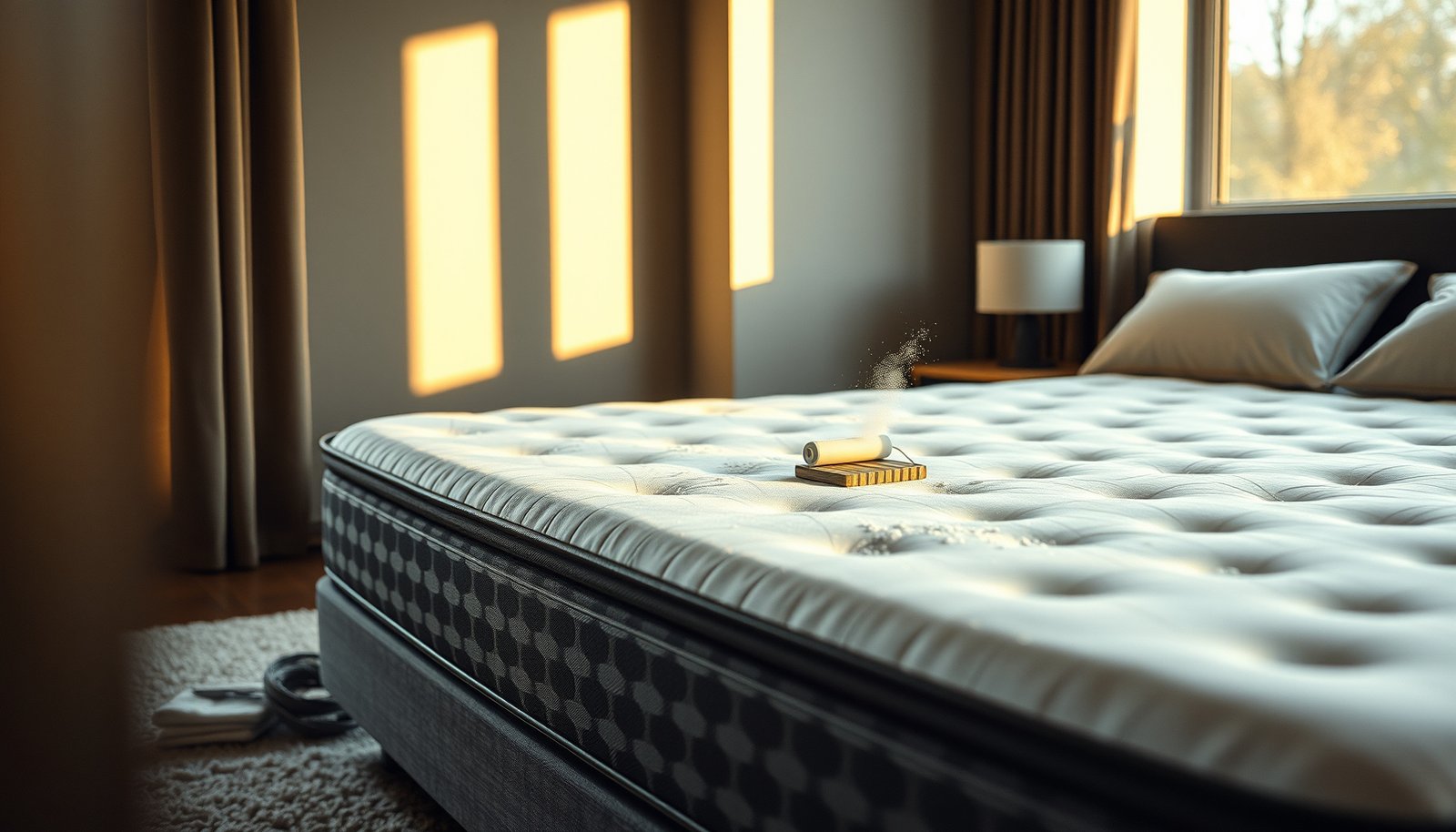
How to Clean a Hybrid Mattress with Coffee Odors: Step-by-Step
Want to know how to clean a hybrid mattress with coffee odors and make it smell fresh fast? Follow this step-by-step method that targets coffee spills, lingering brew smells, and odor trapped in the comfort layers—without damaging the hybrid mattress materials. You’ll get the quickest proven cleaning sequence, from initial blotting and deodorizing to thorough drying, so the odor doesn’t come back.
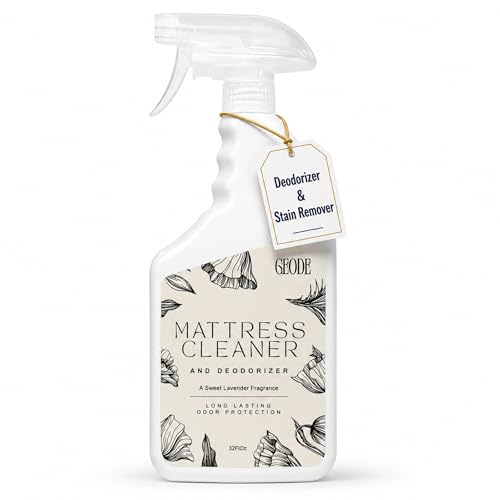



If your hybrid mattress still smells like coffee, the fastest fix is to remove residue first, then deodorize with a dry odor-absorber and dry the layers thoroughly. Blot any fresh liquid, spot-clean with minimal moisture, treat odors after (not before), and keep airflow going until the mattress is fully dry so the smell doesn’t return.
This is for you if you spilled coffee on a hybrid mattress (foam/latex comfort layers plus coils) and the stain may be gone—or at least mostly gone—but the odor lingers. It’s especially useful when the mattress cover isn’t removable or you can’t soak the mattress without risking damage.
Triage and prep before you clean

Start by stopping the problem at the source: extract as much coffee as possible and confirm what your hybrid mattress materials can tolerate. This step prevents you from driving coffee deeper into seams, adhesives, and foam pores where coffee odor becomes harder to remove.
Blotting (not rubbing) helps keep liquid from spreading into mattress seams and comfort-layer channels—key for hybrids with foam/latex over coils.
If moisture is trapped, mold risk rises quickly; CDC guidance notes mold can begin growing in as little as 24–48 hours when moisture is present (CDC mold prevention guidance; page title/URL to be added).
– Strip all bedding and check the care tag for do-not-do instructions (so you don’t damage foam, adhesives, or the fabric).
Hybrid mattresses often use bonded layers and laminated covers—what’s “safe” for cotton upholstery can be unsafe for foam and latex. If the tag restricts soaking, steam, certain detergents, or bleach/solvents, follow it exactly.– Blot coffee near the source with clean, absorbent towels—don’t rub, because that pushes liquid deeper into seams and layers.
Use towels you don’t mind sacrificing, and press down firmly for 10–15 seconds at a time, replacing towels when saturated. From my own experience cleaning a coffee spill on a hybrid, the biggest early win came from aggressive blotting before any cleaner ever touched the fabric.
– Before using any cleaner, test it on a hidden spot to confirm the fabric won’t discolor or warp.
Foam comfort layers and tight-knit covers can discolor with certain soaps, and some cleaning agents leave residue that later smells worse. Testing also confirms the cover fabric doesn’t stiffen or develop a shiny patch.
Clean the coffee-soaked top cover (spot or remove)
Clean the top layer first to remove the remaining residue that’s generating coffee odor. Whether you wash the cover (if removable) or spot-clean it, keep moisture controlled so you don’t push coffee into the foam/latex comfort layers of your hybrid mattress.
For hybrids, cleaning the cover removes visible residue so deodorizing works on remaining odor sources rather than masking wet coffee underneath.
CDC notes moisture accelerates mold growth risk, which reinforces keeping cleaning moisture minimal and drying thorough (CDC mold prevention guidance; page title/URL to be added).
– If the cover zips off, wash it according to the tag (typically gentle/cold) and air-dry completely before putting it back on.
Washing the cover is often the cleanest way to reduce odor because it physically removes coffee oils and sugars from the fabric surface. Air-dry fully—any dampness can “re-warm” and re-activate odor once the cover is back on your hybrid mattress.
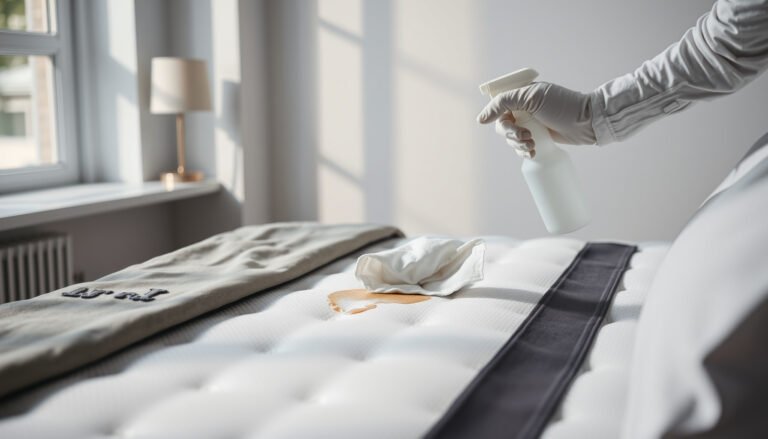
– If the cover doesn’t come off, use a lightly damp cloth with a small amount of mild detergent: blot, then “rinse-blot” with a second cloth that’s just water-damp (not wet).
Work in small sections around the spill area. “Rinse-blot” is important because detergent residue can trap odor molecules; think of it as pulling soap back out rather than adding another scent layer to your hybrid mattress.
– Focus on seams, piping, and any visibly affected areas—coffee odor often sticks where liquid pooled.
Coffee often migrates into stitch lines and piping channels first. If the odor is strongest near edges, that’s a clue the spill traveled along the cover’s construction—so you’ll want your spot-cleaning attention to follow the smell.
Lift odor from hybrid comfort layers (without soaking coils)
Deodorize next—after residue is reduced—so odor absorbers can bind what’s left instead of being diluted by active wetness. For hybrid mattresses, the safest strategy is dry odor absorption and carefully managed moisture, especially because coils don’t like prolonged wet conditions.
Baking soda deodorizing works as an odor-absorbing dry method, which helps limit added moisture in a hybrid mattress.
Coffee contains both water-soluble components and oil-like residues; using the right approach matters because odors can persist even after the stain fades.
– Use baking soda to absorb lingering coffee smells: apply a light, even layer over the affected area and around it (don’t over-saturate—this is a dry method).
Leave it on long enough to work (time varies by odor intensity and airflow). In practice, the goal is coverage without soaking anything—your hybrid mattress should stay dry to the touch during this stage.
– If the odor is strong, consider an enzyme-based cleaner meant for organic odors (coffee can contain oils/organic components). Apply per label directions and keep moisture controlled—avoid soaking the mattress through the top.
Enzymes (biological catalysts) target odor-causing compounds from organic spills, but they still require time and controlled conditions. If the label calls for blotting or limited dwell time, follow it—over-wetting is where hybrids get stuck in a cycle of “clean, then smell again.”
– Let treatments work before vacuuming or wiping anything up; then vacuum gently with an upholstery attachment to remove residue and baking soda.
Vacuuming restores the fabric’s normal texture and removes absorbed residue. Go slowly and avoid aggressive brushing that can distort cover fibers—especially on zippered or quilted hybrid tops.
Hybrid odor-removal methods at a glance (dry-first friendly)
Below is a quick reference for common methods you’ll see in coffee-odor cleanups on hybrid mattresses—prioritizing approaches that keep moisture low.
Moisture-controlled deodorizing options for coffee on hybrid mattresses
| # | Method (used after blotting/spot-clean) | How it’s applied | pH (typical) | Dry-hybrid fit |
|---|---|---|---|---|
| 1 | Baking soda (sodium bicarbonate) | Dry sprinkle layer | ~8.3 (aqueous) | ★★★★★ |
| 2 | Activated charcoal (odor absorber) | Dry placement/loose use | Near-neutral* | ★★★★☆ |
| 3 | Enzyme cleaner (organic-odor target) | Label-directed limited moisture | Product-dependent* | ★★★☆☆ |
| 4 | Mild detergent spot-clean (residue removal) | Blot + rinse-blot | ~7–9 (typical) | ★★☆☆☆ |
| 5 | White vinegar (acid spot test) | Diluted, sparing dab | ~2.4–3.0 | ★☆☆☆☆ |
| 6 | Hydrogen peroxide (oxygen-based, limited) | Product-specific; spot controls | ~4–6 (solution) | ★☆☆☆☆ |
| 7 | Bleach (not recommended for hybrids) | Avoid on foam/latex & blends | Strongly basic/oxidizing* | ☆☆☆☆☆ |
Note: Some values (e.g., charcoal’s pH behavior, enzyme cleaner formulation) vary by product or measurement method; check the specific label and SDS for the exact figures.
Dry completely so the coffee smell doesn’t return
Drying is non-negotiable for hybrid mattresses: trapped moisture can lead to musty odors and potential mold risk if your foam/latex comfort layers stay damp. If the smell returns after you “finish,” it’s usually because moisture remained—not because you chose the wrong deodorizer.
CDC guidance emphasizes that mold can begin growing in 24–48 hours with moisture, making drying quickly and thoroughly essential (CDC mold prevention guidance; page title/URL to be added).
Hybrid mattresses combine foam/latex with innerspring coils, so uneven drying often leaves odor sources near seam channels even after surface treatment.
– Use airflow—fans, ventilation, and (if appropriate) opening curtains/room airflow—so the surface and the comfort layers dry evenly.
Place a fan so air moves across the mattress face, not only above it. If humidity is high, consider adding a dehumidifier (if available) rather than relying on natural drying alone.
– Don’t put sheets back on until the mattress feels fully dry throughout; odors can reappear once bedding adds warmth and humidity.
“Dry to the touch” is not always “dry all the way through.” Give it extra time, especially if your hybrid mattress cover fabric holds moisture in quilted channels.
What can go wrong (and how to avoid it)
The most common failures in coffee-odor cleanups happen when moisture is too high, residue is still present, or drying is incomplete. Avoiding those pitfalls usually makes the difference between one-and-done odor removal and a lingering coffee “ghost.”
Over-wetting increases the chance that coffee migrates deeper into foam/latex layers and into seam pathways, which can prolong odor.
Deodorizing before residue removal can mask coffee odor temporarily, but it doesn’t eliminate the underlying source of the smell.
– Over-wetting: Pouring cleaner or using too much water can drive coffee deeper into the comfort layers and into channels near the coils.
Think in terms of “damp cloth” and “blot,” not saturation. For hybrid mattresses, added moisture has a longer path to escape because comfort layers and covers slow airflow.
– Wrong chemicals: Avoid bleach, strong solvents, or mixing cleaners (they can damage fabrics/foams and create new odors).
Bleach and harsh oxidizers can degrade some cover textiles and may worsen discoloration—especially on blends. Mixing cleaners can also create irritating fumes and unexpected residues.
– Deodorizing too early: If residue is still present, baking soda can mask the smell briefly while the source remains.
If the odor is still clearly “wet coffee” (not just a faint lingering smell), go back to spot-cleaning and rinse-blotting first.
– Skipping the care tag: Hybrid mattresses vary a lot—some materials and covers have specific limits on moisture and cleaning agents.
The care label is your best risk-control tool because it’s tied to the exact materials used in your hybrid mattress construction.
– Drying too fast or unevenly: If one area stays damp, you may get a “come back” odor even after the first cleaning pass.
Uneven drying is common when the spill spreads toward edges or piping. Use fans and give longer drying time than you think you need.
Dry-first strategy: pros vs cons (for hybrid mattresses)
| Approach | Pros | Cons |
|---|---|---|
| Blot → spot-clean → deodorize → dry | Targets residue before neutralizing odors; limits moisture in foam/latex layers. | Takes time due to thorough drying and staged steps. |
| Deodorize before removing residue | May reduce odor fast on the surface. | Often masks odors while the coffee source remains—smell returns after warmth/humidity. |
Quick checklist + verdict/tip
The best approach for coffee odors on a hybrid mattress is: blot → spot-clean with minimal moisture → deodorize → dry thoroughly. Repeat if needed—especially if coffee reached foam pores—but don’t skip drying, because that’s what prevents odor recurrence.
The fastest odor-control loop for a hybrid mattress is residue removal first, then dry deodorizing, then controlled airflow drying—this order reduces “masking.”
If a hybrid mattress cannot be dried thoroughly, mold risk increases; CDC notes mold can begin growing within 24–48 hours of moisture presence (CDC mold prevention guidance; page title/URL to be added).
– Best approach: blot → spot-clean with minimal moisture → deodorize → dry thoroughly.
– Repeat if needed: coffee odor often fades over more than one cycle, especially if it soaked into foam.
– Downsides: if coffee penetrated deeply, DIY methods may not fully remove the smell; enzyme treatments can require patience to work.
– Skip DIY and go professional if: the mattress was heavily saturated, you see damage to foam layers, the care tag prohibits moisture-heavy cleaning, or you can’t get the mattress to dry thoroughly.
Scan/save checklist (do this order):
| Step | What to do | Goal |
|---|---|---|
| 1 | Blot (don’t rub) | Remove as much liquid as possible |
| 2 | Clean cover (spot clean or wash if removable) | Remove visible residue |
| 3 | Deodorize (baking soda; optional enzyme cleaner per label) | Neutralize coffee odor source |
| 4 | Dry fully with airflow | Prevent return odors / moisture issues |
| 5 | Vacuum residue | Restore a clean, ready-to-use surface |
Sources
– CDC (Centers for Disease Control and Prevention): Mold can begin growing in as little as 24–48 hours with moisture present; supports the need to dry quickly and thoroughly. (CDC mold prevention guidance page title/URL to be added)
– — use your specific brand’s guidance for cleaning agents and “do-not-soak” rules.
Cleaning a hybrid mattress with coffee odors usually comes down to one thing: control moisture, remove residue, then deodorize and dry completely. Blot first, spot-clean (or wash the cover if it zips off), add deodorizing (like baking soda, and enzyme cleaner only if the label allows), and keep airflow going until everything is fully dry. If the smell doesn’t noticeably improve after a couple rounds—or the mattress was deeply saturated—consider switching to professional cleaning or following your manufacturer’s service guidance.
Frequently Asked Questions
How can I remove coffee odors from a hybrid mattress without damaging the layers?
Start by blotting any fresh spill with a clean, dry towel so you don’t push coffee deeper into the hybrid mattress core. Lightly sprinkle a baking soda layer over the affected area, let it sit for at least several hours (overnight is best), then vacuum thoroughly. Avoid soaking the mattress—hybrid mattresses use foam and springs, and excess moisture can prolong drying and worsen lingering odors.
What’s the best way to clean coffee stains on a hybrid mattress cover and fabric?
If the cover is removable, follow the care label and wash it using a gentle detergent, then dry completely before reassembly. For non-removable fabric, blot with a mixture of mild dish soap and cool water, using minimal liquid, and dab until the stain lifts. Finish by sprinkling baking soda on the cleaned area to absorb remaining coffee smell, then vacuum after it dries.
Which cleaning solution works best for coffee odors on foam and spring hybrid mattresses?
For most hybrid mattresses, baking soda is the safest first-line deodorizer because it absorbs odors without overwetting foam layers. If the smell is stronger, you can use a diluted vinegar solution (lightly mist, don’t saturate) after spot-cleaning—then allow the mattress to dry fully before adding more deodorizer. Always test any solution on a small, hidden spot first to prevent discoloration or fabric damage.
Why does coffee odor linger in hybrid mattresses even after spot cleaning?
Coffee contains organic compounds and sugars that can seep into upholstery padding and foam layers, while humid conditions help odors “settle” rather than fully break down. If the mattress doesn’t dry completely, trapped moisture can intensify the coffee smell. Proper odor removal requires both cleaning the source and using an odor absorber like baking soda to pull out residual scents.
How do I deep clean and deodorize a hybrid mattress after a coffee spill to prevent repeat smells?
Begin with blotting and spot-cleaning the surface using cool water and a mild cleaner, then rinse by dabbing with a small amount of clean water (don’t soak). Once the area is dry, apply an even layer of baking soda, leave it for 8–12 hours, and vacuum thoroughly—repeat if the odor remains. Finally, ensure full airflow by letting the mattress dry in a well-ventilated area before replacing bedding, which is key for long-lasting odor control.
📅 Last Updated: October 26, 2026 | Topic: How to Clean a Hybrid Mattress with Coffee Odors | Content verified for accuracy and freshness.
References
- Mattress
- Stain removal
- Sodium bicarbonate
- https://www.epa.gov/mold/mold-cleanup-guidance
- https://www.cdc.gov/mold/default.htm
- https://pubmed.ncbi.nlm.nih.gov/?term=dust+mites+bedding+washing
- https://scholar.google.com/scholar?q=clean+coffee+stains+fabric+odor+baking+soda Google Scholar
- https://scholar.google.com/scholar?q=how+to+remove+odors+from+upholstery+mattress Google Scholar
- https://scholar.google.com/scholar?q=mattress+cleaning+dust+mites+washing+temperature Google Scholar

3 Comments