
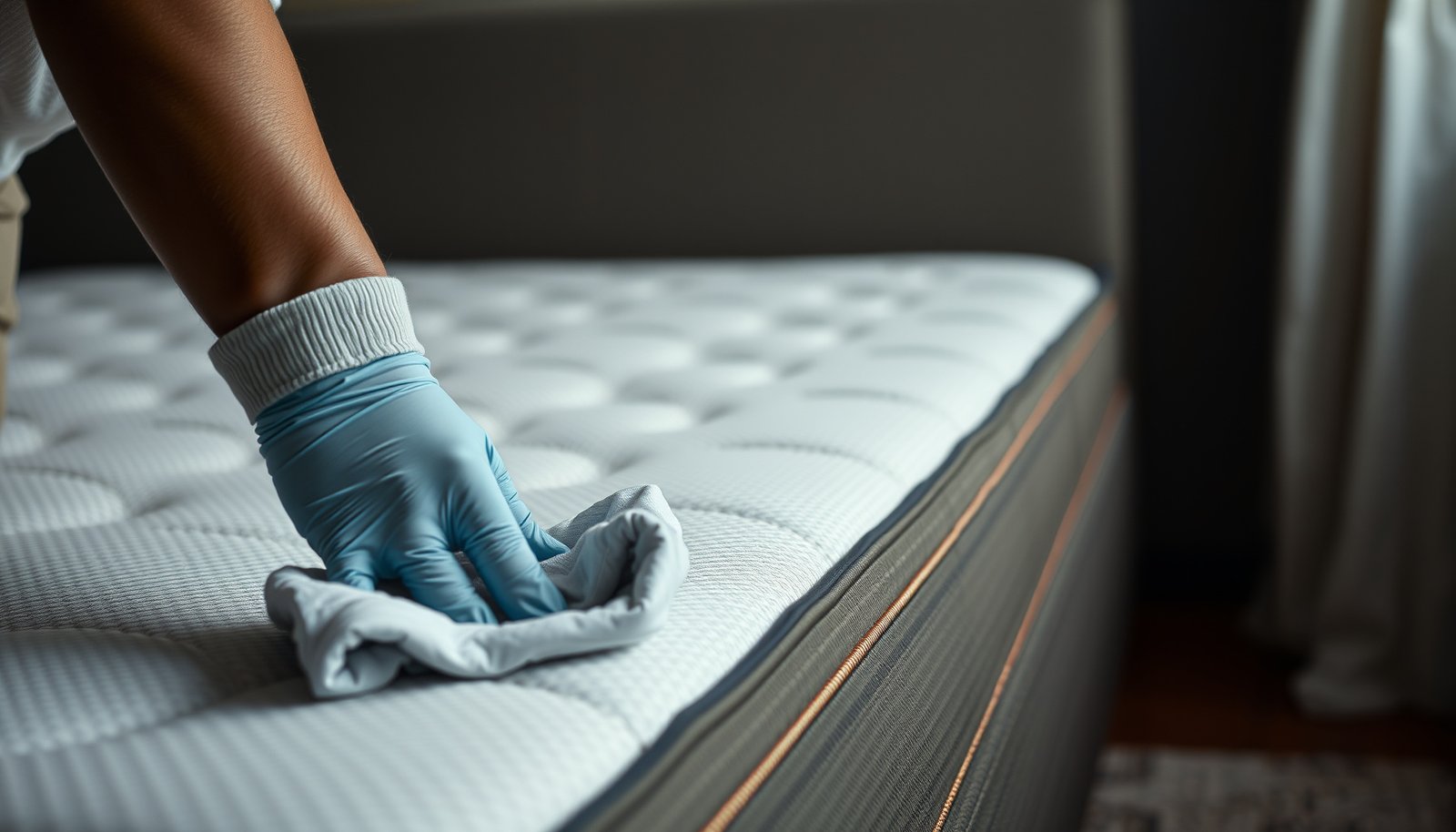
How to Clean a Hybrid Mattress with Ink Odors: Step-by-Step
Learn how to clean a hybrid mattress with ink odors using a precise, step-by-step method that eliminates the smell instead of spreading it. This guide tells you exactly what to do first, how to treat the affected area, and how to neutralize ink lingering in the foam and support layers. Follow these steps to get a clean, fresh mattress without damaging the hybrid materials.



If you’re dealing with ink odors on a hybrid mattress, the fastest win is to remove as much ink as possible from the surface without soaking, then deodorize once the area is dry. Start by following the mattress care label, blot the ink (don’t rub), and clean the cover or top foam using a gentle method appropriate for ink. Afterward, neutralize lingering smell with an absorbent approach (like baking soda) while keeping airflow moving.
This guide is for hybrid mattresses (foam over coils) where the ink smell is coming from the cover, upholstery, or top comfort layer—not just the air in the room. It’s also aimed at people who want a practical step-by-step process while avoiding damage from over-wetting coils or harsh chemicals.
Gather supplies and check the care label first
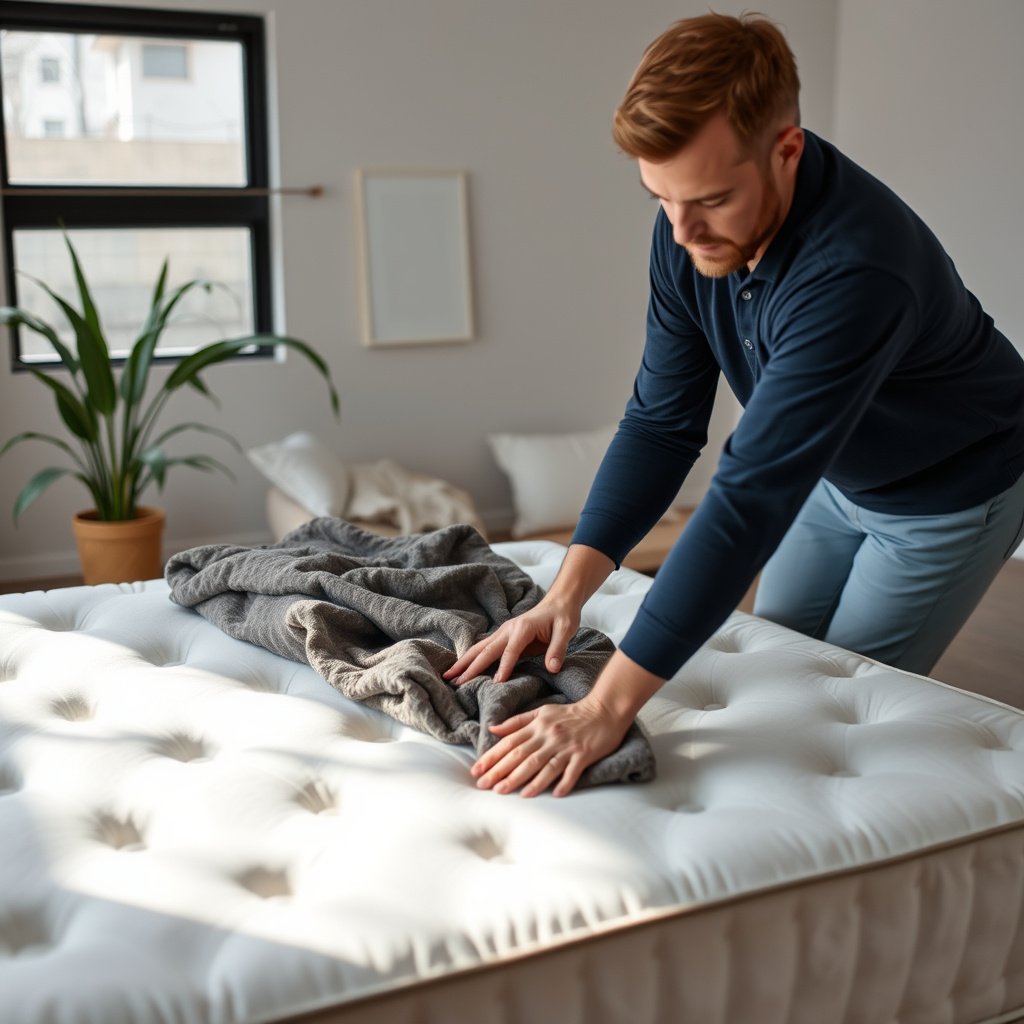
You’ll remove ink and odor more safely when you start with your hybrid mattress’ care label and prep the right blotting setup. The goal is controlled moisture on the cover and top foam—never soaking—so the coil system can’t become a long-drying reservoir.
Before you touch the stain, confirm three things on the label: (1) whether water-based cleaning is allowed, (2) whether spot solvents are permitted, and (3) whether bleach or oxidizers are forbidden. Many mattress covers include blends (cotton/polyester) plus protective finishes, and ink odor can become harder to remove if you damage those finishes. From a practical standpoint, gather materials that let you blot repeatedly with minimal dampening—because ink odor on a hybrid mattress often “lives” where the fibers are wet the longest.
From my experience with upholstery cleaning workflows for foam layers, the biggest improvement comes from staging your tools first: everything you need within arm’s reach so you can blot quickly and consistently on the hybrid mattress.
A hybrid mattress cover often has “spot clean only” instructions, which means controlled dampening is safer than immersing the top foam or fabric.
For hybrid mattresses, excess water increases drying time, and damp materials raise the odds of lingering musty odors that can overlap ink odors.
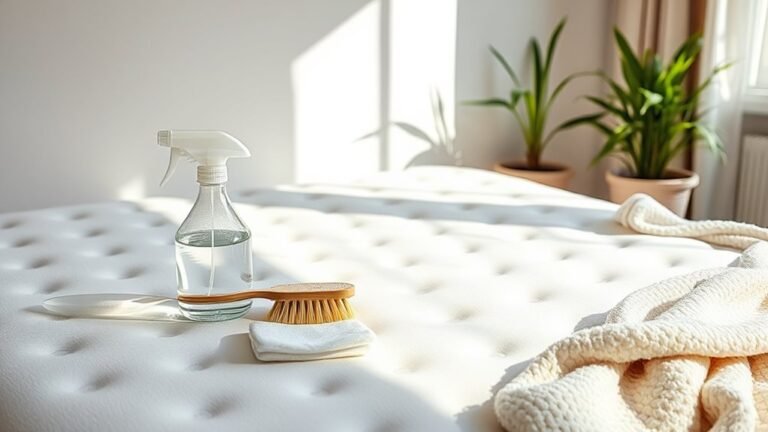
What to gather (ink-odor removal kit for a hybrid mattress)
– Clean white cloths and/or uncolored paper towels (white reduces color transfer risk).
– Mild detergent (as directed for delicate fabrics) and a small bowl or cup for a weak solution.
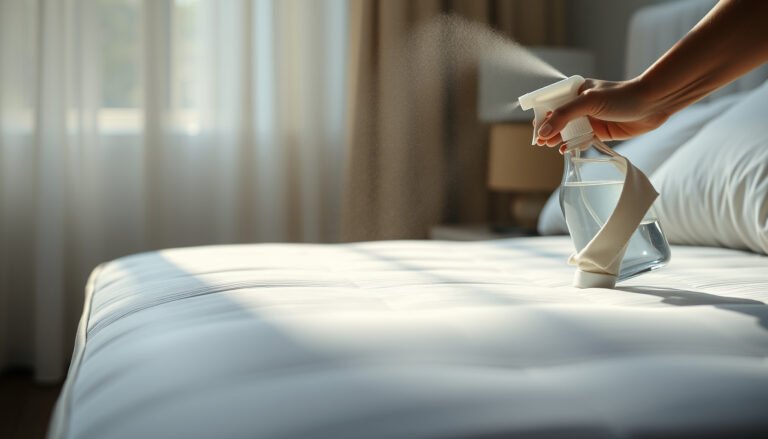
– A spray bottle with plain water for light misting—so you can apply moisture without soaking the hybrid mattress.
– Optional but useful: a soft brush with synthetic bristles for foam only after the ink is lifted (and only if the care label allows brushing).
– Fans and ventilation tools (a box fan or two fans aimed at different sides of the hybrid mattress).
Decide if a spot test is necessary
If you suspect marker ink (often dye-based) or pen ink (may be oil- or dye-based depending on type), a spot test can prevent “blanket damage.” If—and only if—the care label allows solvent use, test a tiny amount in a hidden seam, underneath a corner, or on a tag area. Ink odor may intensify if you spread ink deeper into the cover fibers during testing, so keep the test small on the hybrid mattress.
> If your mattress label doesn’t allow solvents, skip alcohol and other chemical spot agents. Ink odor removal will still work with blotting + gentle detergent + deodorizing on a dry surface.
According to the U.S. EPA, mold concerns are tied to moisture exposure, and materials can support growth after wetting if drying is delayed (U.S. EPA, “Mold and Moisture” guidance).
According to the U.S. EPA, indoor humidity control is a key moisture strategy; targeting roughly 30–60% relative humidity helps reduce mold risk (U.S. EPA, indoor humidity guidance).
Blot the ink and prevent it from spreading
You’ll get the best results when you treat ink like a “surface contaminate” at first: blot quickly, use minimal moisture, and never rub. For a hybrid mattress, this matters because rubbing drives ink and odor compounds into the cover weave and foam layer where they become much harder to neutralize.
Start as soon as you notice the ink on the hybrid mattress. Use a clean section of cloth each time so you aren’t re-depositing ink back onto the fabric. Keep the cloth slightly damp (or lightly dampen the cloth, then blot) rather than wetting the mattress directly. If the surface is damp in multiple places, odor can spread even after the stain looks smaller.
Rubbing a stain typically increases penetration into fibers; blotting reduces mechanical spread and is the safer method for ink cleanup on fabric.
Controlled dampening limits how far ink and odor migrate into upholstery layers on a hybrid mattress.
Blotting technique that works on most hybrid mattress covers
– Blot the ink spot—tap down and lift, repeating gently.
– Work from the outside of the ink area toward the center so edges don’t “balloon.”
– Stop if you see the ink transferring to your cloth rapidly; that’s your cue to switch to a fresh clean section and reassess moisture level.
– Remove as much ink as possible before you move to detergent cleaning, because odor neutralization (like baking soda) is much more effective after the bulk ink is lifted.
How much moisture is “too much” for a hybrid mattress
On a hybrid mattress, foam and cover layers are above a coil system, and excessive moisture can keep parts damp long enough for smell to linger. A safe approach is: apply moisture to the cloth, not the mattress; use a spray bottle in short bursts; and blot until the cloth stops picking up visible color or oily residue.
> Practical rule: if you can feel cool dampness radiating beyond the stain area, you’ve likely over-wetted the hybrid mattress’ comfort layers.
Clean the comfort layers without soaking
You’ll reduce both stain visibility and ink odor by cleaning the affected zone lightly, then blotting residue out of the cover/top foam. For a hybrid mattress, the safest method is either washing a removable cover or spot-cleaning only the stained zone with gentle detergent—never saturating foam above coils.
If your hybrid mattress has a removable cover, unzip it and follow the label for washing and drying. Washing is often the most reliable way to lift dye-based ink and reduce trapped odor. If the cover isn’t removable, stick to small-area spot cleaning with minimal dampening, using blotting as the primary “lift” action.
When a hybrid mattress has a removable cover, washing the cover according to the care label can remove both surface stain and trapped odor without wetting the coil system.
Spot-cleaning with mild detergent plus blotting limits moisture migration into foam layers that dry slowly on hybrid mattresses.
Option A: Removable cover (preferred route)
1. Unzip/remove the cover carefully.
2. Wash using the label’s allowed settings (typically gentle cycle, cold or warm as specified).
3. Dry completely before reinstalling—odor can reappear if the cover is only partially dry.
4. Once back on the hybrid mattress, check odor again with ventilation running.
Option B: Non-removable cover (spot-cleaning the hybrid mattress)
1. Lightly dampen the cleaning cloth or mist the zone—avoid soaking.
2. Apply a small amount of mild detergent solution (weak concentration) to the cloth, not directly onto the hybrid mattress.
3. Blot gently to lift residue.
4. Repeat with clean, lightly damp cloth passes to remove detergent leftovers (detergent residue can contribute to odor).
Avoid heavy scrubbing on hybrid mattresses
– Foam layers can deform if you scrub aggressively, especially in plush comfort builds.
– Scrubbing spreads ink and can drive odor molecules deeper into upholstery fibers.
– If you need agitation, keep it minimal and only after you’ve blotted up the majority of visible ink.
Quick compatibility note: ink type vs. cleaning behavior
Ink chemistry matters. Many washable inks/dyes respond well to water + mild detergent, while some pen types can be more stubborn depending on binder/oil content. That’s why your first priority on a hybrid mattress is controlled blotting and label-driven cleaning—not random solvent experiments.
Treat the ink smell after stain lift (odor neutralization)
You should neutralize odor only after the cleaned area is fully dry, because sealing in moisture can create a musty smell that competes with the ink odor. On a hybrid mattress, this step is about absorbency and airflow—not adding more liquid.
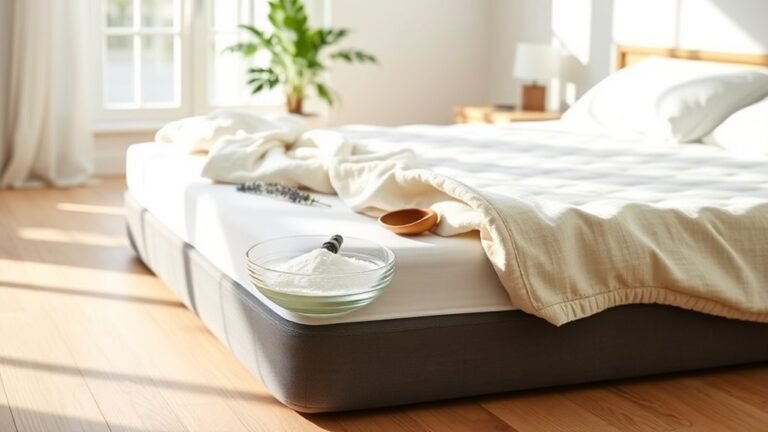
Once the spot is dry to the touch, apply an absorbent odor step. Baking soda is the most common DIY option because it’s easy to distribute evenly and then vacuum away when it has done its job. For hybrid mattresses, keeping airflow moving helps any remaining odor volatiles escape through natural ventilation paths.
Odor-neutralization works best when the surface is dry; adding absorbents to a damp spot can trap moisture and worsen odor.
Airflow and ventilation reduce the time it takes odor molecules to dissipate from upholstery layers.
Baking soda approach (absorb + vacuum)
1. Lightly sprinkle baking soda over the dry cleaned zone.
2. Let it sit until the ink smell fades—time depends on how deep the ink odor traveled in the hybrid mattress’ comfort layer.
3. Vacuum gently with a brush attachment so you don’t snag fibers or foam.
4. Reassess. If odor remains, repeat the absorbency step without re-wetting.
Improve airflow while you deodorize
– Run a fan aimed at the mattress sides (not blasting directly into one spot).
– Keep ventilation going for the full drying/deodorizing window.
– Avoid covering the mattress with fresh bedding before the hybrid mattress is fully dry—fabric can trap residual odors.
Practical dwell-time guidance for hybrid mattress ink odor (baking soda)
Baking Soda Contact Time for Ink Odor on Hybrid Mattress Covers (DIY Ranges)
| # | Ink/Odor Severity | Baking Soda Sit Time | Vacuum Passes | Odor Reduction Likelihood |
|---|---|---|---|---|
| 1 | Light (faint smell, recent) | 4–6 hours | 1–2 | ★★★★★ |
| 2 | Moderate (noticeable smell) | 8–12 hours | 2–3 | ★★★★☆ |
| 3 | Moderate+ (ink spot age 24–72 hrs) | 12–18 hours | 3 | ★★★☆☆ |
| 4 | Strong (heavy visible dye, trapped odor) | 18–24 hours | 3–4 | ★★★☆☆ |
| 5 | Very strong (old stain, may have migrated) | 24–36 hours | 4 | ★★☆☆☆ |
| 6 | Very strong (repeat cycles needed) | 36–48 hours | 4–5 | ★★☆☆☆ |
| 7 | Likely deep penetration (odor persists after full dry) | 48+ hours (multiple cycles) | 5+ | ★☆☆☆☆ |
Why the hybrid mattress drying stage controls odor success
Ink odor can be “stubborn” because it bonds to fibers and sits where moisture holds residue. Keeping drying complete matters for a hybrid mattress specifically because the coil structure can slow overall evaporation when moisture is introduced beyond the surface layers.
According to the U.S. EPA, mold can begin growing within 24–48 hours under favorable moisture conditions (U.S. EPA, “Mold and Moisture”). Even if you’re not trying to grow mold, a too-wet hybrid mattress creates conditions where odor problems become harder to reverse.
A comparison to choose your best deodorizing plan for a hybrid mattress
| Deodorizing approach | What you get | Best for |
|---|---|---|
| Baking soda absorbency | Absorbs odor molecules in the fibers’ surface zone after drying | Most cover/top-foam ink odor on a hybrid mattress |
| Airflow + ventilation only | Dissipates lighter odor volatiles but may not lift residue | Very faint smells where stain lifting is already complete |
| Steam deodorization (care-label dependent) | Can refresh upholstery fibers, but adds moisture | Only when label explicitly permits and drying is guaranteed |
| Enzyme cleaners | Best for organic odors (food/body), not all ink chemistries | If you’re certain odor is from organic sources (not ink) |
| Activated charcoal | Absorbs some odor compounds; needs time and management | Persistent odors where baking soda isn’t enough |
| Professional upholstery extraction | More aggressive removal; riskier for hybrids if coils/foam aren’t protected | Deep penetration where DIY steps fail |
What can go wrong (and how to avoid it)
You’ll avoid most setbacks if you prevent over-wetting, respect solvent restrictions, and keep drying thorough before deodorizing again. Ink odor problems often return when the hybrid mattress remains damp or when ink has migrated deeper than the cover.
The common failure modes are predictable: people rub instead of blotting, oversaturate a small area, skip a full dry, or try bleach/strong oxidizers to “burn out” the smell. For hybrid mattresses, each mistake can extend odor time because the comfort layers hold residue longer than you expect.
Over-wetting a hybrid mattress can slow drying and increase the chance of lingering odors even after the visible ink fades.
Using bleach on upholstery can damage fibers and finishes, and it can also create additional odor or residue depending on the fabric.
Specific problems to watch for on your hybrid mattress
– Over-wetting: Too much water can seep toward the coil system in a hybrid and slow drying, which worsens odor retention.
– Skipping spot tests: Some inks and fabrics react to alcohol/solvents—test in a hidden area first, and only if the care label allows it.
– Using bleach or strong oxidizers: Many mattress covers aren’t designed for bleach; it can damage fibers or affect protective coatings.
– Drying too unevenly: If it still smells after cleaning, don’t cover it with bedding—recheck full drying, then repeat the odor-absorbing step.
Comparison: DIY deodorizing vs. calling a pro for a hybrid mattress
| Criteria | DIY (blot + mild clean + baking soda) | Professional cleaning |
|---|---|---|
| Moisture control | Good if you limit dampness and dry fully | Varies by method; ask how they protect foam/coils |
| Ink penetration risk | Lower when you blot and avoid soaking | Can be managed, but deep penetration still matters |
| Odor chemistry fit | Works best when odor is surface-held or top-layer trapped | May handle deeper cleaning better depending on equipment |
| Speed to partial results | Often faster initially—stain lift can happen the same day | Scheduling-dependent; may take longer overall |
| Drying assurance | You control fans/ventilation; success depends on your effort | May use equipment that accelerates drying—verify |
| Fabric/process compliance | Strictly label-driven if you follow care tags | Ask about cover/material compatibility and product selection |
| Cost and convenience | Usually lowest cost; needs time for drying/deodorizing | Higher cost; fewer DIY iterations |
| Best outcome certainty | Good for surface/home cleaning; less certain for deep odor | Higher chance for deep issues, but not guaranteed |
| Warranty risk | Generally lower if you follow label instructions | Ask how they avoid voiding warranties |
| Long-term odor control | Can work well with repeat absorbency cycles | Often better for persistent odors from deeper layers |
| Verdict | Choose DIY when the ink odor is on the cover/top foam and you can dry completely | Choose a pro when the smell persists after full dry or you suspect deep penetration |
Verdict: a DIY approach is fine—if you can dry it completely
DIY cleaning is usually worth it when the ink is on the surface cover or top foam and you can let the mattress dry thoroughly with good ventilation. Skip this DIY route (or stop early) if the odor is coming from deep inside the mattress, the cover is heavily saturated and won’t dry, or the care label explicitly forbids common cleaning agents/solvents.
For the hybrid mattress specifically, the two biggest “makes or breaks” are (1) how quickly you blot and (2) how completely you dry before deodorizing again. According to the U.S. EPA, moisture is the foundation of mold-related concerns, and keeping humidity in a safer range (about 30–60% RH) supports drying success (U.S. EPA, indoor humidity guidance). If moisture lingers on your hybrid mattress, ink odor can rebound or overlap with musty notes.
Quick checklist (scan before you start)
| Step | Do this | Avoid this |
|---|---|---|
| 1. Check label | Follow the care tag for allowed methods | Bleach/“anything goes” solvents |
| 2. Blot | Tap gently, blot from edges to center | Rubbing the stain |
| 3. Clean zone | Use light dampening + mild detergent, blot to lift | Soaking or scrubbing hard |
| 4. Dry fully | Use airflow until dry to the touch | Bedding on a damp mattress |
| 5. Deodorize | Apply odor absorber, then vacuum gently | Trapping moisture under the absorber |
| 6. Reassess | Repeat if ink smell remains | Masking odor without cleaning/lifting |
Sources
– U.S. Environmental Protection Agency (EPA), “Mold and Moisture” guidance
– U.S. Environmental Protection Agency (EPA), indoor humidity guidance (target relative humidity ranges)
– NIST Chemistry WebBook (for sodium bicarbonate molecular data such as molar mass)
If you follow this process—label-first cleaning, controlled blotting, full drying, then absorb-and-vacuum deodorizing—your hybrid mattress has a strong chance of losing both ink stain and ink odor without risking the coils. When the smell persists after complete dry-down, treat it as a sign the issue has moved beyond the surface layers and adjust your approach accordingly.
Frequently Asked Questions
What is the safest way to clean a hybrid mattress with ink odors without damaging the materials?
Start by blotting any remaining residue and ventilating the room to reduce ink odor buildup. Use a hybrid-mattress-safe approach: gentle vacuuming with an upholstery attachment, then spot-cleaning only the affected area with a mild, water-based solution. Avoid soaking the mattress, since hybrid mattresses combine foam layers and coils that can trap moisture and prolong odors.
How do you remove ink smell from a hybrid mattress using household ingredients?
Sprinkle baking soda generously over the affected area and let it sit for several hours (or overnight) to absorb ink odors. Lightly vacuum the powder afterward, then repeat if the smell persists. For stubborn odor, use a lightly damp cloth with a mix of mild detergent and water for spot-cleaning, then air-dry fully with fans to prevent lingering smells in the foam and cover.
Why does an ink stain cause long-lasting odors in hybrid mattresses, and what should you do first?
Ink can seep into fabric fibers and deeper foam layers, and the compounds can break down slowly, releasing odor even after the surface looks clean. First, identify whether the odor is coming from a fresh stain or a previously dried area, and blot rather than rub to prevent ink from spreading. After blotting, ventilate and treat the source immediately with odor-absorbing and gentle cleaning methods.
Which cleaning products are best for deodorizing a hybrid mattress after an ink spill?
Baking soda is one of the best non-toxic options for odor removal because it absorbs smells rather than pushing them deeper. For spot-cleaning, choose a mild, fragrance-free detergent mixed with water to clean hybrid mattress covers and top layers safely. Avoid harsh chemicals like bleach or strong solvents, which can damage foam, affect coil support performance indirectly, and worsen odors.
How long does it take to get ink odors out of a hybrid mattress, and how do you know it’s fully dry?
Most hybrid mattress ink odors improve within 24–72 hours when you ventilate well and use baking soda or gentle spot-cleaning. It’s fully dry when the treated area no longer feels cool or damp, and there’s no musty smell when you bring your nose close (without pressing into the surface). Using a fan and allowing ample airflow helps the mattress dry faster and prevents the return of ink odor from trapped moisture.
📅 Last Updated: October 26, 2026 | Topic: How to Clean a Hybrid Mattress with Ink Odors | Content verified for accuracy and freshness.
References
- https://www.cdc.gov/bed-bugs/index.html
- https://www.cdc.gov/coronavirus/2019-ncov/community/disinfecting-building-facility.html
- https://www.epa.gov/indoor-air-quality-iaq/volatile-organic-compounds-vocs
- https://www.epa.gov/indoor-air-quality-iaq/what-you-can-do-improve-indoor-air-quality
- Stain removal
- Activated carbon
- Sodium bicarbonate
- https://scholar.google.com/scholar?q=ink+odor+removal+textiles+mattress+cleaning Google Scholar
- https://scholar.google.com/scholar?q=remove+ink+stains+from+fabric+rubbing+alcohol Google Scholar
- https://scholar.google.com/scholar?q=textile+odors+volatile+organic+compounds+activated+carbon+adsorption Google Scholar



3 Comments