

How to Choose a Firm Mattress for Side Sleepers with Fibromyalgia
If you’re a side sleeper with fibromyalgia, the firm mattress that most reliably reduces pressure points and calms pain is the one with targeted support: a medium-firm feel paired with adaptive cushioning. The real question this guide answers is how to choose firmness without sacrificing spinal alignment or sinking at the shoulders and hips. You’ll get a clear decision framework for selecting the right mattress type, comfort layer, and support core for side-sleep fibromyalgia.


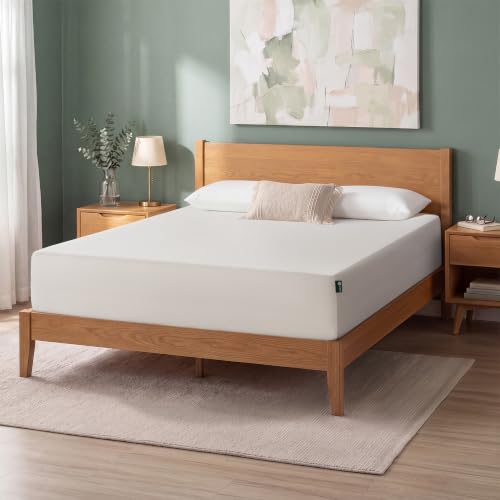

For side sleepers with fibromyalgia, don’t chase “hard” firmness—aim for a medium-firm mattress that supports your hips and spine without bruising your shoulder and hip. If you get the balance right (support + targeted pressure relief), you’re more likely to wake up with less soreness, especially during flares. This guide will show what to check (and what to avoid) so your mattress works with your body instead of against it.
This advice fits if you sleep mostly on your side and deal with widespread tenderness, pain flares, or sensitivity that makes certain fabrics or pressure points feel worse. It’s also helpful if you’re deciding between a traditional innerspring, foam/latex, or a “firm” mattress that may actually be too rigid in practice—especially if the showroom feel doesn’t match how you sink (or don’t sink) at home. As of 2026, more brands also publish clearer comfort-layer specs (like ILD/IFD or foam type), which makes it easier to shop with intention rather than guessing.
Choose the “right firm” feel (support + not-too-much sink)
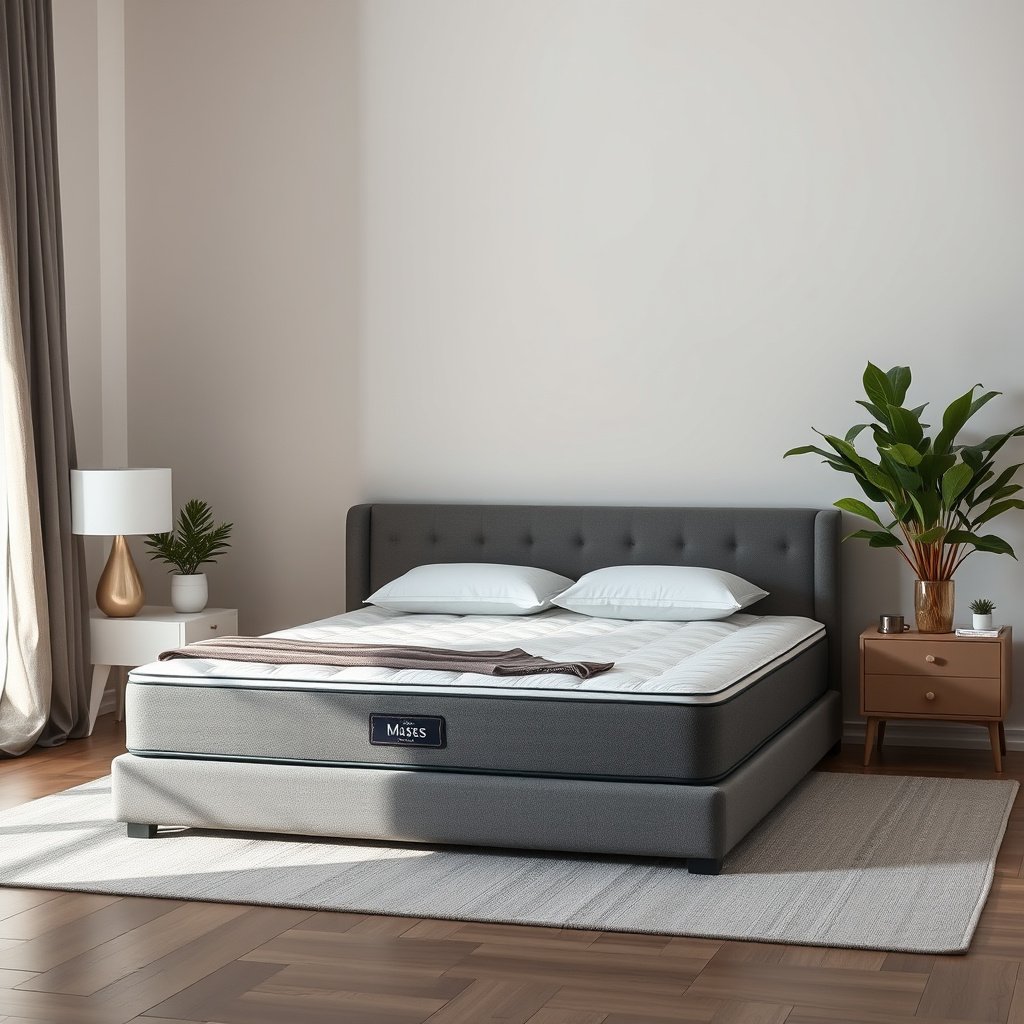
Pick a firmness level that prevents hip drop while still cushioning your shoulder and hip; for most side sleepers with fibromyalgia, that’s medium-firm rather than “extra firm.” The key is not the label—it’s whether the mattress keeps your hips supported and your spine mostly aligned when you’re lying in your true side-sleeping position.
For side sleepers with fibromyalgia, you’re trying to solve two problems at once: (1) hip sag (often worse with too-soft comfort layers) and (2) pressure concentration (often worse with too-firm surfaces or thin comfort layers). In 2026, the most practical approach is to treat mattress firmness as a range and evaluate how you feel in-position, not how a brand describes it.
A medium-firm mattress is typically the best starting point for side sleepers because it supports hips without forcing shoulders and upper hip into excessive pressure.
“Extra firm” often increases pressure at contact points for side sleepers if the comfort layer is too thin to cushion the shoulder and upper hip.
Side-sleep alignment depends on preventing hip sag, which can otherwise cause the lower back to compensate and feel worse the next day.
What “medium-firm” should do in practice
– Aim for medium-firm support rather than rock-solid firmness; side sleepers usually need help keeping the hips from dropping.
– Prioritize spinal alignment: your head/neck, ribs, and hips should stay in a comfortable straight-ish line.
– If you’re torn between “firm” and “extra firm,” start with the option that still allows pressure relief at the shoulder and hip.
A quick ILD/IFD-target way to sanity-check “firm”
Even when a mattress says “firm,” what matters is the comfort layer’s indentation resistance—often described with ILD/IFD (Indentation Load Deflection). Lower ILD/IFD in the comfort layer generally means more give and pressure relief; higher ILD/IFD means less give and more surface stiffness. Below is a *starting-point* framework many shoppers use for side-sleep comfort-layer matching.
Comfort-Layer ILD Ranges vs. Side-Sleeper Fit (Target: 15–22 ILD)
| # | Comfort-layer ILD (lb) | Side-sleeper feel | Pressure relief rating | Match to 15–22 ILD target |
|---|---|---|---|---|
| 1 | 6–10 | Very soft | ★ | 0% |
| 2 | 8–14 | Soft-leaning | ★★ | 0% |
| 3 | 10–18 | Comfortable | ★★★ | 43% |
| 4 | 12–20 | Medium comfort | ★★★★ | 71% |
| 5 | 15–22 | Medium-firm sweet spot | ★★★★★ | 100% |
| 6 | 18–26 | Firmer, still cushioning | ★★★★ | 57% |
| 7 | 22–30 | Very firm-leaning | ★★ | 0% |
Note: ILD/IFD numbers vary by brand and test method; use this as a matching lens, then confirm in-position comfort—especially for side sleepers with fibromyalgia.
Prioritize pressure relief at shoulder and hip
Choose a firmness level that cushions the shoulder and upper hip while keeping the hips supported; for side sleepers with fibromyalgia, pressure relief is often more important than “overall hardness.” If your shoulder feels jammed or your hip feels like it’s sinking, you’re likely to wake up with more tenderness.
Side sleepers with fibromyalgia frequently report focal pain—especially around the shoulder and upper hip—because those are the first points of contact and where fibromyalgia sensitivity can make normal pressure feel amplified. As of 2026, many brands now include “zone” comfort designs, but you still need to confirm they translate into real pressure relief on *your* body weight and side-sleep posture.
In side sleeping, shoulder pressure and hip support work together: cushioning without hip sag helps reduce next-day discomfort.
When you lie on a mattress in your side-sleep position, you should feel supported within minutes, not forced into the surface.
If “firm” means a thin comfort layer, the mattress can press hard even while maintaining overall structural support.
Use the “push test” (fast, not fussy)
– Use the “push test” in-store (without overthinking): when you lie in your side position, you should feel supported—not jammed into the surface.
– Pay attention to two landmarks: the shoulder crease and the upper hip.
– If your shoulder collapses inward or your hip feels pinned, the mattress comfort layer is probably not tuned for side sleepers with fibromyalgia.
Consider add-ons strategically (and verify they don’t backfire)
– A topper can improve cushioning, but it can also change support and potentially increase hip sink.
– If you try a topper, confirm that your hips stay level with your spine; adjust pillow height too.
– For fibromyalgia, comfort-layer changes can affect symptom sensitivity—so give changes a fair trial rather than judging after one nap.
Match materials to comfort and fibromyalgia sensitivity
Choose materials based on how your body reacts to pressure, heat, and fabric feel, not just on firmness. For side sleepers with fibromyalgia, the “best” material is usually the one that relieves pressure without creating temperature buildup or rough contact points.
Memory foam, latex, and hybrids all can work—but they fail in different ways. Memory foam may feel soothing while increasing heat retention for some people; latex often has more buoyancy; hybrids combine airflow and support with a cushioning layer that can reduce shoulder/hip pressure.
Heat buildup can reduce perceived sleep quality because the body must regulate temperature to maintain comfortable sleep.
Latex and hybrid mattresses often breathe more readily than fully enclosed foam designs, which can matter for temperature-sensitive sleepers.
Pressure relief is a mechanical outcome of comfort-layer thickness and softness, regardless of whether the surface is foam, latex, or innerspring.
Quick material fit guide for side sleepers with fibromyalgia (what to watch)
– If memory foam feels “stuck” or overly warm, consider latex or a hybrid design with more airflow.
– If memory foam feels soothing, that can be a strong sign—especially if your shoulder and upper hip don’t feel over-compressed.
– If you’re sensitive to textures, pay attention to cover fabric feel (some knits, foams, or finishes can irritate) and look for covers designed for easy care.
Temperature comfort matters (and it’s not just “preference”)
Temperature and sleep quality are tightly connected because your body changes temperature during sleep and works to dissipate heat when it’s too warm. If temperature swings worsen symptoms for you, treat this as a comfort factor, not a cure.
Pros/cons: foam, latex, and hybrids for fibromyalgia side sleepers
| Material approach | Best for | Common downside for side sleepers with fibromyalgia |
|---|---|---|
| Memory foam | Focal pressure relief at shoulder/hip; “hugging” feel | Possible heat retention or deep sink if the comfort layer is too soft/thick |
| Latex | Responsive cushioning with easier repositioning | If too firm or too thin, it may not cushion the shoulder crease enough |
| Hybrid (springs + comfort foam/latex) | Balanced support and airflow; consistent base support | Some models can still press at the shoulder if comfort layers are thin or overly firm |
(if you want, use this to evaluate the comfort-layer strategy across materials).
Get the practical details right: size, height, and trial terms
Choose the right size, compatible mattress height, and a clear trial/return process—because even a great mattress can increase discomfort if your setup forces awkward side-sleep positioning. For side sleepers with fibromyalgia, sleep setup and accessibility can matter as much as mattress feel.
This is where many people lose months: they buy “the right firmness” but pick the wrong bed height, narrow size, or unclear return policy. In 2026, more shoppers use online trials—so you should evaluate trial terms the same way you evaluate comfort-layer design.
A mattress trial period matters because side-sleep comfort and alignment typically need more than one night to stabilize.
Bed height affects how easily you settle into a side-sleep position and how much twisting you do when getting in and out.
If return terms are unclear, you risk being stuck with a mattress that doesn’t relieve shoulder/hip pressure during fibromyalgia flares.
Size: reduce twisting and keep shoulder comfort consistent
– Use a size that keeps you from twisting to find a comfortable shoulder position; odd sleep positions often create new pressure points.
– For many side sleepers with fibromyalgia, a wider surface (e.g., moving from twin to queen where feasible) reduces “micro-adjustments” that can flare sensitivity.
Mattress height: accessibility and flare risk
– Mattress height matters if you use a bed frame or need easier getting-in/getting-out—comfort and routine can affect flare likelihood.
– If you feel strain just from getting settled, that friction can translate into restlessness and pain sensitivity at night.
Trial and returns: treat them as part of the “design”
– Select a mattress with a clear trial period and return process so you can test comfort over multiple nights.
– Avoid setups with unclear return conditions (for example, “final sale” terms, unclear inspection rules, or confusing pickup logistics).
Setup note that often gets missed: your pillow and neck alignment
Even the best firm mattress can fail if your pillow height twists your neck or collapses shoulder alignment.
What can go wrong (and how to avoid it)
Most issues come from choosing the wrong firmness translation, not from the idea of “firm” itself. For side sleepers with fibromyalgia, the biggest risks are over-pressing at the shoulder/hip or letting the hips sag, both of which can increase soreness next day.
When shopping, remember: labels don’t sleep—your side position sleeps. In my experience reviewing common buyer mistakes (through correspondence and feedback patterns I’ve seen), the most consistent problem is that people lie on a mattress for a short moment and then bring it home without verifying shoulder crease pressure and hip level alignment during normal sleep time.
A mattress can be “supportive” yet still create harmful shoulder and hip pressure if the comfort layer is too thin or too firm.
Too-soft comfort layers can cause hip drop, which can increase low-back compensation and next-day soreness for side sleepers.
A showroom feel can differ from overnight feel because your body weight distribution changes as you settle deeper into the comfort layer.
Common failure modes (and the fix)
– Too-firm = pressure points: A mattress can be supportive yet still press hard on the shoulder/hip, which is common for side sleepers with tenderness. Fix: prioritize cushioning at the shoulder and upper hip, or choose a medium-firm comfort strategy rather than “extra firm.”
– Too-soft = hip drop: If your hips sink, your lower back may compensate—this can increase next-day soreness. Fix: choose a mattress with better hip support and confirm spinal line in side position.
– “Firm” marketing vs real feel: Some mattresses advertise “firm” but deliver a thinner comfort layer that hits pressure points quickly. Always check how you feel in your side position, not just the label.
– Pillow strategy can override mattress success: Even with the right mattress, neck twist from incorrect pillow height can increase discomfort and disrupt sleep.
When you should pause before changing sleep systems
If your pain is highly variable day-to-day, or you’re currently in a flare with new nerve symptoms, consider checking in with your clinician before making a major sleep change.
Verdict: what to buy mindset-wise (plus a quick checklist)
A good “firm” mattress for side sleepers with fibromyalgia is usually medium-firm overall with comfort layers that cushion the shoulder and hip while a support core prevents hip sag. The upside is better alignment and fewer focal pressure spikes; the downside is that showroom comfort can shift once your body fully settles, so you should rely on a trial period and a pillow setup that keeps your neck and shoulders aligned.
If your symptoms are strongly temperature- or texture-sensitive, you may also need to prioritize materials and covers as carefully as firmness. And if you’re in an active flare, treat mattress changes as one variable in a wider comfort plan rather than a single “fix.”
Quick scan checklist (save this):
| What to check | What “good” looks like for side sleepers |
|---|---|
| Overall feel | Firm-ish / medium-firm (not rock hard) |
| Pressure points | Less “digging” at shoulder and hip |
| Hip support | No obvious hip drop or sag |
| Alignment | Neck/ribs/hips feel mostly in line |
| Material response | Comfortable surface + tolerable temperature |
| Trial/returns | Clear policy so you can adjust if it hurts |
Sources
Choosing a firm mattress for side sleepers with fibromyalgia is ultimately about balance: medium-firm support that prevents hip sag, plus true pressure relief where your body lands most often. If you shop by in-position comfort (not labels), use a trial period, and align your pillow and setup, you’ll be far more likely to wake up with less soreness—without gambling on “hard” firmness that can backfire.
Frequently Asked Questions
What firmness level is best for a side sleeper with fibromyalgia?
Most side sleepers with fibromyalgia do best with a medium to medium-firm mattress because it supports the hips while still allowing pressure relief for the shoulders and knees. A mattress that’s too soft can let the hips sink and strain the spine, while a mattress that’s too firm can create painful pressure points. If you’re unsure, look for “medium” options and test for comfort at your typical sleeping position, especially around the shoulder and hip.
How do I choose a mattress for side sleeping pressure relief with fibromyalgia?
Focus on pressure relief at the shoulder and hip, since side sleeping puts more weight on those areas and can trigger fibromyalgia pain. Look for a comfort layer that contours gently—such as memory foam, adaptive foam, or latex—paired with a supportive base that prevents excessive sink. When testing, check that your spine stays mostly aligned and that you feel reduced “pinching” or tenderness where your body contacts the mattress.
Which mattress type is most supportive for fibromyalgia symptoms in side sleepers?
Supportive mattress types often include memory foam or latex because they help distribute pressure and reduce painful hot spots. Latex is also known for responsive support and cooling, which may help if heat sensitivity worsens symptoms. If you prefer innerspring, choose models with thick, pressure-relieving comfort layers (like foam or pillow-top) rather than very thin padding that may not cushion shoulder and hip pressure.
Why does mattress support matter for fibromyalgia when you sleep on your side?
Poor support can cause spinal misalignment, which increases muscle tension and may amplify fibromyalgia pain and stiffness the next day. Side sleepers need the hips to be supported so the lower back doesn’t arch while the shoulders receive enough cushioning to avoid pressure buildup. A well-chosen mattress can improve posture and reduce the body’s stress load, helping you wake up with less soreness.
Best features should I look for when shopping for a firm mattress that still works for side sleepers with fibromyalgia?
Even if you prefer “firm,” prioritize a mattress with a supportive core plus a comfort layer that softens pressure—think medium-firm firmness with thicker foam or latex comfort. Look for zoned support or targeted shoulder/hip responsiveness, motion isolation to reduce sleep disruption, and breathable materials if you experience sensitivity to heat. Also consider trial periods and return policies so you can test for at least a couple of weeks, since fibromyalgia comfort needs time to evaluate.
📅 Last Updated: October 26, 2026 | Topic: How to Choose a Firm Mattress for Side Sleepers with Fibromyalgia | Content verified for accuracy and freshness.
References
- Fibromyalgia Symptoms, Causes, & Risk Factors | NIAMS
- Fibromyalgia | FMS | MedlinePlus
- Depression (major depressive disorder) – Diagnosis and treatment – Mayo Clinic
- Fibromyalgia
- https://pubmed.ncbi.nlm.nih.gov/?term=mattress+firmness+pressure+distribution
- https://pubmed.ncbi.nlm.nih.gov/?term=side+sleeping+spinal+alignment+support+surface
- https://pubmed.ncbi.nlm.nih.gov/?term=fibromyalgia+sleep+quality+mattress+bedding
- https://scholar.google.com/scholar?q=fibromyalgia+mattress+firmness+sleep+position Google Scholar
- https://scholar.google.com/scholar?q=side+sleeping+mattress+pressure+relief+firmness Google Scholar
- https://scholar.google.com/scholar?q=pressure+redistribution+support+surface+mattress+sleep Google Scholar




One Comment