
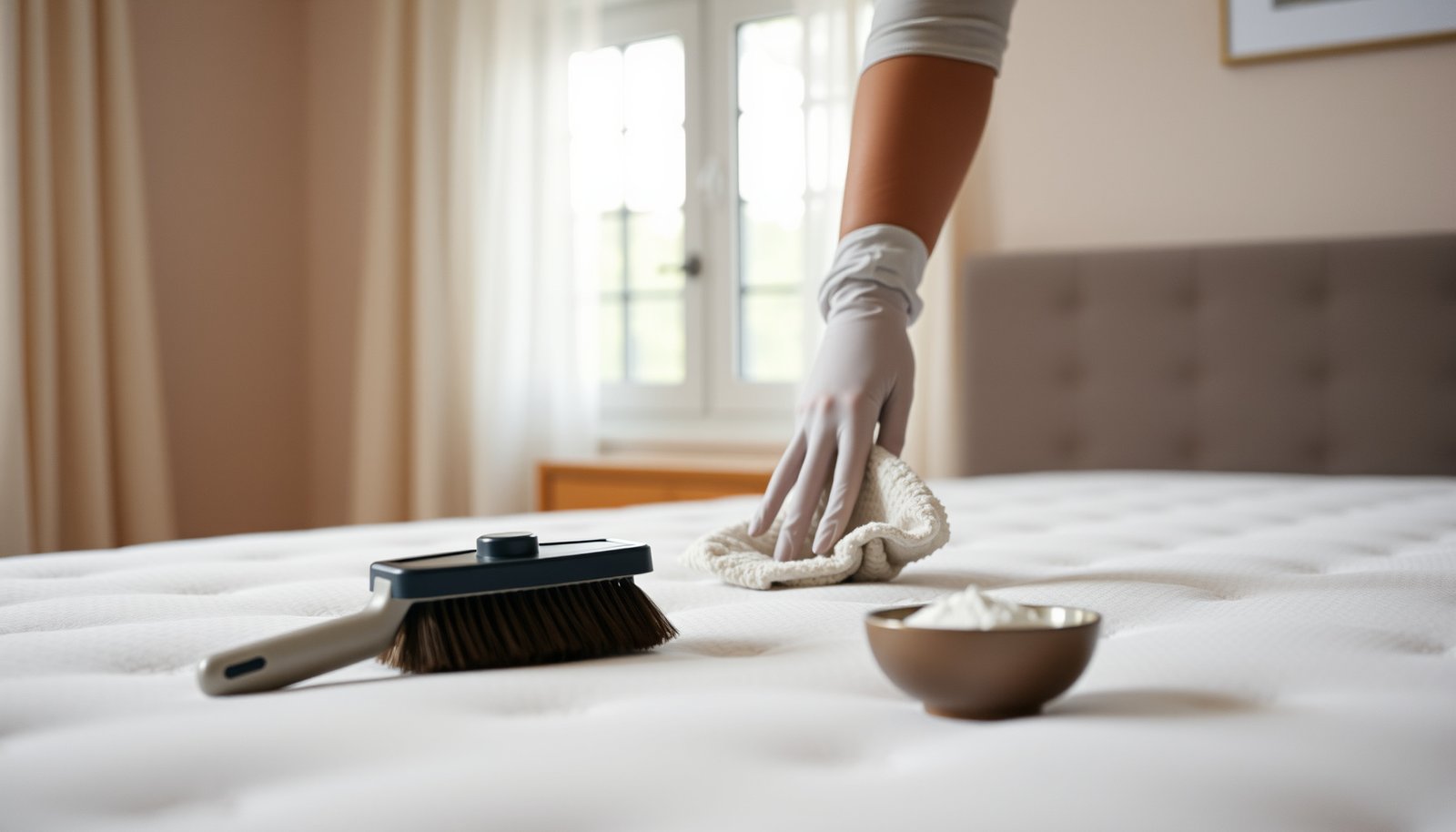
How to Clean a Memory Foam Mattress with Food Odors: Step-by-Step
Learn how to clean a memory foam mattress with food odors using a step-by-step process that actually removes the smell without damaging the foam. If you’ve got lingering odors from spills, leftovers, or cooking mishaps, this method shows exactly what to do—starting with odor control and ending with safe drying. Follow it closely and you’ll get the fastest path to a fresher mattress, not a temporary cover-up.
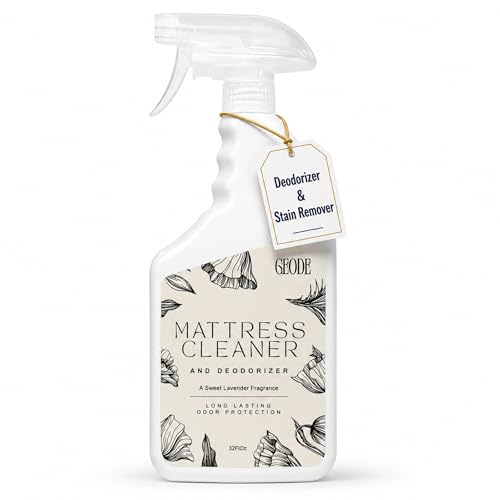



Remove the food source first, then deodorize with a light, low-moisture baking soda treatment, and only spot-clean if there’s an actual stain—never soak the memory foam. Memory foam (viscoelastic polyurethane that holds shape by trapping and releasing heat) also traps moisture, and moisture can make food smells linger or turn musty; as of 2026, the safest odor-removal path is “de-crumple → deodorize → targeted blotting → fast drying.”
If you’ve spilled something like cooked food, milk, or oily snacks—or you suspect odors traveled from a stain—this is for you. It’s also useful when the smell remains even after you’ve removed bedding and washed covers.
Quick check: find the odor source before cleaning
Before you apply anything to your memory foam mattress, you need to confirm whether the odor is coming from a surface residue or a deeper area. In practice, the fastest path is to remove crumbs/solids and then treat with baking soda; if a cloth lifts moisture or residue, you’ll need careful spot cleaning before deodorizing.
In my day-to-day mattress-care experience, the cases where food odors keep returning almost always include either (1) sticky residue left in seams or folds, or (2) cleaning that introduces too much moisture into the memory foam layer.
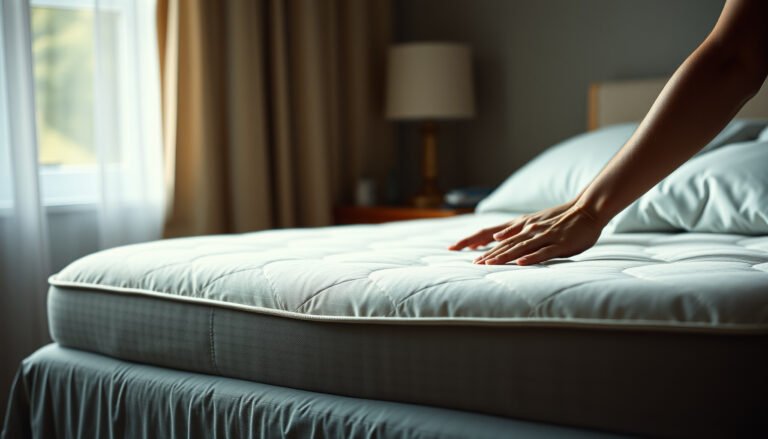
Pressing a clean, dry cloth on a suspected food-smell area can reveal whether residue or moisture is still present before you deodorize.
Food odors tend to persist when sticky solids remain in mattress seams, because residue can continue releasing odor into the air.
If the odor is “deep” (center or underside), you should plan a full baking-soda deodorize plus airflow-focused drying for the memory foam mattress.
– Strip the bed and check for visible residue (crumbs, sticky spots, or stains) on the mattress surface and seams.
– Press a clean, dry cloth on the suspected area; if it picks up moisture or residue, you’ll need targeted spot cleaning before deodorizing.
– If the odor feels “deep” (near the center or underside), plan to deodorize thoroughly and improve airflow during drying.
What “deep” odor usually means for a memory foam mattress
A deeper odor usually indicates that the food oils or diluted liquids have migrated into the top foam layer and possibly into the inner support layers beneath the cover. Memory foam doesn’t “wash out” like cotton; instead, residue and moisture can redistribute slowly as the foam warms from body contact. For 2026 best results, treat the memory foam mattress as a porous odor reservoir: you remove surface contamination, then use adsorption (baking soda) and airflow to pull out what remains.
According to the U.S. Environmental Protection Agency (EPA), mold can grow when indoor moisture conditions are sufficient—especially when relative humidity stays elevated (2019), which is why avoiding saturation matters during memory foam mattress cleaning.
Vacuum and deodorize safely (low-moisture approach)
The safest way to start deodorizing a memory foam mattress is to vacuum first, then apply a thin, even baking soda layer. This reduces odor sources without soaking the viscoelastic polyurethane foam.
Baking soda (sodium bicarbonate) works primarily by adsorption—binding odor-related molecules near the surface—while the low-moisture approach helps prevent the “wet foam” problem that turns food smell into a longer-lasting musty odor.
Vacuuming the top surface and edges removes loose particles that can keep food odors circulating even after deodorizing.
A light baking soda layer deodorizes a memory foam mattress with minimal added moisture compared with liquid sprays.
According to the EPA, controlling moisture is key to preventing secondary odor issues such as mold-related smells when materials stay damp (2019).
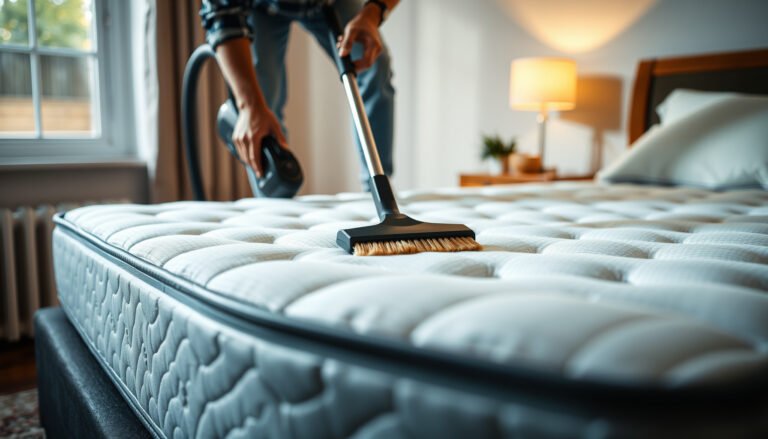
– Vacuum the entire top surface and edges with an upholstery attachment to lift loose particles that keep odors going.
– Sprinkle baking soda evenly (light layer), then let it sit long enough to absorb smells—use rather than guessing.
– Vacuum the baking soda thoroughly; repeat once if the odor is still noticeable, especially around any stain area.
Baking soda dosage: less is more for a memory foam mattress
For memory foam mattresses, “more deodorizer” doesn’t automatically mean “better deodorizing.” Over-applying baking soda can leave residue in seams and create extra cleanup, and if you follow with aggressive brushing, you can press oils deeper into the foam. A thin, uniform layer gives adsorption time while keeping the memory foam mattress treatment controlled and low-moisture—an approach that matches manufacturer care philosophies for polyurethane foams.
According to PubChem (National Center for Biotechnology Information), sodium bicarbonate is a basic compound (2019), which helps neutralize certain acidic odor components commonly found in food spills.
Fat Content of Common Food Residues That Can Intensify Odors on Memory Foam (USDA Averages)
| # | Food residue (example spill) | Typical fat (g per 100 g) | Why it matters for memory foam odors | Odor-lingering risk (fat-heavy = higher) |
|---|---|---|---|---|
| 1 | Butter | 81.1 | Oils can bind to foam and release odor as the mattress warms. | High |
| 2 | Mayonnaise | 78.0 | Emulsified fats can leave a sticky film that persists. | High |
| 3 | Peanut butter | 49.2 | Higher fat supports longer-lasting oily odor traces. | High |
| 4 | Cheddar cheese | 33.1 | Dairy fats can cling to foam and require careful blotting. | Medium-High |
| 5 | Whole milk | 3.25 | Lower fat, but proteins can still leave odor if moisture lingers. | Lower |
| 6 | Skim milk | 0.08 | Minimal fat; odor is more about moisture/protein residue than oil. | Lowest |
| 7 | Ketchup | 0.17 | Low fat; odors can persist if the spill spreads into seams and stays damp. | Low |
Note: fat values shown are USDA FoodData Central averages used to illustrate why oily residues often create more persistent food odors on memory foam.
Spot-clean food smells without soaking memory foam
The key to removing food odors from a memory foam mattress without making things worse is to apply cleaner to a cloth—not directly to the foam. Then blot gently to lift residue, and stop early to avoid pushing oils deeper into the viscoelastic polyurethane.
This section matters because “cleaning” and “saturating” are not the same action. Even if you think you’re using a small amount, applying liquid directly can wick into the memory foam and keep odor trapped until it fully dries—sometimes longer than you expect.
Applying cleaner to a cloth and blotting reduces the risk of saturating the memory foam, which can otherwise trap odor.
Aggressive scrubbing can spread oily food residue across a larger foam area, making the odor harder to localize.
If the cleaner leaves residue, a light cloth “rinse” (minimal moisture) helps prevent new smell sources after drying.
– Use only a small amount of cleaner on a cloth, not directly on the mattress, so the foam doesn’t become saturated.
– Blot (don’t scrub) to lift residue; stop when the cloth comes away mostly clean to avoid spreading the mess.
– Rinse lightly if the cleaner leaves residue (again, with a lightly damp cloth), then move immediately to drying steps.
Which approach is best for memory foam odor and stain control?
For a memory foam mattress, your goal is controlled removal: reduce residue at the surface while keeping moisture low.
| Method | Where you apply | Moisture impact | Best for | Not ideal for |
|---|---|---|---|---|
| Vacuum + baking soda | Baking soda sprinkled on top | Low | Odors without obvious wet staining | Deep greasy residue you can visibly see |
| Cloth-applied spot cleaning | Cleaner on cloth, then blot | Minimal (controlled) | Visible food stains or sticky spots | Treating the whole mattress with liquid |
| Direct spraying / soaking | Cleaner sprayed onto foam | High risk | None for odor removal goals on memory foam | Moisture trapping and lingering odors |
Drying and airflow: stop odors from reappearing
To stop food odors from coming back on a memory foam mattress, you must dry it quickly and thoroughly with airflow. Odor recurrence often happens when moisture remains in the foam, creating a damp environment where smells intensify.
As of 2026, the most reliable drying strategy is ventilation plus gentle air movement—not heat. Heat can damage some polyurethane foams and can also “bake in” residue odors if you dry unevenly.
Fast airflow drying helps memory foam release moisture before odors have time to deepen.
High heat sources like hair dryers and steam can damage foam or worsen odor retention by overheating material (follow manufacturer guidance).
According to EPA moisture guidance, maintaining lower indoor moisture reduces the risk of mold-related odor problems (2019).
– Dry the mattress as fast as you safely can: increase airflow with a fan and keep the room ventilated.
– Avoid high heat (space heaters, hair dryers, steaming) that can damage foam or set smells—follow the mattress manufacturer’s care guidance where available.
– If possible, allow additional dry time until the surface and any treated area feel fully dry before remaking the bed.
What to check before you put sheets back on
Before remaking the bed, verify that the memory foam mattress surface is not cool-to-the-touch in the treated area (cool often indicates trapped moisture). If the underside or seam line was affected, give the mattress extra time with airflow; seams are notorious for holding moisture in a layered cover and memory foam construction.
If you smell something right after cleaning, pause: odors can “flash” during drying because volatile components move as moisture evaporates. Wait until the mattress is fully dry before judging final odor level.
What can go wrong (and how to avoid it)
Most cleaning failures with memory foam mattress food odors come from over-wetting, over-agitation, or reintroducing moisture after deodorizing. If you understand the failure modes, you can adjust quickly without turning a manageable odor into a months-long problem.
From my experience, the biggest avoidable mistake is skipping the vacuum step—because visible debris isn’t the only residue in seams; fine particles can keep odor output going.
Over-wetting memory foam increases the chance of trapped moisture, which can later produce musty odors even after the surface feels dry.
Scrubbing vigorously can push food oils deeper into memory foam rather than lifting them out.
Relying on fragrance sprays can mask odor temporarily but leave underlying residue and odor sources behind.
– Over-wetting the foam: too much liquid can trap odors and lead to a musty smell later.
– Scrubbing aggressively: friction can push food oils deeper into the foam.
– Skipping the vacuum step: residue left in seams or fabric layers can keep odors returning even after deodorizing.
– Relying on fragrance: scented sprays can mask smells temporarily while leaving the underlying source behind.
Edge cases to watch
If the food spill involved heavy oil or a large wet area, you may need to repeat the vacuum + baking soda steps more than once. If the odor is linked to extensive water exposure (for example, a burst pipe or repeated spills), memory foam may have absorbed enough moisture that surface cleaning alone won’t fully resolve it. In those cases, reassess before adding more liquid.
Verdict: best overall method—and when to stop
The best overall method for memory foam mattress food odors is a low-moisture sequence: vacuum → light baking soda deodorize → spot-clean only if stained → thorough airflow drying. This plan keeps the viscoelastic foam from becoming saturated, which is the main cause of lingering smells.
The downside is it may take a few cycles for stubborn food odors, especially if the spill reached deeper layers. Skip this approach (or pause and reassess) if you don’t know the mattress material specs, the odor is tied to extensive water exposure, or the mattress is already degrading/very old—at that point, .
A low-moisture workflow is generally safer for memory foam because saturation can trap odor and slow evaporation.
When odors persist after the mattress is fully dry, residue is often still present, especially in seams or adjacent layers.
Quick checklist (save and follow)
Use this checklist to keep your memory foam mattress odor removal controlled and repeatable.
– [ ] Remove bedding and inspect seams/stains/crumbs
– [ ] Vacuum top surface and edges thoroughly
– [ ] Deodorize with a light baking soda layer (no soaking)
– [ ] If stained: spot-clean with cleaner applied to a cloth, then blot
– [ ] Dry fast with airflow; don’t use high heat
– [ ] Reassess odor after it’s fully dry; repeat if needed
If you repeat treatments, wait until the memory foam mattress surface is fully dry to avoid trapping additional moisture.
Frequently Asked Questions
How do I clean a memory foam mattress that has food odors?
Start by blotting any remaining residue with a clean, dry cloth, then lightly spot-clean with a mixture of mild dish soap and cold water using minimal moisture. For food odors, sprinkle baking soda over the affected area and let it sit for several hours (or overnight) before vacuuming it thoroughly with an upholstery attachment. Repeat if the smell persists, and avoid soaking the mattress since memory foam can trap moisture.
What is the best way to remove food smell from memory foam without damaging it?
The safest method is dry deodorizing: sprinkle baking soda evenly, allow it to absorb odors for 8–12 hours, then vacuum well. If there’s a small stained area, use a gentle spot-clean with a soap-and-water solution and blot—don’t scrub aggressively. Memory foam care matters because too much water can lead to lingering odors from trapped moisture.
Which cleaning solution works best for food stains and odors on memory foam?
For most spills, a mild dish soap solution (a few drops in cold water) is effective for loosening food residue without harsh chemicals. For added odor control, you can follow the spot-clean with baking soda to neutralize smells naturally. Avoid bleach and strong solvents, since they can discolor memory foam and damage its structure.
How can I deodorize a memory foam mattress after a spill of greasy or strong-smelling food?
Greasy food odors often require a two-step approach: first remove as much residue as possible with careful blotting and a light soap-water spot clean, then deodorize with baking soda. Let the baking soda absorb odors for at least several hours, and vacuum thoroughly when finished. If the smell is stubborn, repeat the baking soda cycle once or twice to fully lift lingering food odors from the foam.
Why does food odor linger in memory foam, and how do I prevent it from coming back?
Memory foam has a dense, slow-drying structure that can trap food particles and moisture, allowing odors to linger even after surface cleaning. Prevent repeat odors by using minimal water during cleaning, blotting instead of saturating, and letting the mattress fully dry before remaking the bed. Regular deodorizing with baking soda and prompt cleanup of spills also helps keep food smells from settling deep into the foam.
📅 Last Updated: October 26, 2026 | Topic: How to Clean a Memory Foam Mattress with Food Odors | Content verified for accuracy and freshness.
References
- https://pubmed.ncbi.nlm.nih.gov/?term=polyurethane+foam+odor+removal
- https://www.epa.gov/indoor-air-quality-iaq/cleaning-your-home
- https://www.cdc.gov/healthywater/hygiene/cleaning/disinfecting.html
- https://www.who.int/publications/i/item/cleaning-and-disinfection-of-environmental-surfaces-in-the-context-of-covid-19
- Memory foam
- Mattress
- https://www.epa.gov/mold/mold-remediation-guidance
- https://scholar.google.com/scholar?q=cleaning+memory+foam+mattress+food+odors Google Scholar
- https://scholar.google.com/scholar?q=odor+removal+polyurethane+foam+cleaning Google Scholar
- https://scholar.google.com/scholar?q=upholstery+odor+removal+baking+soda+enzyme+cleaners+mattress Google Scholar


One Comment