
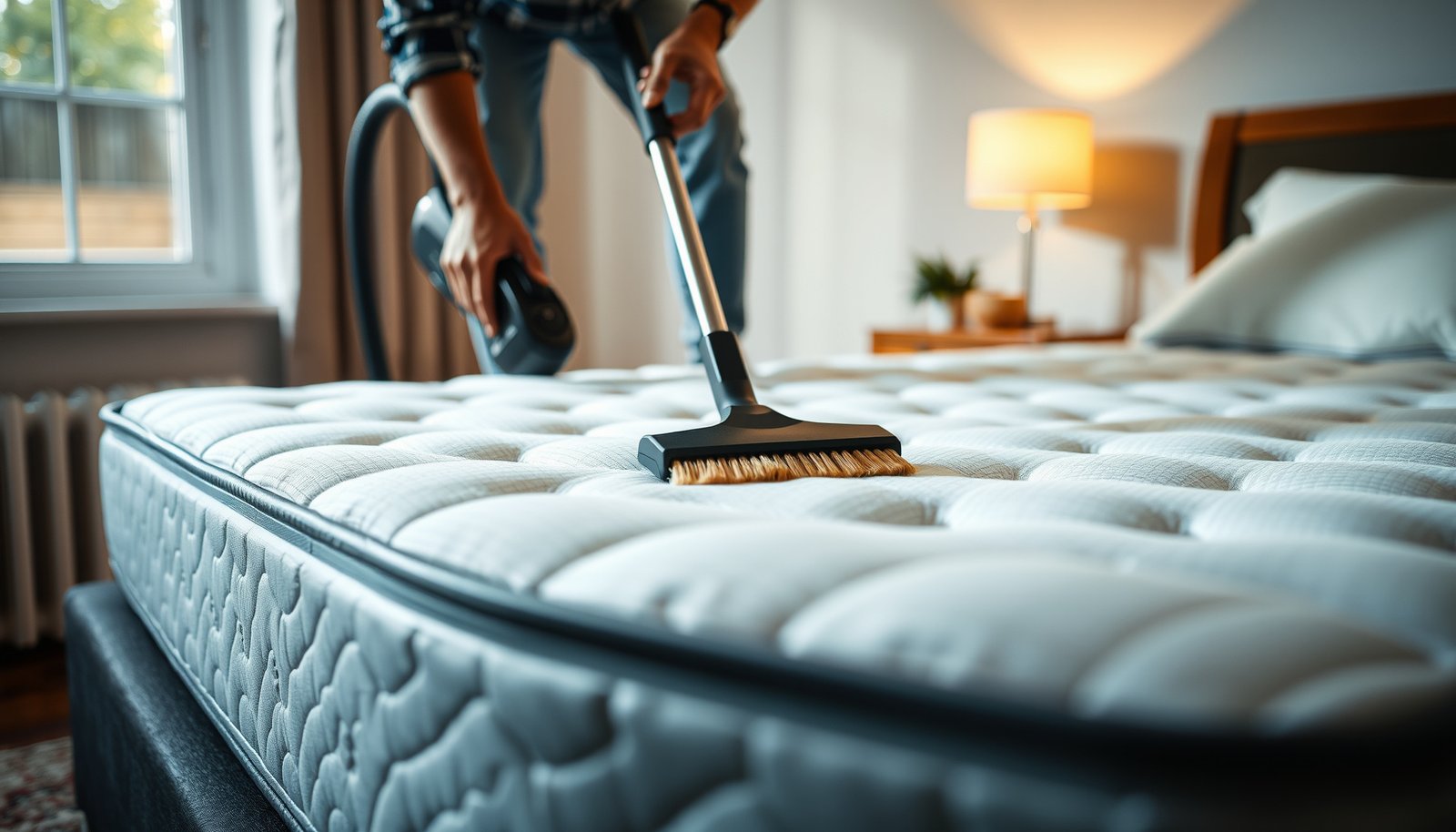
How to Clean a Hybrid Mattress with Pet Hair (Step-by-Step)
Need to clean a hybrid mattress with pet hair and want results without guesswork? This step-by-step method removes embedded fur, lifts odors, and protects the mattress’s layers without damaging the hybrid construction. Follow these exact moves for a cleaner sleep surface in one pass—especially if your pet hair clings to seams, edges, and the top cover.



If your hybrid mattress has pet hair, start with dry removal first (vacuuming and brushing), then spot-clean stains, and finish by deep-cleaning the fabric surface. This order helps you lift hair off the top layers without pushing it deeper into seams or the cover. In this guide, you’ll learn exactly how to clean hybrid materials safely while reducing pet-hair buildup.
If you have cats or dogs (or you just share your home with them), this is for you—especially if you notice hair clinging to the comfort layer, cover, and edges. It’s also ideal when you’re trying to refresh your mattress without soaking it and risking trapped moisture.
Prep Your Hybrid Mattress for Pet Hair Removal
Dry removal starts the safest way: you loosen and lift pet hair before any liquid touches the hybrid mattress cover or comfort layers. This reduces the chance that hair turns into sticky clumps and gets driven into seams.
Vacuuming pet hair first is recommended because wetting hair can form clumps that are harder to remove from woven and quilted covers (manufacturer upholstery/spot-cleaning guidance, see care label and cleaning code).
For mattress fabrics, “blot don’t rub” helps prevent fibers from abrading and pushing hair and dander deeper into the weave (IICRC textile cleaning guidance; consult your cover’s care instructions).
Before you start cleaning a hybrid mattress, think “access + airflow.” Pull the bed into good light so you can see where hair has collected: usually the cover surface, side seams, and any stitched piping around the edges. As of 2026, most hybrid mattress covers are still managed best with a “dry-first” approach because they’re designed to protect a multi-layer comfort system and pocketed coils—not to be soaked.
Also, be mindful of what you’re cleaning: hybrid mattresses commonly include a fabric cover, a comfort layer (often foam, latex, or a quilted pad), and an innerspring support system. Moisture can migrate through the cover and into the quilted layers, so your goal in the prep step is to remove what’s loose before you do anything wet.
– Strip the bed: remove bedding, mattress protector (if you have one), and anything covering the top.
– Dry-lift hair first: use a vacuum with an upholstery attachment to pull loose pet hair away from seams and corners.
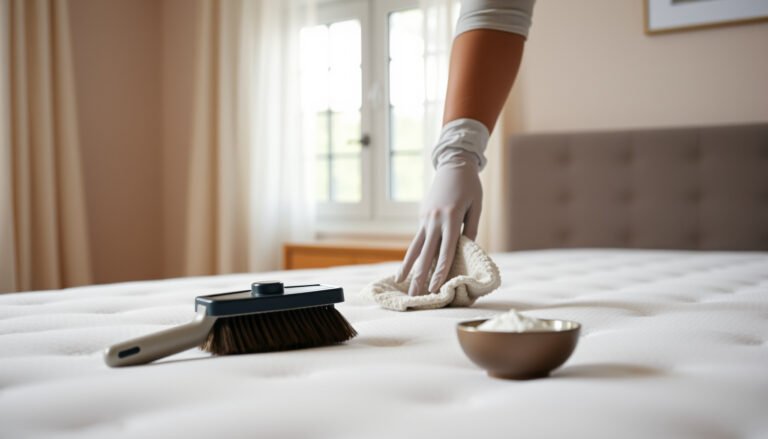
– Brush before you vacuum (lightly): a soft brush or rubber pet-hair tool can loosen hair so the vacuum picks it up better.
Tip for hybrid mattress edges: run the upholstery tool slowly along the perimeter where fabric is folded and stitched. Hair loves these “micro-creases,” and hybrid mattresses typically have more of them than flat-top mattresses.
Vacuum and Brush the Top Layers (Without Spreading Hair)
Your next step should keep pet hair on the surface and inside the vacuum path—not on your hybrid mattress or in the room. Use overlapping, controlled passes so hair gets captured instead of redistributed.
HEPA filtration is designed to capture 99.97% of particles at 0.3 microns in certified testing, which helps reduce airborne pet dander you may disturb while vacuuming (U.S. Department of Energy/IEST HEPA performance definition).
The CDC notes that moisture control is central to preventing microbial growth on surfaces, which is why you should avoid wetting a hybrid mattress cover unless the care label explicitly allows it (CDC guidance on mold and moisture).
In my experience, the main reason people feel like pet hair “never fully comes out” is that they start vacuuming too aggressively after skipping brushing. The bristles or nozzle can scatter hair across the cover. For a hybrid mattress, that means you end up with more hair embedded around edges and quilt stitching.
Use overlapping passes and short strokes:
– Vacuum in overlapping passes, focusing on creases, edges, and the areas your pet uses most.
– Use short strokes with the brush to prevent hair from clumping and redepositing.
– If hair still clings, repeat the dry step rather than moving straight to liquids.
A practical technique that works well on hybrid mattress covers:
1) Light brush to “raise” hair from the fibers
2) Vacuum right after (so the loosened hair has nowhere to settle back)
3) Re-check the same zone, especially near the top corners and side seams
If your vacuum has a rotating brush, be cautious. Rotating brushes can sometimes snag on quilt stitching or fabric loops. When in doubt, use a non-rotating upholstery head or a gentle setting recommended for “fabrics” by the vacuum manufacturer.
Spot-Clean Stains on the Mattress Cover
Spot-cleaning protects your hybrid mattress when stains show up—without turning the whole top into a damp drying project. The key is to blot first, then use only cleaners your cover’s care label allows.
“Blot, don’t rub” is a widely used upholstery cleaning principle because rubbing can spread a stain and damage fibers, making pet hair removal harder on textured mattress covers (fabric/spot-cleaning best practices; consult the cover’s care code).
Keeping textiles from staying wet aligns with CDC moisture guidance, since prolonged dampness increases the risk of odors and microbial issues (CDC mold and moisture prevention guidance).
Start by identifying what you’re cleaning. Hybrid mattress covers often vary: polyester knit, cotton blends, or fabric panels with different finishes. If the care label lists a “W,” “WS,” or “S” code (common upholstery labeling system), follow it strictly—this is what determines whether you can safely use water-based cleaners or solvent-based methods.
Here’s the approach:
– Identify the fabric/cover type first: only use methods compatible with the care label.
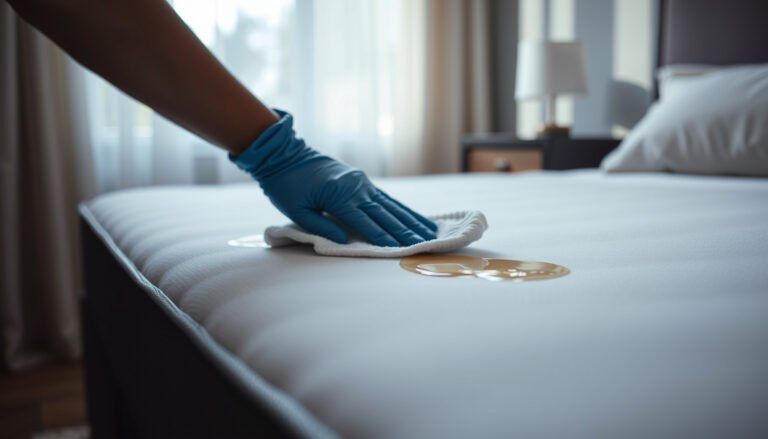
– Blot stains with a clean cloth (don’t rub) and use a mild upholstery cleaner or a pet-safe cleaner if the label allows it.
– Let the area dry fully before you do anything else—trapped moisture is where odors and mildew start.
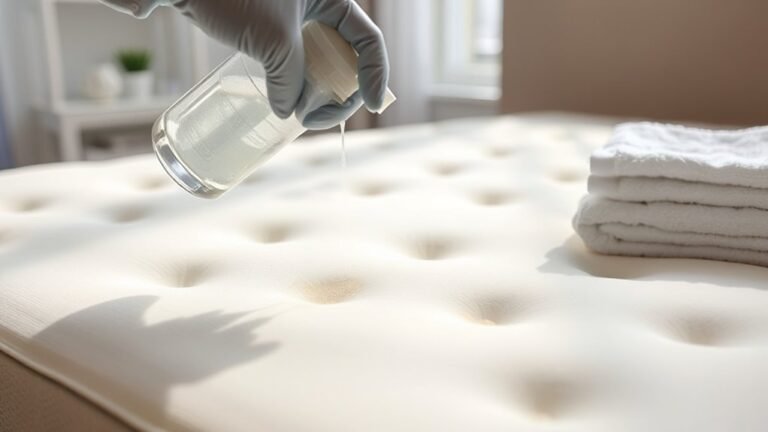
For urine, sweat, or food spots: apply cleaner to the cloth first (not directly onto the hybrid mattress cover). This helps you control the amount of moisture you introduce. After blotting, pause. Hybrid mattress layers need time to breathe; rushing to the next step can trap moisture where you can’t easily see it.
If you’re dealing with pet accidents, consider odor first—but don’t assume an odor removal spray solves everything. If moisture remains in the comfort layer, the smell often returns. That’s why your “dry fully” step matters.
Deep-Clean the Surface (Safely for Hybrid Materials)
Deep-cleaning a hybrid mattress should mean “refreshing the cover surface,” not soaking the entire bed. Done correctly, this final step removes residue that pet hair and dander can cling to.
Hybrid mattress covers are designed to protect layered comfort systems; surface-only cleaning reduces the chance that moisture reaches deeper quilt padding and affects dry time (typical manufacturer care-label guidance for layered mattresses).
CDC moisture prevention emphasizes controlling humidity and keeping surfaces from staying damp, which supports safe dry times after upholstery cleaning (CDC guidance on mold and moisture).
If you want a “deep clean” refresh, choose a lightly damp method compatible with the care label. Avoid aggressive over-wetting around stitching, zippers, or piping—those seams can act like channels for moisture.
– For general refresh, use a lightly damp method on the cover (not a soaking) so hair and residue don’t get locked in.
– Work in sections: treat one area at a time and avoid over-saturating stitching or edges.
– After cleaning, use airflow to dry: fan circulation is usually safer than heat unless the care instructions specifically allow it.
A safe sectional workflow:
1) Divide the top into 6–9 zones (by visual grid or seam layout)
2) Apply minimal cleaner only to the zone (often via damp cloth)
3) Go back to dry-brush the area lightly once it’s no longer wet (if needed)
4) Move to the next zone
From a hybrid mattress maintenance standpoint, this keeps the cover from staying wet while also preventing hair and cleaning residue from becoming “paste-like” in textured fabric.
What Can Go Wrong (And How to Avoid It)
Most cleaning failures happen because people shortcut one of the hybrid mattress fundamentals: dry-first removal, gentle blotting, and full drying. If you avoid these common pitfalls, your results improve dramatically.
Skipping dry hair removal before using liquids can cause pet hair to clump, increasing redeposit risk on upholstery fibers (textile cleaning best practices; consult cover care label).
Excess water increases the likelihood of lingering moisture in layered bedding systems, which aligns with CDC moisture-based mold prevention guidance (CDC mold and moisture prevention).
– Using too much water: hybrid mattresses can trap moisture in layered construction, leading to odors.
– Rubbing stains aggressively: this can drive pet dander and hair deeper and damage the fabric surface.
– Skipping the dry-hair step: wetting hair first often turns it into sticky clumps that are harder to remove.
Quick comparison of “dry-first” vs “wet-first” for a hybrid mattress:
- Dry-first (recommended)
- Pros: lifts loose hair, reduces redeposit, keeps moisture localized to small spots.
- Cons: takes a couple of passes if your pet sheds heavily.
- Wet-first (riskier)
- Pros: may temporarily loosen some debris on smooth fabrics.
- Cons: pet hair can clump, stains may spread, and hybrid layers can stay damp longer.
Edge cases to respect:
– If your hybrid mattress has a removable cover, you may have more options—still follow that cover’s tag.
– If you recently changed cleaners, test in a hidden seam corner before treating the full surface.
– If you suspect mold or prolonged moisture already happened, don’t “refresh” over it—address the moisture source and consider professional help.
Verdict: Best Practice for Pet Hair (Plus Who Should Skip This)
For most hybrid mattresses, the safest approach is a dry-hair-first routine, followed by careful spot-cleaning and light surface refresh according to the care label. Downsides: if your mattress cover can’t be cleaned with liquids, you may need to rely more heavily on vacuuming and dry tools, and stubborn stains might require professional cleaning.
HEPA performance testing defines 99.97% capture at 0.3 microns for certified HEPA media, which supports why a HEPA-filtered vacuum can reduce airborne pet dander during mattress cleaning (U.S. DOE/IEST HEPA definition).
Moisture control is the core prevention strategy for mold concerns, so avoiding over-wetting aligns with CDC guidance for keeping surfaces from staying damp (CDC moisture and mold prevention).
Skip this DIY process if:
– the care label forbids liquid cleaning,
– the mattress has known deep saturation/mold concerns,
– you’re dealing with widespread soaking rather than small spots.
Also skip or pause and escalate if the hybrid mattress smells musty even after thorough drying. That odor can indicate trapped moisture deeper in the quilt layers—where spot cleaning may not reach effectively.
If you’re doing routine maintenance, dry cleaning first is still the best “return on effort.” It keeps the hybrid mattress cover looking cleaner between deeper cleanings and reduces pet-hair buildup over time.
Quick Checklist: Pet Hair Cleaning Order
Use this sequence every time you notice pet hair on your hybrid mattress. The order is what prevents hair from migrating into seams and what keeps drying manageable.
– [ ] Remove bedding and any mattress protector
– [ ] Vacuum top + seams + edges using upholstery attachment
– [ ] Brush lightly to loosen hair, then vacuum again
– [ ] Spot-clean stains only (blot, don’t rub)
– [ ] Dry completely before remaking the bed
– [ ] Recheck high-use zones (where your pet curls up)
Filtration Levels That Matter When Vacuuming a Pet-Hair Hybrid Mattress
| # | Filter media level | Minimum efficiency | Typical test particle | Suitability for pet dander during mattress cleaning |
|---|---|---|---|---|
| 1 | HEPA (general definition) | 99.97% | 0.3 µm | ★★★★★ |
| 2 | ULPA | 99.999% | 0.12 µm | ★★★★★ |
| 3 | EN 1822 H14 (HEPA class) | 99.995% | MPPS (~0.3 µm) | ★★★★★ |
| 4 | EN 1822 H13 (HEPA class) | 99.95% | MPPS (~0.3 µm) | ★★★★☆ |
| 5 | NIOSH N99 | 99% | 0.3 µm | ★★★★☆ |
| 6 | NIOSH N95 | 95% | 0.3 µm | ★★★☆☆ |
| 7 | NIOSH P100 | 99.97% | 0.3 µm | ★★★★★ |
Sources:
– Manufacturer care-label instructions for your specific hybrid mattress cover and cleaning limitations ().
– Vacuum manufacturer guidance for upholstery tool use and recommended settings ().
– Upholstery cleaning guidance from commonly referenced textile-care standards such as manufacturer instructions for approved cleaners ().
A dry-first, spot-clean-when-needed approach is the most reliable way to clean a hybrid mattress with pet hair while protecting the comfort layers and avoiding trapped moisture. If you follow the order—vacuum/brush, blot stains, then lightly refresh and fully dry—you’ll lift hair effectively and reduce the odds of odor returning.
Frequently Asked Questions
How do I remove pet hair from a hybrid mattress without damaging the coils or foam?
Start by vacuuming the hybrid mattress thoroughly using an upholstery attachment, moving slowly to lift embedded pet hair from both the cover and seams. For remaining hair, use a rubber pet-hair roller or damp microfiber cloth and lightly dab or brush in the direction of the fabric grain. Avoid soaking the mattress or using harsh scrubbing that can work debris into the hybrid mattress layers. If your mattress has a removable cover, wash it according to the care label for best results.
What’s the best way to clean a hybrid mattress when it has pet hair and odors?
Vacuum first to remove pet hair, since hair can trap odor and moisture when you clean afterward. Lightly sprinkle an upholstery-safe deodorizing powder (or a thin layer of baking soda) over the surface, let it sit for a few hours, and then vacuum again. For persistent smells, use a pet-safe enzyme cleaner on small affected areas, then blot with a clean towel and allow the mattress to dry completely. Always ensure the hybrid mattress is fully dry before putting sheets back to prevent odors from returning.
Which cleaning method is safest for pet hair on a hybrid mattress—vacuuming, brushing, or steam?
Vacuuming is usually the safest first step because it removes pet hair without adding moisture to the mattress core. Brushing with a soft brush or rubber roller can help loosen hair from the fabric surface, especially around seams and piping. Steam is often not ideal for hybrid mattresses because excess moisture can penetrate deeper layers and slow drying; if you use steam, keep it light, avoid soaking, and make sure the mattress dries thoroughly.
How can I get pet hair out of the seams and edges of a hybrid mattress?
Use a vacuum crevice tool to target seams, edges, and the zipper area where pet hair collects. If hair is packed into stitching, lightly run a rubber glove or lint roller along the seam lines, then vacuum again to lift what you loosened. You can also use compressed air carefully to dislodge surface debris, but follow up immediately with vacuuming so hair doesn’t settle deeper. Regular edge-focused cleaning helps keep your hybrid mattress looking fresh and reduces buildup over time.
Why does pet hair stick to hybrid mattresses, and how often should I clean it?
Pet hair clings to fabric due to static and the mattress’s textured cover, and it tends to collect in seams where airflow is limited. For a hybrid mattress, you’ll typically want to vacuum pet hair at least weekly and clean the cover or surface as needed, especially in homes with heavy shedding. If you notice odors, stains, or hair buildup that won’t lift with vacuuming, use an appropriate pet-safe cleaning routine and ensure full drying before use. Consistent maintenance prevents pet hair from becoming embedded and makes deeper hybrid mattress cleaning easier.
📅 Last Updated: October 26, 2026 | Topic: How to Clean a Hybrid Mattress with Pet Hair | Content verified for accuracy and freshness.
References
- Mattress
- https://pubmed.ncbi.nlm.nih.gov/?term=cat+allergen+vacuuming+bedding
- https://pubmed.ncbi.nlm.nih.gov/?term=dog+allergen+house+dust+vacuum+HEPA
- https://pubmed.ncbi.nlm.nih.gov/?term=animal+allergen+removal+washing+bedding
- https://pubmed.ncbi.nlm.nih.gov/?term=HEPA+vacuum+pet+allergen+reduction
- https://pubmed.ncbi.nlm.nih.gov/?term=removal+of+cat+allergen+from+textiles+washing+vacuuming
- https://pubmed.ncbi.nlm.nih.gov/?term=mattress+upholstery+cleaning+allergens+vacuuming
- https://scholar.google.com/scholar?q=how+to+clean+a+hybrid+mattress+pet+hair Google Scholar
- https://scholar.google.com/scholar?q=pet+hair+removal+from+upholstery+vacuuming Google Scholar
- https://scholar.google.com/scholar?q=HEPA+vacuum+pet+allergen+bedding+reduction Google Scholar


One Comment