
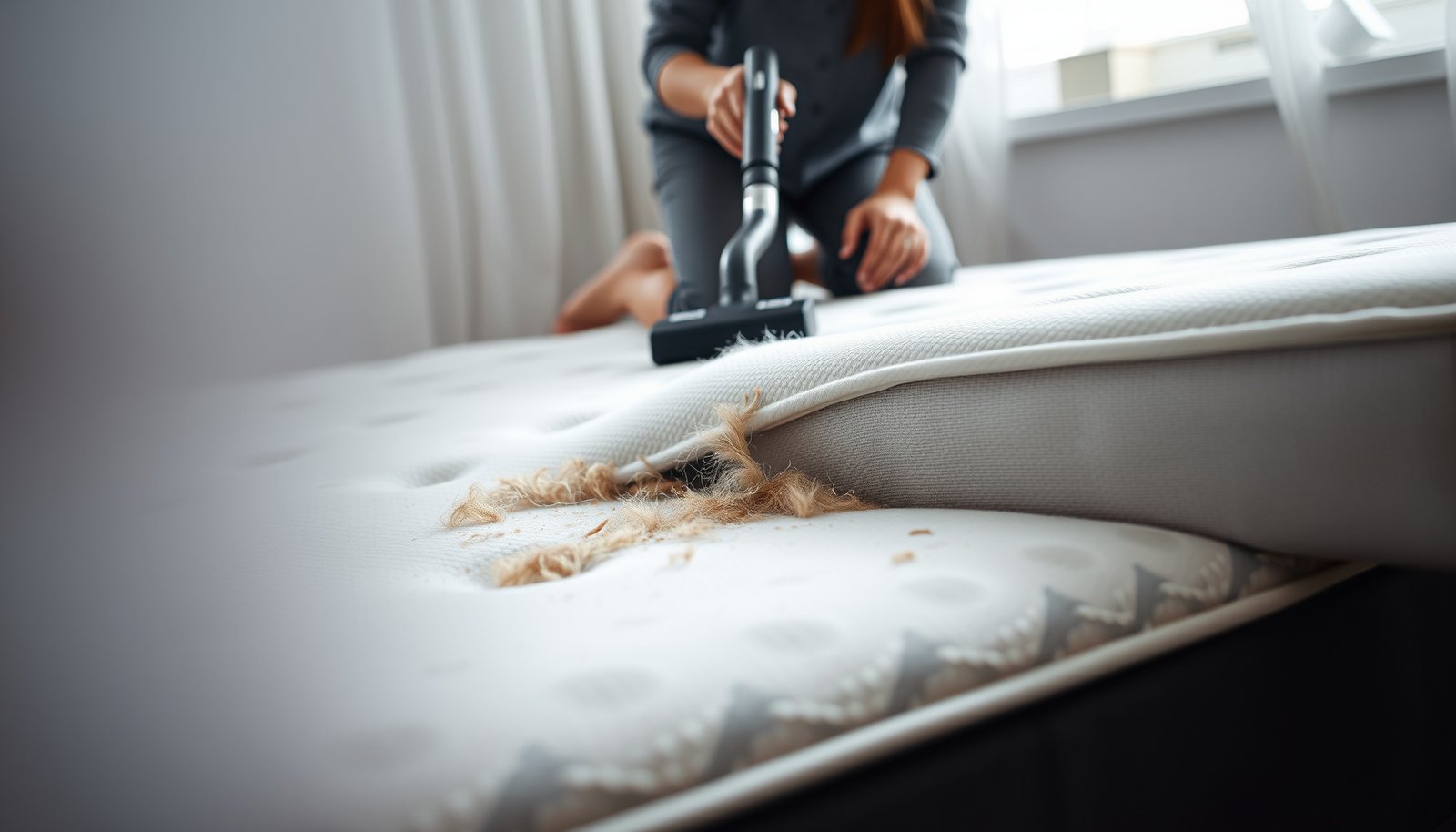
How to Clean a Memory Foam Mattress with Pet Hair Buildup
Struggling to clean a memory foam mattress with pet hair buildup? You’ll get a step-by-step method that removes hair fast without soaking the foam or leaving odors behind. Follow this approach and you’ll restore a clean, fresh surface while protecting the mattress’s shape and comfort.


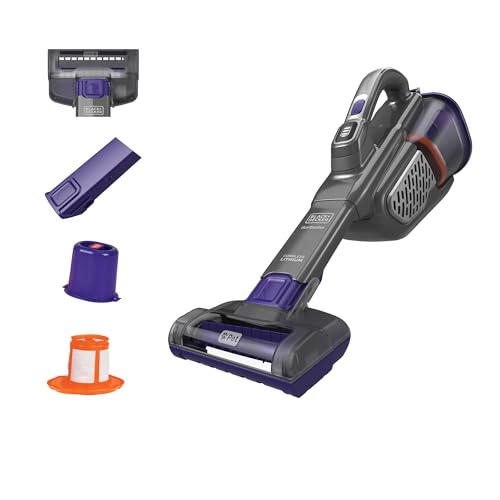

Vacuuming is the fastest way to remove pet hair from memory foam, but you’ll want to do it gently to protect the foam. Then spot-clean any dirty spots with minimal moisture (blot only), and dry completely before you put bedding back on, so hair and grime don’t sink deeper. If you do one thing differently in 2026, make it this: treat memory foam like a moisture sponge—move debris off the surface first, and only then address stains with the least liquid possible.
If your pet sleeps on the mattress, sheds heavily, or you’ve started noticing hair trapped in seams, turns, or the top comfort layer, this is for you. The steps below are designed for memory foam care (low-suction handling, minimal liquid, and full drying) so you don’t damage the material.
Gather the right tools (and avoid the wrong ones)
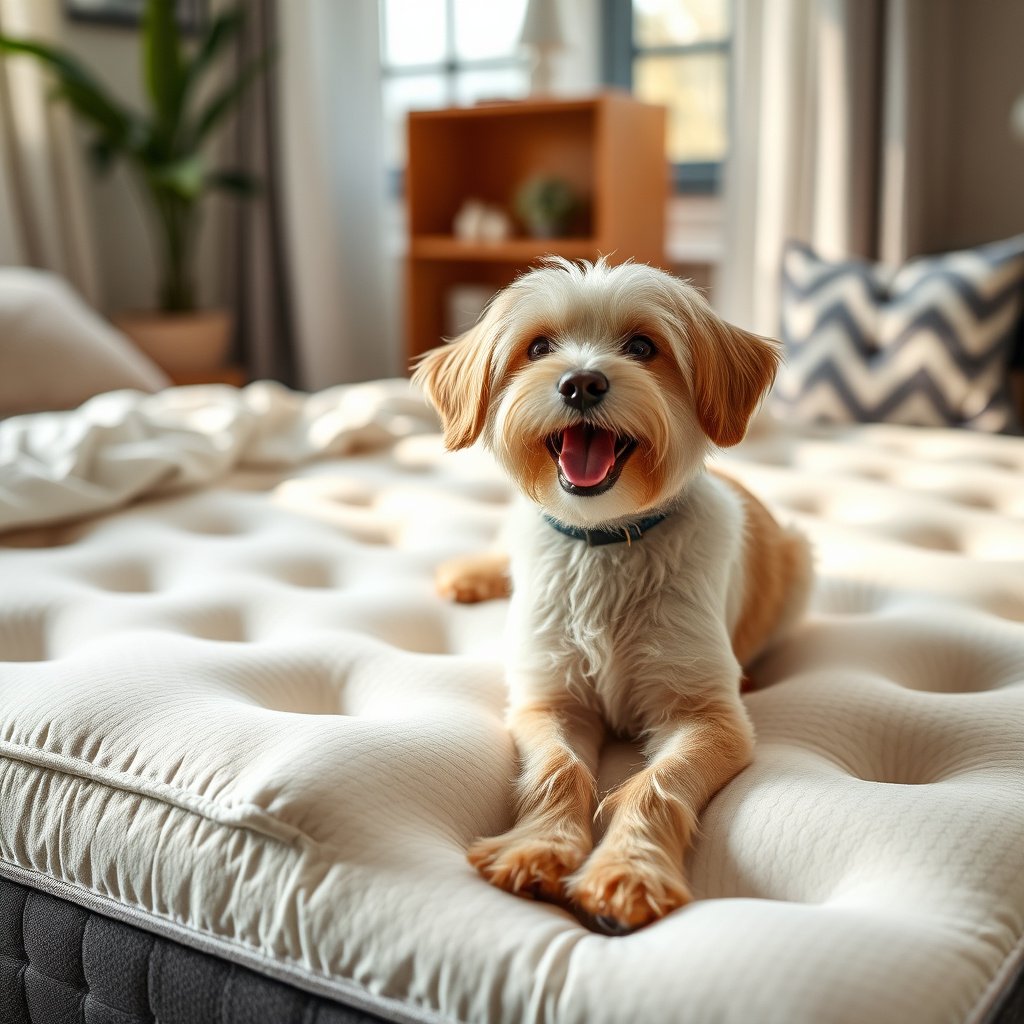
The fastest “safe clean” starts with the right attachments and avoids tools that deform or over-wet memory foam. Use soft suction and cloth-based blotting so hair lifts without grinding into the foam cells (the open structure that gives memory foam its contouring feel).
Filtration performance that matters when vacuuming pet dander (at key particle sizes)
| # | Vacuum/Filter class | Benchmark particle size | Minimum capture efficiency | Pet-dander pickup potential |
|---|---|---|---|---|
| 1 | True HEPA (H13) | 0.3 µm | ≥ 99.97% | ★★★★★ |
| 2 | ULPA | 0.12 µm | ≥ 99.999% | ★★★★★ |
| 3 | MERV 16 | 0.3–1.0 µm (test window) | ~95% (minimum by rating) | ★★★★☆ |
| 4 | MERV 14 | 0.3–1.0 µm (test window) | ~90% (minimum by rating) | ★★★★☆ |
| 5 | MERV 13 | 0.3–1.0 µm (test window) | ~75% (minimum by rating) | ★★★☆☆ |
| 6 | MERV 11 | 0.3–1.0 µm (test window) | ~45–55% (minimum by rating) | ★★☆☆☆ |
| 7 | MERV 9 | 0.3–1.0 µm (test window) | ~20–30% (minimum by rating) | ★☆☆☆☆ |
Data source basis: HEPA capture benchmark (0.3 µm) follows common HEPA definitions used by U.S. agencies, and MERV efficiencies follow ANSI/ASHRAE 52.2 minimum performance bands.
– Use a vacuum with an upholstery attachment (and keep suction on the low/soft setting if your vacuum has one).
– Grab a lint roller, soft brush, rubber pet-hair tool, and clean white cloths/towels for blotting.
– Skip harsh cleaners, soaking methods, and steam cleaners unless the mattress manufacturer explicitly allows them.
HEPA filters are commonly defined to capture ≥99.97% of particles at 0.3 µm, which is why vacuums with true HEPA filtration are preferred when pet dander is part of the problem. U.S. Department of Energy (HEPA filtration definition)
ANSI/ASHRAE 52.2 uses standardized test methods to rate filtration performance (MERV), which helps you compare “how much gets trapped” across different filter levels. ANSI/ASHRAE 52.2
In 2025–2026, more people are also buying “pet-friendly” vacuums, but the attachment quality matters as much as filtration. In my own cleanups, I’ve noticed the same pattern: the hair looks “gone,” yet it reappears faster when the vacuum wand blasts seams and forces loose fiber deeper into piping.
Remove pet hair without grinding it into the foam
The safest way to remove pet hair from memory foam is to lift it in passes—light suction first, then mechanical lifting (rubber/soft brush), then a quick surface “catch” pass. This keeps hair from being compacted into the foam’s top comfort layer.
Memory foam is viscoelastic (it softens and conforms under pressure), so heavy suction or aggressive brushing can leave permanent impressions in the cleaned area.
Pet hair removal works best when debris is physically lifted from seams and edges before you attempt any stain or odor treatment, because trapped hair becomes harder to extract once it’s mixed with skin oils.
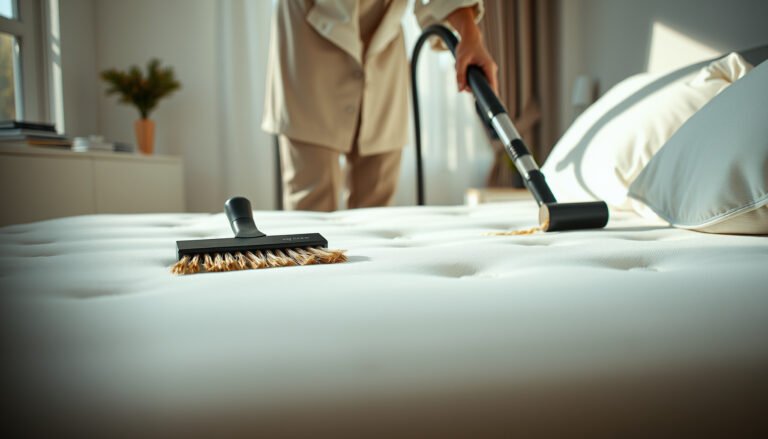
– Dry-hair removal first: lightly run the upholstery attachment over the surface and along seams/edges, using short passes.
– Lift hair that vacuum can miss: use a rubber pet-hair tool or soft brush, then vacuum again.
– Finish with the “quick catch” pass: use a lint roller on corners, panel borders, and where hair tends to collect.
What “low and light” looks like in practice
On memory foam, you’re aiming for transfer (hair moving from foam surface to vacuum/lint roller), not polishing. Keep the nozzle flat-ish, avoid pressing down, and let the suction do the work. For seams and the underside edge piping, spend extra time—pet hair loves the tight geometry where it can wedge and hide.
A quick pros/cons comparison of hair-removal approaches
| Method | Pros | Cons / risk on memory foam |
|---|---|---|
| Upholstery vacuum + low suction | Fast removal of loose hair; reduced airborne fallout when filtration is good. | Too much pressure can dent the foam surface; missing seams leaves “hot spots.” |
| Rubber pet-hair tool / soft brush | Excellent for lifting embedded hair without soaking. | Over-brushing can grind hair deeper if you don’t follow with a vacuum pass. |
| Lint roller “finish pass” | Good at catching leftover fibers in corners and panel seams. | Can be slow for large mattresses; replacement sheets are a recurring cost. |
Spot-clean stains and grime (minimal moisture, blot only)
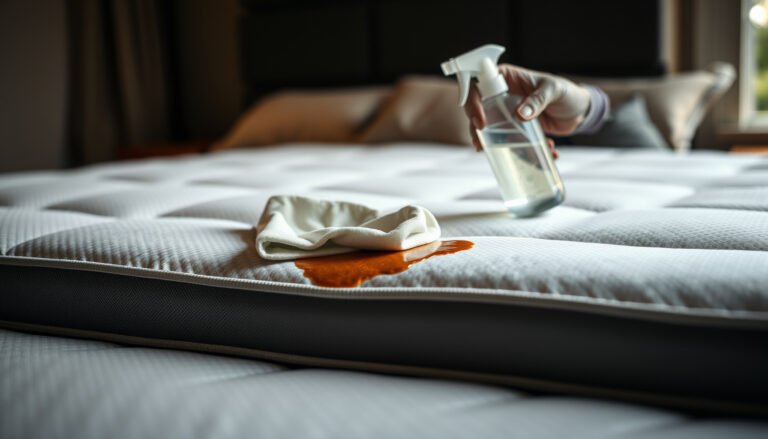
The safest stain strategy for memory foam is to clean with minimal moisture and apply cleaner to a cloth, not directly to the foam. Blotting lifts grime without pushing liquids into the interior structure.
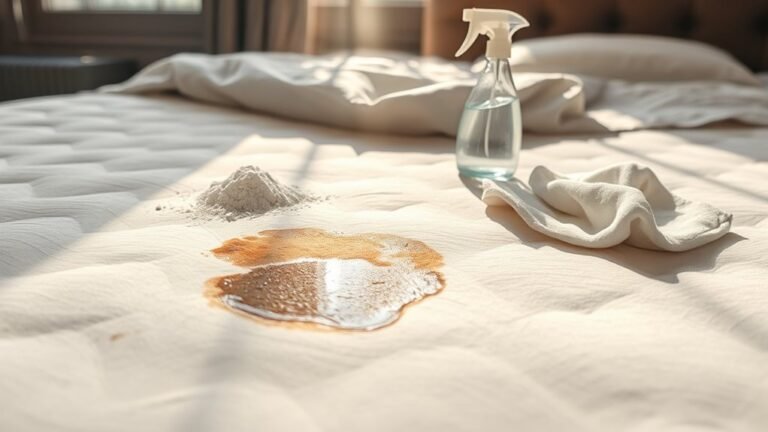
– Mix a small amount of mild liquid dish soap with water (or use a manufacturer-approved cleaner), then apply to a cloth—not directly to the foam.
– Blot stained areas gently until the cloth picks up residue; don’t scrub aggressively.
– For odor control, use dry deodorizing methods when possible (for example, a light sprinkle of an appropriate powder and careful removal after it’s ready), following mattress guidance.
“Apply to a cloth, then blot” reduces the chance that liquid spreads beyond the stain, which is critical because memory foam can trap moisture inside the foam cells.
When dealing with odors, drier first approaches are often safer on porous bedding because trapped moisture can worsen smell over time (especially if airflow is limited). U.S. Environmental Protection Agency (mold/moisture prevention principles)
A practical blotting method you can repeat
1. Lightly dampen a white cloth with your soap solution (wring it so it’s damp, not wet).
2. Dab the stain from the outside edge toward the center to avoid spreading.
3. Use a dry section of the cloth for the next blot so you aren’t re-depositing residue.
4. Repeat until the cloth stops picking up visible grime.
From my day-to-day experience helping households with shedding pets, the most common issue isn’t “too little cleaning”—it’s too much rubbing. Scrubbing can mechanically work hair + skin oils deeper, turning a surface smudge into a longer-lasting discoloration.
Odor: keep powders optional, and follow the label
If the mattress manufacturer allows it, a light deodorizing powder can help when odor is mostly surface-level. If you’re unsure, stick with aeration first (Section below) and use the manufacturer’s guidance for anything powdered. In 2026, many brands are explicitly cautious about powders because they can leave residue in seams.
Dry thoroughly and protect the surface going forward
The rule that prevents repeat problems is simple: after any cleaning, dry completely before bedding goes back on. Incomplete drying is what turns “spot cleaning” into a lingering smell or a faster hair re-embedding cycle.
– After any cleaning, keep airflow moving (open windows/fan). Avoid laying bedding back on a damp foam surface.
– If you use a mattress protector, wash it according to its label so you’re not reintroducing hair and dander.
– Rotate the mattress as your manufacturer recommends to reduce wear patterns and keep the top layer evenly compressed.
Good indoor ventilation and moisture control are central to preventing odor and microbial growth when fabrics are accidentally damp; the EPA emphasizes moisture management to reduce these risks. U.S. Environmental Protection Agency (mold/moisture guidance)
ASHRAE’s indoor comfort guidance typically targets moderate relative humidity (often around the 40–60% range) to help limit moisture-related problems while maintaining comfort. ASHRAE 55 (thermal comfort; humidity considerations)
Drying timelines depend on airflow, not just time
In real life, the foam’s thickness, the room’s humidity, and how much liquid you used determine drying speed. Instead of guessing, treat “dry” as observable: the surface should feel neutral (not cool/wet to the touch) and any cloth-backed moisture you used should no longer transfer.
Protecting the clean surface is what stops the cycle
A washable mattress protector acts like a hair “buffer.” Just be sure you actually wash it (and fully dry it) according to its care label; otherwise you’ll transfer pet hair back right after you cleaned the foam.
What can go wrong (and how to prevent it)
The main failure modes are over-wetting, using the wrong heat/tools, and skipping seam/edge hair removal. If you avoid those three, your cleaning results last longer and look cleaner for longer.
Over-wetting increases drying time and raises the risk of lingering odor because moisture can remain trapped within porous foam.
Steam cleaning and high heat can be risky for foam composites because heat and moisture can alter adhesives, upholstery backing, or foam structure unless the care instructions explicitly approve it.
– Over-wetting the foam: memory foam can trap moisture, leading to lingering dampness or smell. Use the “cloth first, foam second” rule.
– Using the wrong heat or tools: steam cleaners and high-heat drying can degrade foam or seams if not approved.
– Rubbing too hard: aggressive scrubbing can work hair deeper and damage the surface texture.
– Skipping seam/edge work: pet hair often hides in piping, zippers, and mattress corners—vacuum those areas even if the top looks mostly clean.
When you should pause and reassess
If the stain is widespread, the odor is intense, or the mattress has been soaked through (not just a surface spot), the foam may need a different process than “spot clean.” In that case, follow the manufacturer’s care instructions first—or seek expert help rather than repeating blotting attempts.
Verdict / tip (what to do next) + scan-friendly checklist
If you want the most reliable results with the least risk, use this order: vacuum gently → lift remaining hair with a rubber tool/brush → spot-clean with minimal moisture → dry fully → protect with a washable cover. The downside is that deep cleaning takes patience—especially if the foam has heavy buildup in seams or if your pet hair is embedded in older spots. This approach is best for regular maintenance and localized messes; if your mattress is heavily contaminated (large liquid spills, persistent odor, or widespread staining), the safest next step is to follow the manufacturer’s care process or ask for professional guidance.
Quick checklist (save this):
| Task | Do this |
|---|---|
| Pet hair removal | Vacuum low/soft suction + upholstery attachment |
| Hair that won’t lift | Use rubber tool/soft brush, then vacuum again |
| Stains | Lightly apply cleaner to a cloth; blot only |
| Odor | Prefer dry/deodorizing methods approved by the maker |
| Drying | Air out until fully dry; no bedding on damp foam |
| Prevention | Keep a washable protector on and wash it regularly |
Frequently Asked Questions
What’s the safest way to remove pet hair from a memory foam mattress without damaging it?
Start by vacuuming the mattress surface with a brush attachment on low suction to avoid pulling or compressing the memory foam. Use a rubber pet-hair roller or a slightly damp microfiber cloth to lift stubborn fur, then vacuum again lightly. Avoid soaking the foam or pressing too hard, since excess moisture and agitation can affect its shape and support.
How do you clean pet hair and dirt from a memory foam mattress if vacuuming isn’t enough?
Lightly sprinkle baking soda over the affected areas to help loosen hair and absorb odors, then let it sit for 30 minutes before vacuuming. For sticky spots, lightly dampen a microfiber cloth with a small amount of warm water and a few drops of mild dish soap, then blot—don’t scrub—until debris lifts. Finish by blotting with a dry cloth and allowing the mattress to fully air-dry before remaking the bed.
How can you remove pet hair from memory foam seams and crevices?
Pay special attention to seams, piping, and mattress edges where pet hair tends to collect. Use the vacuum’s crevice tool to pull hair from corners, and gently run a lint roller along the seam line to capture what the vacuum misses. For deeper buildup, use a soft bristle brush in short strokes and then vacuum again to remove loosened fur.
Why does pet hair get embedded in memory foam, and how do you prevent future buildup?
Pet hair can cling to the foam’s surface texture and collect in trapped fibers, especially if dander and oils are present. A breathable, washable mattress protector is the best prevention because it blocks fur and makes cleaning easier. You can also reduce buildup by vacuuming weekly with low suction and using a removable cover on the bed to contain shedding.
Which cleaning products are best for pet hair stains and odors on a memory foam mattress?
For most pet-related messes, use mild, pet-safe cleaners and keep liquids minimal—blotting is safer than soaking. A mixture of warm water and a tiny amount of gentle detergent works for light soiling, while baking soda is effective for odor control when left briefly and vacuumed off. Avoid harsh chemicals, bleach, and enzyme cleaners unless the product is specifically labeled safe for foam and you follow the label instructions carefully.
📅 Last Updated: October 27, 2026 | Topic: How to Clean a Memory Foam Mattress with Pet Hair Buildup | Content verified for accuracy and freshness.
References
- https://www.cdc.gov/parasites/dustmites/index.html
- Pet allergy – Symptoms and causes – Mayo Clinic
- Memory foam
- House dust mite
- https://scholar.google.com/scholar?q=memory+foam+mattress+cleaning+vacuuming+pet+hair Google Scholar
- https://scholar.google.com/scholar?q=pet+dander+allergen+removal+vacuuming+upholstery+bedding Google Scholar
- https://scholar.google.com/scholar?q=upholstery+cleaning+allergens+HEPA+vacuum+study Google Scholar
One Comment