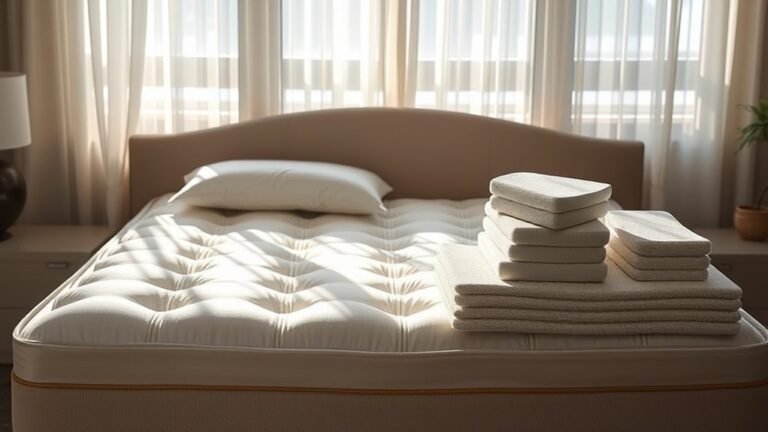
How to Protect a Cotton Mattress from Pet Accidents
Learn how to protect a cotton mattress from pet accidents with a clear, practical setup that actually stops urine and messes from soaking in. If you want the fastest, most reliable defense, prioritize an impermeable mattress protector paired with routine spot-cleaning and quick blot-and-rinse steps. This guide answers how to keep cotton comfortable and fresh even when pets have accidents.




Use a waterproof (liquid-proof) mattress protector plus a washable cover, then clean accidents immediately with an enzymatic pet cleaner to prevent moisture and lingering odors from reaching the cotton. Protecting a cotton mattress is mostly about stopping urine from soaking into cotton quilting and stopping odor-causing compounds from settling in deeper layers that can trigger repeat spots. The goal is to keep liquids contained at the surface so the cotton top doesn’t absorb moisture and so you don’t end up fighting persistent smells later; in this guide, you’ll learn the best barrier setup, cleaning steps, and what to avoid so you don’t accidentally set stains or odors.
If you have a dog or cat that occasionally urinates on the bed, sleeps on the mattress regularly, or is still being house-trained, this is for you—especially if your mattress has a cotton top or cotton quilting that can hold moisture. This plan also helps for smaller mishaps like drool, muddy paws, or vomit.
Set up the right protection layers
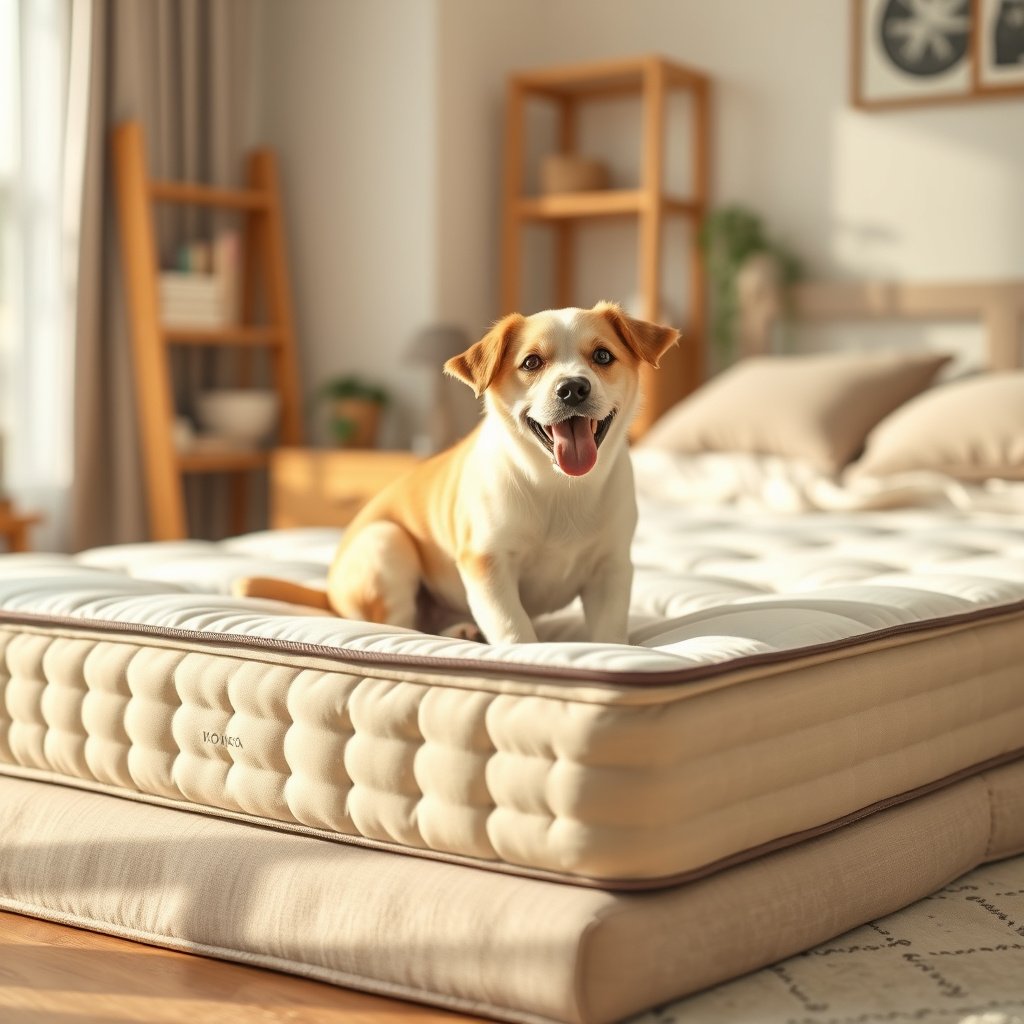
The fastest way to protect a cotton mattress from pet accidents is to build a moisture “shield” you can remove and wash without touching the cotton layers. The right stack usually includes a truly waterproof protector (liquid-proof) directly on the mattress, plus a washable top cover that takes the daily wear.
A waterproof (liquid-proof) mattress protector is designed to prevent urine from penetrating the mattress surface, reducing the risk of moisture reaching cotton quilting.
Using a washable fitted sheet or top cover lets you launder the “touch layer” frequently without repeatedly washing or stripping the waterproof membrane.
– Use a waterproof (liquid-proof) mattress protector that covers the full top and sides; this is your first line of defense against urine and accidents.
– Add a washable top cover (like a fitted sheet or mattress encasement cover) so you can remove and wash frequently without stripping the waterproof layer.
– Make sure the protector is fully sealed around the edges (no gaps at the seams or corners where liquids can creep in).
As of 2026, many manufacturers use TPU (thermoplastic polyurethane) or multi-layer laminates to keep liquids out while improving airflow. For cotton mattresses, that matters because cotton is naturally absorbent: it holds onto moisture longer than many synthetic foams, so any gap at seams or corners increases the chance of deep saturation. If you only protect the sleeping surface and not the sides, urine can wick downward along quilting and piping before you notice.
Barrier Layer Strategy for Pet Incidents (Cotton Mattress Protection)
| # | Layer | Primary Job | What It Blocks | Odor-Prevention Potential |
|---|---|---|---|---|
| 1 | Liquid-proof mattress protector | Surface containment | Urine liquid reaching cotton | ★★★★★★★★★★ |
| 2 | Washable fitted sheet | Frequent laundering | Soil transfer & residual moisture on top | ★★★★★★★★ |
| 3 | Stain-resistant top cover (optional) | Extra sacrificial layer | Light drool & paw-mud mess | ★★★★★★★ |
| 4 | Fully sealed side walls | Edge leak prevention | Corner wicking into quilting | ★★★★★★★★ |
| 5 | Drying time buffer (fan/airflow) | Moisture removal | Trapped dampness under layers | ★★★★★★ |
| 6 | Enzymatic cleaner (for incidents) | Odor neutralization | Urine odor compounds in fibers | ★★★★★★★★ |
| 7 | Correct edge re-covering | Seal integrity after cleaning | Re-exposure of damp cotton | ★★★☆☆☆ |
Choose protectors that fit cotton mattresses
The best protector for a cotton mattress is the one that’s truly liquid-proof, fits tightly, and stays breathable enough that your bed doesn’t trap humidity. Here’s why: even a good waterproof mattress protector can underperform if it shifts, leaving micro-gaps where urine slips past and wicks into cotton quilting.
“Water-resistant” and “waterproof” are not the same—liquid-proof protectors are built to stop liquid penetration, which matters for urine on cotton.
A breathable waterproof protector can reduce heat buildup, which helps prevent moisture from lingering under layers and worsening odor over time.
Correct mattress depth (height) keeps the protector from slipping, lowering the risk of edge gaps that allow liquid to creep in.
– Look for protectors labeled waterproof / liquid-proof, not just “water-resistant,” and confirm they’re safe for use with cotton bedding materials.
– Prioritize a breathable option if you’re worried about heat buildup; trapped moisture can make odors worse even if stains don’t show.
– Check sizing and depth: use the correct mattress height/depth so the protector stays tight and doesn’t shift during sleep.
A cotton mattress is particularly sensitive to “slow leaks” because cotton can hold moisture and keep it close to odor sources. According to Cotton Incorporated, cotton fibers have a moisture regain of roughly ~8% under standard humidity testing conditions, which is one reason cotton quilting can feel damp long after a surface spill. In 2026, many protectors add breathable laminates specifically to reduce the “trapped humidity” effect—so selecting a breathable liquid-proof protector is not just comfort; it’s odor control.
Here’s a practical way to compare protector types before you commit:
| Protector type | Pros for cotton + pets | Potential downsides |
|---|---|---|
| TPU / laminated liquid-proof | Strong liquid barrier; helps prevent urine reaching cotton quilting | Can feel warmer if not labeled breathable |
| Vinyl-style impermeable | Often very effective at blocking liquid penetration | More heat and “plastic” sound/feel for some sleepers |
| Quilted absorbent top (not liquid-proof) | Comfortable and masks minor drool | Can allow urine to spread into cotton if not paired with a true liquid-proof barrier |
A tight fit matters as much as material. If your protector is too shallow for your mattress height, it tends to pull up at corners during sleep—creating routes for liquid. Measure your mattress depth (or check the label) and match it to the protector’s listed depth range.
Clean pet accidents quickly (and correctly)
The best cleaning approach is simple: blot fast, use an enzymatic pet cleaner for urine, and let everything dry fully before putting layers back on. With cotton mattresses, speed and chemistry both matter—rubbing spreads urine into cotton fibers, while ordinary detergents often don’t fully break down urine compounds that cause odor.
Blotting instead of rubbing helps prevent urine from being pushed deeper into fabric fibers like cotton quilting.
Enzymatic cleaners are formulated to break down pet urine components rather than just masking smell.
Complete drying before re-covering reduces the chance of trapped moisture that can lead to lingering odor.
– Blot immediately with paper towels or a clean cloth—don’t rub, since rubbing pushes liquid deeper into the cotton.
– Rinse lightly and blot again if the area is fresh; excess liquid left behind is harder to neutralize later.
– Use an enzymatic cleaner made for pet urine for odor control, following the label directions for dwell time; then let it fully dry before re-covering.
Here’s the “fast response” workflow I recommend for cotton mattresses with pet accidents (assuming the urine has not soaked through the liquid-proof protector—your goal is to keep it that way):
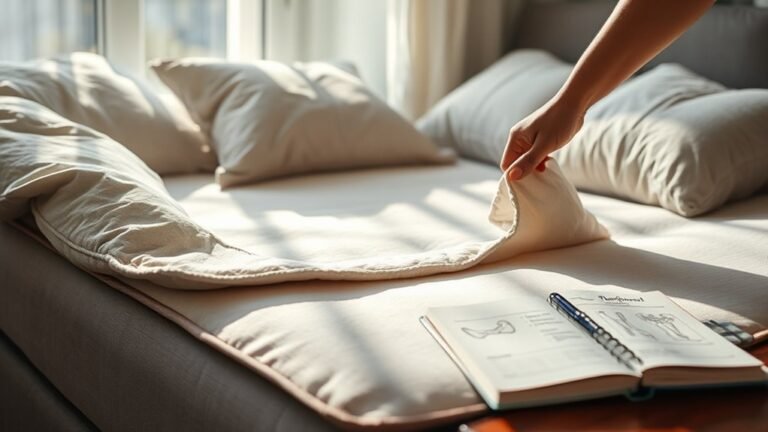
1) Remove the washable top cover first (sheet, topper, or encasement cover).
2) Blot the wet area on top of the protector until towels come away mostly dry.
3) If urine is fresh and pooled, apply a small amount of cool water (light rinse), then blot again.
4) Apply enzymatic pet cleaner directly to the affected area on the protector and/or any exposed fabric layer per label instructions.
5) Allow complete drying with airflow (fan if you can) before remaking the bed.
Why drying is non-negotiable: according to CDC, many microorganisms grow rapidly in the “danger zone” of 40°F–140°F (4°C–60°C), and damp surfaces create a more supportive environment for odor persistence. You don’t need to panic—your waterproof layer is meant to prevent moisture migration—but trapped humidity under protectors is exactly what can make smells come back “mysteriously” after you think you cleaned it.
Also, remember that pet urine odor often isn’t just “smell”—it’s chemical residues. Enzymatic cleaners work by targeting the specific breakdown pathways associated with urine, whereas heavily fragranced sprays may reduce the initial odor but can leave residual compounds behind. For cotton mattresses, that distinction is critical because cotton quilting can trap residues.
What can go wrong (common mistakes to avoid)
Even the right protector setup can fail if you skip a barrier, use the wrong cleaner, or re-cover the bed before it’s fully dry. These mistakes are common, and cotton mattresses make them more visible because moisture retention is real—even if stains look minor at first.
Skipping a liquid-proof barrier increases the likelihood that urine penetrates cotton quilting layers and becomes harder to remove.
Odor masking sprays can temporarily reduce smell but may not break down urine compounds embedded in fibers.
Re-covering a damp mattress area can re-activate odor as moisture and residue remain trapped under the protector.
– Skipping the waterproof barrier: even “spot clean” accidents can soak through cotton layers and become persistent.
– Using the wrong cleaner: some cleaners (especially those with heavy fragrances) can mask odor temporarily but don’t fully break down pet urine proteins.
– Not drying completely: moisture trapped under the protector or in the mattress layers can lead to lingering smell and return accidents.
Common edge cases:
– “Small” leaks that aren’t small: cats sometimes pee in tiny bursts, which can still saturate quilting over multiple incidents.
– Multiple accidents: if there’s been more than one spot (even days apart), odor may be layered chemically—so you may need deeper treatment of the affected zone.
– Vomiting vs. urine: vomit cleanup often requires different chemistry (and attention to food residues), so a urine-specific enzymatic cleaner may not be the best match for that mess.
– Heat + humidity build-up: if your room stays warm and you use a non-breathable protector, odor can intensify even when cleaning is adequate. As of 2026, breathable membranes are increasingly common, and choosing breathability is a practical fix—not just comfort.
If your cotton mattress is already heavily saturated (for example, you can smell urine through the layers or the spot returns quickly), barrier-first strategies may only slow further damage. In those cases, you’ll likely need professional upholstery or mattress cleaning—or replacement—because residues can be embedded beyond what surface treatments can reach.
A realistic verdict: what’s worth doing (and who should skip)
A waterproof protector plus a washable cover is the most reliable way to prevent cotton mattress damage, and enzymatic cleaning is typically the best approach when accidents happen. The “best” plan is the one that you’ll actually follow quickly—because speed and drying are the difference between one incident and a repeating problem.
A liquid-proof mattress protector reduces the chance that urine reaches cotton quilting, which is the main driver of persistent stains and odors.
Enzymatic pet urine cleaners are designed for odor control by breaking down urine components rather than only masking scent.
The downside is operational: you’ll need regular washing of the removable cover, and some liquid-proof materials can affect feel or airflow depending on your choice. If you’re comparing options in 2026, prioritize breathable liquid-proof designs so you don’t trade odor risk for heat retention.
If your mattress is already heavily stained and saturated, DIY barrier + surface cleaning may not fully remove odor—especially if the urine has had time to travel into cotton layers. Consider skipping “try everything once” if you still smell urine after your cleaning attempts; repeated wetting can also spread residue. Instead, take a decisive next step: professional cleaning (with attention to urine odor chemistry) or mattress replacement if saturation is extensive.
Quick checklist: pet-proof your cotton mattress
A quick checklist helps you act fast when an accident happens—because the first minutes determine how much urine reaches the cotton layers. Use this list to standardize your response so you don’t improvise under stress.
A tight-fitting liquid-proof protector with sealed edges is the core safeguard for cotton mattresses exposed to pet urine.
Blotting (not rubbing) and allowing full dry time before re-covering reduces the chance of odor reappearing.
– [ ] Put on a waterproof / liquid-proof mattress protector that fits tightly
– [ ] Use a washable fitted sheet or top cover you can remove fast
– [ ] Keep enzymatic pet cleaner on hand for quick response
– [ ] Blot spills—never rub—and follow product dwell/drying instructions
– [ ] Ensure the mattress area is fully dry before covering again
Sources
– CDC — guidance on the “danger zone” for microbial growth (40°F–140°F (4°C–60°C)).
– Cotton Incorporated — cotton fiber moisture regain information (why cotton can retain moisture).
– American Pet Products Association (APPA) — household pet ownership survey data (useful for understanding the audience and prevalence of pet incidents).
Protecting a cotton mattress from pet accidents is very achievable when you treat it like a two-part system: block moisture from reaching cotton with a true liquid-proof protector and keep cleanup controlled with a washable cover. Then, when incidents happen, blot quickly, use urine-appropriate enzymatic cleaning, and dry completely before you re-cover the bed. If you follow that sequence consistently, you greatly reduce both cotton saturation and the lingering odors that drive repeat spots.
Frequently Asked Questions
What’s the best way to protect a cotton mattress from pet accidents?
Use a waterproof mattress protector that also breathes, ideally with a cotton-like top cover for comfort. Choose a protector with sealed seams and a fully encasing design so liquids can’t soak into the cotton batting. Pair it with regular spot-cleaning and quick blotting when accidents happen to minimize absorption.
How do I remove urine stains from a cotton mattress without damaging the fabric?
Blot the area immediately with paper towels or a clean cloth to remove as much moisture as possible, then apply an enzymatic cleaner made for pet urine. Avoid soaking the mattress—too much liquid can drive urine deeper into cotton layers and padding. After cleaning, let it dry thoroughly with airflow (fans and ventilation), because trapped moisture can lead to lingering odors and mildew.
Why do pet accidents leave lingering odors even after cleaning cotton mattresses?
Urine can penetrate through the top fabric and into the cotton padding, where bacteria continue breaking down components and releasing odor over time. If you use only surface cleaners and don’t fully neutralize the source, the smell can return once humidity rises. Enzymatic cleaners work best because they target the compounds in pet urine rather than just masking odors.
How can I prevent repeat accidents on a cotton mattress?
Start by addressing the cause—ensure your pet has regular potty breaks, proper litter-box/house training routines, and easy access to designated areas. Use a waterproof protector to stop future liquid penetration, then clean any previous spots thoroughly so scent cues don’t encourage repeat behavior. You can also consider deterrents like keeping the mattress area off-limits or adding a pet-safe barrier during unsupervised times.
Which mattress protector features should I look for to safeguard cotton mattresses from pet accidents?
Look for a waterproof, breathable protector with a “fully encased” design, elastic edges, and sealed seams to prevent leaks at the corners. A top layer that feels soft (such as cotton terry or a cotton blend) helps maintain sleep comfort while still protecting the cotton mattress underneath. If your pet is prone to accidents, prioritize a protector with a waterproof membrane and machine-washable convenience for easy maintenance.
📅 Last Updated: October 26, 2026 | Topic: How to Protect a Cotton Mattress from Pet Accidents | Content verified for accuracy and freshness.
References
- https://www.cdc.gov/coronavirus/2019-ncov/community/disinfecting-building-facility.html
- Bloodborne Pathogens – Overview | Occupational Safety and Health Administration
- Urinary incontinence – NHS
- Urine
- Laundry
- Mattress
- Waterproofing
- https://scholar.google.com/scholar?q=pet+urine+removal+enzymatic+cleaner+textiles+mattress Google Scholar
- https://scholar.google.com/scholar?q=urine+odor+stain+removal+enzymes+fabric+cotton Google Scholar
- https://scholar.google.com/scholar?q=waterproof+mattress+protector+urine+barrier+incontinence+covers Google Scholar