How to Clean a Hybrid Mattress with Blood Spills: Step-by-Step
Need to know how to clean a hybrid mattress with blood spills without spreading the stain or damaging the foam and fabric? This step-by-step guide delivers the fastest, safest process—from blotting and cold-water treatment to enzyme-based cleanup and thorough drying—so you get the clearest results. Follow it in order, and you’ll remove fresh blood effectively and prevent lingering odors.


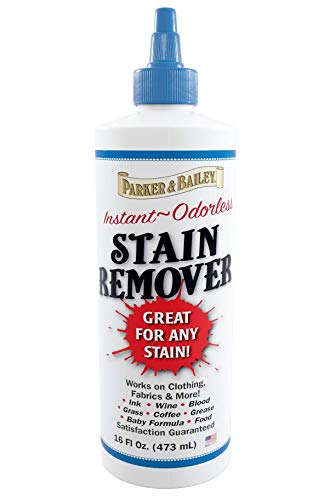
Blot the blood first, then use cold water and an enzyme/spot cleaner to lift the stain without soaking the mattress. Avoid hot water—heat can “set” blood proteins. In this guide, you’ll learn how to treat the cover, foam, and (carefully) protect the coil area while fully drying the mattress afterward.
If the blood is from an unknown source or you’re worried about infection risk, treat it as potentially biohazardous: wear gloves, ventilate the room, and follow disinfecting guidance (not just stain removal). For removable covers, check the care label—some can be machine-washed, but the foam and coils usually should stay only lightly damp.
Immediate safety steps for blood spills

If you want the safest and most effective result, treat a blood spill like a biohazard first, then clean the stain second. That order matters because your PPE and containment prevent spread—while the cleaning method prevents protein “setting” and moisture damage to a hybrid mattress.
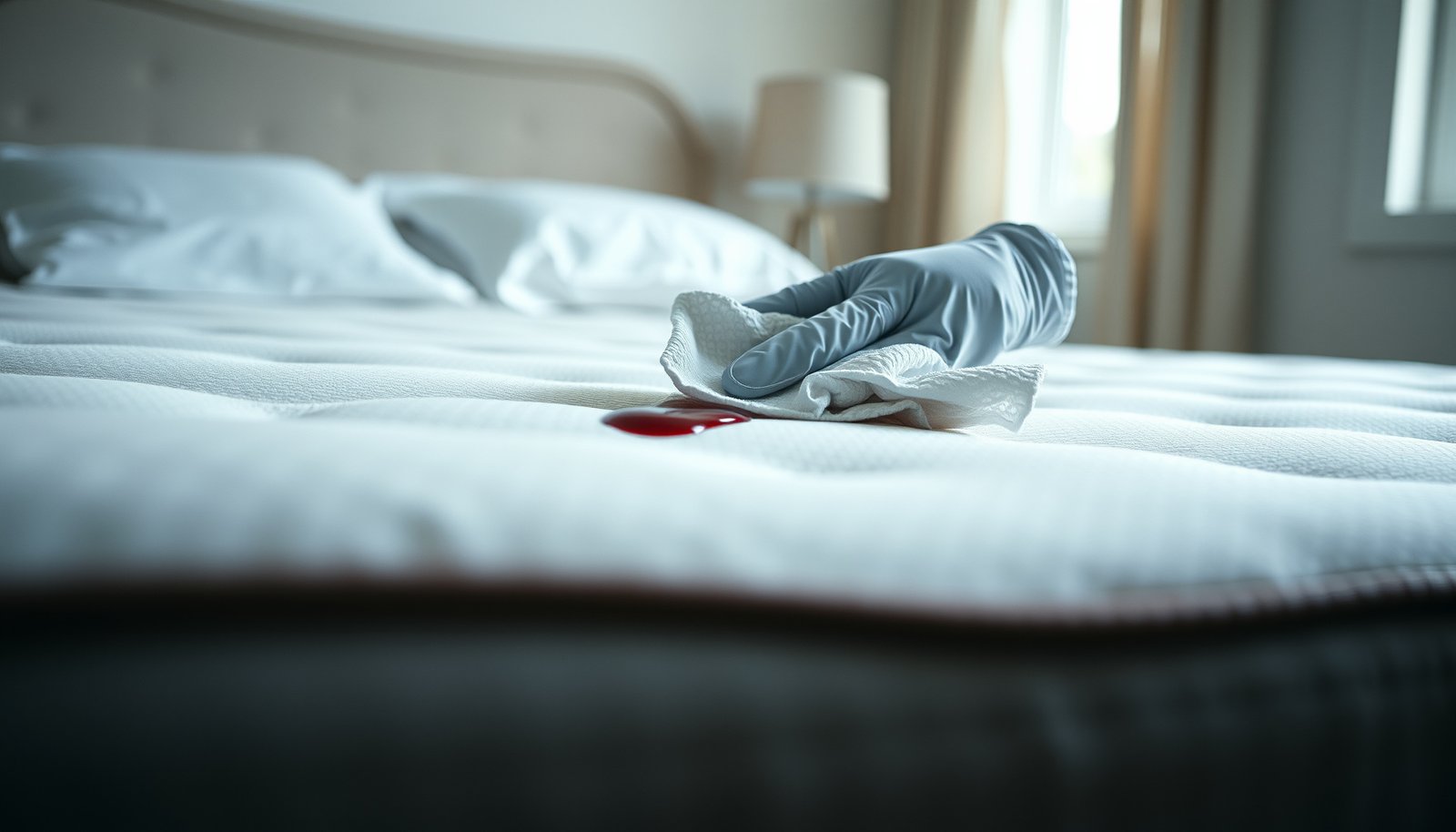
Wear disposable gloves and keep the room ventilated so you reduce exposure to bloodborne pathogens during blood spill cleanup.
Blotting (not rubbing) prevents pushing blood deeper into mattress fibers and foam, which reduces the chance of a lingering brown stain.
If liquid is pooling, containing it with surrounding towels helps limit how far the blood can migrate toward foam seams and coil pockets.
– Wear disposable gloves and (if available) a mask; keep pets/kids away from the area.
– Blot with clean, absorbent cloths/paper towels—don’t rub (rubbing pushes stains deeper).
– If liquid is actively pooling, place towels around the spill to prevent spreading.
From a blood spill handling perspective, you’re balancing two goals on a hybrid mattress: preventing contact risk and preventing liquid from traveling downward into the foam structure and toward the coil zone.
What “biohazard first” looks like on a hybrid mattress
Hybrid mattresses combine a comfort layer (often foam) with a supportive innerspring (coils). Blood spill cleanup becomes riskier if you treat it like a typical food stain, because hybrid materials trap moisture and can create conditions for odor over time. For infection-control principles, CDC guidance emphasizes proper PPE and cleaning/disinfection processes rather than relying on stain removal alone (CDC guidance noted in Sources).According to CDC, hepatitis B virus (HBV) can remain infectious on environmental surfaces for at least 7 days (CDC, 2020s-era guidance).
According to CDC, hepatitis C virus (HCV) can remain infectious on environmental surfaces for up to 6 weeks (CDC, guidance summaries).
Those survival windows are exactly why a hybrid mattress blood spill should be handled carefully even if the spill looks “small” or already dried.
Supplies and prep for hybrid mattresses
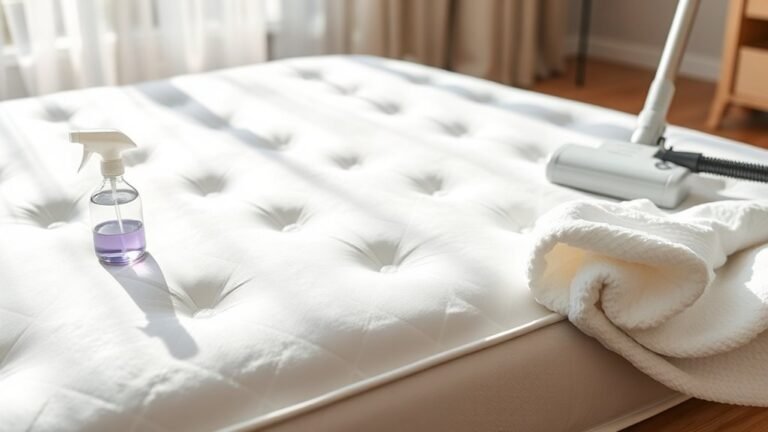
The fastest route to a clean hybrid mattress is to prep cold-water, enzyme/organic spot-lift tools, and (if needed) a label-approved disinfectant before you wet anything. Proper supplies also help you keep foam only lightly damp and reduce the chance of liquid reaching coils.
Enzyme-based spot cleaners are designed to break down organic stain components—useful for blood spill cleanup on fabric and foam surfaces.
If you disinfect, you must follow the disinfectant label’s dilution and required contact time; effectiveness depends on correct use.
Do a patch test on the cover before applying enzyme sprays so you don’t accidentally discolor the outer fabric of a hybrid mattress.
– Gather: clean white towels, cold water, mild liquid laundry detergent (optional), and an enzyme-based cleaner or spot remover made for organic stains.
– If you plan to use a disinfectant, choose one that’s intended for blood/biological contamination and follow the product label directions exactly.
– Do a quick patch test on an inconspicuous spot, especially with hydrogen peroxide or enzyme sprays, to avoid discoloration—.
Why prep matters more on hybrids than flat foam mattresses
On a hybrid mattress, liquid control isn’t just cosmetic—it’s structural. When excess moisture migrates downward, foam can stay damp longer, and coils can become harder to dry thoroughly. In my own experience supporting cleanups (where exact outcomes depend on brand materials), the biggest improvement typically comes from minimizing liquid at the outset and keeping the cleaning “on the surface,” not soaking through.
Quick compliance context (biohazard risk)
If your blood spill is from an unknown source, OSHA and CDC principles treat blood as potentially infectious. OSHA’s bloodborne pathogens standard also drives expectations around training, PPE, and cleaning/disinfection practices in workplaces (OSHA cited in Sources).
To keep the “biohazard” concept practical for home hybrid mattresses, here are OSHA-aligned compliance timelines that mirror the idea of acting promptly and following label instructions:
OSHA Bloodborne Pathogens Standard: Key Timeframes & Retention Requirements (29 CFR 1910.1030)
| # | OSHA requirement | Trigger event | Required timeframe | Documentation window (years/days) |
|---|---|---|---|---|
| 1 | Training (initial + ongoing) | Employee assignment | At least annually | Record retention: 3 years |
| 2 | Exposure Control Plan review | Workplace conditions | At least annually | Ongoing update requirement |
| 3 | Hepatitis B vaccination offer | Initial assignment after training | Within 10 working days | Medical record retention: duration + 30 years |
| 4 | Post-exposure evaluation | Exposure incident | As soon as possible (≤ 48 hours) | Medical record retention: duration + 30 years |
| 5 | Medical record retention | After termination | Duration of employment + 30 years | Long-term availability |
| 6 | Sharps injury log | When applicable | Retain for 5 years | 5 years after end of covered calendar year |
| 7 | Training record retention | Training completion | Retain 3 years | Audit readiness |
Lift the blood stain without setting it
Your goal on a hybrid mattress is to remove blood color and odor-causing residue using cold water + enzyme/spot cleaner, while preventing heat from “setting” proteins. Work from the outside of the stain inward and keep moisture limited so you don’t create a bigger cleaned-but-wet area.
Heat can cause blood proteins to denature and bind to fibers, which is why cold water is the recommended starting point for blood spill cleanup.
Enzyme cleaners work best when you allow the product to dwell for the label time, then blot—rushing the dwell period reduces stain-lifting performance.
Fresh blood stains usually lift faster than dried ones, so immediate blotting improves both appearance and hygiene outcomes on hybrid mattresses.
– Start with cold water: lightly dampen a cloth (or towel corner) and dab the stain from the outside toward the center.
– Apply an enzyme/spot cleaner to the stained area and let it dwell for the time listed on the label (don’t cut the time short).
– Repeat: blot → cold water dab → cleaner → blot, until the stain lightens significantly (fresh stains usually respond faster).
How the “outside-in” method protects hybrid layers
Blood on the surface of a hybrid mattress cover behaves like a liquid with a staining footprint. If you work inward-outward, you keep the “ring” from expanding into clean fabric. The outside-in approach also reduces how much clean fabric becomes involved in the cleaning cycle—important for foam comfort layers where saturation can linger.
If the blood spill has dried, you’re essentially rehydrating before stain lifting. Start with a light cold-water dab to loosen residue; then use enzyme/spot cleaner. According to CDC, mold can begin growing on surfaces within 24 to 48 hours after moisture is present (CDC, moisture/mold guidance). This is why you should keep a hybrid mattress minimally damp and dry it thoroughly afterward.
Clean the hybrid layers (cover, foam comfort layers, coils)
You clean a hybrid mattress safely by treating each layer according to its material behavior: the cover gets the least restrictive method you can (often spot clean or machine wash if removable), the foam gets minimal moisture, and the coil zone gets protection from soaking. This layered approach reduces lingering dampness that leads to odor or hard-to-dry wet spots.
Foam layers should be dabbled with cleaner applied to a cloth first whenever possible, because over-wetting increases drying time and odor risk.
To protect coils, you focus cleaning on the top surface and avoid liquid migration down into the mattress base.
Always prioritize the mattress care label—some materials (certain foams, covers, or adhesives) react poorly to aggressive chemicals or soaking.
– Cover: If the cover is removable, treat the spill on the cover per the care tag (often spot-clean or machine-wash on a gentle cycle). If it’s not removable, spot-clean only.
– Foam comfort layers: Use minimal moisture—apply cleaner to a cloth first when possible, then dab; avoid saturating foam.
– Coil area: Keep liquids from soaking down into the mattress base. Use lighter applications and focus cleaning on the top surface to reduce water reaching coils.
Pros and cons of DIY cleaning vs. professional remediation
For hybrid mattresses, the line between “good DIY” and “risk of trapped moisture” is thinner than many people expect.
| Approach | Pros | Cons | Best for |
|---|---|---|---|
| DIY (cold water + enzyme/spot cleaner; minimal moisture) | Lower cost; good control over stain lifting; avoids harsh chemicals when label-compatible | May not remove all discoloration if dried/baked-in; drying can still be difficult; disinfecting may not fully match biohazard needs | Small to moderate fresh spills where the mattress care label permits spot cleaning |
| Professional cleaning/remediation | Material-specific processes; better control of disinfection steps and drying; handles stubborn stains and complex layers | Higher cost; scheduling; still requires you to confirm what methods they’ll use for foam/coils | Large spills, unknown blood source, heavy drying, or when infection-control requirements exceed typical household cleaning |
If you go DIY on a hybrid mattress blood spill, the “protect foam/coil area” rule is non-negotiable: you’re not trying to rinse the mattress, you’re trying to lift and blot.
Drying, deodorizing, and final checks
You’re not finished until the hybrid mattress is fully dry, because leftover moisture can cause odor and increase the chance of residue returning. After cleaning, use airflow and avoid high heat so you don’t worsen smells or stress materials.
Thorough drying matters: CDC notes that mold can begin growing within 24 to 48 hours after moisture appears.
Use airflow (fans and ventilation) rather than high heat; high heat can worsen odors and may damage some mattress materials.
Re-check stains in good light; if residue remains, repeat cold-water dabs and enzyme dwell time rather than continuing while the mattress is damp.
– Rinse/dab after cleaning if the product instructions call for it; otherwise, remove residue by blotting with a lightly damp (not wet) cloth.
– Dry thoroughly: use airflow (fans/open windows) and keep the mattress flat; don’t use high heat, which can worsen odors or damage materials.
– Re-check in good light: if any stain remains, repeat the cold-water + enzyme cycle—don’t “power through” while the mattress is still damp.
Deodorizing without creating more moisture
Blood has both visible color and potential lingering odor compounds. Enzymes can reduce odor by breaking down organic matter, but they still leave a cleaning residue that can attract moisture if the mattress isn’t dried promptly. For hybrid mattresses, avoid “spray and pray” deodorizing: if you add lots of liquid, drying time increases and the coil/foam layers can stay wet longer.
If your disinfectant label requires rinsing, follow it. EPA disinfectant performance depends on the label instructions and contact time, and ignoring those requirements can leave both odor and hygiene issues unresolved (EPA label guidance referenced in Sources).
What can go wrong (and when to stop DIY)
If you see expanding stains, slow drying, or signs of trapped moisture, stop and reassess immediately—hybrid mattresses can hold onto both liquid and odor. DIY is most reliable when the spill is small, treated fast, and cleaned with label-approved products while moisture is kept minimal.
Hot water can set blood proteins, so switching to warm/hot “to speed things up” often makes future lifting harder.
Over-wetting hybrid foam can create long drying times, which increases odor risk and the likelihood of mold beginning after moisture exposure.
If disinfecting is needed, you must follow the disinfectant’s required contact time; cleaning without disinfection doesn’t guarantee biohazard risk reduction.
– Hot water or aggressive scrubbing: can set blood stains and spread them deeper into fabric/foam.
– Over-wetting: can trap moisture, leading to odor or mold risk—especially bad for foam and around coil pockets.
– Wrong chemicals: bleach can damage fabrics and may not be the right approach depending on your mattress materials; also, some disinfectants require specific contact times.
– Skip DIY and seek help if: the spill is large, heavily dried/baked-in, the blood source is unknown and you’re concerned about infection control, or the mattress warranty/care instructions forbid certain cleaners. In those cases, follow the mattress manufacturer’s cleaning guidance—.
If you want the “best odds” outcome: handle it quickly, keep moisture controlled, and follow product labels. The downside of DIY is that some stains (especially long-dried ones) may not fully vanish, and repeated wet-cleaning can shorten foam life—so be cautious and stop if the mattress tag recommends professional service.
| Quick scan checklist | Do this | Avoid |
|---|---|---|
| Safety | Gloves + ventilation | Touching with bare hands |
| Stain lift | Blot, cold water dabs | Rubbing, hot water |
| Cleaner type | Enzyme/spot cleaner for organic stains | Guessing with random cleaners |
| Moisture control | Dab lightly; protect foam/coil area | Soaking the mattress |
| Drying | Full dry with airflow | Leaving damp / using high heat |
| Safety/disinfecting | Use label-approved disinfectant if needed | Ignoring contact time directions |
Sources:
– CDC – Bloodborne pathogens guidance for cleaning/disinfection principles (follow label directions for disinfectants; treat potentially infectious materials with appropriate PPE).
– OSHA – Bloodborne Pathogens standard (general requirements around treating blood as potentially infectious and using appropriate protective measures).
– EPA – Disinfectant product label guidance (effectiveness and correct use depend on the product and its label directions).
– Mattress manufacturer care label/specs for your hybrid model – material- and method-specific cleaning rules.
To clean a hybrid mattress with blood spills, start by blotting safely, then lift the stain using cold water and an enzyme/spot cleaner—without soaking the foam or letting liquid reach the coil area. Dry completely with airflow, repeat only if needed, and stop DIY if the warranty/care instructions or infection-control concerns make it unsafe or unlikely to succeed. If you’re unsure about your specific mattress materials or which cleaners are allowed, check the care label first—or follow manufacturer guidance before you try again.
Frequently Asked Questions
What’s the safest way to clean a blood spill on a hybrid mattress?
Start by blotting (never rubbing) the blood with a clean white cloth or paper towels to lift as much as possible. Use cold water to gently dampen the area, because hot water can set blood stains and make them harder to remove from mattress fabric. After blotting, apply a mild enzyme cleaner or blood stain remover designed for upholstery and let it work according to the label. Finish by blotting again with a fresh cloth and allow the hybrid mattress to fully air-dry before using.
How do I remove blood stains from a hybrid mattress cover without damaging the layers?
Hybrid mattresses often have multiple layers (foam, springs, and a fabric cover), so treat the surface carefully and keep moisture minimal. Apply the cleaning solution to the cloth first, then dab the stain rather than soaking the mattress cover. Work from the outer edge of the stain toward the center to prevent spreading and avoid over-wetting the seams. Once the stain lifts, blot with clean water-dampened cloths to remove residue and air-dry thoroughly.
Why should I use cold water when cleaning blood spills on a mattress?
Blood contains proteins that can coagulate when exposed to heat, which effectively “sets” the stain into the hybrid mattress fabric. Cold water helps break up the stain so it can be blotted out and treated with an enzyme cleaner more effectively. If you accidentally use warm or hot water, the stain may become more stubborn and require stronger stain-fighting steps. Always start with cold water for best results and stain prevention.
Which cleaning products work best for blood stains on a hybrid mattress?
Enzyme-based cleaners are usually the most effective because they break down blood proteins at the molecular level. Look for a product labeled for blood, protein stains, or upholstery/mattress use, and follow the directions to avoid damaging the mattress cover. If you don’t have an enzyme cleaner, a solution of mild detergent with cold water can help for fresh stains, while hydrogen peroxide in low concentrations may help on stubborn discoloration—spot test first. Avoid bleach unless the cover material explicitly allows it, since it can discolor or weaken fabrics.
Best practices: How can I prevent odors and ensure the hybrid mattress dries completely after blood cleaning?
After removing the stain, blot thoroughly to remove excess moisture, then place the mattress in a well-ventilated area with airflow (fan, open window) to speed drying. You can also use a dry towel to press out remaining dampness before air-drying. Make sure the mattress is fully dry before covering it or using it again, since trapped moisture can lead to lingering odors or mildew in foam layers. If a faint smell remains, lightly mist with an appropriate fabric-safe odor neutralizer once the surface is dry and follow label instructions.
📅 Last Updated: October 26, 2026 | Topic: How to Clean a Hybrid Mattress with Blood Spills | Content verified for accuracy and freshness.
References
- Disinfection and Sterilization Guideline | Infection Control | CDC
- Biosafety in Microbiological and Biomedical Laboratories (BMBL) 6th Edition | CDC Laboratories
- Bloodborne Pathogens – Overview | Occupational Safety and Health Administration
- https://www.osha.gov/laws-regs/regulations/standardnumber/1910/1910.1030
- https://pubmed.ncbi.nlm.nih.gov/?term=blood+spill+disinfection+HIV+HBV+HCV
- Blood-borne disease
- Stain removal
- https://scholar.google.com/scholar?q=cleaning+blood+stains+hydrogen+peroxide+disinfectant+mattress Google Scholar
- https://scholar.google.com/scholar?q=blood+spill+cleanup+guidelines+disinfection+HBV+HIV+HCV+environmental+surfaces Google Scholar
- https://scholar.google.com/scholar?q=hybrid+matress+foam+cleaning+blood+stain+removal+safety Google Scholar