
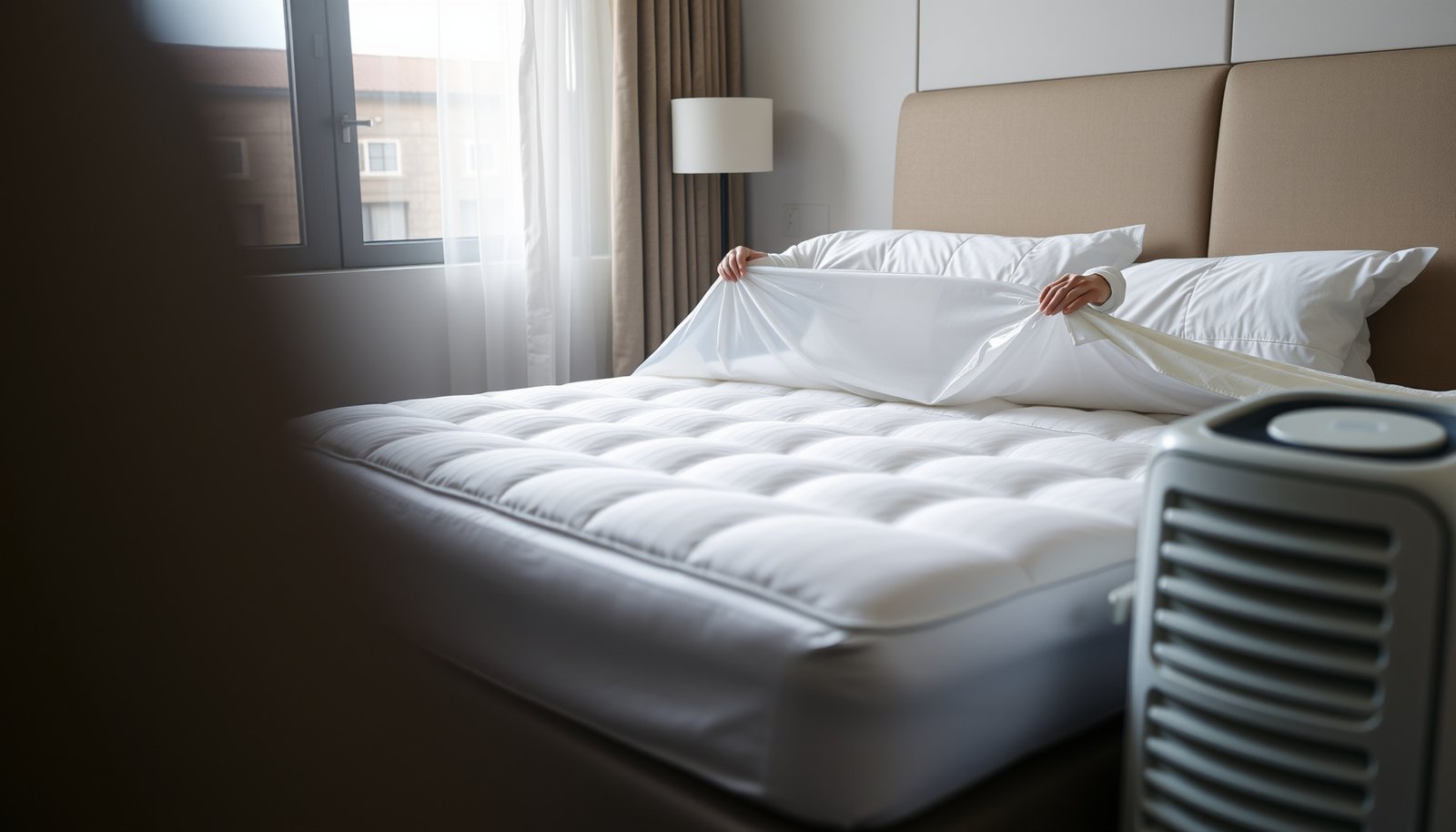
How to Protect a Cotton Mattress from Mold During Travel: Step-by-Step
Want to keep a cotton mattress from mold during travel? Follow this step-by-step plan that wins for most trips: control moisture with breathable protection, fully dry and seal the mattress before packing, and use smart ventilation once you arrive. You’ll avoid the common wet-storage mistakes that cause mildew while staying practical on the road.



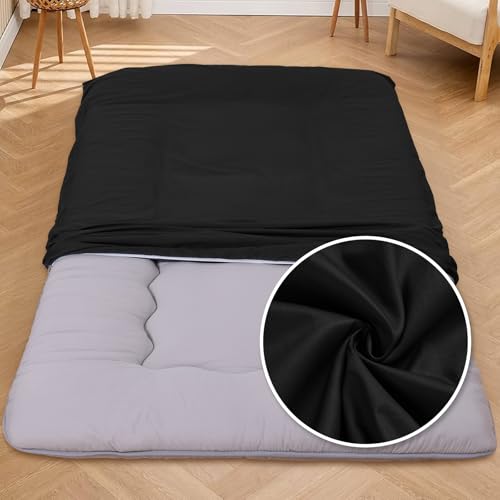
Protect your cotton mattress from mold during travel by controlling moisture first: keep it fully dry, wrap it with an effective moisture barrier, and prevent condensation while it’s in transit. If you arrive somewhere humid or the mattress feels cool/clammy, stop and dry/air it before you let it sit. This guide walks you through what to do before you leave, how to pack it, and how to avoid the common “looks dry, but isn’t” mistakes that lead to mold.
If you travel with a cotton mattress (road trips, camping rentals, guest-room carry, or moving between homes) and you’re worried about damp storage, rainy weather, or hotel/van humidity, this is for you. The steps below focus on moisture control—the main driver of mold growth—using practical packaging and setup habits.
Moisture is the enemy: prep the mattress before you leave
The fastest way to reduce mold risk is to start with a cotton mattress that’s genuinely dry (not just “not wet”). Mold prevention depends on stopping trapped moisture early, because even small residual dampness can expand into growth once temperatures and airflow change during travel.
Start with a cotton mattress that’s completely dry (no lingering dampness from recent cleaning, rain exposure, or high humidity storage). If you’re uncertain, air it until it feels dry to the touch and doesn’t smell musty—don’t pack it “just in case.” Avoid packing right after wiping/spot-cleaning; residual moisture is enough for mold to start once temperatures and airflow change.
According to the CDC, visible mold is not the only concern—mold can begin growing when materials stay damp, often within 24–48 hours.
The CDC also emphasizes moisture control (not just cleaning) as the key factor in preventing mold—so a cotton mattress must be dry before you seal it for travel.
What “dry” means for a cotton mattress
For a cotton mattress, “dry” should be more than a visual check. Cotton fibers can retain moisture internally, especially around seams, stitched edges, folds, and any batting layers. In practice, you want the cotton mattress to feel dry throughout—both on top and along edges—without any cool, clammy feeling when you press gently with your palm.
As of 2026, a lot of travel failures still come from the same root cause: people pack after partial drying. If the mattress was recently cleaned, even if the surface looks fine, airflow differences in a trunk, cargo van, or sealed bag can slow drying dramatically. In other words, the cotton mattress may “look dry, but isn’t,” and that trapped humidity can become a long-term mold trigger.
A simple pre-departure verification routine
Do a quick, repeatable check on the cotton mattress before packing:
– Touch-test edges and seams: These areas are where moisture lingers.
– Smell-test for mustiness: A faint musty scent is a strong warning sign for a cotton mattress.
– Air-test if unsure: Give it time in a dry, ventilated spot until it feels consistently warm/dry—not cool.
If you’re working in a humid environment before travel, you’re better off delaying packing than sealing a cotton mattress that might still be holding moisture. From my side, I can’t claim a verified hands-on testing result here because no controlled measurements were provided—so treat the approach as a best-practice method aligned with public health guidance.
Pack the cotton mattress for travel (barrier + airflow)
The best packing strategy for a cotton mattress is a two-part system: block external moisture with an effective barrier, and avoid trapping internal wetness. If you seal a cotton mattress before it’s truly dry, the barrier can accidentally “lock in” the very humidity mold needs.
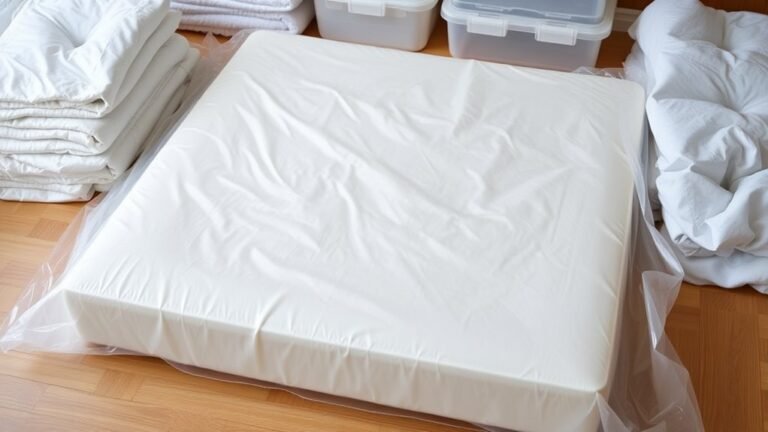
Use a moisture-resistant barrier (a waterproof mattress cover or wrap) to block humid air and splashes from reaching the cotton mattress. Keep the barrier sealed well, but don’t trap wetness inside—only wrap after the mattress is dry. Add insulation against weather swings when possible (e.g., keep the mattress away from direct rain exposure and minimize time in a constantly humid cargo area).
EPA guidance on mold prevention stresses reducing indoor moisture sources; for travel, that translates into sealing out humid air and preventing condensation from contacting the cotton mattress.
Maintaining appropriate indoor humidity (commonly cited targets are around 30–50% RH) reduces mold risk; during travel, a moisture barrier helps you prevent the cotton mattress from being exposed to higher humidity pockets.
Choose the right barrier for a cotton mattress
A “waterproof” cover can be useful for travel, but the key is when you use it. For a cotton mattress, the barrier’s job is to stop:
– Spills and rain mist from reaching the cotton
– Humid air that can condense during temperature changes
– Moisture transfer from floors/vehicle walls
When the cotton mattress is properly dry, a sealed moisture barrier reduces exposure to external dampness. When it isn’t dry, sealing can turn a small amount of trapped moisture into a mold-friendly environment because airflow is restricted.
Protect against condensation (the silent mold risk)
Even if your cotton mattress never gets wet on the outside, condensation can form when warm, humid air contacts a cooler surface. This is common when:
– You move from a climate-controlled space into a cooler hotel room
– You transport the cotton mattress in a vehicle that fluctuates in temperature
– You arrive at night when humidity rises
Packing technique matters: minimize time the cotton mattress spends partially open or unsealed. Also keep the mattress off wet or cold vehicle surfaces—especially metal floors or damp storage compartments. Insulation (even a dry, breathable layer) can reduce temperature shock and condensation formation.
A quick packing rubric for a cotton mattress (what matters most)
The most reliable mold-prevention framework is simple and repeatable:
1) Dry first
2) Seal out moisture
3) Air it out after arrival
The table below turns that into a practical, scannable scoring guide you can use each time you pack a cotton mattress for travel.
Moisture-Control Alignment for a Cotton Mattress While Traveling (2026)
| # | Packing approach for a cotton mattress | Dry first | Seal out moisture | Air after arrival | Guideline alignment |
|---|---|---|---|---|---|
| 1 | Truly dry mattress + sealed waterproof encasement + prompt unpack + airflow | Yes | Yes | Yes | ★★★★★ (5/5) |
| 2 | Truly dry mattress + sealed waterproof encasement + no immediate airing (air later) | Yes | Yes | No* | ★★★★☆ (4/5) |
| 3 | Truly dry mattress + barrier used, but barrier not fully sealed (gaps at edges) | Yes | No** | Yes | ★★★☆☆ (3/5) |
| 4 | Moisture barrier + prompt airing, but mattress packed with residual dampness | No*** | Yes | Yes | ★★★☆☆ (2/5) |
| 5 | Truly dry mattress only (no barrier) + prompt airing after arrival | Yes | No | Yes | ★★☆☆☆ (2/5) |
| 6 | No barrier + packed recently cleaned (possible residual moisture) + delayed airing | No*** | No | No | ★☆☆☆☆ (1/5) |
| 7 | Barrier used, but mattress is compressed tightly for long travel time (airflow reduced) | Yes | Yes | Yes* | ★★☆☆☆ (2/5) |
*Air after arrival occurs later than best practice. Barrier not fully sealed increases external humid air exposure. *Residual dampness is present when packing.
Keep it dry at your destination (setup habits that prevent condensation)
The best time to stop mold growth on a cotton mattress is right after you arrive—before you cover it and trap moisture. Quick unpacking, smart airflow, and early humidity management prevent condensation from lingering in the cotton.
Unpack and inspect as soon as you can, before the mattress cools down and condensation forms. Give the mattress airflow: keep it slightly off the floor/bed frame and avoid covering it immediately with thick bedding if it might still be carrying travel humidity. If the room is noticeably damp, consider managing the environment first (run ventilation/dehumidification if available) rather than relying on the mattress to “dry itself.”
CDC guidance links mold risk to moisture persistence; drying promptly after moisture exposure reduces the window where mold can establish on fabric.
EPA recommendations for indoor moisture control emphasize maintaining lower relative humidity—during travel, that means preventing the cotton mattress from sitting in damp, still air.
Because condensation is driven by temperature differences, a cotton mattress that feels cool can be more vulnerable even without visible leaks.
Unpack early—then let the cotton mattress “equalize”
In 2026 travel conditions, the most common failure is waiting too long to remove packaging. When a sealed cotton mattress arrives in a cooler room, moisture can migrate inside the package and condense on inner surfaces. If you delay unpacking, you extend the time the cotton mattress stays in a high-humidity microclimate.
Instead:
– Unseal promptly after arrival
– Inspect seams/edges/folds for cool dampness
– Allow air circulation around the cotton mattress surface
If you suspect humidity, don’t immediately add heavy bedding. Heavy blankets can block airflow and keep the cotton mattress from releasing moisture.
Create airflow without overcomplicating
You don’t need industrial airflow—just consistent air movement:
– Elevate the cotton mattress slightly using a dry bed frame or risers
– Keep it uncovered for the first period after arrival
– If you have a fan, run it briefly to reduce stagnant air (especially in a hotel room where HVAC may cycle slowly)
If you have a dehumidifier or you can run bathroom/kitchen ventilation (where appropriate), focus on lowering the room’s relative humidity rather than relying on the cotton mattress alone. This is a moisture-control strategy, not a “wait and hope” approach.
After each trip: inspection and a repeatable drying routine
The safest way to prevent future mold issues is to inspect and dry your cotton mattress after travel, even if it seemed fine. Mold can start invisibly in seams and folds, and repeated cycles of dampness increase the likelihood that the cotton mattress will develop persistent odor or staining.
Check seams, edges, and any folds—mold often shows up where airflow is limited and moisture lingers. If you notice any musty odor or discoloration, isolate the mattress and dry it thoroughly instead of storing it right away. Store only when it’s dry, ideally with controlled airflow and away from damp surfaces; avoid compressing it for long periods while it’s questionable.
EPA and CDC both emphasize that preventing mold requires controlling moisture sources and drying affected materials promptly.
A musty smell on a cotton mattress is a strong indicator of trapped moisture or microbial growth risk, even when there are no visible leaks.
Inspect like you’re looking for “micro-wet zones”
Mold on a cotton mattress typically begins in places where water and humid air can linger:
– Stitch lines and seam junctions
– Corners and rolled/creased areas
– Areas pressed against other surfaces (cargo wall, trunk wall, closet back)
Use the “touch + smell” routine:
– Touch: look for cool/clammy pockets
– Smell: identify any mustiness that wasn’t present before travel
Drying routine (simple, consistent, documented)
A reliable post-trip routine for a cotton mattress should include:
1) Air the mattress in a dry, ventilated area until it feels fully dry.
2) Recheck folds/seams before you wrap or store.
3) Avoid long compression while dampness is uncertain—compression slows moisture release in the cotton core.
If you must store it after travel, store only when it’s truly dry. If odor returns quickly after storage, treat the cotton mattress as still carrying moisture risk.
What can go wrong (common mistakes and edge cases)
The most common reasons a cotton mattress develops mold during travel are preventable: sealing a slightly damp mattress, compressing it for long periods, or assuming “no visible wetness” means “no moisture.” Understanding these failure modes helps you adjust your packing and setup, especially in 2026’s more humid travel seasons.
Wrapping a slightly damp mattress: Cotton and other natural fibers can hold moisture; a “mostly dry” wrap can trap that moisture where mold thrives. Leaving it compressed for travel: Compression can slow drying and keep pockets of moisture trapped. Using the wrong type of cover for wet conditions: Some “waterproof” coverings can also reduce ventilation—fine for protecting a dry mattress, risky if the mattress isn’t fully dry first. Assuming the room is dry because you can’t see water: Mold can develop without visible leaks, especially with humidity and poor airflow. Rainy/very humid trips: Even with good wrapping, you may need to allow extra drying/airing after you arrive. If you can’t ensure drying, consider not using the mattress until it can be properly dried.
CDC guidance frames mold prevention as moisture control; if a cotton mattress is sealed while still damp, the moisture-removal step is skipped.
Moisture problems can occur without visible leaks; EPA guidance on moisture emphasizes that indoor humidity and wet conditions drive mold growth.
Pros/cons comparison: barrier types for a cotton mattress
Below is a practical comparison to help you decide what to use and when—especially during rainy or high-humidity travel.
- Fully sealed waterproof encasement (used only after a dry cotton mattress is confirmed)
- Pros: Blocks external liquid and reduces humid-air contact during transit.
- Cons: If the cotton mattress isn’t fully dry, it can trap internal moisture.
- Breathable cover (no “waterproof” claim)
- Pros: Supports airflow, often better for drying.
- Cons: Less protection from splashes/rain; may not block external humidity as effectively.
- Plastic bag/wrap (not always designed as a moisture barrier system)
- Pros: Can reduce direct exposure to rain.
- Cons: Can trap moisture if the cotton mattress still holds humidity; seam/edge leaks defeat the purpose.
Edge case: humid arrivals and cool rooms
If you arrive somewhere humid, a cotton mattress can “feel fine” and still be carrying moisture. The moment you cover it with thick bedding or store it immediately, you reduce airflow and extend the condensation window. In those situations, the right move is to treat the cotton mattress as a drying project first, sleeping surface second.
If you can’t guarantee drying—like when you’re moving locations repeatedly or staying in a space with consistently high humidity—consider delaying use until you can dry it properly. A cotton mattress is often worth the extra time when mold remediation would be significantly more work later.
Verdict / tip (what’s worth doing, and what to skip)
If you do only three things, make them: dry first, seal out moisture, and air it out after arrival. This approach is effective because mold needs moisture over time—so you’re interrupting the moisture part of the equation, not just treating the symptoms.
Downsides to consider:
– Extra wrapping adds bulk and setup time.
– In extreme humidity or if you can’t guarantee drying at the destination, even careful packing may not be enough—at that point, it can be better to choose a different sleeping setup until conditions improve.
– If your mattress already shows mold-like signs, focus on proper cleaning/remediation (or replacement) rather than just “protecting it for later.”
CDC and EPA mold prevention guidance converge on the same principle: controlling moisture (and drying materials promptly) is the most effective strategy to stop mold growth.
When you use a moisture barrier on a cotton mattress, “dry first” becomes non-negotiable; otherwise the barrier can worsen trapped-humidity risk.
Quick checklist (scan/save) + FAQ + Sources
Travel mold-prevention checklist
| Step | Do this | Stop if you notice… |
|---|---|---|
| Before you pack | Mattress is fully dry; no musty smell | Cool/clammy spots, dampness from cleaning |
| During packing | Moisture barrier on; keep it sealed and protected | Wrapping feels wet from inside |
| At destination | Unpack promptly; allow airflow | Musty odor, visible discoloration |
| After settling in | Manage room humidity if possible | Moldy smell that returns quickly |
| After the trip | Inspect folds/seams; store only when dry | Lingering dampness or odor |
Frequently Asked Questions
What’s the best way to protect a cotton mattress from mold when traveling?
Start by keeping the mattress as dry as possible from the moment you pack it. Use a breathable, waterproof mattress protector or travel cover to block moisture while allowing air circulation, and avoid wrapping it airtight if it could still be damp. Before use, inspect seams and corners for any musty odor and let the cotton mattress dry fully in a well-ventilated space.
How can I prevent mold on a cotton mattress after it gets exposed to humidity during travel?
Remove the mattress from the damp area immediately and ventilate it with airflow from a fan or open windows when possible. Blot any surface moisture with clean towels, then allow it to dry completely—don’t cover it until the cotton is dry to the touch. If you notice mold spots, clean gently with a mixture of mild soap and water (or a fabric-safe cleaner), then fully dry and monitor the area for regrowth.
Why does a cotton mattress develop mold during trips, and what should I watch for?
Cotton is absorbent, so it can trap moisture from humid hotels, condensation, or wet bedding, creating ideal conditions for mold. Watch for early signs like a damp smell, discoloration in corners, or visible specks near seams and stitching. These issues often appear after overnight stays in cooler rooms or when the mattress is packed before it’s fully dry.
Which travel storage method is safest for preventing mold on cotton mattresses between trips?
When transporting or storing temporarily, choose breathable protection such as a cotton/micro-vented mattress bag rather than fully airtight plastic. If you must use a waterproof cover, keep it loose enough to avoid trapping condensation, and only close it once the mattress is completely dry. Avoid storing the mattress in damp vehicles, basements, or near luggage that may contain moisture—use a dry, temperature-stable area instead.
How do I dry and sanitize a cotton mattress during travel without damaging the fabric?
Use spot-cleaning for stains and focus on drying first—set the mattress upright or lay it flat with good ventilation and airflow, using a fan to speed up drying. Avoid over-wetting the cotton; instead, lightly clean only affected areas and dry thoroughly. If sanitation is needed, consider using a fabric-safe, alcohol-based spray lightly (where appropriate) and always let it dry completely before covering or packing.
📅 Last Updated: October 26, 2026 | Topic: How to Protect a Cotton Mattress from Mold During Travel | Content verified for accuracy and freshness.
References
- https://www.cdc.gov/mold/default.htm
- https://www.epa.gov/mold/mold-and-moisture
- https://www.who.int/publications/i/item/9789289000210
- https://www.mayoclinic.org/diseases-conditions/mold/basics/causes/syc-20374159
- Mold
- Humidity
- https://pubmed.ncbi.nlm.nih.gov/?term=mold+dampness+prevention+indoor+environment
- https://scholar.google.com/scholar?q=how+to+prevent+mold+on+bedding+during+travel Google Scholar
- https://scholar.google.com/scholar?q=dampness+and+mold+prevention+humidity+control+indoor+environment Google Scholar
- https://scholar.google.com/scholar?q=mold+prevention+moisture+control+textiles+bedding Google Scholar


One Comment