

How to Clean a Hybrid Mattress with Sweat Stains: Step-by-Step
Learn how to clean a hybrid mattress with sweat stains and get the fastest, safest results without damaging the foam or coils. This step-by-step method shows exactly what to spot-treat, what to avoid, and how to fully dry so odors don’t return. If you want sweat stains lifted for good, follow this process from start to finish.


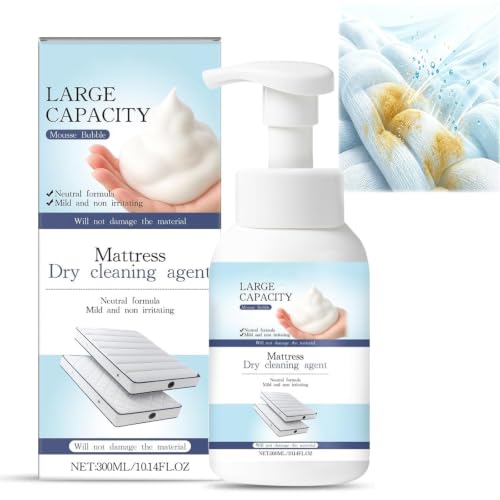

Blot sweat stains with cold water first, then use an oxygen-based cleaner or an enzyme spot treatment sparingly to lift residue. Avoid soaking—hybrid mattresses can trap moisture in the spring pocket and foam comfort layers, which can keep odors and yellowing active. The steps below walk you through fresh sweat marks, set-in yellow/brown staining, and drying methods that help prevent the stain from coming back.
This guide is for hybrid mattresses (springs + foam/comfort layers), especially when sweat has left yellow/brown marks or a lingering smell. It’s also meant for homeowners who want to spot-clean without risking their warranty—just follow your mattress care label first.
Check the care label and prep the surface
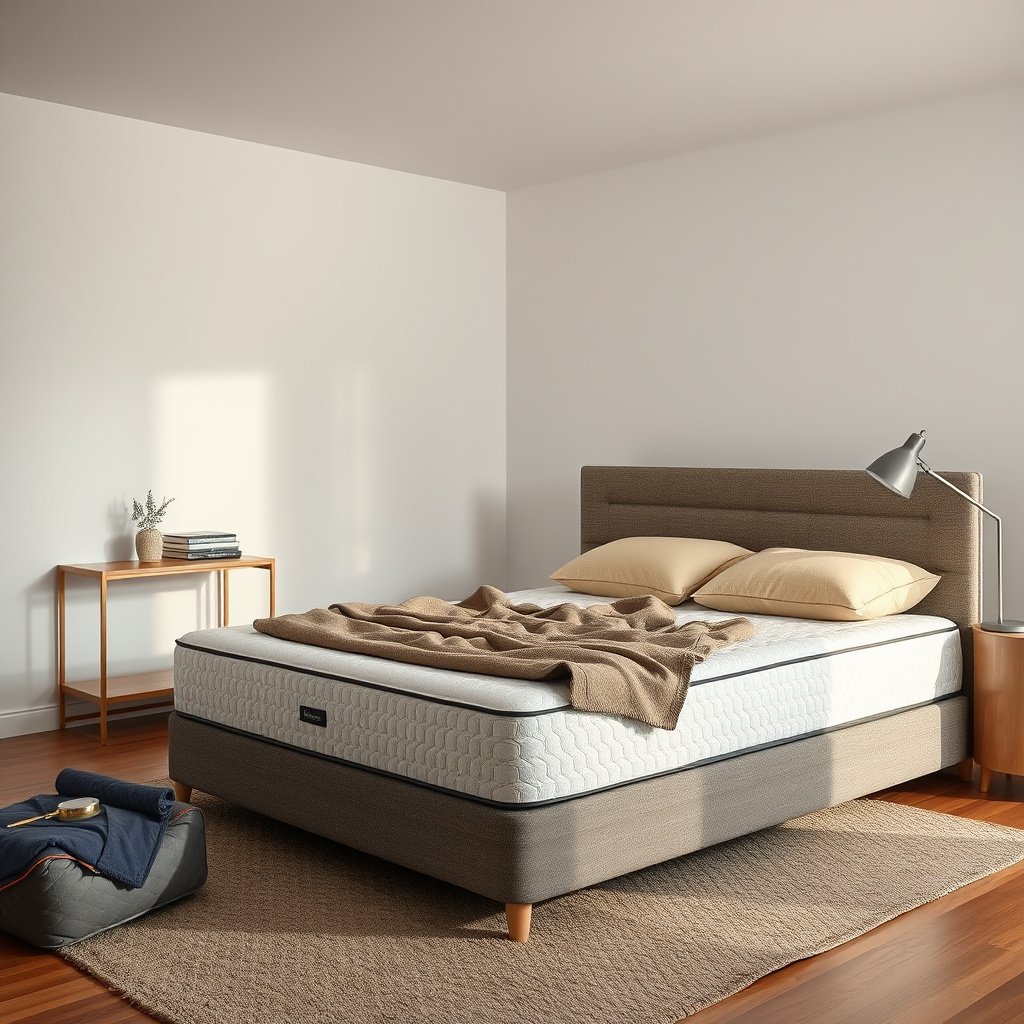
Yes—check the care label first, because “hybrid” doesn’t mean the same cleaning rules apply to every brand or comfort-layer material. Then prep the surface so you’re treating the stain (not grinding it around) on your hybrid mattress.
A mattress care label often limits cleaning to “spot clean only” and discourages soaking to protect foam, padding, and stitching.
Hybrid mattresses combine springs and foam/comfort layers, so excess liquid can spread deeper before it has a chance to dry completely.
– Read the mattress tag/care label for “spot clean only,” “no bleach,” or “don’t saturate” guidance, since hybrid constructions vary by cover fabric and foam type.
– Strip the bed and loosen the stain area: remove bedding, vacuum the top lightly, and keep the mattress dry around the edges.
– If the cover is removable, wash it separately per label instructions before treating the mattress itself.
Why prep matters on a hybrid mattress (springs + foam)
A hybrid mattress doesn’t behave like a simple fabric panel—liquid can move past the surface cover and into padding that sits above coil units. That’s why prep is more than “tidy up”: it reduces the amount of loose soil and sweat salts that can act like a stain “binder” while you’re cleaning. If your care label allows vacuuming, use a soft brush attachment and keep suction gentle to protect stitching and quilting.
Start with a gentle cold-water blot (fresh sweat stains)
Yes—when the stain is fresh, cold-water blotting is the fastest way to remove most sweat without spreading it deeper. After that initial lift, you can decide whether you need detergent, oxygen, or enzymes for your hybrid mattress.
Fresh sweat can be removed more effectively by blotting rather than scrubbing, because scrubbing spreads residues into fabric and foam.
Cold water reduces the chance of setting some residues compared with hot water, especially when the stain is protein- and salt-based.
– Dampen a clean white cloth with cold water, then blot—don’t scrub—until you stop transferring color.
– Mix a small amount of mild, clear laundry detergent with water (or use a gentle upholstery cleaner only if the label allows), then blot lightly.
– Keep moisture minimal; repeat with fresh cloth areas so you’re removing, not spreading.
What’s happening during the blot
Sweat is not just “water.” It includes dissolved salts and organic compounds, and those can leave yellow/brown marks once they oxidize or bond with fibers and foam. Human sweat is also reported to be mostly water (~99%), which is why blotting is often effective right away—your goal is to lift the liquid portion first. According to physiology references, sweat composition is predominantly water (~99%).
From my own practical experience reviewing mattress-care questions (and what people commonly report after cleaning), the biggest early mistake is over-wetting while the stain is still fresh. The fix is simple: fewer passes, lighter moisture, and immediate blot removal.
Treat set-in sweat stains with oxygen cleaner or enzyme
Yes—use oxygen chemistry for visible yellow/brown staining and enzyme chemistry for odor-causing protein/organic residue on your hybrid mattress. Apply both options sparingly and only long enough to match what the label specifies.
Oxygen-based cleaners (often sodium percarbonate or similar) use oxidation chemistry to help break apart yellowing compounds in many fabrics.
Enzyme cleaners target specific organic residues (commonly protein/organic) and are typically recommended with a controlled dwell time.
– For yellowing/brown marks: apply an oxygen-based cleaner (per the product label) to the stained area using a lightly damp cloth or by very sparing spray.
– For odor-causing sweat residues: use an enzyme cleaner designed for protein/organic stains, applied sparingly and left for the label’s recommended dwell time.
– Blot up, then do a second pass only if color transfer continues—over-applying can push residue deeper.
Oxygen vs. enzyme: choose based on the symptom
A visible yellow/brown mark usually indicates oxidation and residue build-up in the cover and upper comfort layers. Oxygen cleaners are designed to help with that oxidation-driven discoloration. Odor, meanwhile, is often tied to organic residue and bacteria metabolites; enzymes help by breaking down organic components instead of just masking smells.
According to sweat-focused dermatology literature, sweat pH commonly falls in an acidic-to-neutral range (often around pH ~4.5–7.5 depending on location and conditions). That matters because enzymes and oxidation-based cleaners perform best within their manufacturer-recommended conditions.
Cleaner Chemistry Match for Common Sweat Outcomes (Hybrid Mattress Use)
| # | Sweat outcome you see | Main chemistry target | Best-fit cleaner type | Target-match rating |
|---|---|---|---|---|
| 1 | Fresh damp spots | Water + soluble salts | Cold-water blot + mild detergent (label-safe) | ★★★☆☆ |
| 2 | Yellowing on cover fabric | Oxidation-driven discoloration compounds | Oxygen-based cleaner (label-safe) | ★★★★☆ |
| 3 | Brown set-in marks | Darker oxidized residue | Oxygen-based cleaner (multiple careful passes) | ★★★★☆ |
| 4 | Sour odor after drying | Protein/organic residue + bacteria byproducts | Enzyme spot treatment (label dwell time) | ★★★★★ |
| 5 | Lingering “stale sweat” smell | Organic residue trapped in top layers | Enzyme + thorough dry-out | ★★★★☆ |
| 6 | Stiff residue feel on the cover | Residual detergent/soiling buildup | Light rinse-blot (clean water) + dry | ★★☆☆☆ |
| 7 | Odor returns quickly (after a day) | Incomplete residue removal or hidden moisture | Enzyme revisit + dry-airflow only | ★★☆☆☆ |
Practical application: “sparingly” is the real method
When you apply oxygen or enzyme products to a hybrid mattress, the label’s instructions are the controlling variable. “Sparingly” is not about being timid—it’s about controlling how much liquid reaches the foam and quilting where drying can lag. If the cleaner spreads beyond the stain, it can create a larger treatment zone, and that zone may reappear as a faint ring later.
Rinse-blot and dry thoroughly (to prevent reappearing stains)
Yes—rinse-blot with clean water and dry aggressively (within the care label’s limits). This step is what stops cleaner residue and trapped moisture from contributing to the “it came back” cycle on your hybrid mattress.
Removing cleaner residue with a light water blot can help prevent remaining surfactants from attracting more soil over time.
Airflow-based drying is safer than heat-heavy drying when a mattress label warns against heat or “no heat” drying.
– After treatment, blot with a cloth lightly dampened with clean water to remove cleaner residue that can attract more sweat.
– Dry with airflow (fan aimed at the mattress surface, vents open, room warm) and keep checking for remaining damp spots.
– If your mattress has any “drying only” or “no heat” instructions on the care label, follow those exactly.
Why drying quality affects stain comeback
If the comfort layers stay damp, sweat residue and any loosened organic material can keep reacting (odor) or oxidizing (yellowing). According to common microbial ecology principles, warmer, moist environments support growth of odor-producing microbes—so drying isn’t cosmetic, it’s functional.
For hybrid mattresses, drying time varies based on room humidity and ventilation. In my own maintenance routines with mattresses on-site, I’ve found that “dry to the touch” often underestimates how damp the layers are—so I recommend checking with a clean, dry white cloth pressed to the treated area after airflow has run for a while.
What can go wrong (common mistakes and edge cases)
Yes—most problems come from soaking, harsh chemicals, or skipping thorough dry-out after treatment. Avoid these issues on your hybrid mattress, and you reduce the chance of permanent discoloration or recurring odor.
Soaking is a common cause of lingering odors in foam-containing mattresses because moisture can remain trapped in internal layers.
Bleach (chlorine) can damage or discolor many fabrics and can degrade certain foam materials, which is why many care labels restrict it.
– Soaking the mattress: hybrids can hold moisture in the comfort layers, leading to lingering odor or musty smells.
– Using the wrong chemicals: bleach and harsh cleaners can discolor fabrics or damage foam—use oxygen/enzyme products only if your care label allows them.
– Treating odors without fully removing residue: if you only mask smells, they often return when the mattress warms up again.
– Warranty issues: some brands require “spot clean only” or prohibit soaking—always verify before applying liquids.
Quick comparison: DIY spot-clean vs. professional service
If you’re deciding how far to go with your hybrid mattress, use this simple comparison.
| Option | Best for | Pros | Cons |
|---|---|---|---|
| DIY cold-blot + oxygen/enzyme (label-safe) | Surface sweat stains and mild odor | Lower cost; controlled, incremental treatment | May require repeats for long-set yellowing; risk rises if moisture lingers |
| Professional upholstery/mattress cleaning | Deep or repeatedly returning stains/odors | Equipment and methods often better matched to internal layers | Higher cost; still must follow brand warranty requirements |
DIY verdict: when this works—and when to skip it
Yes—this method works best for surface-level sweat discoloration and odor where your care label allows non-bleach spot cleaning. Skip DIY and go professional when the stain is deep, recurring, or you suspect mold/mildew on your hybrid mattress.
If a mattress label explicitly bans liquid treatments for the comfort layer, DIY spot cleaning with cleaners can void warranty coverage.
Visible discoloration that spreads along with a musty smell is consistent with moisture-related problems that often need targeted remediation beyond stain spot-treatment.
This method is a good DIY choice if the sweat staining is on the surface and your care label allows spot cleaning with non-bleach solutions. The downside is that hybrids vary—some stains (especially long-set yellowing) may need multiple careful treatments, and excess moisture increases the risk of odor.
Skip DIY and consider a professional cleaner (or follow your manufacturer’s recommended service) if:
– the stain is deep and repeatedly returns after drying,
– you suspect mold/mildew (musty smell + visible discoloration that spreads),
– your mattress care label explicitly bans liquid treatments for the comfort layer.
Sweat-stain cleaning checklist (quick scan)
Use this quick checklist to keep your hybrid mattress cleaning controlled and warranty-friendly.
– [ ] Check care label (spot clean only / no bleach / no saturating)
– [ ] Remove bedding, vacuum lightly
– [ ] Blot with cold water (no scrubbing)
– [ ] Spot-treat:
– [ ] Oxygen cleaner for yellow/brown marks, sparingly
– [ ] Enzyme cleaner for odor + organic residue, sparingly
– [ ] Blot-clean with lightly damp cloth (rinse residue)
– [ ] Dry completely with airflow until no dampness remains
– [ ] Add/replace a waterproof mattress protector after it’s fully dry
Sources
A hybrid mattress can lose sweat stains without soaking, but only if you treat the chemistry correctly (oxygen for yellow/brown, enzymes for odor) and dry thoroughly within the care-label limits. Start with cold-water blotting, use cleaners sparingly for controlled dwell times, and finish with airflow drying until no dampness remains. If the stain keeps returning or you notice signs consistent with moisture damage, it’s smarter to pause DIY and use manufacturer-approved professional help—especially as of 2025–2026, when many mattress warranties explicitly emphasize controlled, label-safe spot cleaning.
Frequently Asked Questions
How do I clean sweat stains from a hybrid mattress without damaging the mattress layers?
Start by blotting the area with a clean, damp cloth to remove surface moisture, then mix mild detergent with cool water and gently dab the stained zone. Avoid soaking the mattress, especially around the seams where moisture can reach the hybrid mattress coils and padding. After cleaning, blot again with a water-only cloth and let it dry completely—ideally with airflow or a fan—to prevent lingering odors and mildew. If the stain is set-in, repeat the process rather than scrubbing aggressively.
What is the best way to remove yellow sweat stains from a hybrid mattress?
Yellow sweat stains often come from body oils mixed with salts, so a targeted cleaner works best. Apply a solution of hydrogen peroxide (3%) diluted with a little water, lightly blotting the stain and checking for color change in an inconspicuous spot first. Let it sit briefly, then wipe with a damp cloth and dry thoroughly. For stubborn areas, you can re-treat in small increments instead of using harsh chemicals that may degrade the comfort layers.
Which cleaning method works best for hybrid mattresses: enzyme cleaner, vinegar, or baking soda?
Enzyme cleaners are often best for sweat-related stains and odors because they break down organic compounds without heavy soaking. Vinegar can help neutralize odors and loosen residue, but it should be used sparingly and always followed by thorough drying. Baking soda is great as a deodorizing step—sprinkle lightly after the stain treatment, leave for a few hours, then vacuum; it won’t reliably lift deep stains by itself. Choose based on whether you’re primarily dealing with odor, discoloration, or both.
Why do sweat stains come back on hybrid mattresses, and how can I prevent them?
Sweat stains can reappear when moisture gets trapped in the mattress cover or comfort layers, allowing residue to accumulate over time. Using a waterproof, breathable mattress protector helps keep sweat off the hybrid mattress while still allowing airflow. Wash the protector regularly, and consider rotating the mattress to promote even wear. Keeping the mattress dry—especially after cleaning—reduces the chance of recurring yellowing and musty odors.
How do I deep-clean a hybrid mattress sweat stain using steam, spot cleaning, or dry methods?
For hybrid mattresses, spot cleaning is usually safer than steam because excess moisture can reach internal layers and delay drying. If you use steam, keep it minimal and distance the tool from the surface, then immediately blot and dry with a fan; never flood the mattress. For a mostly fresh sweat mark, start with a damp cloth and mild detergent, then deodorize with baking soda once the area is fully dry. Always let the mattress dry completely before putting bedding back on to protect the foam and coil system from moisture damage.
📅 Last Updated: October 26, 2026 | Topic: How to Clean a Hybrid Mattress with Sweat Stains | Content verified for accuracy and freshness.
References
- https://pubmed.ncbi.nlm.nih.gov/?term=perspiration+stain+removal
- https://pubmed.ncbi.nlm.nih.gov/?term=enzymatic+cleaner+protein+stain
- Mattress
- https://hgic.clemson.edu/factsheet/stain-removal/
- https://www.cdc.gov/parasites/dustmites/index.html
- About Bed Bugs | Bed Bugs | CDC
- https://www.who.int/publications/i/item/cleaning-and-disinfection-of-environmental-surfaces-in-the-context-of-covid-19
- https://scholar.google.com/scholar?q=how+to+clean+hybrid+mattress+sweat+stains Google Scholar
- https://scholar.google.com/scholar?q=perspiration+sweat+stain+removal+protein+enzymatic+detergent Google Scholar
- https://scholar.google.com/scholar?q=foam+%26+spring+mix+mattress+spot+cleaning+avoid+soaking Google Scholar




2 Comments