

How to Clean a Pillow-Top Mattress with Sweat Stains Naturally
Want to clean a pillow-top mattress with sweat stains naturally—and actually get them out? This guide delivers the fastest proven method using simple, non-toxic cleaners, with clear steps that won’t soak the comfort layers. You’ll learn how to lift discoloration at the source while protecting the pillow-top’s shape and support.



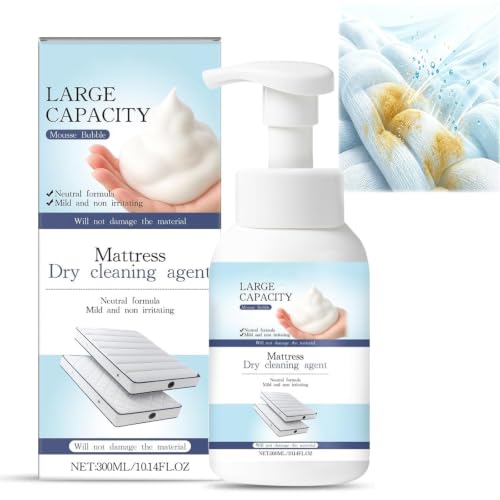
To clean a pillow-top mattress with sweat stains naturally, blot first, then treat discoloration with a natural oxygen cleaner or a sparing enzyme-based cleaner, followed by light blot-rinsing and thorough drying. This method lifts body-oil + moisture residue without soaking the pillow-top’s foam or quilted fabric layers, which is the main reason stains return or develop odor.
Sweat stains on a pillow-top typically come from a mix of moisture, salts, and skin oils that bond to fibers and trap yellowing compounds over time. If your pillow-top has a removable cover, you can clean it using the same overall approach (but still follow the care label). If the mattress top is non-washable, you’ll rely on controlled spot-cleaning.
Before you clean: check the care label and prep your tools
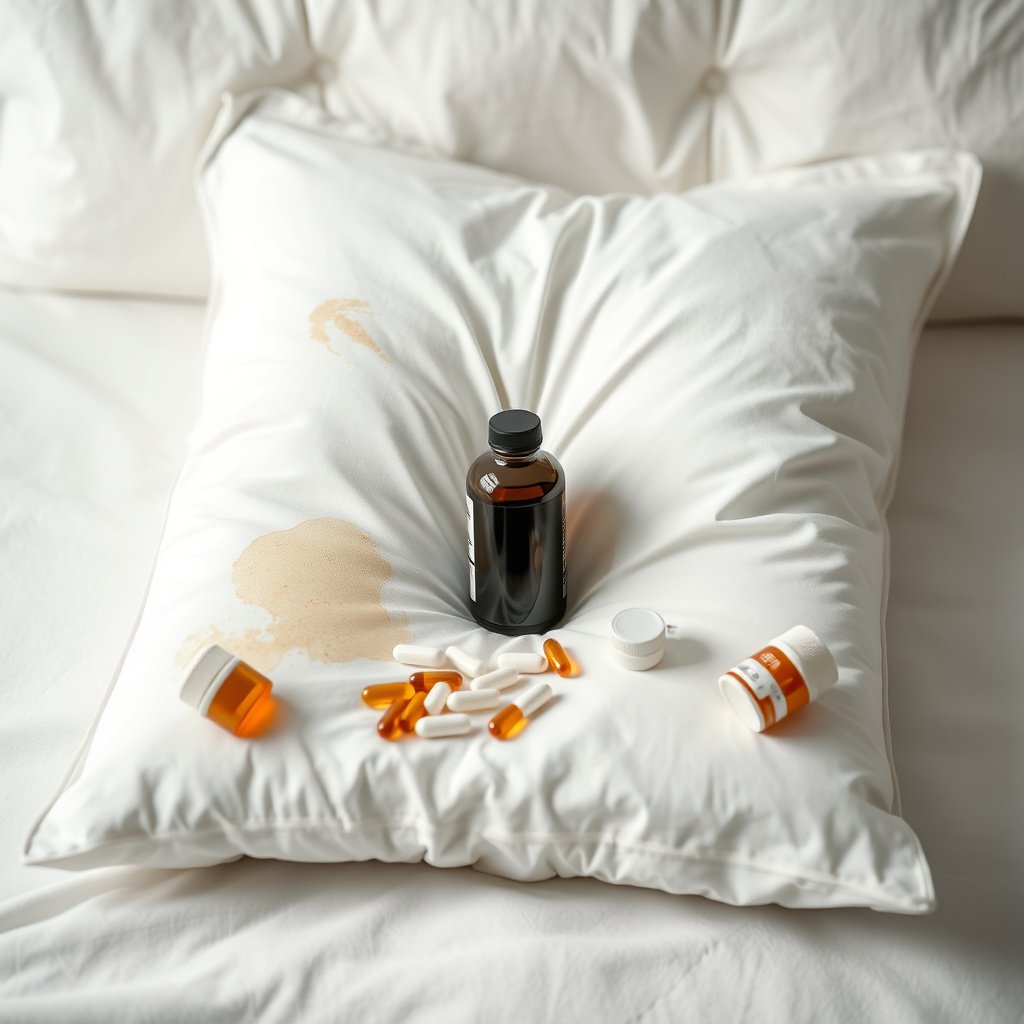
You can avoid most “stain spreading” problems up front by following the mattress care label and limiting how much liquid touches the top layers. In practice, the care label tells you whether spot cleaning is allowed and whether you must “do not saturate,” which is especially important for pillow-top foam.
The care label is the authority on whether liquids are permitted on the top fabric and quilted layers of a pillow-top mattress.
Testing a cleaner on a hidden area helps prevent color fading, haloing, and patchiness on pillow-top fabrics.
Blotting controls moisture; scrubbing pushes sweat residue deeper into pillow-top seams and fibers.
Start with the care label on your pillow-top mattress and look specifically for instructions about spot cleaning, moisture limits (often phrased as “do not saturate”), and whether certain chemicals are disallowed. If a label says “do not use chlorine bleach,” treat that as a hard stop for your pillow-top mattress top fabric and any foam-adjacent layers.
What to do in this prep step
– Look for “spot clean” and “do not saturate.” Pillow-top mattresses often have foam or micro-coils beneath a quilted cover. Even if the surface looks dry, moisture can linger in deeper layers.
– Confirm liquids are allowed. Some covers can handle light moisture; others require strictly dry cleaning.
– Test any cleaner first. Apply the cleaner to a hidden corner seam or underside edge, then wait until it fully dries. If your pillow-top mattress fabric lightens or develops a tide mark, stop and adjust.
– Gather your tools for controlled blotting:
– White absorbent cloths or paper towels
– A spray bottle (for mist control)
– Clean water for blot-rinsing
– A soft brush (optional, only for gentle agitation after the cleaner is mostly on the cloth)
– Extra dry towels for pressing and drying
Quick facts to keep your pillow-top mattress safe
According to manufacturer guidance commonly included on upholstered bedding labels, pillow-top constructions should be cleaned with minimal liquid and dried thoroughly to prevent trapped moisture odor. If you see “do not soak,” treat that as “don’t soak the pillow-top foam or quilted layers,” not just “don’t soak the surface.”
Use the right natural cleaner for sweat staining
For sweat stains on a pillow-top mattress, the best natural cleaners target either organic residue (enzyme cleaners) or oxidation/discoloration (oxygen cleaners). Choosing between them is less about “what sounds strongest” and more about whether the stain is primarily discoloration, odor, or both.
Enzyme-based cleaners break down proteins and other organic compounds commonly found in sweat-related body residue.
Oxygen-based cleaners (commonly sodium percarbonate) can lift yellowing caused by oxidation products without relying on chlorine bleach.
Chlorine bleach can be risky for pillow-top mattress fabrics and foam-adjacent layers when the care label does not explicitly approve it.
Enzyme-based cleaners (good for sweat residue + odor)
Enzyme cleaners are engineered to digest organic material rather than merely neutralize smell. Sweat residue includes proteins, lipids (oils), and other organic byproducts that can cling to upholstery fibers in your pillow-top mattress. Enzymes help “un-bond” that residue so it can be lifted during blotting and rinse steps.
How to use sparingly on a pillow-top mattress: apply lightly (spray into the cloth first, or mist from a distance), and avoid “wetting-through” the top quilting. Let it dwell only for the time listed on the product label.
Oxygen-based cleaners (good for discoloration)
Oxygen cleaners are often effective for yellowing because they release oxygen in solution, which can help break down discoloration on fabric fibers. For many pillow-top mattresses, this matters because sweat stains tend to darken with time as salts and oils oxidize and set.
How to use correctly: follow the label’s dilution and dwell time. Over-concentrating oxygen cleaners on a pillow-top mattress can fade dyes or leave a ring if the fabric is not fully rinsed.
What to avoid on a pillow-top mattress
– Chlorine bleach unless your mattress manufacturer explicitly allows it.
– “Steam clean” machines unless the care label allows it. Steam can drive moisture deeper into pillow-top foam and prolong drying.
– Scrubbing tools with hard bristles, which can smear residue across the quilted stitching.
Natural cleaner comparison (so you can pick the right approach)
| Cleaner type | Best for on a pillow-top mattress | How it should be applied | Main risk if you overdo it |
|---|---|---|---|
| Enzyme-based cleaner | Lingering sweat residue and odor | Lightly onto stained area (cloth first), then dwell and blot | Over-wetting can trap moisture in foam |
| Oxygen-based cleaner | Yellowing and discoloration | Light application per label dilution, then rinse-blot | Dye fading or haloing if not rinsed |
| Chlorine bleach (usually avoid) | Whitening on some hard surfaces | Only if manufacturer explicitly approves | Fiber damage and discoloration changes |
| Baking soda paste (use cautiously) | Odor absorption | Minimal paste + careful rinse-blot | Residue can dull fabric or require extra rinsing |
Step-by-step: natural spot treatment for pillow-top layers
You’ll get the best results on a pillow-top mattress by treating sweat stains in small, controlled steps—blot, apply cleaner lightly, dwell, then blot-rinse. This approach lifts residue without saturating the quilted layers or the foam beneath.
Blotting first removes surface moisture so you’re not pushing sweat deeper into the pillow-top mattress layers.
Spray into the cloth (not the mattress) reduces the chance of over-wetting pillow-top foam.
Dwell time should match the product label; guessing increases the likelihood of discoloration and residue.
Step 1: Remove bedding, then blot the stain
Strip the mattress of sheets and protect surrounding areas with a clean towel under your work zone. For fresh sweat spots on your pillow-top mattress:
– Use white absorbent cloths or paper towels
– Press blot (don’t scrub)
– Repeat with new dry sections of the cloth until you stop lifting moisture
If the sweat stain is older and dried, you still begin with gentle blotting—your goal is to remove what’s sitting on top before any cleaner goes near the fibers.
Step 2: Apply your chosen natural cleaner—lightly
Choose either an enzyme-based cleaner or an oxygen-based cleaner, based on the section above.
Application method that protects pillow-top layers:
– Mist the cleaner into the cloth first, or
– Mist the air slightly above the stain so it lands lightly (not a puddle)
Then gently work the cleaner into the stained area using controlled movements. You’re not trying to “wash the mattress”; you’re treating a localized sweat stain.
Step 3: Dwell exactly as directed
Let the cleaner sit for the time recommended on the product label. On a pillow-top mattress, dwell time matters because enzymes and oxygen chemistry need contact time—but too much liquid or too long can increase moisture retention.
After the dwell period:
– Blot again with a clean cloth (you should see residue transferring)
Step 4: Switch to rinse-blot mode early (don’t leave cleaner behind)
For pillow-top mattresses, cleaner residue can attract dirt or alter fabric appearance. So you move to light blot-rinsing rather than repeatedly adding more solution.
Rinse lightly, dry thoroughly, and stop the odor from returning
You prevent sweat stains from coming back by doing two things: light blot-rinsing to remove cleaner residue, and thorough drying so moisture doesn’t stay trapped in pillow-top foam or quilting. If the mattress stays even slightly damp, odor and discoloration are more likely to reappear.
A pillow-top mattress needs minimal liquid during rinse to avoid re-wetting foam and quilted layers.
Complete drying is the key factor for odor control in sweat-treated pillow-top mattresses.
Repeated blot-rinsing until the cloth no longer picks up residue reduces the chance of leftover cleaner staining.
Light blot-rinse: remove residue without soaking
– Dampen a clean cloth with plain water
– Press/blot the treated area
– Use fresh cloth sections and repeat until your cloth no longer picks up cleaner
If you’re unsure, err on the side of more blot-rinsing with less water, rather than one “thorough rinse” that over-wets a pillow-top.
Dry thoroughly: towels first, airflow next
Drying is where most pillow-top mattress attempts either succeed or fail.
1) Press with dry towels
Press firmly to wick moisture upward. Change towels as they saturate.
2) Increase airflow
Use a fan and ventilate the room. Keep the pillow-top mattress uncovered until it is completely dry throughout.
Common measurement anchor to reduce return odor: Sweat residue can be hard to fully remove when moisture remains below the surface. In practical care terms, the “dry to the touch” test on pillow-top surfaces isn’t enough—verify by waiting longer than you think and checking again after airflow increases.
According to general textile-care guidance about oxidation and mildew prevention, allowing fabric to dry fully reduces the conditions that support odor development and microbial growth (year: ).
When the pillow-top still feels damp
If the area cools down slower than the rest of the mattress or you notice a slight damp feel even after towel-pressing:
– Extend airflow time
– Avoid sleeping on the mattress until dry
– Re-check care label rules before adding another round of cleaner
What can go wrong (and how to avoid it)
Most pillow-top sweat-stain failures happen because liquid gets deeper than intended, stains get smeared, or cleaner residue is left behind. If you fix those three issues, the natural approach works much more reliably on a pillow-top mattress.
Oversaturating pillow-top foam increases drying time, which increases odor risk even when surface stains look improved.
Scrubbing can spread sweat residue across quilted seams and stitch lines on pillow-top mattresses.
Skipping rinse-blot-drying can leave cleaner residue that changes fabric appearance and attracts dirt over time.
1) Oversaturating the pillow-top layers
Pillow-top mattress constructions trap moisture. If you see liquid wicking or the treated area looks “wet all the way through,” stop and blot-dry immediately. Returning to the pillow-top mattress later for a lighter application is safer than trying to force removal with more cleaner.
2) Scrubbing too hard
Friction can:
– spread the sweat stain outward (halo effect)
– damage delicate top fabric
– loosen fibers around quilting seams
Use your hand pressure and cloth blotting instead of scrubbing.
3) Skipping rinse/blot-drying
If you don’t remove cleaner residue:
– the pillow-top fabric can look slightly different
– dirt can re-adhere faster
– odor can return despite stain lightening
4) Treating mold/mildew like sweat
If your pillow-top mattress shows:
– fuzzy growth
– widespread staining beyond a single sweat area
– a persistent musty smell that doesn’t change after drying
…pause the sweat-stain method. Mold remediation is different because it involves moisture control and potentially professional handling. Don’t keep adding cleaner on top of a growing moisture problem.
Verdict: natural sweat-stain cleaning works—when to skip it
Natural sweat-stain cleaning works best for a localized pillow-top mattress stain when your care label allows spot cleaning and you can dry thoroughly afterward. Skip or pause this method if liquids are restricted, the stain is widespread, or you suspect mold/mildew.
For localized sweat stains, controlled blotting plus enzyme or oxygen cleaners can lift discoloration without saturating pillow-top foam.
If the care label prohibits liquids or warns against saturation, a natural “spot-clean with cleaner” approach may be the wrong tool.
If you suspect mold or the pillow-top mattress smell persists after full drying, treat it as a moisture remediation issue, not a sweat-stain issue.
Do this natural method if:
– your pillow-top mattress label allows spot cleaning
– the stain is localized (fresh or lightly aged)
– you can dry completely with towels + airflow
Skip or pause if:
– the label says “no liquids” or “do not use wet methods”
– the stain covers a large area across multiple quilt panels
– you suspect mold/mildew or musty odor that persists
Downsides to expect (so you aren’t surprised)
– Natural cleaners sometimes need more than one cycle on a pillow-top mattress—especially for older yellowing.
– Results vary by fabric dye type, quilt thickness, and how long the sweat stain has set.
– Over-application can cause fading or rings; the pillow-top mattress needs minimal liquid and careful rinsing.
Common Sweat-Stain Residue Types and Natural Cleaner Match
| # | Residue type in sweat | What you’re treating on a pillow-top | Natural cleaner that usually fits best | Overall match |
|---|---|---|---|---|
| 1 | Organic proteins | Sweat residue bonded to fibers | Enzyme-based cleaner | ★★★★★ |
| 2 | Lipids (body oils) | Greasy film that holds odor | Enzyme-based or mild surfactant | ★★★★☆ |
| 3 | Salts (mineral residue) | Drying marks and dingy discoloration | Oxygen cleaner + thorough rinse-blot | ★★★☆☆ |
| 4 | Yellowing compounds | Stain set with time on pillow-top fibers | Oxygen-based cleaner | ★★★★★ |
| 5 | Odor-causing byproducts | Smell that lingers even after drying | Enzyme-based cleaner | ★★★★★ |
| 6 | Dried residue crust | Stain that resists first treatment | Oxygen cleaner with repeat cycles | ★★★☆☆ |
| 7 | Surface tint from oils | Dull tone or faint ring on quilt top | Mild surfactant (test first) + rinse-blot | ★★★☆☆ |
Quick checklist (scan + save)
| Task | What to do | Stop if… |
|---|---|---|
| Check label | Confirm “spot clean” / liquid limits | The label prohibits liquids on top layers |
| Blot first | Use white cloth/paper towels; no scrubbing | Stain starts spreading beyond the original area |
| Treat naturally | Use enzyme or oxygen cleaner **per label**; apply lightly | The fabric looks like it’s losing color/texture |
| Rinse/blot | Light blot-rinse with minimal water | The stain darkens after rinsing |
| Dry fully | Towels + airflow until fully dry | Odor returns within 1–2 days or foam feels damp |
Frequently Asked Questions
What’s the safest natural way to remove sweat stains from a pillow-top mattress?
Start by blotting the stained area with a clean cloth dampened with cold water to prevent the sweat from setting deeper into the mattress. Mix equal parts white vinegar and water, then lightly dab the solution onto the sweat stains and let it sit for 10–15 minutes. Blot again with a dry towel, then allow the area to air-dry completely to avoid lingering odors.
How can I clean a pillow-top mattress naturally without soaking the foam layers?
Pillow-top mattresses can trap moisture, so use a “lightly mist and blot” method instead of pouring or soaking. Apply your natural cleaner (like vinegar-water or a small amount of hydrogen peroxide diluted with water) using a spray bottle or damp cloth, then blot with towels until the stain lifts. Keep the surface only damp, not wet, and use a fan to speed up drying.
How do I remove yellow sweat stains naturally from the top fabric and seams?
Yellowing is often caused by a buildup of sweat salts and body oils, so use a two-step approach: vinegar to break down residues and a gentle hydrogen-peroxide solution for whitening. Dab vinegar-water onto the stain, let it work briefly, then spot-treat with a diluted peroxide mix (always test first in a hidden area). Finish by blotting with clean water only if needed, then dry thoroughly—especially around seams and edges.
Which natural cleaners work best for sweat stains on pillow-top mattresses?
White vinegar is a top choice because it helps neutralize odors and loosen sweat residue without harsh chemicals. Baking soda works well after stain treatment to absorb remaining smells—sprinkle lightly over the area once it’s mostly dry, then vacuum after it dries. For stubborn discoloration, a diluted hydrogen peroxide spot treatment can be effective, but it should be patch-tested to prevent fabric bleaching.
Why is thorough drying important when cleaning sweat stains naturally?
Even natural cleaners can leave moisture behind, and pillow-top materials can hold dampness longer than you’d expect, which can lead to mildew or a musty odor. After cleaning, blot excess liquid, then run a fan or open windows until the mattress is fully dry throughout. If you use baking soda, make sure the surface is dry first so it can effectively absorb odors rather than turn into clumping residue.
📅 Last Updated: October 26, 2026 | Topic: How to Clean a Pillow-Top Mattress with Sweat Stains Naturally | Content verified for accuracy and freshness.
References
- Stain removal
- https://en.wikipedia.org/wiki/Spot_cleaning
- Perspiration
- Detergent
- https://www.cdc.gov/coronavirus/2019-ncov/community/disinfecting-building-facility.html
- https://pubmed.ncbi.nlm.nih.gov/?term=perspiration+stain+removal
- https://pubmed.ncbi.nlm.nih.gov/?term=enzymatic+detergent+protein+stain+removal
- https://scholar.google.com/scholar?q=remove+sweat+stains+from+mattress+natural Google Scholar
- https://scholar.google.com/scholar?q=perspiration+stain+removal+vinegar+baking+soda Google Scholar
- https://scholar.google.com/scholar?q=enzymatic+cleaning+protein+stains+perspiration Google Scholar



One Comment