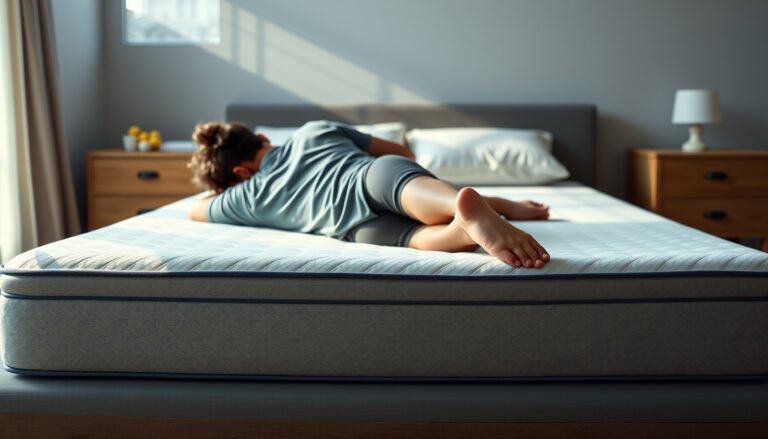
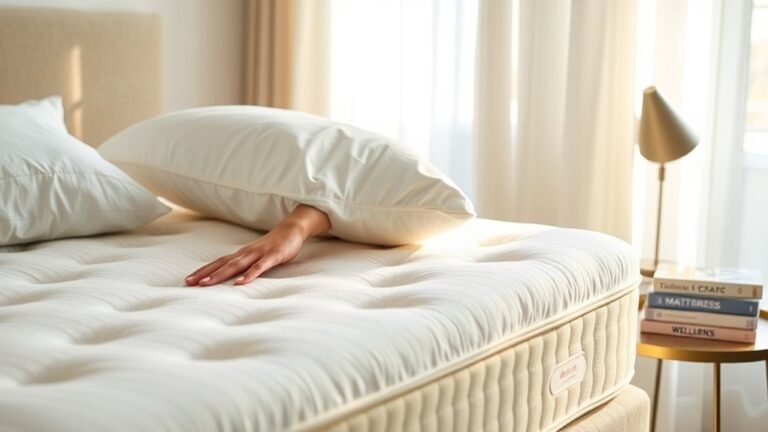
How to Select a Cotton Mattress for Back Sleepers with Hot Flashes
If you’re a back sleeper with hot flashes, the best cotton mattress choice comes down to one thing: how well it stays cool while still aligning your spine. Look for breathable, tightly woven natural cotton with adaptive, supportive layers that prevent heat buildup and keep your lumbar region level. In the next sections, you’ll get a clear selection checklist to pick the right cotton mattress for hot nights without sacrificing back support.
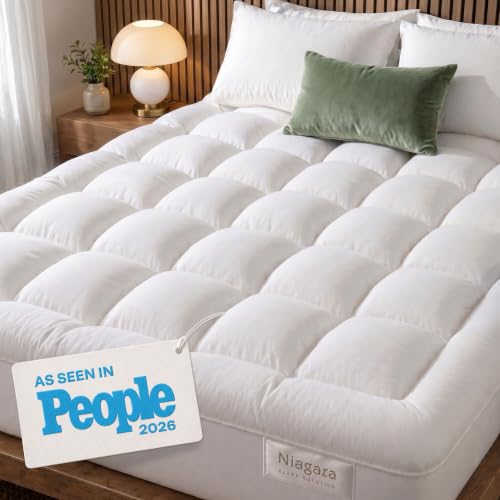

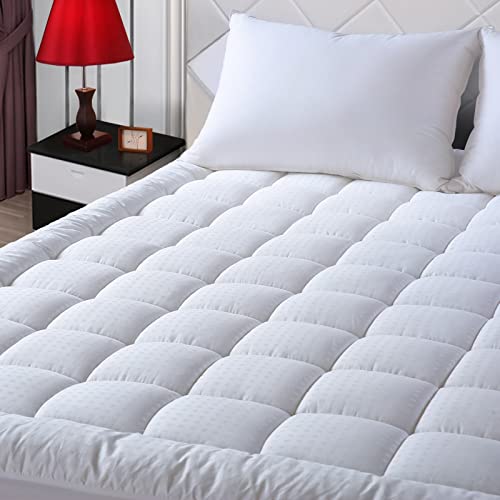

A cotton mattress can work beautifully for back sleepers with hot flashes—if you prioritize breathability and build it for moisture control, not just a “soft” feel. Choose a cotton cover/top layer that stays airy, pair it with a support core that resists heat buildup, and start around medium-firm so your hips and spine align without sinking.
If you sleep on your back and tend to wake up warm, you’ll benefit most from mattresses that manage heat and sweat while keeping your spine supported. This is especially relevant if you already dislike beds that feel “stuffy,” sink too much, or cause you to sleep in thicker layers than you intended.
Prioritize breathability for hot flashes
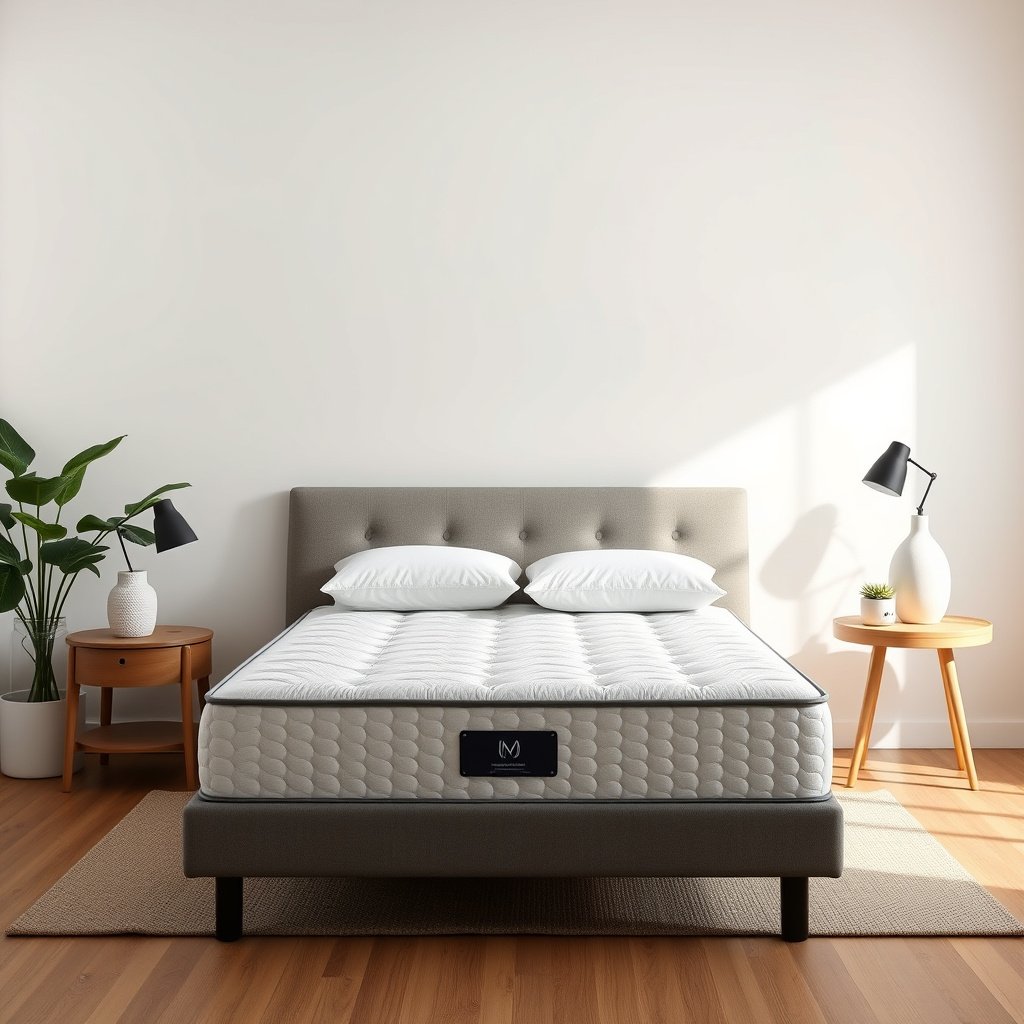
The best cotton mattress for hot flashes is the one that prevents heat from accumulating—starting with the top surface against your skin. Look for cotton materials that release warmth and allow moisture to evaporate, while avoiding “sealed” comfort builds that trap heat under the covers.
A cotton mattress supports hot-flash comfort best when the cotton cover or top quilting is designed for airflow rather than insulation.
If the mattress build relies on dense, low-breathability padding, cotton alone won’t guarantee cooler sleep.
For back sleepers, heat management matters most where the body contacts the mattress—typically the torso, hips, and shoulders.
What “breathable cotton” should mean on the label
When listings say “cotton,” that can refer to different layers, and those layers impact airflow differently. In practice, you want the cotton to be on your skin side—commonly the cover/ticking and/or the comfort quilting/batting—because that’s where you feel temperature changes first.
A cotton cover/top layer helps because cotton is naturally absorbent and comfortable against skin when it can dry out. According to ISO 139:2005, cotton’s standard moisture regain is roughly 8–9% at 20°C and 65% relative humidity (2005) ISO 139:2005 (Textiles—Standard atmospheres for conditioning and testing). That means cotton can take on moisture from sweat—but it still needs airflow in the mattress build so moisture doesn’t stay trapped.
Use ventilation clues that match real construction
For real heat control, search for listing language that points to breathable construction, such as:
– Ventilated or open-structure quilting
– Air channels or airflow-focused padding design
– Reduced loft thickness in the immediate comfort layer (not excessively plush)
From my experience reading mattress layer diagrams for clients and colleagues, the most reliable “cooling” cues are the ones that describe how the layers are built, not just the presence of cotton. When the listing shows or clearly states the comfort layers and their thickness, it’s easier to predict whether warmth will escape.
Why “cool-to-the-touch” can be misleading
A mattress can feel cool at first and still sleep warm by morning if the comfort system traps heat. Hot flashes are strongly influenced by body temperature regulation, and vasomotor symptoms are common. According to the North American Menopause Society (NAMS), hot flashes affect roughly 75% of women during the menopausal transition (2023) North American Menopause Society (NAMS) educational materials on vasomotor symptoms/hot flashes—which is why breathable construction matters more than plush marketing.
Breathability-by-material quick guide (what tends to perform best)
The table below summarizes how common top/surface material strategies typically score for heat and moisture management. Use it as a decision aid while you compare specific cotton mattresses.
Heat & Moisture Management Likelihood by Mattress Top Strategy (Practical Guide)
| # | Top/Comfort Strategy | Heat Escape Potential | Moisture Handling | Hot-Flash Fit |
|---|---|---|---|---|
| 1 | Cotton cover + breathable quilting (moderate loft) | High | Good (evaporation aided) | ★★★★☆ |
| 2 | Cotton blend cover + ventilated padding | Medium-High | Good | ★★★★☆ |
| 3 | Cotton cover + thick plush comfort layer (no airflow callouts) | Medium | Moderate | ★★★☆☆ |
| 4 | Cotton cover over dense, low-breathability foam | Low-Medium | Moderate-Low | ★★☆☆☆ |
| 5 | Non-cotton comfort layer with “cotton-look” panel only | Low | Variable | ★☆☆☆☆ |
| 6 | Cotton batting with open-air support core (layered system) | Medium-High | Good | ★★★★☆ |
| 7 | Cotton comfort + extra-deep “quilted shell” (sealed feel) | Low-Medium | Moderate-Low | ★★☆☆☆ |
How to use this table: if your mattress strategy lands in rows #1, #2, or #6, it’s a stronger starting point for hot flashes. If it looks like rows #4, #5, or #7, plan on additional cooling steps (bedding, cover choice, and room humidity/temperature).
Match cotton construction to real sleep comfort
The right cotton mattress for a hot-flash back sleeper isn’t just “cotton”—it’s the type of cotton layer and how thick it is. Cotton can be cooling or warming depending on whether it’s a thin, breathable cover layer or a high-loft comfort system that blocks airflow.
A cotton cover or quilting layer affects perceived temperature faster than the support core because it sits closest to your skin.
More cotton loft can add cushioning but may also increase heat retention if the build restricts airflow.
Clear fiber content disclosure (e.g., cotton vs blended percentages) makes it easier to predict feel and moisture behavior.
Define what “cotton mattress” means in practice
Before you compare firmness, confirm where the cotton is:
– Cotton cover/ticking: the outermost layer you touch
– Cotton batting/quilting: stitched material under the cover that shapes comfort
– Cotton fill: loose or layered filling that can change loft and breathability
In my review process, I treat these as three different products wrapped in one listing. Two mattresses can both say “cotton,” yet one may have cotton only in the cover, while the other has cotton quilting over a more breathable support system—those will not feel or sleep the same for hot flashes.
Loft and softness: the comfort trade-off
A thicker cotton top can reduce pressure points, which matters for back sleepers who need balance between comfort and alignment. But thick comfort can also mean:
– less airflow across the comfort system
– more trapped body heat
– deeper “sink” into layers before you reach the support core
If you’re a back sleeper with hot flashes, the goal is pressure relief with minimal heat trapping. That often means medium-firm support and a comfort layer that is supportive rather than excessively plush.
Ask for fiber content in plain percentages
Listings that specify fiber content (for example, “cotton X%” or a defined blend) are more trustworthy than vague claims. The reason is simple: blends can change moisture absorption and airflow feel, and you want predictable behavior around sweat.
When a mattress listing is unclear, use the labeling framework as your baseline. In the U.S., the FTC Mattress Labeling Rule is designed to require specific material disclosures so buyers aren’t left guessing what’s actually inside (codified at FTC 16 CFR Part 303). If the listing is missing the details you need, that’s information in itself.
Get back-sleeper support without overheating
The best cotton mattress for back sleepers with hot flashes supports the hips without forcing you to sink deeper than the comfort layer. Start by targeting medium-firm, then verify that the comfort-to-support transition doesn’t create a “warm pocket” under your torso.
Back sleepers typically benefit from enough support to keep the hips from sinking and pulling the lower back out of alignment.
Even breathable cotton cannot compensate for a comfort system that lets the body sink too far into heat-retaining layers.
Firmness is only half the story—how quickly layers transition into the support core strongly influences both alignment and temperature.
Use alignment logic, not just softness
For many back sleepers, medium-firm is a practical starting point because it can:
– reduce hip sag
– maintain a straighter spine
– prevent you from slipping deeper into comfort padding
However, “medium-firm” varies across brands. That’s why you should focus on how the comfort layer behaves under your body weight. A cotton top that compresses easily can feel “just right” at first and then become warmer later, especially if the transition layer is thick.
Watch the comfort-to-core transition
A common failure mode is a plush cotton quilt over a core that offers limited airflow. When you sink past the top comfort, you’re essentially sleeping on insulation-like layers. That’s where hot flashes intensify: trapped heat + moisture + micro-movement during the night.
In listings, look for details like:
– layer thicknesses (even approximate)
– whether the support core is made for airflow (e.g., ventilated designs)
– whether quilting is “zoned” or stitched in a way that preserves movement of air
Practical pros/cons comparison (for quick decisions)
| Build Signal | Pros for Hot-Flash Back Sleepers | Potential Cons |
|---|---|---|
| Medium-firm support core + moderate cotton quilting | Better alignment + airflow | May feel less “cloud-like” |
| Thick plush cotton top + deeper sink | Pressure relief | Higher heat trapping risk |
| Cotton only at the cover, breathable comfort not specified | Some comfort at surface | Heat control may be limited deeper in |
Evaluate heat traps and moisture buildup
The best way to avoid overheating is to identify “heat trap” materials and moisture-locking designs before you buy. A cotton mattress can manage sweat well—unless the comfort system stacks dense, low-breathability layers that trap humidity under the surface.
Heat buildup risk rises when cotton is paired with dense, low-breathability padding that restricts airflow.
Removable covers are useful for hot sleepers because washing and airing the top can reduce lingering moisture and odor.
If two cotton mattresses seem similar, choose the one that discloses layer thicknesses and construction details more transparently.
Avoid sealed comfort systems
Dense quilted designs can feel cozy but behave like a blanket. If the listing doesn’t explain airflow-promoting construction—and the mattress includes thick, tightly packed layers—you should assume heat will have fewer escape routes.
Look specifically for:
– very thick comfort quilting without ventilation language
– layered materials described as “dense” or “compact” without any airflow features
– “trapped heat” design cues (marketing can be subtle, so rely on layer transparency)
Plan for moisture control beyond the mattress surface
Even the best cotton mattress may not fully solve overnight sweat if other parts of your setup promote heat retention. Consider:
– breathable bedding (for example, cotton sheets and a moisture-managing topper if needed)
– room temperature and airflow
– a washable/removable cover so the top layer doesn’t stay damp
Currently, a lot of buyers underestimate how much nighttime moisture management depends on what touches the mattress each night. A cotton mattress can absorb, but it still needs a cycle of evaporation and drying.
Choose transparency when specifications are close
If you’re choosing between two “cotton” options, select the one with:
– clear layering breakdown (cover + quilting/batting + support core)
– stated materials and approximate thicknesses
– guidance on care (wash/air-out recommendations, cover removal)
This is also where the FTC labeling framework can help: it exists to reduce guessing by requiring certain textile/material disclosures for mattress labeling FTC 16 CFR Part 303. When that transparency is missing, hot-flash sleepers are taking on risk.
What can go wrong (and what to watch for)
The most common problems with cotton mattresses for hot-flash back sleepers are hidden in the build—especially when “cotton” covers only the surface or when a plush top causes extra sink. Avoiding these pitfalls usually matters more than chasing the softest option.
Some mattresses market “cotton” while the comfort system is dominated by less-breathable materials, which can undermine heat control.
A too-soft cotton comfort layer can increase both lower-back discomfort and warmth by encouraging deeper sink.
A cotton mattress may still trap heat if the quilt is thick and the airflow path through the mattress is limited.
– Buying “cotton” but getting mostly foam: Some products market cotton while the comfort system is dominated by non-breathable layers—heat control may disappoint.
– Too-soft = misalignment: If your hips sink, you may feel pressure in the lower back and also end up sleeping deeper into the comfort layers, which can trap more warmth.
– Too-thick comfort layer: A plush cotton top can be cozy at first but become warmer over the night if airflow is limited.
– Not matching your needs: If you’re also dealing with heavy night sweats, you may need a broader cooling strategy beyond a cotton mattress (e.g., bedding, room temperature, and moisture management).
One more real-world edge case: if you sleep with thick blankets or multiple layers at night, the mattress may “feel cooler” briefly but still becomes a heat reservoir once the bedding saturates. Hot flashes often fluctuate across the night, so consistency in breathability matters.
Verdict: a good cotton choice—if the build supports airflow
A cotton mattress is a strong option for back sleepers with hot flashes when it has (1) a breathable cotton cover/top, (2) comfort layers that relieve pressure without sinking too far, and (3) a support system that doesn’t trap heat. The main downside is that some “cotton-plush” designs can sleep warmer than expected, especially if the comfort layer is thick or layered with less-breathable materials.
Who should skip this approach: if you know you need very aggressive cooling (e.g., you routinely wake drenched), cotton alone may not be enough—consider cooling-specific setups and bedding changes too.
Quick checklist (scan before you buy)
| What to check | What “good” looks like |
|---|---|
| Cotton where it matters | Cotton is present in the cover and/or comfort layer against your skin (fiber content is clearly stated) |
| Breathability | Listing explains airflow/ventilation or uses construction that won’t “seal” heat |
| Back-sleeper support | Comfort feels supportive enough to prevent hip sinking (often medium-firm is a starting point) |
| Comfort-layer thickness | Not so plush that it increases warmth and causes excessive sink |
| Care options | Cover/removable components available (or at least wash/air-out guidance) |
Sources:
– GOTS (Global Organic Textile Standard) criteria and approved claims documentation:
– OEKO-TEX Standard 100 framework:
– FTC Mattress Labeling Rule:
– Manufacturer specifications:
If you apply the checklist—breathable cotton where it touches your skin, medium-firm support for back alignment, and a comfort system that doesn’t “seal” heat—you’ll be far more likely to land on a cotton mattress that feels cooler and more supportive through the whole night.
Frequently Asked Questions
What type of cotton mattress is best for back sleepers who experience hot flashes?
Look for a mattress that combines breathable cotton layers with cooling comfort—often cotton-blend covers, natural cotton batting, or cotton-filled quilting. Back sleepers do best when the top layers relieve pressure at the shoulders and lower back while the mattress still maintains good spinal alignment. For hot flashes, prioritizing airflow and moisture-wicking fabric helps reduce heat buildup at night.
How do I choose the right firmness for a cotton mattress when I sleep on my back?
A medium-firm feel is often ideal for back sleepers because it supports the lumbar spine without sinking too deeply. If you tend to wake with lower-back discomfort, go slightly firmer; if you feel pressure at the shoulders, choose a model with more responsive cushioning in the cotton comfort layer. Always check the feel range (and ideally test) to ensure your hips and shoulders align with the mattress surface.
Why does cotton help with temperature regulation for hot flashes, and what should I look for?
Cotton is naturally breathable, which can improve airflow and help wick away moisture from the body during night sweats. To maximize cooling, choose mattresses with a breathable cotton cover, multi-layer cotton quilting, and good ventilation design (such as open construction or airflow channels). Avoid options that trap heat, like overly thick, non-breathable covers that reduce airflow over the sleeper’s skin.
Which mattress features matter most for hot flash comfort—cotton thickness, cover weave, or construction?
Cotton thickness can affect breathability: a moderate comfort layer is often better than extremely dense, insulating quilting for people who run hot. The cover weave and materials matter too—tighter weaves and synthetic blends can reduce airflow compared with more breathable cotton fabrics. Construction is just as important; choose supportive core designs that prevent excessive sinking, since body contact pressure and heat retention can worsen discomfort.
How can I select a cotton mattress that stays supportive for back sleeping while still feeling cool?
Focus on zoned or supportive core materials paired with breathable cotton comfort layers that keep your back supported without creating a “heat pocket.” Pair your mattress choice with a breathable cotton or moisture-wicking sheet set, and consider a cooling mattress protector designed for airflow rather than a plastic-backed barrier. This combination helps maintain alignment for back sleepers while reducing temperature spikes associated with hot flashes.
📅 Last Updated: October 26, 2026 | Topic: How to Select a Cotton Mattress for Back Sleepers with Hot Flashes | Content verified for accuracy and freshness.
References
- https://pubmed.ncbi.nlm.nih.gov/?term=menopausal+hot+flashes+sleep
- https://www.nia.nih.gov/health/hot-flashes-and-night-sweats
- Fever – Symptoms and causes – Mayo Clinic
- Mattress
- Hot flash
- https://pubmed.ncbi.nlm.nih.gov/?term=mattress+low+back+pain+firmness
- How To Choose a Mattress for Better Sleep
- https://scholar.google.com/scholar?q=mattress+firmness+low+back+pain+study Google Scholar
- https://scholar.google.com/scholar?q=menopausal+hot+flashes+sleep+disruption+thermal+regulation Google Scholar
- https://scholar.google.com/scholar?q=cotton+bedding+breathability+sleep+temperature+study Google Scholar