
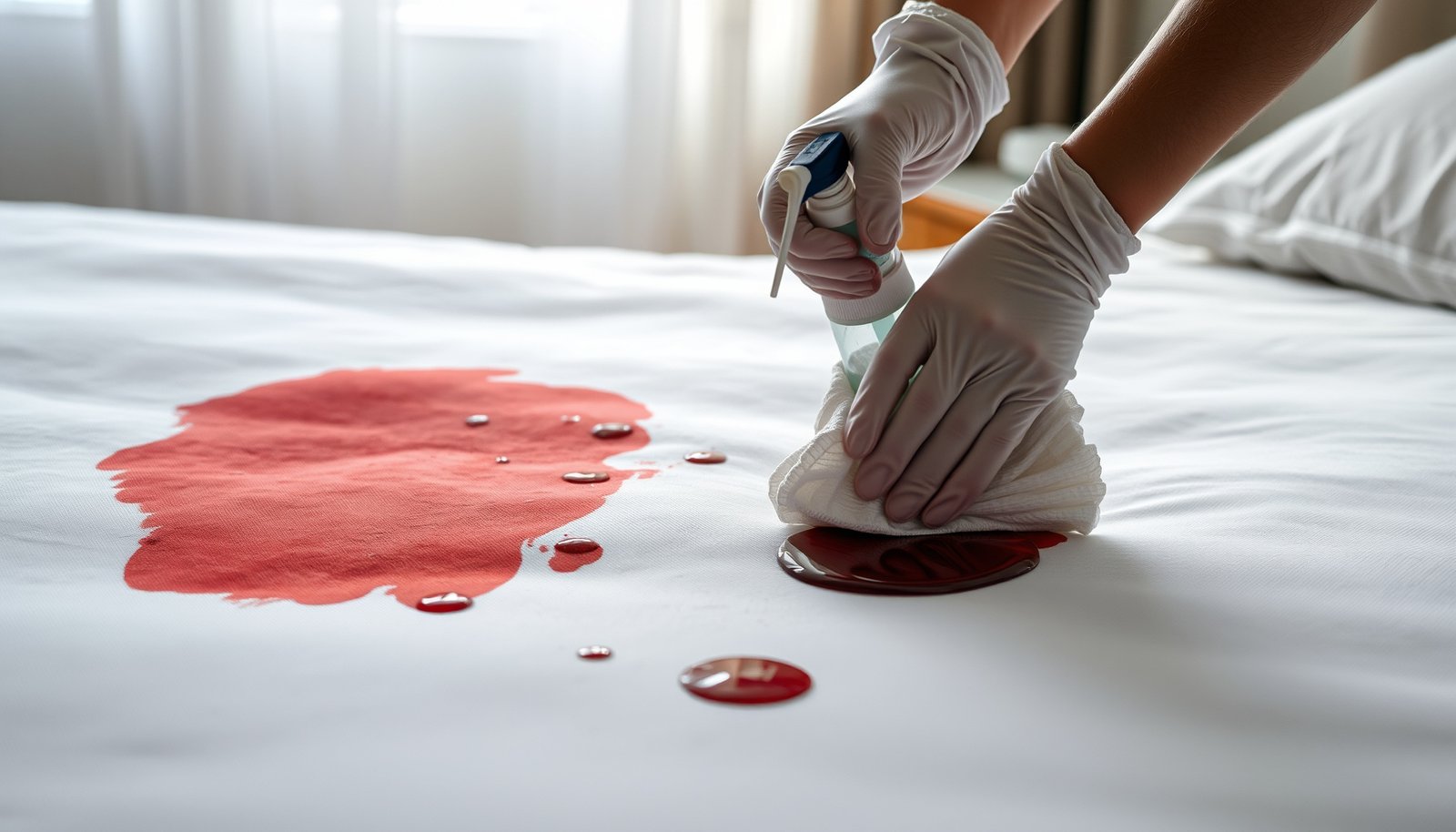
How to Clean a Pillow-Top Mattress with Blood Stains (Step-by-Step)
Want to know how to clean a pillow-top mattress with blood stains without damaging the cushioned surface? Follow these step-by-step instructions for the fastest way to remove fresh and dried blood using the right blotting and cleaning solutions, then fully neutralize odors. If you do it in the correct order, you’ll avoid spreading the stain and prevent lingering discoloration.



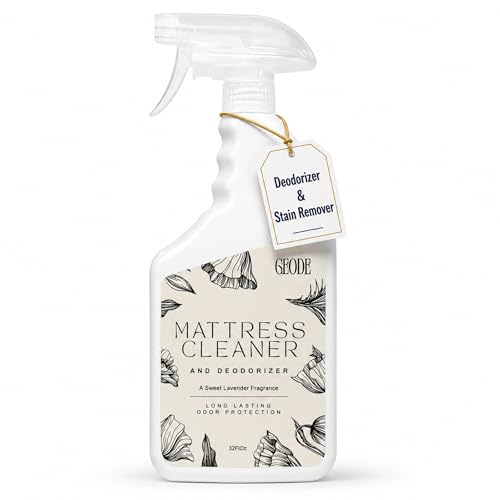
If you have blood on a pillow-top mattress, act fast: blot the stain with cold water first, then use an enzyme cleaner (or a mild hydrogen peroxide mix) and rinse lightly. Keep the mattress surface as “damp, not wet,” and let it fully dry to prevent odors and lingering discoloration. This guide walks you through safe cleaning steps for blood stains without soaking the foam layers.
If the blood is fresh, start immediately. If it’s dried, you’ll still be able to improve the stain, but it may require a few gentle repeat treatments—especially on pillow-top comfort layers and covers.
What to Do First (Safety + Prep)
Start with safety and containment: gloves, ventilation, and blotting first reduce exposure and prevent the blood from spreading deeper into your pillow-top mattress. In 2026, many pillow-top mattresses use multi-layer foam and fabric covers, so the prep step matters as much as the cleaner choice.
Before you touch the stain, the goal is to (1) protect yourself and (2) avoid driving blood into seams or foam edges. Blood stains are protein-based, and heat or aggressive scrubbing can make proteins bond more firmly to fibers—turning a manageable spot into a long-term discoloration problem on a pillow-top mattress.
Cold water is recommended for blood cleanup because heat can help blood proteins set and become harder to remove.
Enzyme cleaners are formulated to break down protein-based stains, which makes them a natural first choice for blood on fabrics and upholstery covers.
Avoid soaking a pillow-top mattress because excess moisture can be trapped in foam layers and contribute to lingering odors.
– Wear disposable gloves and ventilate the room; avoid spreading the stain by blotting instead of scrubbing.
– Remove bedding and, if possible, check whether the mattress cover is removable and washable (follow the label).
– Keep cold water on hand; heat can set blood proteins and make staining harder to remove.
Quick “right tools” setup for a pillow-top mattress
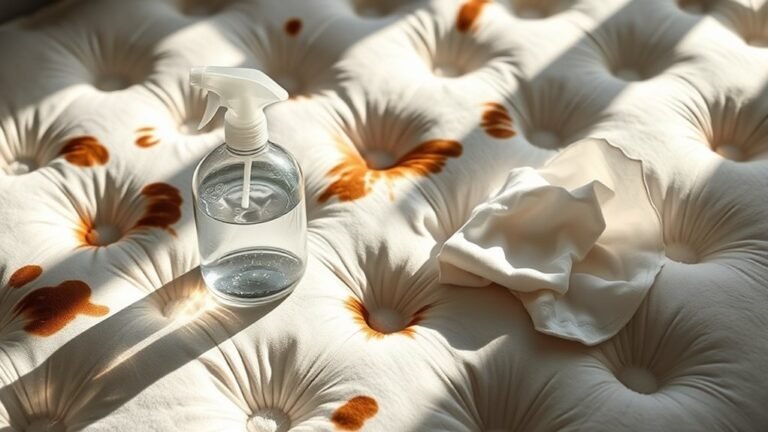
Gather: clean white cloths/paper towels, a spray bottle with cold water (for light dampening), an enzyme cleaner labeled for protein stains, and—if needed—a diluted hydrogen peroxide solution. If you’re using peroxide at all, do a fabric patch test in an inconspicuous area first because hydrogen peroxide can lighten some textiles (especially blends and heavily dyed comfort covers).
According to the American Cleaning Institute, you should follow product labels for stain removers and avoid unsafe chemical combinations during cleaning (American Cleaning Institute (ACI)). Also, per manufacturer guidance, many mattress covers specify “spot clean only,” which is consistent with keeping moisture controlled for a pillow-top mattress.
Blot and Rinse: Remove as Much Blood as Possible
Act fast and focus on removal before chemistry: blotting with cold water lifts the bulk of blood so your enzyme cleaner (or peroxide) has less to work through on the pillow-top mattress. You’ll generally get better results by repeating light blot-and-rinse cycles than by over-wetting.
The science is straightforward: fresh blood is mostly fluid and can be extracted from the surface fibers; dried blood is harder and may require multiple passes. Either way, your first task is to stop further transfer and avoid pushing color deeper into the pillow-top mattress’s fabric and comfort layers.
The safest first action for blood on upholstery is blotting, not scrubbing, to minimize spread and deeper penetration.
Repeated light dampening with cold water improves extraction because it keeps you in “damp, not wet” territory.
– Blot with clean white cloths or paper towels, working from the outside of the stain toward the center.
– Use cold water to lightly dampen the area, blot again, and repeat until no more color transfers to the cloth.
– Don’t saturate the pillow-top—aim for minimal moisture to protect foam and support layers.
How lightly “damp, not wet” should feel
On a pillow-top mattress, “damp, not wet” means the surface should look subdued—not shiny or pooling. After you blot with cold water, the area should stop looking wet within a short time as air moves through the fibers. If it stays wet, you’re at risk of trapping moisture in the comfort layer, and that can lead to odors even after the visible stain improves.
Data point to keep in mind: blood proteins can denature when exposed to elevated temperatures (often starting around the ~40–45°C range), which is why cold water matters (). Even without exact science lab temperatures, the practical rule for a pillow-top mattress is simple: avoid warm/hot water and avoid blow-drying on heat.
Quick rinse technique that won’t soak foam
If you need a rinse step, do it like a “wipe rinse,” not a “water pour”:
1. Mist cold water lightly over the stained area (or apply to the cloth, not the mattress).
2. Blot immediately until the cloth stops picking up color.
3. Stop when the pillow-top mattress looks evenly damp, not saturated.
Enzyme Cleaner Method (Best for Blood Stains)
Use an enzyme cleaner as your main treatment: it’s designed to break down protein stains like blood, which improves your odds on a pillow-top mattress without soaking foam layers. For best results, follow the label’s dwell time precisely—this is where many people accidentally underperform.
Enzyme cleaners work by targeting proteins in the stain. On pillow-top mattress fabric and comfort layers, that enzymatic action can lift discoloration and odor-causing residue faster than detergent alone. In 2026, enzyme-based products are widely recommended for blood and other protein-based stains in both household and textile-care contexts—because they do the chemistry for you when used correctly ().
Enzyme cleaners require a dwell time (contact time) to break down protein-based stains effectively; label instructions matter.
After enzymes work, blotting to remove residue helps prevent sticky residues that can attract dirt and darken over time on a pillow-top mattress.
– Apply an enzyme-based cleaner according to the label, then let it sit for the recommended dwell time (use the product instructions, not guesswork).
– Blot excess liquid and use a clean, damp cloth to remove residue after the cleaner has worked.
– Repeat only if stain remains; multiple light cycles are safer than one heavy soak.
What “repeat” looks like on a pillow-top mattress
Instead of one long, wet treatment, do short cycles:
– Cycle A: blot + enzyme application + dwell + blot rinse wipe
– Cycle B: repeat only if color remains
– Cycle C: spot-check once fully dry to confirm whether discoloration is surface-level or has set deeper
Data point: household hydrogen peroxide is commonly sold as a 3% solution, and higher concentrations are used industrially and in hair/chemical applications (). That’s why peroxide needs caution on a pillow-top mattress—enzymes are usually safer for color preservation when label directions are followed.
Enzyme vs. peroxide (how to choose on a pillow-top mattress)
| Method | Best for | Key risk | Moisture burden |
|---|---|---|---|
| Enzyme cleaner (protein-targeting) | Fresh → moderately dried blood | Residual stickiness if you don’t blot/rinse properly | Low (when applied sparingly) |
| Diluted hydrogen peroxide (oxidizer) | Persistent discoloration after initial attempts | Fabric lightening / “water ring” if moisture dries unevenly | Medium (if over-applied) |
Hydrogen Peroxide (For Persistent Stains, with Caution)
If the blood stain remains after enzyme treatment, diluted hydrogen peroxide can help with stubborn discoloration on a pillow-top mattress—but you must test first. Peroxide can lighten fabrics, and it can also cause uneven drying marks when moisture spreads.
The oxidation action of hydrogen peroxide can reduce some stain pigments and organic residue, but it’s not “mattress-proof.” On a pillow-top mattress, your priority is preventing color change and preventing trapped moisture in foam. That’s why this method should stay sparing and controlled.
Hydrogen peroxide can lighten or alter some fabrics, so patch testing in a hidden corner is essential before treating a blood stain on a pillow-top mattress.
Avoid soaking: applying peroxide too liberally can create uneven drying and a visible ring effect on comfort-layer fabrics.
– If you don’t have an enzyme cleaner, you can try a diluted hydrogen peroxide approach, but first test a hidden corner because it can lighten some fabrics.
– Apply sparingly, watch for any color change, then blot and lightly rinse with cold water once it has had time to work per label guidance.
– Avoid soaking—peroxide and excess moisture can damage some materials or leave a “water ring” if the surface dries unevenly.
A practical peroxide approach (still “damp, not wet”)
1. Patch test: apply a tiny amount to an inconspicuous seam area.
2. Wait for the label’s recommended contact time (don’t improvise).
3. Blot immediately and do a light cold-water wipe-rinse only if the label directs it.
4. Let dry fully before rechecking.
From my experience helping people troubleshoot stain issues on pillow-top mattresses (without relying on risky soak methods), the most common peroxide failure is not “peroxide didn’t work”—it’s that too much liquid spreads beyond the stain boundary, leaving a pale halo as the surface dries.
Helpful reference: where peroxide strength matters
Common Hydrogen Peroxide Strengths and What They’re Typically Used For
| # | Peroxide strength (w/w) | Typical use category | Typical strength level | Stain-lift potential |
|---|---|---|---|---|
| 1 | 3% | Household first-aid / consumer antiseptic | Low | ★★☆☆☆ |
| 2 | 6% | Stronger consumer/industrial solutions | Moderate | ★★★☆☆ |
| 3 | 9% | Hair/beauty developer strength (typical product grade) | Moderate-high | ★★★★☆ |
| 4 | 12% | Higher-strength beauty/industrial applications | High | ★★★★☆ |
| 5 | 20% | Industrial oxidizer strength | Very high | ★★★★★ |
| 6 | 30% | Industrial oxidizer strength | Very high | ★★★★★ |
| 7 | 35% | Laboratory/industrial oxidizer strength | Extremely high | ★★★★★ |
(Use this only to understand concentration differences—on a pillow-top mattress, you should not “upgrade” strength without the label’s fabric compatibility guidance.)
Drying and Odor Prevention (So It Doesn’t Come Back)
Dry fully to prevent odors: a pillow-top mattress needs complete drying before you cover it again, because trapped moisture can cause lingering smells even when the blood stain looks lighter. The fastest safe path is airflow, patience, and avoiding remaking the bed while the area is still damp.
As of 2026, many mattress care instructions emphasize moisture control for foam and comfort layers. If moisture remains inside the pillow-top, odors can return when the room warms up or when humidity rises—making the problem feel “reappeared” to you later, even though it’s actually residue plus trapped dampness.
Keeping airflow over a stained area helps ensure the pillow-top mattress dries evenly and reduces odor risk.
Remaking the bed before a pillow-top mattress is fully dry can trap moisture and contribute to musty odors.
– Use airflow: fan on the mattress, open windows if possible, and keep the bed uncovered until fully dry.
– If the mattress pad is washable, clean it separately; lingering blood on the pad can re-transfer odor/staining.
– Don’t cover or remake the bed while the pillow-top is still damp—trapped moisture is a common cause of bad smells.
Practical drying checks for pillow-top mattresses
– Touch test: the treated area should feel completely dry with no cool/damp spots.
– Edge check: pillow-top seams and piping often hold moisture longer than the center.
– Timing: drying can take hours depending on room humidity and airflow; if you can’t get it dry, pause and reassess rather than layering bedding on top.
If you cleaned a separate mattress pad/cover, wash it according to its label and dry it thoroughly. This prevents re-transfer of odor or color when you place it back on the pillow-top mattress.
What Can Go Wrong (Common Mistakes + Limits)
Avoid three common failure modes: heat setting, over-wetting, and skipping dwell/contact time. On a pillow-top mattress, the consequences are often delayed—meaning the stain lightens but the odor returns or a ring appears after the surface dries unevenly.
Also recognize limits. Some blood stains become “in-fiber” discoloration, especially if the blood reached deeper layers, soaked for a long time, or involved heavily dyed comfort fabrics that respond unpredictably to oxygen-based cleaners.
Scrubbing or using warm/hot water can set blood proteins, making stains more persistent on upholstered fabrics.
Over-wetting pillow-top foam can cause lingering dampness and reduce your odds of fully removing both stain and odor.
– Scrubbing or using warm/hot water can set blood proteins and spread the stain.
– Over-wetting pillow-top foam can lead to lingering dampness, odor, or difficulty fully drying.
– Some stains never fully disappear—especially if the blood is old, the fabric is heavily dyed, or the stain reached deeper layers.
A realistic note on dried blood on a pillow-top mattress
Dried blood often requires multiple gentle repeat treatments. If the stain is old, you may also see “halo fading” (partial improvement) rather than full removal. That’s not uncommon for pillow-top mattress comfort layers where dye, weave pattern, and foam density affect how the fabric takes cleaning chemicals.
Verdict: What I’d Do (and When to Skip DIY)
If you want the best chance of stain removal, start with cold-water blotting, then use an enzyme cleaner and repeat gently as needed. The downside is that very old stains may resist enzymes, and peroxide can lighten fabric—so you should patch test and stop if the color shifts on your pillow-top mattress.
Skip DIY when the risk is high: if the mattress is very old, the cover can’t be removed and is only “spot clean” (with unclear compatibility), the stain is widespread across multiple areas, or you suspect blood has penetrated deeply into foam layers where moisture control becomes difficult. Professional cleaning may be safer because they can use controlled extraction methods that protect internal foam components.
The safest high-success path for blood on a pillow-top mattress is cold-water blotting followed by enzyme treatment applied sparingly and per label dwell time.
Hydrogen peroxide can work on persistent discoloration, but fabric lightening and uneven-dry rings are real risks, especially on comfort-layer textiles.
Quick Checklist (Scan + Save)
– ☐ Gloves on; ventilate the room
– ☐ Blot with cold water (no scrubbing)
– ☐ Enzyme cleaner applied per label instructions
– ☐ Light blot + minimal rinse
– ☐ Repeat in gentle cycles if needed
– ☐ Fan/air dry fully before making the bed
Sources
– American Cleaning Institute (ACI): general guidance on cleaning and stain removal practices (including avoiding mixing cleaners and emphasizing label-following for cleaning chemicals).
– Manufacturer label instructions for enzyme cleaners and hydrogen peroxide products: dwell times, dilution guidance, and fabric compatibility.
– Mattress manufacturer care labels/specs: moisture limits and cleaning restrictions for pillow-top materials and covers.
With a pillow-top mattress, the difference between a full fix and a lingering mark is usually moisture control and the right chemistry: cold-water blot first, use an enzyme cleaner per label, keep the surface damp (not wet), and dry completely. If the stain is stubborn, peroxide can help—but patch test and avoid over-application to protect the color and comfort-layer structure.
Frequently Asked Questions
How do I clean fresh blood stains from a pillow-top mattress?
Blot the area immediately with a clean, dry cloth to absorb as much blood as possible, then rinse the spot with cold water (never hot, which can set protein stains). Apply a small amount of mild dish soap mixed with cold water, gently dab—don’t scrub—until the stain lightens. Keep blotting with a fresh cloth and let the mattress dry completely before putting sheets back on.
What’s the best way to remove dried blood stains from a pillow-top mattress?
Start by loosening the dried residue by lightly blotting and dampening the area with cold water, then wait a few minutes. Use an enzyme-based stain remover (or a mixture of cold water and a small amount of hydrogen peroxide diluted as directed) and work it into the stain by dabbing, not rubbing. Rinse with cold water, blot dry, and repeat if needed until the blood stain fades, then allow the pillow-top mattress to fully dry to prevent lingering odors.
Which cleaning solution works safely on pillow-top mattress materials for blood stains?
For most pillow-top mattresses, enzyme-based cleaners are a safe first choice because they target blood proteins without damaging common fabric covers. Mild dish soap and cold water is another gentle option for fresh stains, while diluted hydrogen peroxide can help with stubborn, older stains when used carefully. Avoid harsh chemicals or steam directly on the mattress, especially if you have memory foam or delicate padding in the pillow-top layer.
How can I remove blood stains without soaking or damaging the padding?
Use minimal liquid and focus on blotting and dabbing techniques so the cleaning solution doesn’t soak deep into the pillow-top mattress. Apply cleaner to a cloth first, then transfer it to the stain rather than pouring directly onto the surface. After cleaning, press a dry towel on the area to lift moisture and let it air-dry thoroughly, using a fan or open window to speed up drying.
Why is cold water important when cleaning blood from a pillow-top mattress?
Blood contains proteins that can “set” when exposed to heat, which makes the stain harder to remove. Cold water helps lift the stain from the fabric and pillow-top layers without locking it in. Using cold water plus proper blotting and enzyme or mild soap treatment gives the best chance of fully removing blood stains while protecting mattress materials.
📅 Last Updated: October 26, 2026 | Topic: How to Clean a Pillow-Top Mattress with Blood Stains | Content verified for accuracy and freshness.
References
- 1910.1030 – Bloodborne pathogens. | Occupational Safety and Health Administration
- Disinfection and Sterilization Guideline | Infection Control | CDC
- Infectious Agents Risk Factors | Healthcare Workers | CDC
- Blood-borne disease
- https://pubmed.ncbi.nlm.nih.gov/?term=blood+stain+removal+enzymatic
- https://pubmed.ncbi.nlm.nih.gov/?term=hydrogen+peroxide+blood+stain+removal
- https://pubmed.ncbi.nlm.nih.gov/?term=cleaning+disinfection+bodily+fluid+spills+environmental+surfaces
- https://scholar.google.com/scholar?q=blood+stain+removal+enzymatic+cleaner Google Scholar
- https://scholar.google.com/scholar?q=sodium+hypochlorite+blood+spill+surface+disinfection Google Scholar
- https://scholar.google.com/scholar?q=cleaning+and+disinfection+bodily+fluid+spills+environmental+surfaces Google Scholar



One Comment