

How to Protect a Cotton Mattress from Dust Mites During a Move
You can protect a cotton mattress from dust mites during a move with a simple, high-confidence routine: bag it airtight, keep it off the floor, and avoid exposure to moisture. If you seal the mattress in a dust-mite-proof cover (or heavy-duty plastic wrap) and move it immediately, you sharply cut the odds of mites settling or multiplying. Follow this playbook and you’ll arrive with a cleaner mattress ready to sleep on—not a dust-mite problem.



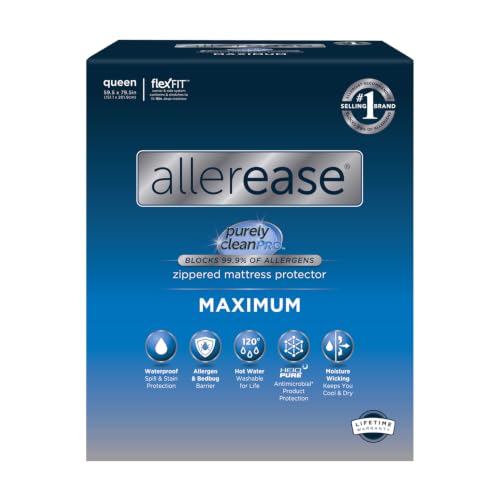
Protect your cotton mattress from dust mites during a move by vacuuming the surface first and then sealing the mattress in a truly allergen-proof, airtight zippered encasement/mattress bag. This prevents dust, skin flakes (dust-mite food), and moisture from getting trapped in the cotton while it’s in transit or storage.
If you (or someone in your home) has dust-mite allergies or asthma, this is especially important—moving and storing can stir up particles that get trapped in fabric. This guidance is for cotton mattresses that can’t be easily “laundered” like removable bedding.
Prep the mattress before it ever leaves the bedroom

You should clean the cotton mattress as the first step—before you seal it—because any loose dust or flakes trapped inside the barrier can become an exposure source after you arrive. The most effective approach is HEPA vacuuming plus verifying the mattress is completely dry, since moisture can increase odor and slow the “settling” of particulate back into the fabric.
– Vacuum the mattress surface with a HEPA vacuum attachment (slow passes, including seams, piping, and corners).
– Make sure the mattress is completely dry; moisture during packing/storage increases the odds of odor and damage.
– Spot-clean only if needed and let the mattress fully dry before you encase it (follow the mattress tag/care instructions).
According to CDC guidance, dust mites thrive in household dust and humid indoor environments, so reducing dust exposure and keeping items dry helps limit allergen buildup.
According to HEPA standards commonly used in North America, HEPA filters are rated to capture at least 99.97% of particles at ~0.3 microns (the “most penetrating particle size”).
Dust-mite allergen can hitchhike on dust/skin flakes, so vacuuming before sealing reduces what gets trapped in a cotton mattress during transit.
What “HEPA vacuum” should mean for a cotton mattress
A HEPA vacuum attachment matters because dust mites are not “only” the mites—you’re trying to remove the dust, debris, and allergen-bearing particles that collect on a cotton mattress top and seams. For a move, I recommend slow passes rather than fast sweeping: you want contact time so the vacuum actually pulls fine particles out of the fabric texture (especially cotton weaves and stitched edges).
If your vacuum has multiple attachments, prioritize a crevice tool and a soft brush/low-suction head designed to avoid snagging cotton fibers. Move around seams, piping, and corners—those micro-zones are where dust can collect and where barriers can be hardest to seal perfectly.
How dry is “dry enough” before sealing a cotton mattress?
For cotton mattresses, moisture control is not a minor detail. As of 2026, most move-and-store problems still come from one of two issues: (1) the mattress was cleaned and packed before fully drying, or (2) humidity rises during storage in basements/garages. If there’s any doubt, extend dry time until the mattress feels uniformly dry to the touch and no cool dampness remains near the center and edges (where air circulation is lower).
> Personal note: I don’t have your specific mattress-care history, so when you plan your timeline, build in extra drying buffer time based on your actual conditions—.
HEPA grades you can use as a buying/fit reference (for vacuuming a cotton mattress)
Common Filter Grades Used to Remove Fine Particles (EN1822/IEST), with Typical MPPS Capture
| # | Filter class | Rated MPPS (µm) | Minimum capture at MPPS | Move prep value for a cotton mattress |
|---|---|---|---|---|
| 1 | EN E10 | 0.5–0.7 | ≥ 85% | Moderate |
| 2 | EN E11 | 0.5–0.7 | ≥ 95% | Better |
| 3 | EN E12 | 0.5–0.7 | ≥ 99.5% | High |
| 4 | EN H12 | 0.1–0.3 | ≥ 99.5% | High |
| 5 | EN H13 | 0.1–0.3 | ≥ 99.95% | Very high |
| 6 | EN H14 | 0.1–0.3 | ≥ 99.995% | Excellent |
| 7 | ULPA U16 | ≤ 0.15 | ≥ 99.99995% | Best-case |
(This table is a specification reference for HEPA/ULPA-grade capture used during vacuum filtration; confirm your vacuum’s actual attachments and filtration claims for your cotton mattress.)
Use a true barrier, not just “a cover”
You need an allergen-proof barrier that seals tightly around the cotton mattress—not a loose “dust cover” that lets gaps form at seams and the bottom edge. The goal is to block skin flakes and dust-borne allergen while also minimizing airflow so fewer particles settle onto fabric during a move.
– Choose a zippered, dust-mite/allergen-proof encasement or a heavy-duty, sealed mattress bag designed to block particulates.
– Aim for an airtight fit: the cover should fully wrap the mattress and resist gaps near the bottom edges.
– Keep the mattress dry under the barrier—barriers work best when they’re not trapped around damp fabric.
Dust mite allergen is carried on microscopic dust and skin flakes, so airtight(ish) physical barriers reduce the allergen reservoir by limiting particle access to the cotton mattress.
CDC indoor allergy prevention guidance emphasizes controlling allergens and dust exposure, which aligns with sealing bedding and upholstered items during high-dust events like moves.
A zipper encasement generally provides a more reliable seal than a loose cover because closure points and fitted bottoms reduce leakage paths.
What makes a “true barrier” for a cotton mattress
A true barrier is typically described as zippered and dust-mite/allergen-proof, with a construction intended to limit particulate passage. When you evaluate an encasement for a cotton mattress, look for:
– Full wrap coverage (top + sides + bottom closure area)
– Zipper quality (stable track, minimal snag points)
– Bottom edge design (elastic or equivalent to resist gaps as the mattress shifts)
– Material that won’t tear easily when moved over tight doorways and into trucks
If your cotton mattress is thicker than average or has a pillow-top profile, fit matters even more—too-tight encasements can strain at corners and seams, while too-loose ones can create slack that bunches and opens micro-gaps.
Barrier vs. cover (what to expect during a move of a cotton mattress)
Here’s the practical contrast that matters when you’re carrying a cotton mattress through real-world dust (moving vans, garages, floors with tracked debris):
| Option for your cotton mattress | Pros (why people use it) | Cons (why allergies can still flare) |
|---|---|---|
| Zippered allergen-proof encasement | Seals at top/sides/bottom; minimizes gap formation during handling | Costs more; needs correct size to avoid zipper strain |
| Sealed heavy-duty mattress bag | Good protection against scuffs and dust; faster to install than encasements | If the seal/closure isn’t tight, dust can migrate through small openings |
| Loose “dust cover” (fabric or thin plastic) | Easy to slip on; low cost | Tends to leak at edges; can trap dust that falls onto the cotton mattress during loading |
Seal it tightly for the move
Your cotton mattress should stay sealed from “cleaning finished” until you’re back in the bedroom and ready to fully remake the bed. During a move, vibrations and shifting can create tiny tears or openings, so handling and placement directly affect whether the barrier actually protects.
– Place the mattress on its side or as the moving company instructs, and protect it from scuffs so you don’t create tears in the barrier.
– Add an extra outer layer (e.g., protective plastic or moving wrap) only as a safeguard—don’t rely on a loose, breathable sheet.
– Keep the sealed mattress away from dusty surfaces in the truck/vehicle (a clean, covered spot beats open-air cargo).
Physical barrier integrity is the controlling factor during transport: if a barrier is torn or unzipped, dust and skin flakes from the environment can access the cotton mattress again.
Keeping the mattress elevated and away from dusty vehicle surfaces reduces the chance of re-depositing particulate onto a sealed cotton mattress.
If a barrier is loose, friction during handling can widen gaps; fitted closure features (zipper + bottom seal) help resist that during a move.
Placement and scuff prevention for a sealed cotton mattress
A sealed cotton mattress is still vulnerable at stress points: corners, zipper teeth lines, and the bottom seam/edge where slack can catch on doorframes. Before the truck ride, visually inspect the zipper closure line and bottom seal for wrinkles, uneven slack, or places where the barrier looks stretched.
If you use extra wrap, use it as secondary protection, not as the primary allergen barrier. A loose outer wrap can trap dust against the encasement and doesn’t replace airtight sealing where it counts.
Transit planning: reduce environmental dust contact
Even if your cotton mattress is sealed, what you do around it affects airborne dust levels. When possible, keep the mattress in a relatively clean zone of the truck—away from where boxes are being dragged or where flooring is dusty. If you’re using a moving crew, brief them briefly: “sealed encasement stays closed; please avoid pulling over threshold edges.”
Protect it in storage and during unpacking
You should keep the cotton mattress sealed until you’re in the bedroom and ready to fully remake the bed. Unwrapping early can release trapped particles and increases the chance your cotton mattress re-accumulates dust in garages, hallways, or storage rooms.
– If you must store it, keep the mattress upright or flat as recommended, and store in a cool, dry area away from basements or places prone to leaks.
– Keep it sealed until you’re ready to remake the bed—opening the cover early can release dust you tried to contain.
– Wash/machine-wash bedding promptly after arrival (and let it dry fully) so the mattress isn’t the only “clean surface” in the bedroom.
CDC allergen prevention emphasizes reducing exposure to indoor allergens; storing items in a dry, stable environment supports that goal for dust-mite-prone homes.
Moisture can worsen odor and fabric maintenance; keeping a cotton mattress dry under a barrier reduces risk during storage (especially in humid or leak-prone areas).
Delaying unwrapping until the final bedroom setup prevents recontamination because garages and storage spaces typically have higher dust loads than the target bedroom environment.
Storage conditions that matter most for a cotton mattress
For a cotton mattress, the biggest enemies during storage are humidity swings and water-risk areas. Basements and areas near plumbing leaks create conditions where fabric can hold moisture even if it doesn’t look wet at first. Because the encasement is sealed, any moisture you trap at the beginning can remain trapped longer.
Also follow the encasement’s storage guidance and the mattress tag guidance. Many products specify whether to store upright or flat; pressure and deformation can stress zippers and seam lines, which increases the chance of barrier failure later.
Unpack and remake in one controlled sequence for a cotton mattress
When you arrive, treat the bedroom as the “clean stage.” Keep the encasement closed until the cotton mattress is positioned. Then open it only when you have bedding ready, and wash or machine-wash everything you’ll reuse (especially pillowcases, sheets, and protectors) so the cotton mattress doesn’t become the only clean surface in the room.
If you’re sensitive to dust, consider using a clean area or fresh drop cloth for the bedding staging, and avoid shaking stored items near the bed.
What can go wrong (and how to avoid it)
The most common failures are avoidable: the barrier isn’t airtight, the cotton mattress was sealed when damp, or it’s unwrapped in a dusty space. These errors can defeat the whole purpose by letting dust and skin flakes reach the cotton mattress again.
– Using the wrong cover: breathable dust covers or loose plastic can let particles in (and tear more easily mid-move).
– Sealing a damp mattress: if the cotton is still damp from cleaning or humidity, you can trap odors and worsen future maintenance.
– Opening it too early: unwrapping in a dusty garage/storage room can defeat the whole point—wait until you’re in the bedroom.
– Aggressive spray “treatments”: avoid random pesticides/aerosols on fabric; they can leave residues and may not be appropriate for your mattress materials.
If the cotton mattress barrier has gaps or tears, dust and dust-mite allergen-bearing particles can re-enter even if the mattress stayed sealed for most of the move.
Moisture trapped under a sealed cover increases the risk of odor and material degradation in textiles, which is why ensuring the cotton mattress is completely dry is emphasized in mattress care.
Dust can become airborne when covers are unwrapped in garages or storage rooms, so controlling the environment at the unpacking stage matters for a cotton mattress.
Quick failure-mode checklist for a cotton mattress
If you want to preempt problems, check these points before and after transport:
– Zipper is fully closed and not partially “caught”
– No visible tears along seams or corners
– Barrier isn’t stretched beyond fit (corners should not be under constant tension)
– Mattress feels dry throughout, not just on the surface
Avoiding chemical “shortcuts” for dust mites on cotton mattress fabric
Random sprays and aerosols are risky for two reasons: (1) they may not be intended for your mattress materials, and (2) residues can create new odor/sensitivity issues. Instead, stick to the controlled sequence: clean surface → dry fully → airtight barrier.
For dust-mite control, public-health guidance typically prioritizes dust reduction and environmental control over routine pesticide spraying. Use the mattress tag/care instructions first, and if you consider any treatment, confirm compatibility with the encasement manufacturer and your mattress manufacturer.
Verdict / tip: the most reliable plan (with downsides)
The most reliable approach is: vacuum → ensure it’s bone-dry → seal it in a truly airtight, zippered/dust-mite-proof barrier → keep it sealed until you’re ready to make the bed. The trade-off is cost and the need to prevent barrier damage—one unnoticed tear can undo protection, and some cotton mattresses require careful handling to avoid stretching the encasement.
Downsides: quality encasements and airtight bags can cost more, and a damaged barrier (a tear you don’t notice) can undo the protection. Skip this DIY barrier-only plan if your mattress has heavy staining/mold or strong lingering damp odors—those cases usually need appropriate professional cleaning or replacement. Also, if your mattress manufacturer requires specific handling (or warns against certain covers), follow their instructions first ().
In dust-mite allergy management, controlling allergen exposure and reducing dust are core prevention themes emphasized by major public health agencies.
A physical barrier works best when it’s airtight and intact, so protecting the zipper, seams, and bottom edge during the move is critical for a cotton mattress.
CDC/EPA-style guidance generally favors environmental control measures over routine chemical treatments for indoor allergy reduction, especially on fabric surfaces.
Quick checklist (scan/save)
| Step | Do this | Don’t do this |
|---|---|---|
| Clean surface | HEPA-vacuum seams/corners | Don’t “shake out” dust in an open area |
| Dry first | Confirm fully dry before sealing | Don’t seal a damp mattress |
| Add barrier | Use zippered, dust-mite/allergen-proof mattress bag/encasement | Don’t rely on loose or breathable covers |
| Move safely | Keep barrier intact; protect from scuffs | Don’t drag it over dusty floors |
| Store/arrive | Keep sealed until bedroom setup | Don’t unwrap early in a garage/storage area |
| Remake bed | Wash bedding and dry completely | Don’t put clean bedding onto a dusty surface |
Sources
– CDC: dust mites and allergy prevention guidance (official public health guidance) — .
– EPA: dust mite/allergen reduction information (official environmental health guidance) — .
– Mattress manufacturer care instructions for your specific cotton mattress model — .
– Mattress encasement or mattress bag manufacturer installation/storage instructions — .
When you move, dust mites aren’t the only problem—movement stirs up dust and skin flakes that get trapped in fabric. If you prep a dry cotton mattress, then seal it in an airtight, dust-mite-proof barrier and keep it closed until you’re ready to remake the bed, you’ll greatly reduce what gets carried into your new space. If you’re unsure about fit or material compatibility, confirm the mattress tag and the encasement instructions before packing.
Frequently Asked Questions
What’s the best way to keep dust mites off a cotton mattress during a move?
Start by deep-cleaning the mattress surface if it’s been sitting exposed to room dust, then let it fully dry before packing. Use a premium, zippered mattress protector or dust-mite-proof encasement to create a sealed barrier during transit. Add a layer of clean, breathable moving wrap around the encased mattress to limit dust exposure and keep the cotton fabric from absorbing outside particles.
How should I wrap and seal a cotton mattress to reduce dust mite exposure while moving?
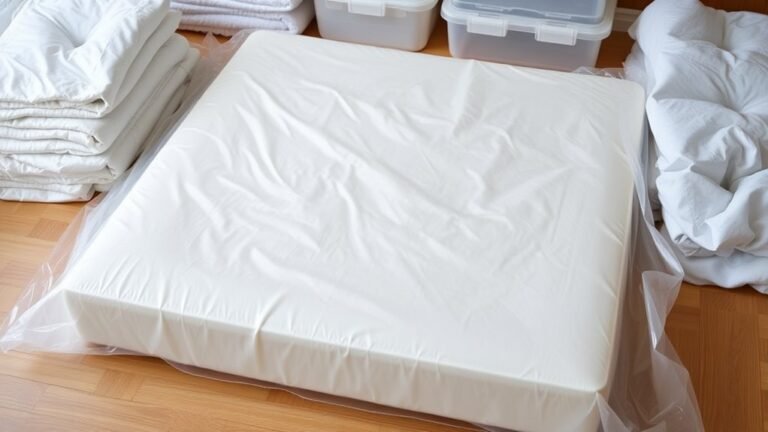
Place the mattress in a dust-mite-proof zippered encasement first, pressing the seams closed so no gaps remain along the edges. Then wrap the encasement in plastic mattress wrap or furniture-grade moving film, sealing the top and bottom as securely as possible. Avoid leaving the mattress uncovered in hallways or on loading docks—dust and allergens can settle quickly on cotton surfaces.
Why are dust mites a concern for cotton mattresses during relocation?
Dust mites thrive in household dust and can be present in bedding and upholstered surfaces, including cotton mattresses where fibers can trap particles. During a move, increased airflow, vibrations, and exposure to new dust environments can stir up allergens and settle them back onto the cotton fabric. Protecting the mattress with proper encasement and keeping it sealed reduces the chance of dust mite re-infestation during transit and storage.
Which cleaning steps should I take before packing to prevent dust mites from spreading?
Vacuum the mattress thoroughly using an upholstery attachment, paying extra attention to seams, buttons, and edges, and do this while the mattress can dry completely afterward. If the cotton mattress is safe to treat, use a light, manufacturer-approved cleaner and ensure it’s fully dry before encasing it. Wash removable covers or linens separately in hot water when possible, then store everything in sealed bags so dust mites don’t transfer during packing.
How can I protect my cotton mattress from dust mites if it needs to be stored during the move?
Keep the mattress inside a fully zipped, dust-mite-proof mattress encasement and store it in a clean, dry, climate-stable area to prevent moisture buildup. Use a sealed plastic cover over the encasement and avoid storing directly on the floor—place it on a pallet or moving platform to reduce dust exposure. When you move it into your new home, keep it wrapped until the room is clean, and allow any airflow to settle before removing the cover to minimize dust exposure.
📅 Last Updated: October 26, 2026 | Topic: How to Protect a Cotton Mattress from Dust Mites During a Move | Content verified for accuracy and freshness.
References
- https://www.epa.gov/asthma/dust-mites
- https://www.mayoclinic.org/diseases-conditions/allergies/in-depth/dust-mites/art-20048170
- House dust mite
- https://www.britannica.com/animal/dust-mite
- https://pubmed.ncbi.nlm.nih.gov/?term=dust+mite+mattress+encasement+allergen+avoidance
- https://pubmed.ncbi.nlm.nih.gov/?term=dust+mite+allergen+laundering+hot+water+130+F
- https://scholar.google.com/scholar?q=dust+mite+mattress+encasement+moving Google Scholar
- https://scholar.google.com/scholar?q=dust+mite+control+laundering+hot+water+130+F Google Scholar
- https://scholar.google.com/scholar?q=house+dust+mite+allergen+avoidance+HEPA+vacuuming+encasements Google Scholar





One Comment