
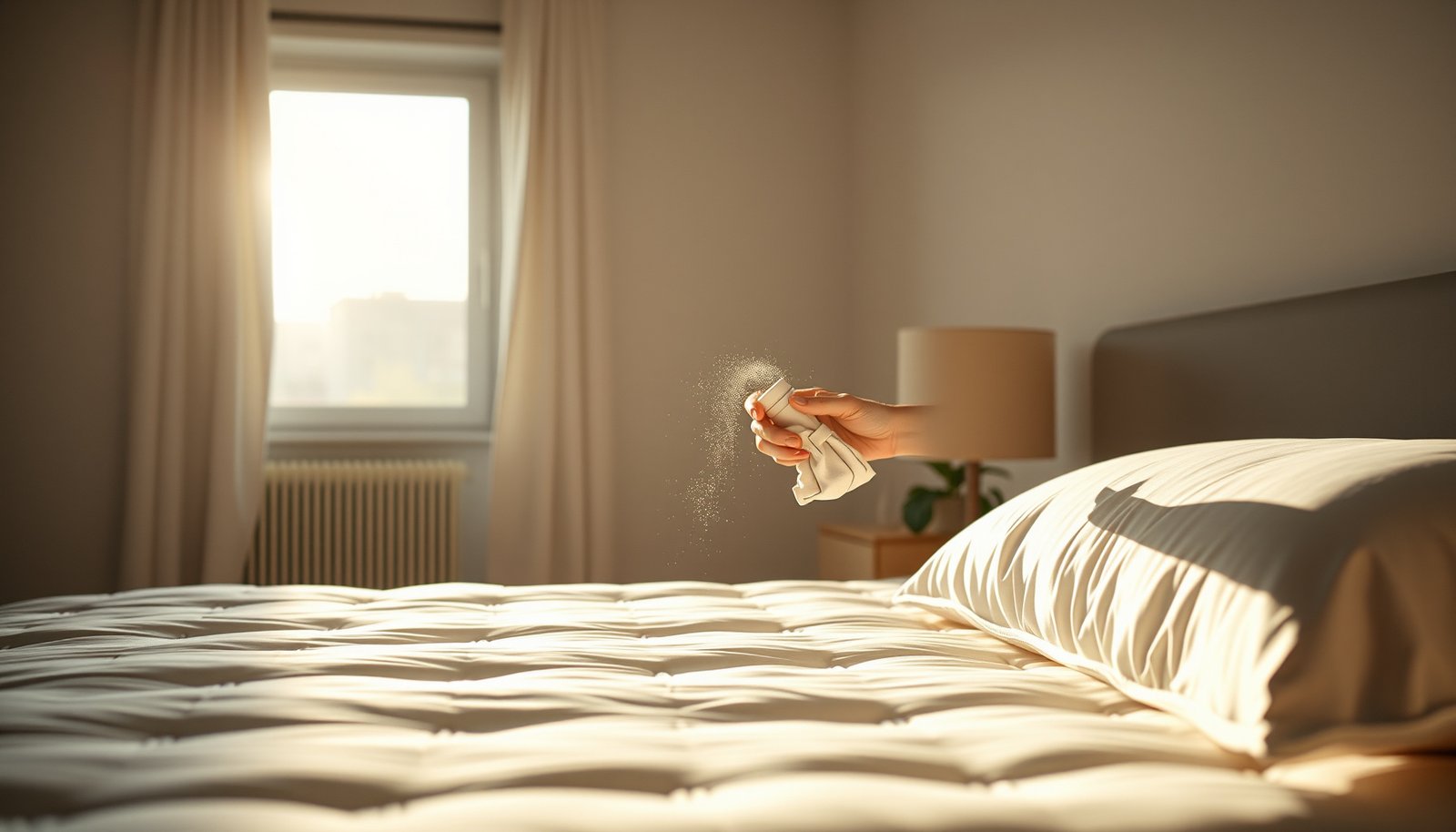
How to Clean a Pillow-Top Mattress Using Natural Odor Eliminators
Want to clean a pillow-top mattress and eliminate odors without harsh chemicals? Use natural odor eliminators—baking soda, white vinegar, and enzyme-based cleaners—to lift trapped smells from both the surface and the deeper layers. Follow the right spot-treatment and drying steps to avoid re-odorizing or damaging the pillow-top foam.
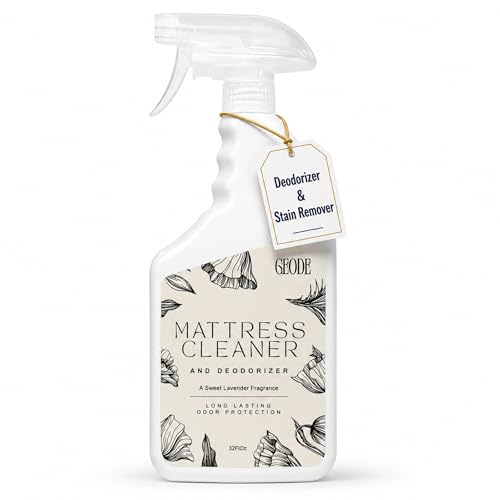



Clean your pillow-top mattress by vacuuming first, spot-cleaning gently, then deodorizing with a natural option like baking soda (and only using light vinegar for targeted odor). Let it fully dry before you put bedding back on—most lingering smells come from moisture trapped in the layers. In this guide, you’ll learn a safe, step-by-step method that works with typical pillow-top materials while avoiding common damage.
If your mattress shows musty odors, sweat smells, or light stains (and the care label doesn’t restrict cleaning), this is a practical routine to try at home. We’ll focus on natural odor eliminators and the “how much liquid is safe” details that matter most for pillow-top comfort layers.
Who this is for (and when to check the care label first)

If you’re dealing with light-to-moderate bedroom odors and surface dust on a pillow-top, this natural cleaning routine is a good starting point. If you suspect deep contamination (like active mold, repeated wetting, or heavy spills that soaked down into the support layers), you’ll want a different approach—because moisture is the enemy for pillow-top mattresses.
A pillow-top mattress should be cleaned only within the limits stated on its care tag, because foam and layered comfort materials can trap moisture if you over-wet them.
Most odor problems on a pillow-top mattress come from trapped residues or dampness in the top comfort layers, so drying and deodorizing order matters.
If the care label says “dry clean only” or “do not use water/chemicals,” follow it even if the odor seems mild.
Before you do anything, locate the mattress tag (usually on a side seam). The goal is to confirm two things: (1) whether the manufacturer permits water-based spot cleaning, and (2) whether there are restrictions on foams, latex, or “cooling” gel covers. For many pillow-top mattresses, vacuuming is almost always permitted, spot cleaning is sometimes allowed, and soaking is generally discouraged.
This routine fits best when the odor is surface-level—for example, “stale” smells after a long time without washing bedding, mild sweat odors, or faint mustiness that improved slightly after airflow but didn’t fully go away. It’s also suitable for light stains when you can blot (not saturate) the area.
One more reason to check the care label: pillow-top mattresses are often built with comfort layers that vary widely—polyfoam, memory foam, latex foam, cotton batting, polyester fiberfill, or combinations. Each responds differently to moisture. If your tag indicates “no liquids,” you should treat natural deodorization as powder-only and avoid vinegar.
What you’ll need to clean a pillow-top naturally
This natural pillow-top mattress cleaning setup is designed to minimize liquid contact while still lifting grime and neutralizing odors. You’ll rely on vacuum suction for debris removal, baking soda for odor control, and vinegar only as a targeted tool for specific odor hotspots.
A vacuum with an upholstery attachment is the safest first step for a pillow-top mattress because it removes dust and dry residues without adding moisture.
Baking soda deodorizes best when the pillow-top mattress surface is dry, since moisture can slow odor neutralization and increase “damp” smells.
White vinegar should be used sparingly and only on localized odor areas when the mattress care instructions allow mild liquids.
Here’s a practical, low-risk kit you can assemble before you start:
– Basic supplies:
– Vacuum cleaner with upholstery attachment (or a soft brush attachment)
– Clean white cloths (for blotting; color dyes can transfer)
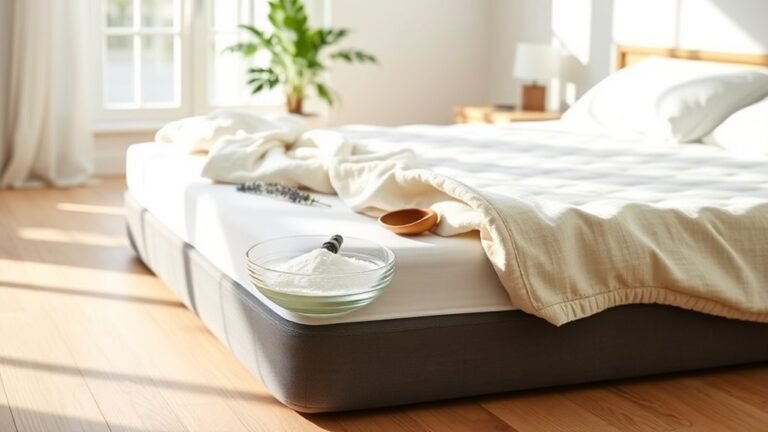
– Baking soda
– Spray bottle (for minimal moisture—mist, don’t pour)
– Optional spot-cleaning helpers (use only if allowed by the care tag):
– Mild dish soap (a very small amount mixed into water)
– White vinegar for odor hotspots (targeted application only)
– Drying tools:
– Fan and/or airflow setup (fan aimed to move air across the pillow-top surface)
– If you have one, a breathable cover/liner to protect the mattress while it dries
Data snapshot: natural odor control by odor chemistry
Below is a quick reference for what each natural eliminator is best at on a pillow-top mattress. This helps you decide whether to start with baking soda (dry odors/acidic residues) or use vinegar as a targeted acid for basic odor sources.
Natural odor tools for pillow-top mattresses (what they target)
| # | Natural odor eliminator | Best at addressing | Why it fits pillow-top layers | Odor-match strength |
|---|---|---|---|---|
| 1 | Baking soda (sodium bicarbonate) | Dry, “stale” odors and sweat-related residue | Used as a thin dry layer; no soaking needed | ★★★★☆ |
| 2 | Distilled white vinegar | Targeted odor hotspots (especially basic/ammonia-like notes) | Applied lightly to a small area; dries with airflow | ★★★☆☆ |
| 3 | Activated charcoal | General “room” mustiness during drying | Works via adsorption; best alongside drying, not instead of it | ★★★☆☆ |
| 4 | Hydrogen-peroxide–based cleaners (only if permitted) | Organic stains/odor sources (spot treatment) | Can be effective but only use per care label; test a hidden spot | ★★☆☆☆ |
| 5 | Airflow + low-humidity strategy | Prevents odor recurrence from trapped moisture | Dryness is what stops “damp” smells from rebuilding | ★★★★★ |
| 6 | Bedding washing + rotation | Reduces the “odor supply” from sweat and skin oils | Targets sources before they re-absorb into the pillow-top | ★★★★☆ |
| 7 | Breathable mattress protector (prevention) | Stops future spills and perspiration from sinking in | Keeps the pillow-top comfort layer cleaner between deep cycles | ★★★★★ |
Clean the pillow-top surface (without soaking the comfort layer)
The safest way to start cleaning a pillow-top mattress is to remove loose debris first, then spot-clean only where you see stains. You’re protecting the comfort layer from moisture so that any odor eliminator you use later can work on a genuinely dry surface.
Vacuuming upholstery first reduces the amount of residue that baking soda or vinegar could “reactivate” or spread across a pillow-top mattress.
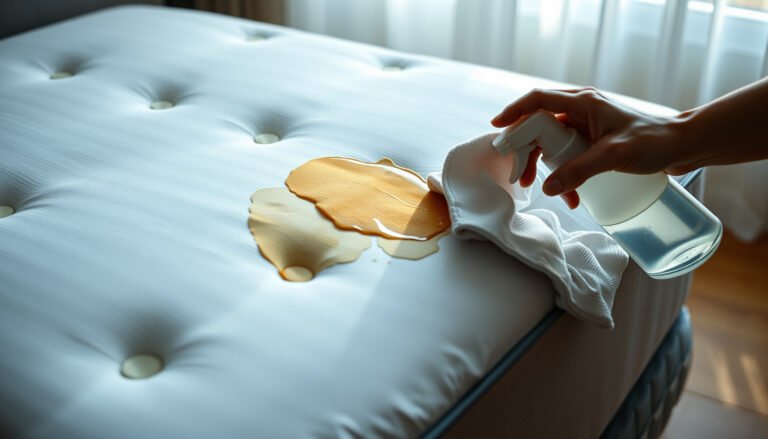
When you spot-clean a pillow-top, apply cleaner to a cloth first and blot—direct pouring is the fastest route to trapped moisture.
A cool-to-the-touch or “damp” pillow-top surface after cleaning is a sign that moisture is still inside the comfort layers.
Step 1: Vacuum thoroughly
– Vacuum all sides, including the pillow-top surface, side panels, and seams.
– Use light pressure and slow passes; the goal is to lift dust from fibers, not compress them.
– Spend extra time on the pillow-top edges, tufts, piping, and any decorative stitching—these areas collect sweat residue and skin flakes over time.
Practical technique: keep the nozzle flat and overlap your passes by about half the nozzle width. On very plush pillow-tops, change attachments or use a soft brush to prevent snagging. If your vacuum has a beater bar, avoid it on pillow-top surfaces; smooth attachments are safer for foam and fabric blends.
Step 2: Spot-clean stains carefully
– Make a minimal solution: mild dish soap + water, and apply it to a clean white cloth first.
– Blot gently—don’t rub aggressively. Rubbing pushes stain deeper into pillow-top fibers and increases moisture retention.
– Stop as soon as you see transfer lift from the fabric.
A helpful decision rule: if the stain doesn’t lighten after a few careful blots, it’s usually better to pause and let the area dry before repeating (or switch to a manufacturer-approved cleaner). Pillow-top mattresses often look clean while still holding odor; overworking the spot can worsen both.
Step 3: Dry as you go
Before you deodorize, the pillow-top mattress needs to be fully dry. Use:
– A fan aimed at airflow across the surface
– A cracked window or indoor ventilation
– Time you can actually afford—speedy fixes tend to trap moisture in the layers
Check dryness with a simple “feel test”: lightly press a clean fingertip to the area. If you sense cool dampness or the fabric feels tight/overly hydrated, it’s not ready for baking soda.
Deodorize with natural odor eliminators (the safe order matters)
Baking soda first, vinegar only if needed, and always after dryness is the reliable order for pillow-top mattress odor control. This sequencing matters because moisture can lock smells into foam and fiber layers, turning a manageable odor into a lingering problem.
Baking soda works best on a dry pillow-top mattress because it relies on surface contact and adsorption of odor molecules.
Vinegar is best used as a localized treatment; applying it broadly risks over-wetting and can leave a lingering vinegar note if drying is incomplete.
Indoor moisture control supports mold prevention; the U.S. EPA recommends maintaining indoor relative humidity around 30%–50%.
Baking soda for everyday mattress odors
1. Confirm the pillow-top surface is dry.
2. Sprinkle a thin, even layer of baking soda—avoid thick piles in one corner.
3. Leave it long enough to work (typically several hours), then vacuum thoroughly.
Why “thin and even”? Pillow-top mattresses are built to breathe through layered materials, but thick baking soda pockets can remain caked in plush fibers, making vacuuming harder and increasing the chance of residue.
Targeted vinegar for stubborn odor hotspots
Use vinegar only if, after initial cleaning and baking soda deodorizing, a small area still smells. How to do it safely:
– Mist lightly on the cloth or directly as a very fine spray onto the hotspot (not a wet zone).
– Blot immediately with a dry cloth if you see excess moisture.
– Restart airflow right away so the pillow-top mattress doesn’t cool-damp.
Vinegar works through chemistry: its acidity can help neutralize certain basic odor compounds. But it’s not a universal “soak and forget” solution for pillow-top mattresses—moisture is the main risk.
Protect and prevent the smell from returning
Prevention is where pillow-top mattress owners see the biggest long-term improvement. Focus on:
– A breathable mattress protector (so sweat and spills don’t keep reloading the pillow-top comfort layer)
– Regular bedding washing (wash frequency depends on household routines, allergies, and pets)
– If your mattress design allows it, periodic rotation to spread wear evenly across the pillow-top surface
Mold and musty smells are often tied to moisture persistence. According to the U.S. CDC, mold growth requires moisture; without sustained dampness, mold cannot grow. CDC guidance on mold (accessed 2026)
Baking soda vs. vinegar (what each should—and shouldn’t—do)
Here’s a fast comparison for pillow-top mattress care that aligns with the “safe order” approach.
| Factor | Baking soda | Light vinegar (targeted) |
|---|---|---|
| Best use case | General bedroom odors, sweat residue, “stale” smells | Localized odor hotspots where cleaning + baking soda didn’t fully resolve the smell |
| Application style | Dry, thin layer over dry surface | Minimal mist/spot use only; never a soak |
| Main risk if misused | Residue if piles aren’t vacuumed | Trapped moisture if applied too heavily; possible vinegar scent if under-dried |
| How to judge completion | Vacuum thoroughly; confirm no powder remains | Airflow-dry immediately; confirm odor is gone after drying |
What can go wrong (and how to avoid it)
Most cleaning failures with pillow-top mattresses come from over-wetting, skipping drying time, or using “strong scent” products that mask rather than eliminate odors. If you avoid those pitfalls, natural deodorization is usually predictable and manageable.
Over-wetting pillow-top comfort layers increases the odds of trapped moisture, which is a common driver of lingering “damp” smells.
Scent-masking sprays don’t remove odor molecules; they can make pillow-top mattress odors harder to diagnose later.
Because vinegar is acidic (household vinegar commonly contains about 4%–8% acetic acid), heavy application can leave both moisture and odor if drying is incomplete.
Key mistakes to avoid:
– Over-wetting the pillow-top: foam and layered comfort materials trap moisture easily, especially in seams and quilting channels. If moisture stays inside, odor returns even after you deodorize.
– Using strong or unpredictable cleaners: essential oils and heavily fragranced sprays can irritate skin and may mask odors instead of removing them. They also complicate future cleanings.
– Skipping dry time: deodorizing on a still-damp mattress can trap odor molecules underneath baking soda or residues, extending the problem rather than resolving it.
If you’re unsure whether your pillow-top can handle any liquid, stop. Use vacuum + baking soda only, or follow the care tag guidance strictly.
When you should stop and switch approaches
If you see visible mold, feel persistent dampness after drying efforts, or smell an odor that returns within 24–48 hours of airing, this routine may not be enough. In those cases, you may need manufacturer-approved cleaning, professional extraction, or replacement of affected comfort layers.
Verdict: a good natural routine—if your mattress can handle it
This pillow-top mattress method is a solid, low-chemical routine when your care label allows vacuuming and cautious spot cleaning. It works by combining debris removal (vacuuming), targeted stain handling (gentle blotting), and odor neutralization (baking soda, with vinegar only as a targeted follow-up).
The “dry first, deodorize after” sequence helps natural odor eliminators work effectively on a pillow-top mattress without trapping moisture.
EPA and CDC guidance consistently point to moisture control as a core factor in preventing odor rebound and mold-related issues.
| Criteria | Natural routine (vacuum + spot clean + baking soda, targeted vinegar) | Professional/extraction approach (manufacturer-approved) |
|---|---|---|
| Best for light odors | Yes | Yes |
| Best for deep, wetting-related odors | Limited | Strong |
| Risk of trapping moisture | Higher if rushed | Lower with proper extraction/drying |
| Material safety across typical pillow-tops | Generally safer when dry + targeted | Depends on product used |
| Time required | Medium (drying matters) | Varies (logistics + drying) |
| Odor masking vs elimination | Elimination-focused | Elimination-focused |
| Ease for most homeowners | High | Medium |
| Cost barrier | Low | Higher |
| Best choice when care label is strict | Only if tag permits | Often yes (if approved) |
| Likelihood of full odor resolution | Good for surface issues | Higher for embedded odors |
| Verdict | Choose this when odors are mild and the mattress can handle cautious, non-soaking cleaning. | Choose this when odors persist, moisture damage is suspected, or the care label discourages DIY liquids. |
Downsides you should plan for
– Drying takes time: pillow-top mattresses can hold moisture in comfort layers; give them airflow and patience.
– Not a cure for deep issues: stubborn odors from long-term dampness, major spills, or internal mold may require professional handling.
– Care label variability: even “natural” methods can conflict with specific mattress tags.
If you’re asking “Should I try this at home?” the honest answer is: try it only when the care label allows it and when the odor is not accompanied by visible mold or persistent dampness.
Quick checklist / scan-and-save
| Task | Do this | Avoid this |
|---|---|---|
| Vacuum | Use upholstery attachment; cover top + sides | Pressing hard or skipping seams/edges |
| Spot clean | Apply cleaner to cloth; blot lightly | Pouring water directly onto the mattress |
| Dry | Use fan/airflow until fully dry | Putting bedding back on while cool/damp |
| Deodorize | Thin baking soda layer; vacuum out fully | Thick piles that don’t dry/vacuum well |
| Target odor | Light vinegar mist only on hotspots | Soaking large areas or heavy fragrance additives |
Sources
– U.S. Environmental Protection Agency (EPA), “Mold and Moisture” guidance (humidity control and moisture prevention) (accessed 2026)
– U.S. Centers for Disease Control and Prevention (CDC), “Mold” guidance (moisture is required for mold growth) (accessed 2026)
– U.S. Food and Drug Administration (FDA), regulatory description/definition of vinegar acetic-acid content (accessed 2026)
– Baking soda manufacturer technical/safety information (sodium bicarbonate composition and household use guidance) (accessed 2026)
– Mattress care-label guidance (manufacturer-specific tag instructions for pillow-top materials) (always follow your mattress’s tag)
A practical rule for every pillow-top mattress clean is simple: remove debris first, spot-clean only where needed, deodorize only when dry, and never rush the drying step. If you stick to thin, controlled application of baking soda—and use vinegar only as a targeted follow-up—you’ll usually get meaningful odor relief without risking moisture damage in the comfort layers.
Frequently Asked Questions
How do I clean a pillow-top mattress with natural odor eliminators?
Start by vacuuming the entire mattress surface and seams to remove dust and debris that can trap smells. Sprinkle a light, even layer of baking soda (a natural odor eliminator) over the pillow-top area, let it sit for 4–8 hours, then vacuum thoroughly. For localized odors, spot-treat with a mixture of equal parts white vinegar and water using a lightly damp cloth—avoid soaking the comfort layers. Allow the mattress to fully dry before remaking the bed.
What is the best way to remove musty smells from a pillow-top mattress naturally?
Musty odors usually come from moisture absorbed into the pillow-top materials, so natural cleaning should focus on deodorizing and drying. Use baking soda to lift and neutralize odor, then follow up with a vinegar-water mist on the affected areas (lightly applied) to help break down odor sources. After treatment, dry thoroughly with airflow (fans or open windows) until the mattress feels completely dry.
Which natural odor eliminator works best for sweat odors on a pillow-top mattress?
Baking soda is one of the most effective natural options for sweat-related odors because it absorbs and neutralizes smell-causing compounds. For extra help, you can lightly mist sweat-prone areas with a vinegar and water solution, then sprinkle baking soda once the surface is no longer wet. Vacuum after the baking soda has had time to work (typically several hours), and consider repeating if the odor lingers.
Why should I avoid soaking my pillow-top mattress when using natural cleaners?
Pillow-top mattresses often have foam, padding, or delicate fibers that can hold moisture, leading to lingering odors and even mildew if they don’t dry completely. Instead of soaking, apply cleaning solutions sparingly with a spray bottle or damp cloth and keep liquids off the mattress edges where water can penetrate deeper. Always prioritize drying time and ventilation so natural odor eliminators can work without leaving dampness behind.
How often should I use baking soda or vinegar to freshen and clean my pillow-top mattress?
For routine freshness, sprinkle baking soda every few months or whenever odors build up, and vacuum it off after 4–8 hours. Use vinegar-water spot treatments only as needed for targeted smells, such as sweat, pet odors, or areas that feel slightly damp after cleaning. To maintain a clean, odor-free sleeping surface, also wash bedding regularly, use a breathable mattress protector, and vacuum the mattress monthly.
📅 Last Updated: October 26, 2026 | Topic: How to Clean a Pillow-Top Mattress with Natural Odor Eliminators | Content verified for accuracy and freshness.
References
- https://www.epa.gov/indoor-air-quality-iaq/dust-mites-and-indoor-air-quality
- https://www.mayoclinic.org/diseases-conditions/allergies/expert-answers/dust-mites/faq-20058054
- Mold Clean Up Guidelines and Recommendations | Mold | CDC
- https://www.epa.gov/mold/mold-cleanup-remediation
- https://www.epa.gov/mold/moisture-control-prevent-mold-growth
- Sodium bicarbonate
- Vinegar
- https://scholar.google.com/scholar?q=clean+upholstery+mattress+deodorizing+baking+soda Google Scholar
- https://scholar.google.com/scholar?q=mattress+cleaning+dust+mites+vacuum+hot+water+temperature Google Scholar
- https://scholar.google.com/scholar?q=mold+odor+removal+vinegar+cleaning+guidance Google Scholar


One Comment