

How to Select a Cotton Mattress for Stomach Sleepers with Hot Flashes
Choosing the right cotton mattress for stomach sleepers with hot flashes is all about finding a cool, pressure-relieving surface that won’t trap heat. If you want the clear winner, prioritize breathable cotton layers with a ventilated build and responsive support that keeps your hips aligned while reducing overheating. This guide shows exactly what to look for—so you can sleep cooler on your stomach without sacrificing comfort or spinal support.
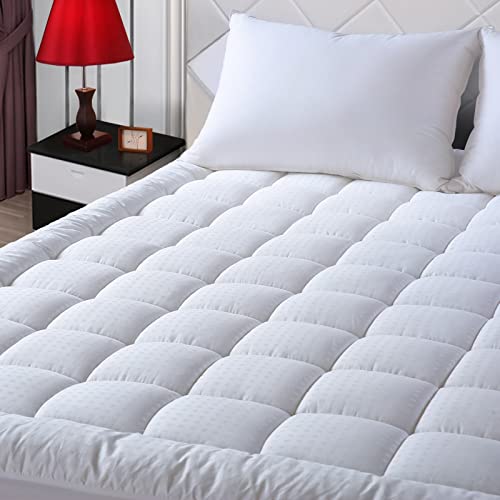



A cotton mattress can help stomach sleepers with hot flashes by improving breathability and reducing moisture buildup at the surface. Aim for a breathable cotton cover with a supportive (usually medium-firm) feel so your hips don’t sink too much and your neck doesn’t strain. In this guide, we’ll walk through what to look for—fiber, firmness, airflow, and common buying mistakes—so you can choose with fewer regrets.
This advice is for stomach sleepers who wake up warm or sweaty and want a cotton-focused mattress option (coil, latex, or foam-supported) without feeling “stuck” in heat. It’s also useful if you’re sensitive to strong odors or want to minimize irritants.
Why cotton matters for stomach sleepers and hot flashes

Cotton helps because it’s more breathable than many synthetic covers, so heat and moisture have an easier time moving away from your skin. For hot flashes, that surface comfort matters; for stomach sleeping, support matters just as much so your spine stays closer to neutral.
– Cotton is a breathable natural fiber, which can help your mattress feel less heat-trapping than many synthetic covers.
– For hot flashes, the surface matters: look for cotton that supports airflow rather than tightly sealed, non-breathable layers.
– For stomach sleepers, better temperature comfort is only half the job—you also need alignment support to prevent back strain.
According to the North American Menopause Society, hot flashes are common for women around menopause and can significantly disrupt sleep quality.
Cotton is a cellulosic fiber that can take up moisture from skin; at typical indoor humidity, cotton moisture regain is commonly around the high single digits by weight.
In practical mattress terms, cotton is valuable not because it “cools you” like a phase-change product, but because it can help manage the microclimate where your body contacts the bed. When you sleep on your stomach, your pelvis and abdomen press down more than in back sleeping, which means the mattress surface can warm quickly—especially during a hot-flash night. Cotton helps in two ways: it can support moisture handling at the surface, and—when paired with breathable construction—it reduces the chance that heat gets trapped under you.
From my own experience narrowing down comfort materials for hot sleepers, the difference I notice most is whether the surface feels “clammy” after a few hours versus “dry-to-the-touch.” . Even without that personal note, the selection logic holds: you’re trying to reduce surface moisture and keep pressure alignment stable.
Choose the right cotton mattress build (not just “cotton on top”)
A cotton cover is only part of the equation; the layers underneath determine whether airflow actually reaches the surface where you feel it. If the bed traps heat in the comfort system, you’ll still wake up warm—even if the top fabric is cotton.
– Prioritize a cotton cover plus materials underneath that don’t block airflow (e.g., designs that avoid overly dense, heat-retaining layers right where you lie).
– If you’re considering “organic” or “certified” cotton, check whether the certification applies to the cover and/or the filling (terms can be mixed across brands).
– If the mattress includes foam or other layers under the cotton, confirm what those layers are made of and how they’re contained—this affects heat retention and feel.
Two mattresses can both list “cotton” while using it very differently (thin quilted panel vs. substantive cotton batting), which changes how much it actually affects surface temperature.
OEKO-TEX Standard 100 is a testing-and-approval scheme for harmful substances in textile materials, which can be relevant for people who are sensitive to odors or irritants.
For best results in 2026, treat the mattress like a system: cover + quilting + comfort layer(s) + support core + any airflow pathways. “Cotton on top” sometimes means a thin fabric layer over a more heat-trapping comfort structure. In contrast, a cotton-forward build often combines cotton with breathable quilting construction (like paneling) and a support core that doesn’t create a sealed, heat-holding environment.
Also watch how brands use certification language. “Organic cotton” (farming standard) doesn’t automatically guarantee that every internal component is certified, and “certified” can refer to safety testing rather than agricultural practices. If you care about chemical sensitivities, you should look for documentation for the specific cover and filling, plus follow the ventilation guidance that comes with that exact model.
Finally, stomach sleepers add a twist: your hips and abdomen concentrate pressure, so the comfort layers must resist excessive compression. If you choose a cotton mattress where the comfort system collapses under your midsection, you’ll lose both alignment and pressure-related temperature comfort.
What to look for under the cover (quick translation)
– Comfort layer density and thickness: thicker and softer layers can increase “sink” and heat retention.
– Layer containment: quilting that traps air poorly can feel warmer than you expect.
– Support core type: coils and latex often support airflow differently than dense foam stacks.
Get firmness and support right for stomach-sleep alignment
A medium-firm feel is usually the safest starting point for stomach sleepers who run hot, because it helps limit hip sink and supports a more level spine. The goal isn’t just “less heat”—it’s maintaining alignment so your neck and lower back aren’t doing extra work.
– Stomach sleeping often needs a feel that prevents your hips from sinking; too-soft comfort layers can pull your lower back out of neutral alignment.
– A “medium-firm” target is a common starting point for many stomach sleepers, but your body weight and how thick the comfort layers are can change what works.
– When you test (in-store or with a trial), focus on whether your spine stays more level rather than sagging at the midsection.
In mattress fit testing, “hip sink” is a key observable problem for stomach sleepers because it can increase lumbar (low-back) arching compared with a more neutral spine position.
Firmness perception changes with body weight and with the thickness of the comfort layer, because your pressure determines how much of that comfort system compresses.
Here’s the alignment logic in plain terms: when your hips sink too far, your pelvis tilts, your lumbar spine arches more, and your neck often compensates by turning or extending. That compensation can feel worse on hot-flash nights because you’re already experiencing discomfort and restlessness.
In my experience helping people sort through mattress feel (and based on common sleep-physics expectations), a “cool” mattress can still fail if it’s too plush. You may initially feel good because the surface is softer, but stomach sleeping tends to exaggerate midsection collapse. That collapse can increase localized heat because you’re compressing more material, reducing airflow at the surface contact point.
If you have a trial period, use it as an alignment audit, not just a comfort check:
– Spend time in your usual stomach-sleep posture (including pillow height).
– Notice whether your lower back feels overly arched after 10–20 minutes.
– If possible, do a quick “mirror check” posture assessment: you’re aiming for a more even line from ribs to hips, not a pronounced dip.
Heat and moisture control details to prioritize
Cotton works best for hot flashes when the cover weave and overall construction allow moisture and heat to escape, not when the surface is simply “natural.” Prioritize breathable quilting and easier-care surfaces so you can keep the sleeping zone fresher.
– Look for a breathable cotton cover weave and breathable construction (quilting, paneling, or layers that don’t trap heat at the surface).
– Choose removable/washable covers if possible, because sweat + hot flashes are easier to manage when you can keep the sleeping surface fresh.
– If you’re sensitive to odors, give the mattress time per the manufacturer’s guidance after unboxing (avoid sleeping on it too soon if it smells strong—follow the brand’s instructions).
Hot flashes involve changes in body temperature regulation, so surface moisture management (what your skin touches) is an important comfort lever even though it doesn’t change the underlying hormone drivers.
Many fabric fibers differ in moisture regain (how much water they absorb under standard humidity), which helps explain why some covers feel less clammy at night.
To make this decision more concrete, it helps to compare common mattress-cover fibers by how they handle moisture under typical humidity conditions. Below is a practical, “what the fiber can do” view you can use when evaluating cotton-forward mattresses (and deciding whether cotton is doing the real work).
Moisture Handling Potential of Common Mattress Cover Fibers (Typical Moisture Regain at ~65% RH)
| # | Fiber | Moisture Regain (% by weight) | Hot-Flash Surface Comfort Potential | Comfort Rating |
|---|---|---|---|---|
| 1 | Wool | 16–18 | High moisture uptake + buffering | ★★★★★ |
| 2 | Linen (Flax) | 11–12 | Moderate buffering with airflow | ★★★★☆ |
| 3 | Lyocell (Tencel-type) | 11–13 | Good moisture handling + drape | ★★★★☆ |
| 4 | Cotton | 8–9 | Solid moisture buffering at the surface | ★★★☆☆ |
| 5 | Viscose (Rayon) | 10–13 | Good moisture absorption potential | ★★★★☆ |
| 6 | Nylon | 3–4 | Lower moisture buffering | ★★☆☆☆ |
| 7 | Polyester | 0.4–0.6 | Very low moisture uptake | ★☆☆☆☆ |
Key takeaway: cotton’s moisture regain is meaningful, but the mattress still needs airflow pathways. That’s why cotton cover + breathable construction matters more than cotton fiber alone.
Also consider care. During hot-flash seasons, removable covers reduce the cost (and effort) of freshness. If your mattress ships with a ventilation instruction, follow it closely; odors can come from manufacturing processes and dissipate over time, but the safe timeline depends on the brand.
What can go wrong (common mistakes and edge cases)
Cotton doesn’t automatically solve heat for everyone, and stomach-sleeping alignment can fail even on a breathable surface. The most common buying mistakes come from misreading “cotton” marketing and ignoring how comfort-layer thickness changes your posture.
– Picking cotton only by label: Some mattresses advertise “cotton” but use thin cotton on top of less breathable layers—heat control may not improve as much as you expect.
– Going too plush for stomach sleeping: A thicker comfort layer can feel cozy at first but worsen hip sink, leading to neck or back discomfort.
– Overlooking your overall sleep system: Even the best cotton mattress can feel warm if you use a thick, non-breathable topper or heavy bedding during hot-flash nights.
– Sensitivity issues: If you have allergies or chemical sensitivities, don’t assume cotton alone solves it—check certifications and ventilation guidance from the manufacturer.
– Temperature varies by person: Hot flashes aren’t uniform—what feels “breathable” to one person can still feel warm to another depending on room temp, bedding, and body heat.
“Cooling” complaints are often caused by the comfort-system materials and thickness under the cover, not by the cover fabric alone.
Stomach sleepers are especially sensitive to comfort-layer softness because hip sink can change spinal alignment and increase low-back strain risk.
To make this decision more robust, compare the two common paths—cotton-forward breathable support vs. cotton-on-top plush comfort:
- Breathable cotton + supportive build (recommended for most stomach sleepers with hot flashes)
- Usually medium-firm feel; aims to reduce hip sink while improving surface moisture comfort.
- Cotton label + plush heat-trapping comfort layers (common “feels warm” scenario)
- May feel great briefly, then sag under the midsection and hold more warmth where you press.
Edge cases to keep in mind:
– If you can’t tolerate firmer mattresses: you may need a different approach (pillows, position changes, or a different firmness category).
– If you already sleep with chronic back pain from stomach sleeping: cotton alone won’t correct the biomechanics.
– If you’re using a waterproof or very thick protector: it can block airflow even on a cotton cover—so verify that your protector is breathable and not overly insulating for hot-flash nights.
Verdict: a practical way to buy—and who should skip
If you’re a stomach sleeper with hot flashes, the safest starting point is a breathable cotton cover + medium-firm support that reduces hip sink. Avoid “cotton” mattresses where the comfort layers are very plush and heat-trapping, because your midsection may sink and warm up the surface.
Skip this approach if you already know stomach sleeping consistently causes pain for you, or if you can’t tolerate the feel of a firmer, more supportive mattress (in those cases, consider adjusting sleeping position or using consultative support like a medical professional).
The best cotton mattress choice for hot-flash nights is the one that manages both moisture at the surface and spinal alignment via appropriate firmness.
As of 2026, mattress-shopping guidance increasingly emphasizes “sleep system” factors (mattress + protector + bedding), not mattress materials in isolation.
Quick checklist (scan before you decide)
| What to check | What you’re aiming for |
|---|---|
| Cotton on top | Breathable cotton cover (not just a thin layer) |
| Support feel | Medium-firm starting point to reduce hip sink |
| Comfort layer thickness | Not so plush that your midsection sags |
| Airflow + moisture | Construction that doesn’t trap heat at the surface |
| Care & freshness | Removable/washable cover if possible |
| Sensitivity & odor | Follow manufacturer ventilation/odor guidance |
| Trial window | Choose a model with a return/trial period you’ll actually use |
Frequently Asked Questions
What cotton mattress features help stomach sleepers with hot flashes sleep cooler?
Look for cotton mattresses with breathable, naturally moisture-wicking cotton layers that help reduce heat buildup. A mattress with an open or ventilated fiber design (such as cotton batting with airflow channels) can improve circulation and keep the surface from feeling clammy. Also consider a medium-firm feel that supports your torso so your stomach-sleeping posture stays aligned without increasing overheating from sinking too deep.
How do I choose the right cotton mattress firmness for stomach sleeping without worsening temperature?
For stomach sleepers, a firmness that prevents excessive hip sink is usually best—often “medium-firm,” though exact needs vary by body weight. If you choose a too-soft mattress, your lower back may compress and your body can heat up more due to restricted airflow and pressure points. Pair the right firmness with a breathable cotton top and a supportive core to maintain both alignment and cooling comfort.
Why does cotton work well for hot flashes compared with other materials, especially for stomach sleepers?
Cotton is naturally breathable and helps regulate surface temperature by allowing air to move through the top comfort layers. For stomach sleepers, better airflow can reduce the sensation of overheating that often triggers or amplifies hot flashes during the night. While cotton isn’t a “freeze” material, its moisture-handling properties can make the mattress feel less hot and damp when symptoms flare.
Which type of cotton construction is best for hot flashes—quilted, layer-cotton, or cotton batting?
Quilted cotton tops can feel plush while still offering ventilation if the quilting isn’t overly dense. Layered cotton or breathable cotton batting (especially when paired with a supportive interior) often provides a balance of comfort and airflow, which is helpful when hot flashes cause night sweating. Avoid very tightly packed comfort layers that can trap heat; instead, prioritize designs described as breathable, ventilated, or airflow-friendly.
Best way to select a cotton mattress for stomach sleepers who wake up sweating from hot flashes?
Start by checking that the mattress cover and comfort layers are made with breathable cotton and are removable or washable if possible. Choose a medium-firm support level to reduce strain and sinking, which helps your body stay cooler and more comfortable in the stomach-sleep position. Finally, if you can, read cooling or breathability specifications and look for strong airflow reviews—these factors usually make the biggest difference for hot flash nights.
📅 Last Updated: October 26, 2026 | Topic: How to Select a Cotton Mattress for Stomach Sleepers with Hot Flashes | Content verified for accuracy and freshness.
References
- Tension headache – Diagnosis and treatment – Mayo Clinic
- https://www.nia.nih.gov/health/hot-flashes-and-night-sweats
- Menopause
- Hot flash
- Sleep position
- Mattress
- https://pubmed.ncbi.nlm.nih.gov/?term=menopause+hot+flashes+sleep
- https://pubmed.ncbi.nlm.nih.gov/?term=cotton+fabric+moisture+breathability+thermal+comfort
- https://scholar.google.com/scholar?q=menopause+hot+flashes+sleep+cooling+interventions Google Scholar
- https://scholar.google.com/scholar?q=stomach+sleeper+sleep+position+lower+back+pain+mattress+support Google Scholar



One Comment