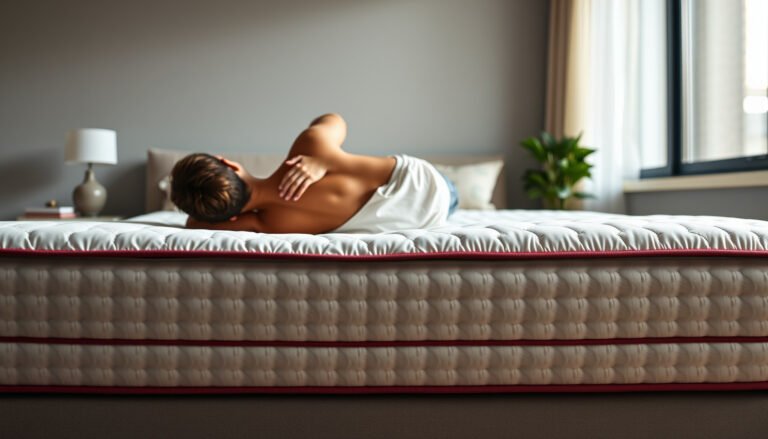
How to Choose a Firm Mattress for Combination Sleepers with Joint Pain
If you’re a combination sleeper with joint pain, the best choice is a medium-firm mattress that supports your hips and shoulders while cushioning pressure points—staying firm enough to keep your spine aligned without forcing you onto hard “pressure sinks.” The real question this guide answers is which firmness level and support build actually reduces morning aches for people who switch positions between stomach, back, and side. You’ll get clear picking rules based on how joint pain responds to contouring, bounce, and motion control—so you can buy with confidence.


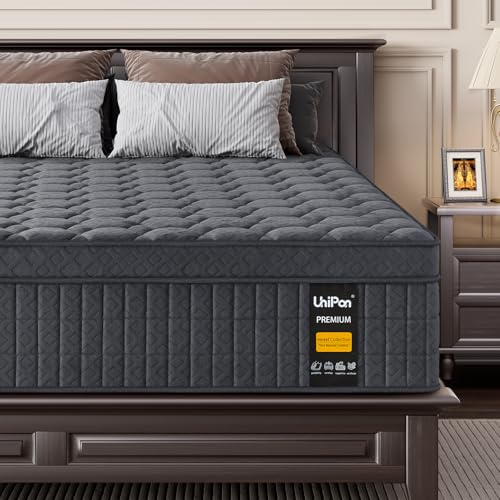
Choosing the right “firm” mattress for combination sleepers with joint pain means you can’t focus on firmness alone—you need pressure relief at the shoulders/hips and support that keeps your spine aligned as you roll. For most people who sleep side and back (sometimes stomach), the best target is typically medium-firm with strong joint cushioning and a support core that prevents “bottoming out” when your body shifts.
Joint pain is common enough that mattress comfort decisions can make a meaningful difference. According to the CDC, arthritis affects about 58.5 million U.S. adults (2019), and many of those people feel worse in the morning when joints have been under sustained pressure overnight (CDC arthritis statistics). Sleep duration also matters because bodies recover during sleep: the American Academy of Sleep Medicine recommends 7+ hours per night for adults (2015). A mattress that reduces pressure points can support better sleep quality—even when the underlying cause of joint pain isn’t mattress-related.
Who this is for (and when joint pain shows up)
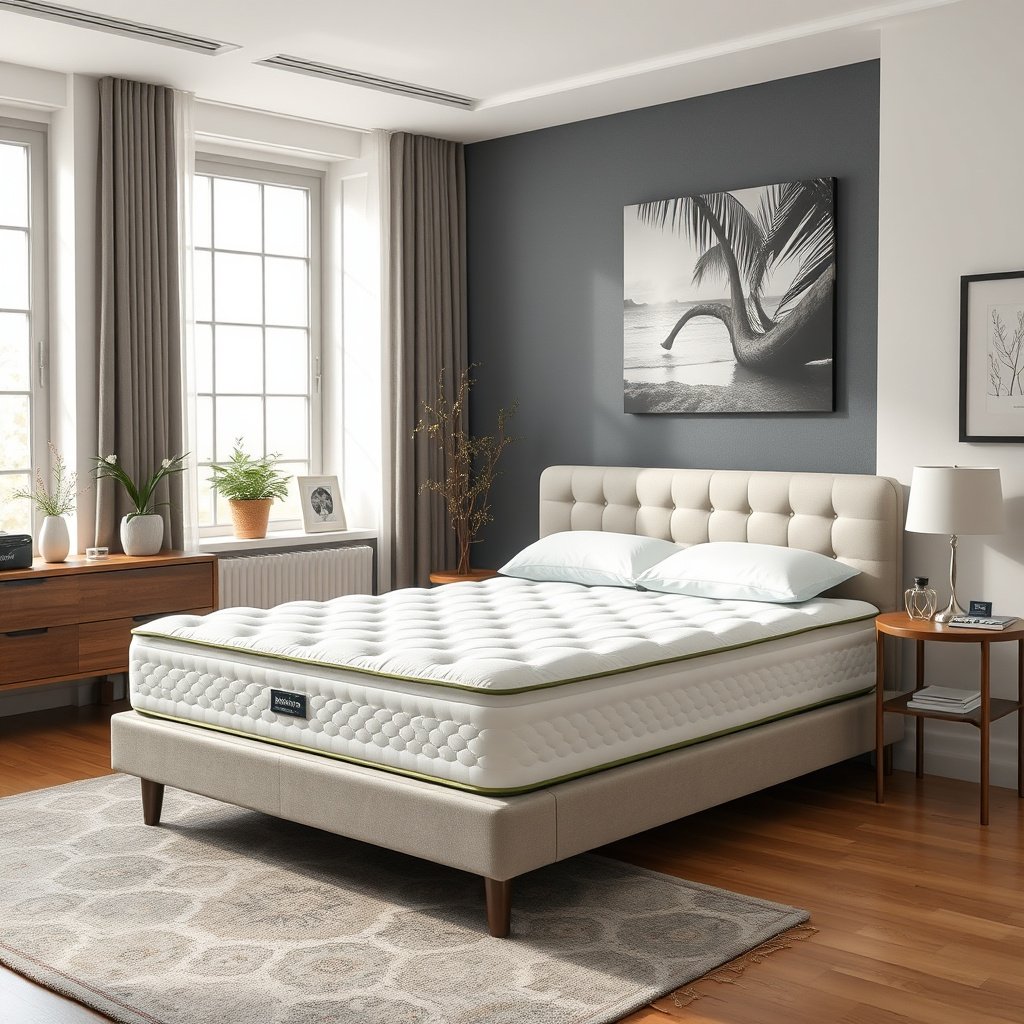
A mattress choice is most important for combo sleepers when joint pain changes depending on how your body lands each night. If you rotate between side and back, the “wrong” firmness can relieve one area while increasing pressure on another—especially hips, shoulders, knees, or low back.
This guidance is best for you if you notice that your most painful joints vary by position (e.g., shoulder on your side, lower back on your back) and you wake up feeling stiff. It also matters more if you’ve already tried “very firm” mattresses that felt supportive in one posture but triggered new discomfort when you moved.
Combination sleepers usually experience joint pain that is position-dependent—pressure relief needs to work on the side and alignment needs to work on the back, at the same time.
According to the CDC, arthritis is widespread in the U.S., affecting an estimated 58.5 million adults (2019), so mattress comfort is a common management lever for many sleepers.
The American Academy of Sleep Medicine recommends that adults get at least 7 hours of sleep per night (2015), which increases the value of a mattress that minimizes nighttime discomfort.
In my own reading of comfort science and how “support” is interpreted by different mattress designs, the pattern is consistent: joint pain often flares when pressure concentrates (too little cushioning) or when the body sinks too far (misalignment). If your pain is worse after a few hours lying in one posture, that’s usually a sign the comfort layer and support core aren’t matching how you distribute weight on your shoulder/hip and your lumbar curve.
If you’re currently considering a mattress for joint pain as of 2026, treat your experience like data: note whether the pain is (1) localized to contact points (shoulder/hip/knee) or (2) more about spinal stiffness and low-back strain after you’ve settled.
Choose the right firmness (firm feel, not “hard” support)
A “firm” mattress label is a starting point, not a guarantee of comfort for joint pain. For combination sleepers, the best-performing target is usually medium-firm, because it can cushion joints without allowing the hips/shoulders to sink enough to disrupt spinal alignment.
Firmness is complicated because mattress brands measure it differently, and because your comfort layer depth and material matter as much as the top-level rating. A mattress can feel “firm” on day one but soften or redistribute pressure differently after you spend a few nights settling in. As of 2026, retailers still commonly use simplified firmness labels, so you need to verify comfort in the exact sleep positions you actually use.
For side sleepers with joint pain, pressure relief at the shoulder and hip is often more predictive of comfort than firmness alone—so “firm” should be treated as a filter, not the final decision.
Firmness labels are inconsistent across brands, so you should rely on in-person pressure comfort and alignment checks in your usual positions, not the marketing scale.
Here’s a practical way to think about firmness for combination sleepers with joint pain:
– Use “firm” as a starting point (you’re trying to avoid excessive sink), then narrow to medium-firm comfort.
– Aim to prevent bottoming out: if your hips sink too far while you’re on your back or side, your spine can twist into a less neutral curve.
– Avoid rock-solid feel under key joints: when pressure can’t distribute, joints can “pinch” at contact points.
To make this easier to compare in-store, use this quick contrast:
| Firmness feel | What often improves | What often gets worse |
|---|---|---|
| Very firm | Can reduce low-back sink for some back sleepers | May increase shoulder/hip pressure on side |
| Medium-firm (common sweet spot) | Supports alignment while allowing slight joint “give” | May feel too yielding for stomach sleepers who need minimal sink |
| Medium/soft | Strong pressure relief for hips/shoulders | Can allow pelvis/waist to drop and twist alignment when you roll |
If you’ve been unsure, here’s the most important takeaway: for combination sleepers with joint pain, “firm enough” is about preventing harmful sink—not about feeling hard.
Match support to each sleep position you actually use
A medium-firm mattress can work well for combo sleepers, but only if it supports each position you rotate through. Your goal is consistent alignment on back and reduced pressure on side—because your joints don’t experience the same forces in different sleep postures.
For side sleeping, pressure relief at the shoulder and hip is essential to prevent numbness or pinching that can worsen joint pain.
For back sleeping, the mattress should support the lumbar curve so the lower back doesn’t sag, even if the bed feels medium-firm overall.
For stomach sleeping, reducing excessive sink near the waist helps avoid low-back strain caused by an overarched lumbar posture.
Use these position checks in-store (and repeat them after 5–10 minutes of lying in each posture, because comfort layers compress over time):
– Side sleeping:
Prioritize pressure relief where you actually land—shoulder and hip. If your shoulder feels compressed or your ribs/upper chest contact too abruptly, the comfort layer may be too stiff or too thin. If your pelvis sinks so far that your spine looks curved, the mattress may be too soft or has a comfort layer that bottoms out.
– Back sleeping:
Prioritize lumbar support. Your lower back should feel “supported” rather than pulled down into the mattress. If you notice your waist dropping relative to your ribs, the mattress can be too yielding for your body mechanics—even if it feels “firm” on a brochure scale.
– Stomach sleeping (when you do it):
Stomach sleep is the toughest posture for many combo sleepers with joint pain. Choose a setup that reduces excessive sink. If the waist sinks deeply, you can end up with a strain-prone spinal angle.
Quick sizing note for comfort and switching positions
Bed width affects how easily you change positions without twisting your spine. If you often switch between side and back, you generally want enough lateral space to let your hips and shoulders rotate naturally.
Common Mattress Sizes and Solo Repositioning Advantage (U.S. Standard Widths)
| # | Mattress size | Width (in) | Length (in) | Width advantage vs Twin (in) |
|---|---|---|---|---|
| 1 | Twin | 38 | 75 | 0 |
| 2 | Twin XL | 38 | 80 | 0 |
| 3 | Full | 54 | 75 | +16 |
| 4 | Super Single | 48 | 75 | +10 |
| 5 | Queen | 60 | 80 | +22 |
| 6 | King | 76 | 80 | +38 |
| 7 | California King | 72 | 84 | +34 |
Look for materials and construction that reduce pressure on joints
A good medium-firm mattress for combo sleepers with joint pain is usually built to support your spine while cushioning pressure points. That comes down to how the comfort layer (top materials) interacts with the support core (the structure underneath).
Hybrids (coil support plus a responsive comfort layer) and quality foams/latex often help balance pressure relief and support better than very dense all-foam designs for many side/back combo sleepers.
Comfort-layer thickness changes the experience: too thin can make support feel “direct,” while too thick can increase sink and alignment problems when you switch positions.
Zoning or progressive support can help if your joint pain is concentrated in specific areas (for example, one hip or one shoulder) rather than spread evenly.
What to check when you’re evaluating materials and construction:
– Hybrid vs. all-foam (tradeoffs):
Hybrids typically combine coil responsiveness with comfort materials that can soften pressure. All-foam beds can be great for pressure relief, but if the foam is too dense or the design doesn’t allow controlled give, your shoulder/hip can still experience painful pressure—especially during side sleeping.
– Zoning / progressive support:
Look for zoning that supports the lumbar area and/or uses progressive layers that feel firmer where you need stability. For combo sleepers with joint pain, zoning can be useful when one zone repeatedly gets compressed (like the hips). If zoning claims are vague, treat them as a starting point and focus on your in-store pressure/alignment checks.
– Thickness of comfort layers:
Comfort layers that are too thin can feel “support-core heavy” and expose joints to more direct pressure. Comfort layers that are too thick can let you sink far enough that your spine misaligns when you move between side and back.
– Edge performance and stability:
If you get in and out of bed often or you tend to sleep near the edge, the mattress should remain supportive. A mattress that collapses at the perimeter can affect both your posture and your comfort when you roll.
As you shop in 2026, remember that material feel varies by body type and sensitivity. This is why the same mattress can be “perfect” for one combination sleeper with joint pain and “too pressure-y” for another.
What can go wrong when you buy “firm”
A “firm” mattress purchase goes wrong when the bed label doesn’t match what your joints need and what your spine needs across positions. The most common failure mode is assuming firmness guarantees alignment and pressure relief at the same time—it doesn’t.
Choosing by firmness label alone can miss the real problem: side sleepers often need pressure relief at the shoulder and hip, not just a hard surface.
Even a properly selected mattress can feel more painful if the foundation or bed frame flexes or sags, because mattress firmness and alignment shift with support conditions.
A mattress often feels different after it settles; skipping a trial/adjustment window can trap you with the wrong pressure relief or the wrong amount of sink for your joints.
Common mistakes to avoid:
– Choosing by firmness alone:
“Firm” can mean “stiff comfort layer” (more pressure) or “stiff support core” (less sink). Joint pain usually cares about both, especially for side sleeping.
– Ignoring the support system:
Slatted foundations with wide gaps, worn frames, or setups that don’t distribute load evenly can change how your body sinks and how your back aligns. If your current bed frame makes even a medium-firm mattress feel harsher, you’ll want to evaluate the mattress + foundation together.
– Underusing the trial period:
Mattresses can change as you settle and as materials respond to body heat and movement. If the return window is short and your joint pain flares over multiple nights, you may not get enough time to confirm whether medium-firm joint comfort is real for you.
If you’ve been tempted by a “very firm” model, take one extra step: check pressure comfort specifically at the shoulder/hip when you’re on your side and at the waist/lumbar when you’re on your back.
If you can’t add this from real observations, leave it out.
Verdict / tip (and who should skip this approach)
A good goal for combination sleepers with joint pain is medium-firm with strong pressure relief at the joints—not a hard surface. This helps you rotate between side and back while reducing the chance that you repeatedly trigger new pressure points.
Here’s the honest downside: some people who stomach sleep frequently need a very firm, low-sink feel to avoid low-back strain. For those sleepers, medium-firm can feel too accommodating under the waist and worsen morning stiffness.
For many side/back combination sleepers, a medium-firm mattress can provide enough cushioning to reduce shoulder/hip pressure while still maintaining lumbar support during back sleeping.
Stomach sleeping often requires less sink; a medium-firm comfort layer can increase waist drop and contribute to low-back discomfort.
If joint pain is severe, rapidly worsening, or associated with neurologic symptoms (like numbness/tingling), mattress changes may help comfort but should not replace medical evaluation.
Skip this approach and consider a clinician-guided plan if your joint pain is severe, worsening quickly, or paired with symptoms like numbness/tingling. A mattress can’t diagnose the cause of pain, and if the issue is neurologic or inflammatory, your priority should be appropriate care first.
Quick checklist (scan/save)
| What to check | Why it matters for joint pain | Quick in-store test idea |
|---|---|---|
| Medium-firm “feel” (not rock-hard) | Reduces pressure on shoulders/hips | Lie in side and back; look for pressure not spikes |
| Alignment in back | Prevents lower-back sag | Pay attention to how your waist settles |
| Comfort layer that cushions joints | Helps when you switch positions | Compare feel at shoulder/hip vs. ribs/low back |
| Construction that supports without bottoming out | Prevents you from sinking too far | Push/settle lightly and notice if you “hammock” |
| Trial period you can actually use | Lets you confirm pain relief | Make sure the return window is long enough for you to judge |
Frequently Asked Questions
What mattress firmness is best for combination sleepers with joint pain?
Most combination sleepers with joint pain do best on a medium to medium-firm mattress because it supports spinal alignment while cushioning pressure points at the shoulders, hips, and knees. If you frequently sleep on your side, slightly softer zoning (or a comfort layer with good pressure relief) can reduce hip and shoulder pain. If you move often and sleep on your back or stomach, a firmer support core helps prevent the lower back from sinking.
How do I choose a mattress for side and back switching when I have painful joints?
Look for a mattress that balances pressure relief for side-sleeping with stable support for back-sleeping, such as a comfort layer that conforms without “bottoming out.” Pay attention to materials that manage pressure—like memory foam, latex, or foam with targeted quilting—so your shoulders and hips feel cradled. Then verify edge support and overall responsiveness, since combination sleepers need easier repositioning without feeling stuck in deep foam.
Which mattress materials help relieve joint pain for people who change positions at night?
Memory foam and adaptive foam are popular for joint pain because they contour to pressure points and reduce stress on hips and shoulders. Latex is another good option because it provides supportive cushioning with a more buoyant feel, which can help combination sleepers transition between positions. If you prefer innerspring or hybrid designs, choose ones with individually pocketed coils plus a comfort layer that offers sufficient cushioning to prevent point pressure.
Why does spinal alignment matter for combination sleepers with joint pain, and how can I test for it?
Joint pain often worsens when your spine misaligns, especially in side-to-back switching because hips can sink or shoulders can collapse. When testing in-store (or using sleep trials), lie in your normal positions and check that your head, mid-back, and hips form a relatively straight line. A quick “no-gap” rule can help: you shouldn’t feel like your waist is bridging upward, nor should your hips feel like they’re sinking too deeply.
Best way to compare hybrid vs all-foam mattresses for combination sleepers with joint pain?
A hybrid mattress often offers strong support from coils while maintaining pressure relief from a comfort layer, which can be ideal for combination sleepers who need both cushioning and easy movement. An all-foam mattress can be excellent for pain relief if the foam is not too soft, since it reduces pressure buildup around joints. Choose based on your dominant pain points: if side-sleeping shoulder/hip discomfort is primary, prioritize contouring comfort; if you feel stiff or sore upon waking, prioritize support and responsiveness to keep the spine aligned.
📅 Last Updated: October 26, 2026 | Topic: How to Choose a Firm Mattress for Combination Sleepers with Joint Pain | Content verified for accuracy and freshness.
References
- Mattress
- https://pubmed.ncbi.nlm.nih.gov/?term=mattress+firmness+low+back+pain+randomized+trial
- https://pubmed.ncbi.nlm.nih.gov/?term=mattress+firmness+pressure+distribution+lying+surface+contact
- https://pubmed.ncbi.nlm.nih.gov/?term=mattress+type+sleep+quality+discomfort+pain+shoulder+hip
- https://pubmed.ncbi.nlm.nih.gov/?term=mattress+stiffness+spinal+alignment+support+study
- PMC Home
- https://pubmed.ncbi.nlm.nih.gov/?term=side+sleeping+mattress+comfort+hip+shoulder+pressure+systematic+review
- https://scholar.google.com/scholar?q=mattress+firmness+pressure+relief+joint+pain Google Scholar
- https://scholar.google.com/scholar?q=mattress+firmness+low+back+pain+systematic+review+randomized+trial Google Scholar
- https://scholar.google.com/scholar?q=sleep+position+combination+sleepers+bed+support+shoulder+hip+pain Google Scholar