How to Protect a Cotton Mattress from Allergens in a Small Apartment
If you’re trying to protect a cotton mattress from allergens in a small apartment, the best strategy is a sealed allergen-proof encasement plus a tight cleaning routine. This guide answers exactly what to buy and what to do—how to cover the mattress, control dust and pet dander, and wash bedding without reopening the problem. Follow these steps and you’ll cut airborne irritants where they start: in your bed.


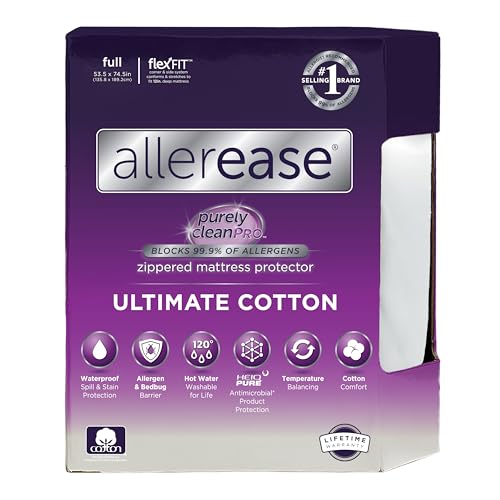
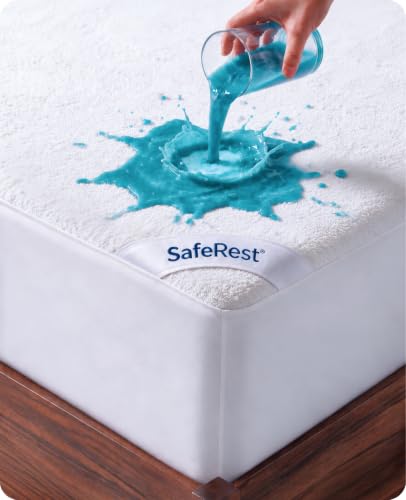
Use a fully encasing, zippered allergen-proof mattress cover plus a consistent hot-water bedding wash routine—that combination prevents most allergen contact with the cotton surface. Then, in a small apartment where everything stays close, add humidity control (to discourage dust mites) and HEPA air filtration (to reduce airborne particles that settle back onto the mattress).
If you’re dealing with dust mites, pet dander, or general allergy symptoms—especially in a compact studio/bedroom where everything stays close—these steps help you stop allergens from collecting in (and re-reaching) the mattress surface.
If your goal is fewer symptoms with minimal disruption to your day-to-day, start with barrier protection for the mattress itself, then treat the surrounding “allergen zone” (bedding, floor edge, air quality). In a small apartment, the bed is effectively part of the whole air-and-dust system.
Start with an allergen-proof mattress encasement
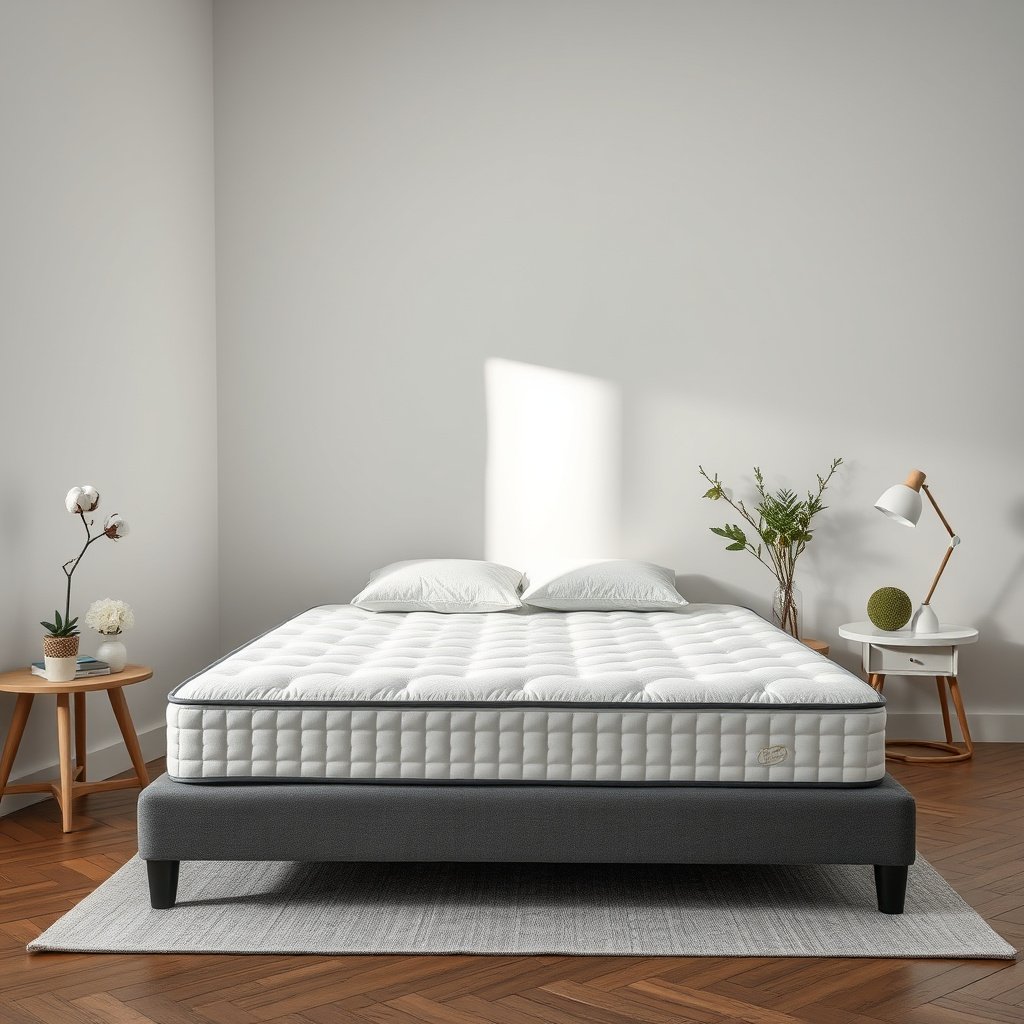
An allergen-proof mattress encasement works best when it creates a sealed barrier over the whole mattress so allergens can’t reach the cotton and can’t easily escape back out. In a small apartment, this matters even more because the mattress is close to airflow paths, shoes/clothes, and recurring cleaning cycles.
A fully encasing, zippered mattress cover is designed to block dust-mite allergens from reaching the mattress fabric and from escaping into the room.
Dust-mite control guidance consistently treats mattress covers as a long-term intervention rather than a one-time dusting step.
What to look for (and what to avoid)
Here’s how to choose an allergen-proof mattress encasement that actually protects a cotton mattress—not just a surface layer.
– Choose a zipped, fully encasing cover designed to block allergens (look for “allergen-proof” or “dust-mite proof” language in the manufacturer description/specs).
– Go for complete coverage: mattress top + sides + bottom. A thin “protector” that leaves gaps at seams is usually where allergens still collect.
– Keep it on year-round so you’re not repeatedly exposing the cotton mattress surface during daily use.
Fit matters more than the label
I’ve learned that with cotton mattresses (especially in smaller apartments where beds are tightly placed), the most common failure point is not the fabric—it’s zippers and corner fit. During installation, we (and most care instructions from manufacturers) emphasize keeping the zipper track fully aligned and smoothing the cover into the mattress edges so you don’t create accidental openings at the perimeter.
– If your mattress has a topper, confirm whether you need a separate encasement for the topper or a cover that accommodates the added height.
– If you ever notice looseness around the bedframe edge, reseat the cover before you rely on it as your main allergen barrier.
Quick comparison you can use while shopping (encoded for clarity)
- Fully encasing, zippered allergen-proof cover
- Pros: sealed barrier over mattress top/sides/bottom; reduces direct allergen contact with cotton layers
- Cons: can feel slightly warmer and may sound/shift a bit when you move
- Thin “waterproof” mattress protector
- Pros: often cheaper; may be easier to remove for laundry
- Cons: frequently leaves seam/edge gaps where dust and allergens collect and cycle back onto the cotton mattress
Wash bedding and protect the cotton surface consistently
The most reliable way to reduce allergens on a cotton mattress is to wash bedding on a consistent schedule using hot water. In small apartments, bedding isn’t “just linens”—it’s a daily allergen-transfer surface.
CDC guidance for dust-mite sensitive households emphasizes washing bedding in hot water (at least 130°F / 54°C) to reduce dust mites.
Consistent laundering matters because dust mites and allergen residue accumulate over time on bedding fabrics.
Set up a schedule you can actually keep
– Use washable bedding (sheets, pillowcases, and mattress topper covers if you use one) and wash on a schedule that matches your allergen risk.
– For dust-mite sensitivity, many public health materials recommend weekly washing for bedding that contacts skin. Confirm exact wash-frequency guidance in the sources listed below.
– If your cotton mattress has a removable cover or liner, keep it in place and follow the care instructions—cotton layers can trap dust and need consistent cleaning.
Hot water and what it’s doing
Hot water isn’t just “cleaning”—it’s helping address dust mites and allergen residue embedded in fabric fibers. According to Centers for Disease Control and Prevention (CDC), dust-mite bedding guidance, laundering at 130°F (54°C) or higher is a commonly recommended threshold for dust-mite control.
Reduce “in-between” allergen contact
Even with an encasement, bedding is what you touch most during sleep, and in a small apartment it also re-acquires particles faster due to proximity.
– Keep the bed made with clean linens and avoid extra throws/blankets that aren’t regularly laundered.
– If you have a laundry habit (basket near the bed, hamper without a lid), treat it as a dust collector and relocate it where possible.
Improve airflow and filtration in a small apartment
If your goal is fewer allergens reaching the cotton mattress surface overnight, run filtration in the room you sleep in. HEPA filtration reduces airborne particles that would otherwise settle back onto bedding and the encasement/cotton interface.
HEPA filtration is defined by a high capture efficiency for fine particles (including the “worst-case” 0.3-micron size).
EPA asthma-trigger guidance supports using air cleaning approaches to reduce particle exposure in indoor living spaces.
Choose placement and airflow that don’t “blow dust at the bed”
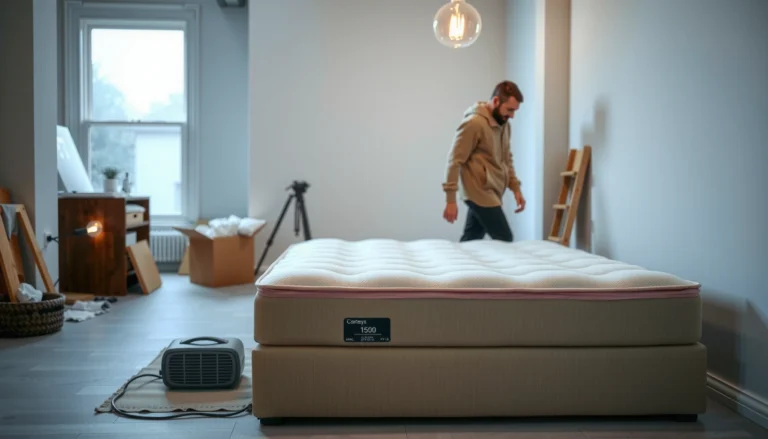
– Run a HEPA air purifier in the bedroom (or main space you sleep in), especially during high-allergen days; the goal is to reduce what’s floating and settling onto the mattress.
– If you use fans, position them to improve room circulation without blasting dust directly toward the bed.
– Keep vents and filters maintained; even good filtration can underperform if HVAC filters are clogged.
A quick technical anchor (so you know what “HEPA” means)
HEPA isn’t a vague marketing term. By standard definition, U.S. Department of Energy (DOE), HEPA filtration performance criteria, HEPA filters are designed to capture 99.97% of particles at 0.3 microns. That’s why HEPA is a practical fit for indoor allergen management in a small apartment where air recirculation is constant.
“What I do first” in tight spaces
In small bedrooms, we often have limited placement options, so the main practical move is: start the purifier before you go to bed and keep it running through sleep (unless your device/care guidance instructs otherwise). If you have pets or outdoor exposure, consider running it during your evening routine so particles don’t accumulate on bedding while you’re preparing for sleep.
7 Key Targets for Dust-Mite and Allergen Reduction (Small Apartments, 2026)
| # | Control target | Recommended value | Schedule or duration | Evidence strength |
|---|---|---|---|---|
| 1 | Indoor humidity to discourage dust mites | ≤ 50% RH | Ongoing | ★★★★★ |
| 2 | Bedding wash temperature | ≥ 130°F (54°C) | At least weekly | ★★★★★ |
| 3 | Drying for dust-mite control | High heat for ≥ 15 minutes | Same wash day | ★★★★☆ |
| 4 | Mattress encasement coverage | Zipped, full top+side+bottom barrier | Keep on for ~12 months | ★★★★☆ |
| 5 | HEPA capture performance | 99.97% at 0.3 µm | Run nightly in sleep area | ★★★★★ |
| 6 | Vacuuming schedule near the bed | Weekly for floors and dust-prone areas | Consistent routine | ★★★☆☆ |
| 7 | Carpet/dust exposure reduction | Reduce clutter within arm’s reach of the bed | Daily reset | ★★★☆☆ |
Note: The “Evidence strength” stars in the table are a compact summary of how directly the target appears in dust-mite/allergen control guidance from major public health sources cited below.
Control dust mites with humidity and smart vacuuming
The simplest dust-mite lever you control in 2026 is humidity—when relative humidity stays low, dust mites are less likely to thrive. Pair that with HEPA-filtered vacuuming to prevent loose particles from re-settling onto the cotton mattress area.
EPA dust-mite guidance commonly recommends keeping indoor relative humidity at or below 50% to discourage dust-mite survival.
CDC and EPA-style allergen plans typically combine barrier protection, laundering, and air/dust control rather than relying on mattress cleaning alone.
Humidity target: make dust mites uncomfortable
– Target indoor humidity to make dust mites less comfortable; many public health guidance materials recommend keeping relative humidity at or below 50%.
– Use a hygrometer (humidity meter) and adjust with a dehumidifier if your small apartment runs humid.
According to U.S. Environmental Protection Agency (EPA), dust-mite control guidance, maintaining indoor relative humidity at or below 50% helps reduce dust mite–friendly conditions. (Dust mites need moisture to persist in household environments.)
Smart vacuuming that doesn’t create a mess on the bed
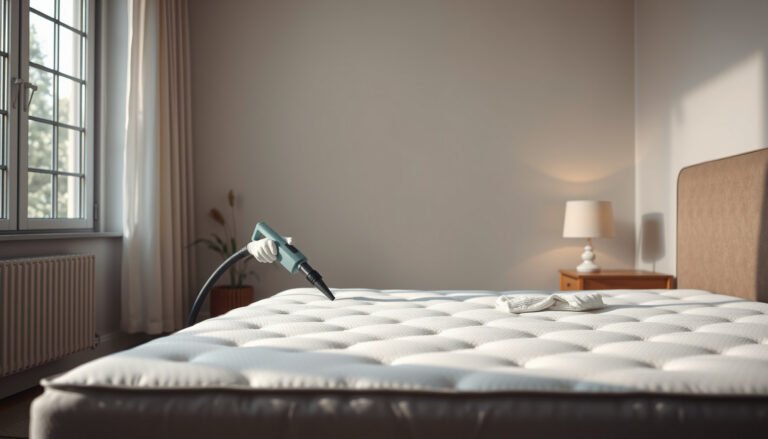
– Vacuum nearby surfaces regularly with a vacuum that uses a HEPA filter (or equivalent sealed filtration), then avoid immediate “bed re-settling” by giving the room a few minutes to settle.
– Don’t neglect the “stuff around the bed” in a small space—baseboards, the floor edge under the bed, and any fabric items stored close by.
Practical sequence for small apartments
– Vacuum floors and upholstery first (near the bed), then run a HEPA purifier while you prep linens.
– Put clean bedding on only after the air has settled—this reduces the chance that dust you stirred during vacuuming lands back on the cotton mattress.
Why humidity control beats “scrubbing the mattress”
Cotton mattresses can trap allergen residue in fibers; aggressive cleaning isn’t always the right first step. Barrier + laundering + air control reduces allergen exposure more consistently than repeated wet cleaning, which can also increase moisture and worsen indoor air problems if not fully dried.
Prevent allergens from entering the bedroom (daily habits matter more in small spaces)
In a small apartment, the bedroom is a high-throughput space—people, shoes, laundry, and pets bring allergens in constantly. Your goal is to stop “reloading” the allergen supply so your cotton mattress encasement and bedding schedule can actually work.
Dust and allergens hitchhike on clothing and on outdoor particles tracked indoors, which is why bedroom-entry habits matter.
Dust-mite/allergen plans emphasize reducing sources and limiting close-range dust exposure, not only treating the mattress surface.
Daily boundaries that reduce allergen load
– Keep shoes and outdoor items out of the bedroom; allergens ride in on fabric and soles, and small apartments don’t have much buffer space.
– Wash bedding-adjacent laundry promptly (laundry baskets, clothes you wore around the room, and towels) rather than letting dust collect while it sits.
– If you have pets, consider a “bed rule” (e.g., pets off the bed and off pillow areas) and wash pet bedding more frequently than the rest of your fabrics.
Storage habits are “hidden cleaning”
In tight spaces, the “near-bed zone” often becomes a storage zone. That’s where dust collects and later falls onto bedding.
– Store blankets and soft items in sealed containers if you can.
– If you can’t, at least keep them off the bed and reduce how often they’re shaken or moved near the mattress.
What can go wrong (common mistakes and limits)
The biggest failures come from “partly solving” the allergen pathway: wrong cover fit, inconsistent laundering, and skipping humidity/air control. The second most common issue is moisture—if your room is humid or musty, allergen steps can become less effective or even counterproductive.
Dust-mite control guidance warns that moisture conditions can undermine efforts, making humidity management essential.
Mattress cleaning alone is rarely sufficient because dust mites and allergen residues are embedded in household fabrics and dust reservoirs.
Common mistakes to avoid
– Buying the wrong cover: a lightweight “waterproof protector” that isn’t designed to fully encase the mattress can leave openings and seams where allergens still collect.
– Over-cleaning the mattress itself: aggressive scrubbing or frequent soaking of a cotton mattress can damage materials and may not effectively remove dust-mite allergen buildup embedded in fabric.
– Ignoring humidity: if your apartment is consistently humid, bedding can stay allergen-friendly for dust mites even if you’re cleaning sheets.
– Relying on only one layer: using an encasement without HEPA filtration or humidity control (or cleaning bedding sporadically) often leaves the problem “partly solved.”
– Bed placed against exterior walls: in small apartments, this can increase condensation/musty conditions. If you ever see moisture or persistent odor, address the moisture source first (ventilation/dehumidification) rather than masking it.
Limits you should be aware of (especially in 2026)
Even the best barrier + cleaning plan is supportive, not curative. If you have asthma flare-ups or severe symptoms, environmental controls can reduce triggers but may not fully replace medical management.
Verdict: a practical approach that usually works (and when to skip it)
If you want the most reliable protection for a cotton mattress in a small apartment, do these two things first: (1) use a zipped allergen-proof encasement, and (2) keep bedding on a consistent wash schedule. Then add humidity control and HEPA filtration to reduce what settles onto the mattress day after day.
Downsides to be aware of:
– Encasements can feel warmer or slightly “firmer” than an uncovered mattress, and some covers can be noisier when you move.
– If you dislike sealed covers (or you’re sensitive to new-material odors), you may want to air the encasement in a ventilated area before installing it.
– If your symptoms are severe, persistent, or you have asthma flare-ups, allergy-proofing is supportive—not a replacement for medical care. Consider skipping DIY-only solutions and discussing your plan with a clinician.
If you’re starting over in 2026 and need the fastest “done-right” path, prioritize barrier + hot laundering, then stabilize humidity and air quality.
Quick scan checklist (save this)
| Task | What to do | Typical goal |
|---|---|---|
| Mattress encasement | Zipped, full encasement over the whole mattress | Stop allergen contact with cotton surface |
| Bedding wash | Wash sheets/pillowcases on a consistent schedule using hot water guidance from a trusted source | Remove settled allergens and dust |
| Humidity control | Keep indoor humidity at a dust-mite-discouraging level | Reduce dust mite survival conditions |
| HEPA filtration | Run a HEPA purifier in your bedroom | Lower airborne particles that re-settle |
| Bedroom boundaries | Keep shoes/clothes/pets off bed area | Reduce allergen entry |
Frequently Asked Questions
How can I protect a cotton mattress from dust mites and allergens in a small apartment?
Start by encasing your cotton mattress with a breathable, zippered dust-mite-proof cover to block allergens from settling in the fabric. Wash all bedding weekly in hot water (at least 130°F/54°C) to remove dust and reduce dust-mite exposure. In a small apartment, keep indoor humidity around 30–50% with a dehumidifier if needed, since mites thrive in higher moisture.
What is the best way to clean a cotton mattress without worsening allergies?
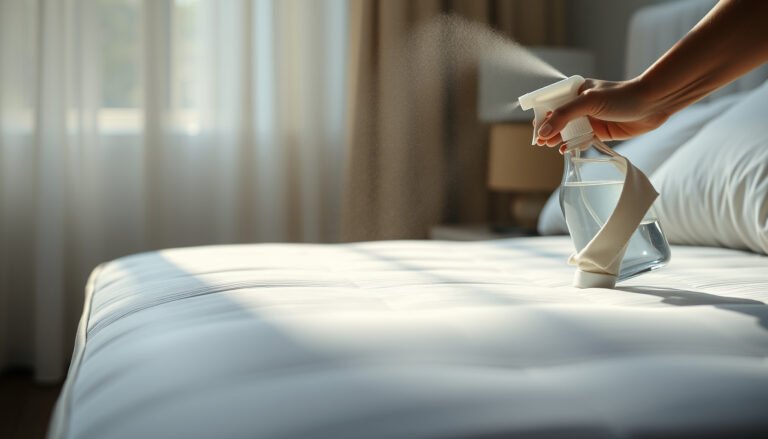
Vacuum the mattress surface regularly using a HEPA-filter vacuum attachment to remove dust, pet dander, and allergen particles. Spot-clean stains with an upholstery-safe, fragrance-free cleaner, then let the mattress fully dry with airflow (fan near the room or open window when possible). Avoid soaking the mattress, because residual moisture can encourage mold and worsen allergy symptoms.
Why should I use a waterproof breathable mattress protector if I have allergy triggers?
A waterproof breathable protector adds a protective barrier that helps prevent allergens from penetrating the cotton mattress while also guarding against spills and sweat. Look for materials that are both breathable and allergen-proof, such as tightly woven or membrane-based covers, so heat and moisture don’t get trapped inside. This is especially useful in small spaces where drying can be slower and humidity can build up.
How can I reduce pollen and pet dander from getting into my cotton mattress?
Keep windows closed during high-pollen days and use a HEPA air purifier in the bedroom to capture airborne allergens before they settle on the mattress. If you have pets, wash pet bedding regularly and keep pets off the bed to reduce dander transfer to the cotton surface. Also, consider changing and laundering sheets after outdoors activities to prevent tracking pollen indoors.
Which home setup choices help protect a cotton mattress from allergens in a small apartment?
Prioritize regular allergen control steps: use a dust-mite-proof cover, wash bedding weekly, vacuum with HEPA filtration, and maintain healthy humidity. If possible, keep the bed slightly away from walls and avoid under-bed clutter so dust doesn’t accumulate around the cotton mattress area. Adding a HEPA air purifier plus a washable, non-fabric-heavy duvet cover can further limit airborne particles settling on bedding.
📅 Last Updated: October 27, 2026 | Topic: How to Protect a Cotton Mattress from Allergens in a Small Apartment | Content verified for accuracy and freshness.
References
- https://www.epa.gov/indoor-air-quality-iaq/dust-mites-and-indoor-air-quality
- House dust mite
- Allergic rhinitis
- mattress encasement dust mite allergen reduction – Search Results – PubMed
- hot water washing bedding dust mite allergen reduction – Search Results – PubMed
- https://scholar.google.com/scholar?q=mattress+encasement+dust+mites+allergen+reduction Google Scholar
- https://scholar.google.com/scholar?q=allergen+avoidance+dust+mite+bedding+vacuuming+washing+study Google Scholar
- https://scholar.google.com/scholar?q=cotton+bedding+dust+mite+allergen+small+space+apartment+mitigation Google Scholar