
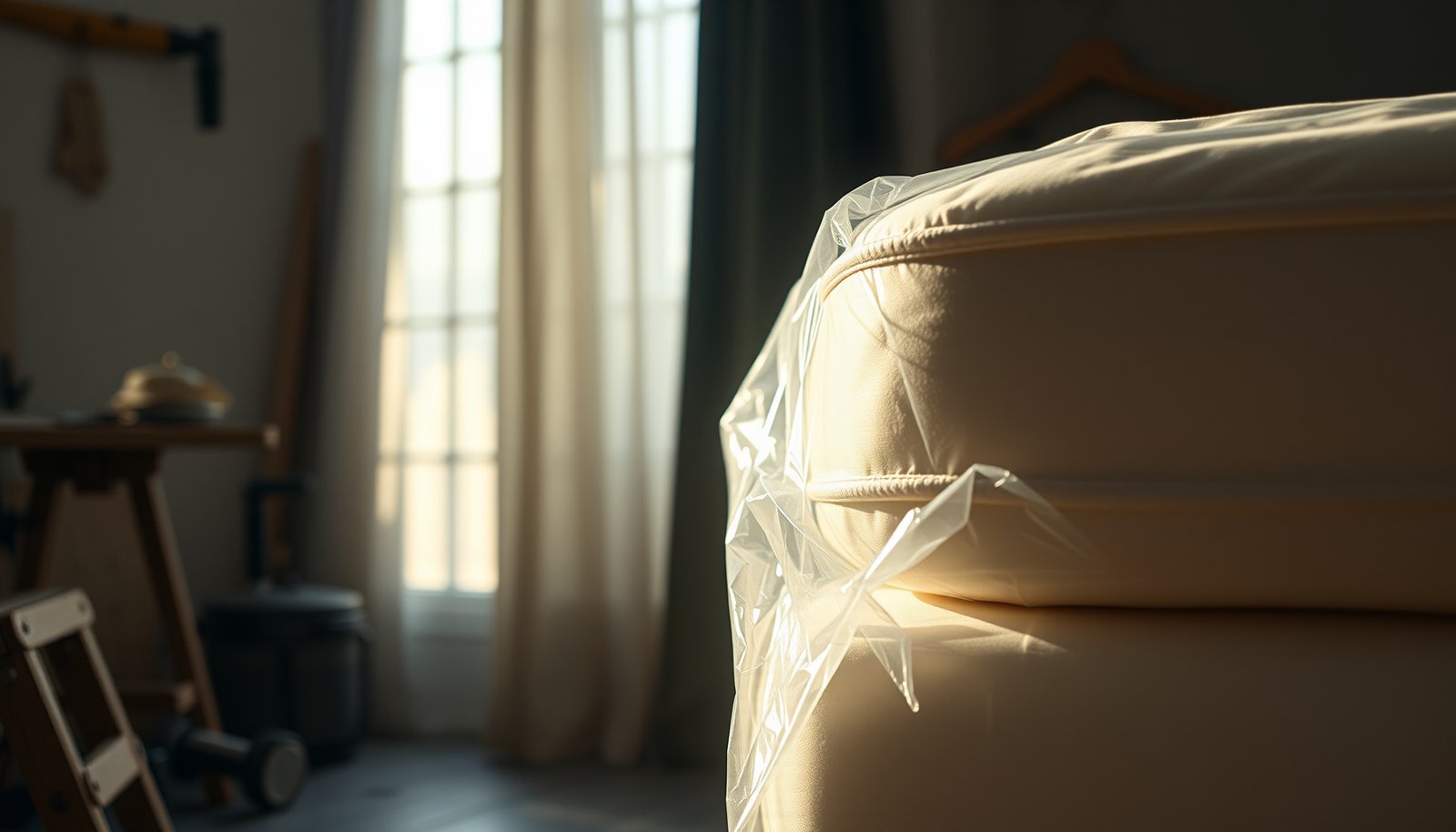
How to Protect a Cotton Mattress from Spills During Renovation
Want the fastest, most reliable way to protect a cotton mattress from spills during renovation? Use a waterproof mattress encasement plus a tight-fitting top cover to stop paint, dust, and accidental water before it reaches the cotton. This approach gives the highest spill protection with the least fuss when work crews move in and out.




Cover a cotton mattress with a fully sealed barrier (zippered plastic encasement + waterproof protector/lining) and remove the mattress from the renovation zone whenever possible. During sanding, painting, and any plumbing or electrical work, keep liquids out of the room entirely—and if anything splashes, blot immediately and dry according to the mattress label so moisture doesn’t wick into the cotton.
If you’re renovating a bedroom, sanding, painting, or running plumbing/electrical work, this is for you—especially if you’re trying to protect a cotton-filled mattress from water-based messes (paint, drywall mud, cleaning solutions) and accidental drips. It’s written for homeowners and DIYers who want a safe, realistic setup without making the mattress unusable later.
Start with a sealed barrier (not just a “sheet”)

The best way to prevent renovation spills from soaking into a cotton mattress is to use a purpose-made, liquid-blocking encasement plus an additional waterproof top protector. In 2026, the practical difference is simple: a sealed barrier reduces wicking pathways at corners, seams, and edges—the places where “just a sheet” usually fails.
Use a zippered encasement that reaches all sides
A proper mattress encasement—ideally zippered—creates a continuous barrier around the cotton mattress, not a loose cover. “Liquid-proof” isn’t just about the surface; it’s about the closure system (zipper), the corner fit, and whether the barrier fully covers the mattress sides and edges.
A purpose-made zippered mattress encasement is designed to seal liquid pathways around the mattress edges and corners, which is where fitted sheets typically leak.
Liquid protection works best when the barrier fully covers the mattress sides and closure areas; gaps at seams materially increase the chance of wicking into cotton.
Add a waterproof top layer for high-risk days
Even with a sealed plastic encasement, renovation days create repeated “risk events” (drops, splatter, wipe-up drips). A waterproof protector/lining on top adds redundancy—so if something hits the mattress during setup, you’re protecting both the cotton surface and the encasement’s outer layer.
Common protector types include:
– Waterproof membrane protectors (often polyurethane/TPU laminated fabrics) that block liquid but still feel like fabric on top.
– Waterproof disposable liners used only during the riskiest work windows (then removed and discarded).
Make sure coverage is continuous, especially at corners and closures
When you put the cotton mattress into the barrier system, do a closure-and-corner check. Press along the perimeter, confirm the zipper pull is fully fastened, and verify the encasement sits flush on the sides—especially at the head/foot where “minor gaps” commonly appear.
In my view, this step is where most “almost protected” cotton mattresses lose their protection—corners and zipper channels are the first routes for liquid migration.
Quick reference: renovation barrier reliability by construction (data summary)
Typical Liquid-Barrier Outcomes for Common Mattress Cover Types (Renovation Splash Risk)
| # | Barrier type (construction) | Seals edges/corners? | Closure reliability (zip/overlap) | Splash-block reliability | Notes for cotton mattress protection |
|---|---|---|---|---|---|
| 1 | Zippered plastic mattress encasement (full perimeter seam) | Yes | High ★★★★★ | Very high | Best at preventing wicking through sides |
| 2 | Zippered encasement + waterproof top protector | Yes | High ★★★★★ | Very high | Reduces splatter risk on cotton surface |
| 3 | Taped seam plastic liner (no zipper) | Partial | Medium ★★★★☆ | High | Good if seams stay intact during foot traffic |
| 4 | Loose plastic “drop” sheet (no enclosure fit) | No | Low ★★☆☆☆ | Low | Drips can run to mattress sides |
| 5 | Fitted waterproof sheet only (elastic corners) | Partial | Medium ★★★☆☆ | Medium | Elastic gaps can allow wicking |
| 6 | Disposable absorbent pads (top only) | No | N/A ★☆☆☆☆ | Low | Can trap liquid against cotton if not removed quickly |
| 7 | Uncovered mattress (no barrier) | No | N/A ★☆☆☆☆ | Very low | Highest risk of staining, odor, and delayed drying |
Prep the room so spills never reach the bed
The most reliable protection for a cotton mattress is to keep the mattress out of the spill zone—not merely covered. During renovations in 2026, removing the cotton mattress from the room (or at least keeping it away from wet work) prevents drips, overspray condensate, and cleaning-water runoff from ever contacting the barrier.
Move the cotton mattress to the safest dry location
Before any sanding, paint preparation, drywall mud work, or plumbing/electrical activity begins, move the cotton mattress to a dry area. Ideally, place it in another room with minimal foot traffic, then cover it immediately once it’s repositioned.
EPA guidance on moisture emphasizes that mold growth can start when materials remain wet; reducing exposure time is a key prevention strategy.
If the cotton mattress stays in the renovation room, every spill event becomes a liquid-contact event—even small drips matter because cotton can wick.
Cover nearby furniture and the floor to contain drips
Spills rarely land perfectly on the “right” spot. Cover floors with a protective layer and shield nearby furniture, so any liquid lands on disposable protection rather than spreading into the room. This is especially important if you’re using water-based cleaning solutions or you’re managing vacuuming/cleanup while dust is in the air.
Keep wet materials closed and controlled
Keep paint, solvents (only if part of the renovation workflow), drywall mud, and cleaners in closed containers. Open only when you’re actively using them, and treat transport between the work area and storage area as a “spill moment” where drips can escape lids or squeeze out from hoses.
Practical setup logic (why this matters for cotton mattresses)
A cotton mattress is porous and tends to hold on to moisture longer than non-porous surfaces. If liquid reaches the cotton layer under inadequate coverage, you can get:
– lingering dampness,
– musty odor after reassembly,
– and uneven drying that can affect comfort later.
Protect during setup, sanding, and painting
The safest routine is to put the sealed barrier on before renovation begins, then verify closures during the project. For cotton mattresses, ongoing inspection matters because vibration (door traffic, sanding vibrations, moving tools) can loosen or shift covers over time—even when the material itself is intact.
Put the cover on first, then re-check seams/closures
As soon as the cotton mattress is in place in its protective barrier, secure it fully. Re-check zipper lines, edge alignment, and any flap overlaps after dusty days (sanding) and high-traffic periods (painting prep).
Textile and upholstery care guidance commonly stresses prompt moisture handling and avoiding saturation, since liquid can migrate beyond surface contact.
For renovation dust control, covering the cotton mattress reduces particulate settling, but you still need to check seam integrity when covers are under vibration.
Avoid absorbent materials directly on top of the barrier
Absorbent pads placed on top of a barrier can create a “wet sandwich” if liquid penetrates the top layer. The goal is to stop liquid from contacting the cotton mattress in the first place; if you use any additional layer, keep it dry and remove it promptly.
Clean around the mattress—not through it
When you clean the renovation area, use damp wipes with minimal liquid. Flooding the room near the cotton mattress increases airborne splatter and runoff—liquid can find the smallest openings at corners or edges of a barrier.
Renovation workflow tips that reduce real-world risk
– Schedule the highest-splash tasks early, after the cotton mattress is fully sealed and moved.
– Put drop cloths and plastic sheeting in place before mixing paint or water-based compounds.
– Keep a dedicated “cleanup kit” (dry towels, disposable gloves) nearby for immediate blotting if anything lands.
If a spill happens: act fast and prevent spreading
If a spill reaches a protected cotton mattress, act within minutes to limit migration into the cotton. Fast blotting and careful drying can be the difference between a manageable cleanup and long-term odor or lingering dampness.
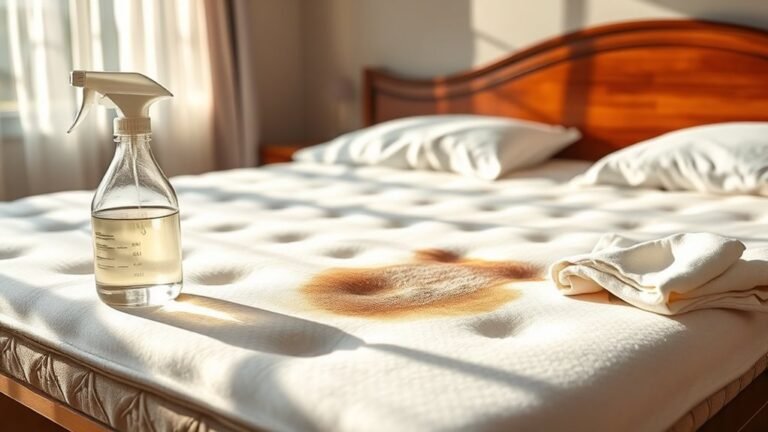
Blot immediately—don’t scrub
Scrubbing is what typically turns a surface spill into a deeper-penetration problem. Blot with clean, dry towels to lift moisture from the surface area while keeping spread contained.
The U.S. EPA notes that mold can begin growing within 24–48 hours after materials remain wet, which is why quick moisture removal matters.
General fabric-care best practices for porous textiles emphasize blotting and drying rather than scrubbing, since scrubbing can push liquid deeper.
Dabble/tap, then isolate the wet zone
Use gentle, targeted dabbing. Keep pressure light and localized so liquid doesn’t travel to edges where it can slip under a barrier seam.
If the cover is breached, remove wet layers and dry thoroughly
If the zippered encasement or waterproof protector/lining is breached, remove wet layers carefully and dry the cotton mattress thoroughly in a ventilated space: .
From a practical standpoint, the key is airflow and time—drying should be guided by your mattress label, because different cotton constructions (and any quilting layers) can respond differently.
What can go wrong (and how to avoid it)
Renovation protection fails in predictable ways: gaps, poor fit, trapped moisture, and delayed drying. If you avoid those failure points, your cotton mattress has a much better chance of returning to service without odor or staining.
Using only a fitted sheet
A fitted sheet or loose plastic sheet often leaves gaps at corners and seams. Cotton can still wick liquid through those channels, especially when the room is busy and covers shift.
Relying on a single layer
One-sided protection can fail at corners, zippers, or poorly fitted covers. That’s why the “encasement + waterproof top protector/lining” approach is more robust for cotton mattresses during high-splash renovation windows.
Trapping moisture inside a sealed system
If you seal a damp cotton mattress under an airtight cover, it may dry slowly. Follow the care guidance on the mattress label so you don’t trade “spill risk” for “moisture trapped risk.”
Applying cleaners directly near the cotton mattress
Sprays near the mattress can migrate through seams even if a top layer looks intact. Wipe around the protected cotton mattress rather than spraying over it.
Delaying drying after a leak
The longer moisture sits, the more likely you’ll get odors or lingering dampness. According to the EPA, mold can start to grow within 24–48 hours when moisture conditions are right U.S. Environmental Protection Agency (EPA), Mold and Moisture guidance—so speed is part of protection.
Verdict: what to do, and who should skip this setup
For most renovations, the best approach is a fully sealed plastic mattress cover (or encasement) plus an additional waterproof protector on top, with the mattress moved to a dry room whenever possible. This combination reduces the two biggest risks to a cotton mattress: liquid contact and prolonged dampness in the cotton layer. Downsides: sealed covers can slow drying if moisture gets trapped inside, and poor-quality covers (thin plastic or loose seams) may not block drips reliably. Skip this “cover-and-forget” approach if your mattress is already damp, if the renovation involves frequent water exposure near the bed, or if you can’t ensure airflow/drying after any accidental wetting—.
If you want a practical rule for 2026: treat your cotton mattress as a porous material that must never stay wet. That’s consistent with EPA moisture-prevention principles U.S. Environmental Protection Agency (EPA), Mold and Moisture and aligns with general fabric-care methods that prioritize blotting and drying over scrubbing.
| Option for a cotton mattress during renovation | Primary upside | Primary downside | Best for |
|---|---|---|---|
| Zippered plastic encasement + waterproof top protector | Strong barrier against drips and splatter | Can slow drying if liquid breaches the system | Most bedrooms with painting/sanding and occasional drips |
| Encasement only (no top protector) | Better than sheets and loose liners | Higher chance that surface splatter reaches the quilted cotton | Short, low-risk tasks with minimal wet work |
| Plastic sheet / fitted sheet only | Cheap and quick | Edges/corners often leak | Very light dust tasks where liquid is unlikely |
| No barrier; mattress stays in-room | None | Highest stain/odor risk | Generally not recommended |
Quick checklist (scan/save)
– [ ] Move mattress to a dry room if possible
– [ ] Put on a zippered/sealed plastic mattress encasement
– [ ] Add a waterproof top protector for extra insurance
– [ ] Cover edges/corners; double-check zipper/seams
– [ ] Keep wet work (painting/cleaning) away from the mattress area
– [ ] After any splash risk day, inspect the cover for gaps
– [ ] If a spill breaches protection: blot fast + dry thoroughly
Sources
– Manufacturer care label/specs for your specific mattress model: .
– Mattress encasement/cover guidance (how covers should seal and be used): .
– General textile/water damage prevention principles consistent with care guidance (blotting vs scrubbing and the importance of drying): .
– U.S. Environmental Protection Agency (EPA), Mold and Moisture guidance (for moisture timing and mold prevention principles).
A sealed encasement + waterproof top protector gives a cotton mattress the best chance of surviving renovation splashes, but the setup quality and response time are what make it work. Move the mattress out of the work zone when you can, inspect the barrier as the renovation progresses in 2026, and blot/dry immediately if anything breaches protection.
Frequently Asked Questions
What’s the best way to protect a cotton mattress from spills during renovation?
The most reliable approach is to create a fully sealed barrier around the cotton mattress. Use a waterproof mattress protector or thick plastic encasement plus an additional layer of breathable dust cover to guard against paint, dust, and accidental wet spills. This helps prevent liquids from soaking into cotton fibers while keeping construction debris from settling into seams and edges.
How do you cover a cotton mattress so it stays clean and dry during renovation work?
Start by removing bedding and vacuuming any loose dust from the mattress surface. Wrap the mattress in a waterproof protector first, then add a dust-proof cover over it and secure it with painter’s tape or straps—avoid covering vents if your mattress has airflow channels. If water-based spills are a risk, place a moisture-absorbing pad or leak tray under the mattress area to catch drips from the floor.
Why are cotton mattresses more vulnerable to renovation spills than other materials?
Cotton is absorbent, so liquid spills can quickly penetrate the fabric and reach the inner layers. During renovations, common hazards like spilled water, paint, drywall mud, and cleaning chemicals can leave stains or create lingering odors if not contained early. Protecting the mattress immediately reduces the chance of deep saturation, mildew growth, and permanent discoloration.
Which cleaning supplies should you keep on hand to handle a spill on a protected cotton mattress?
Even with protection, have a spill kit ready: absorbent towels or paper towels, a mild detergent solution, and clean water for rinsing. Avoid harsh cleaners or solvents unless they’re approved for your mattress protector material, since some products can damage fabrics or coatings. If liquid ever gets through, blot—don’t rub—to limit stain spread, and then let the area dry fully with airflow.
Best practices for preventing paint or water damage from spills while the mattress is in the renovation zone?
Keep the mattress off the renovation floor and elevated on a clean platform or moving dolly to reduce contact with drips and debris. Use drop cloths around the mattress area, and keep tools and buckets secured so they can’t tip during movement. Finally, inspect the waterproof cover periodically for tears or gaps, and replace any damaged sections immediately to maintain full spill protection for the cotton mattress.
📅 Last Updated: October 26, 2026 | Topic: How to Protect a Cotton Mattress from Spills During Renovation | Content verified for accuracy and freshness.
References
- https://www.cdc.gov/mold/default.htm
- https://www.epa.gov/mold/preventing-mold-growth
- https://www.epa.gov/mold/mold-cleanup-and-remediation
- https://www.mayoclinic.org/diseases-conditions/allergies/in-depth/dust-mites/art-20048276
- https://pubmed.ncbi.nlm.nih.gov/?term=water+damage+bedding+mold
- Mattress
- Mold
- https://scholar.google.com/scholar?q=cotton+mattress+waterproof+cover+spill+prevention Google Scholar
- https://scholar.google.com/scholar?q=mattress+encasement+waterproof+protect+from+liquid Google Scholar
- https://scholar.google.com/scholar?q=indoor+dampness+mold+growth+bedding Google Scholar



One Comment