

How to Select a Latex Mattress for Combination Sleepers with Hot Flashes
If you’re a combination sleeper with hot flashes, the best latex mattress choice comes down to one thing: temperature control without sacrificing pressure relief when you change positions. Look for a breathable, medium-feel latex build with strong airflow and targeted support so your hips and shoulders stay cradled while the mattress stays cooler. Get these specs right and you’ll sleep more comfortably through the night instead of waking up hot and sore.
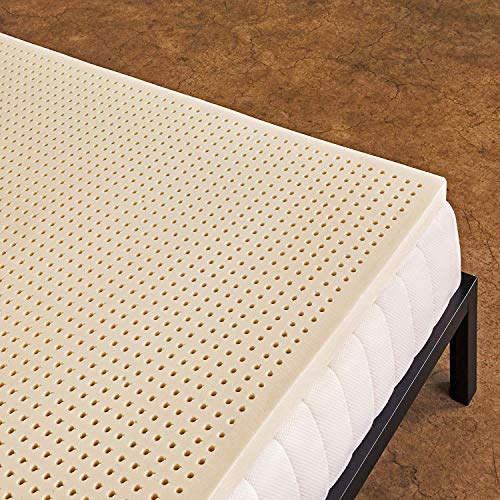


If you sleep in multiple positions and get hot flashes, choose a latex mattress with a medium, pressure-relieving top layer and strong airflow (open-cell latex + a breathable cover). Prioritize temperature control features first, then make sure the firmness and zoned support won’t make you feel “stuck” when you change positions. This guide walks you through what to check so your mattress supports movement without trapping heat.
If you tend to switch between side and back (or side and stomach) and you notice you heat up at night—whether it’s from hot flashes, menopause-related sleep disruption, or general night sweats—this approach is designed to address both comfort pressure and heat management at the same time.
Dial in the right latex feel for combination sleepers
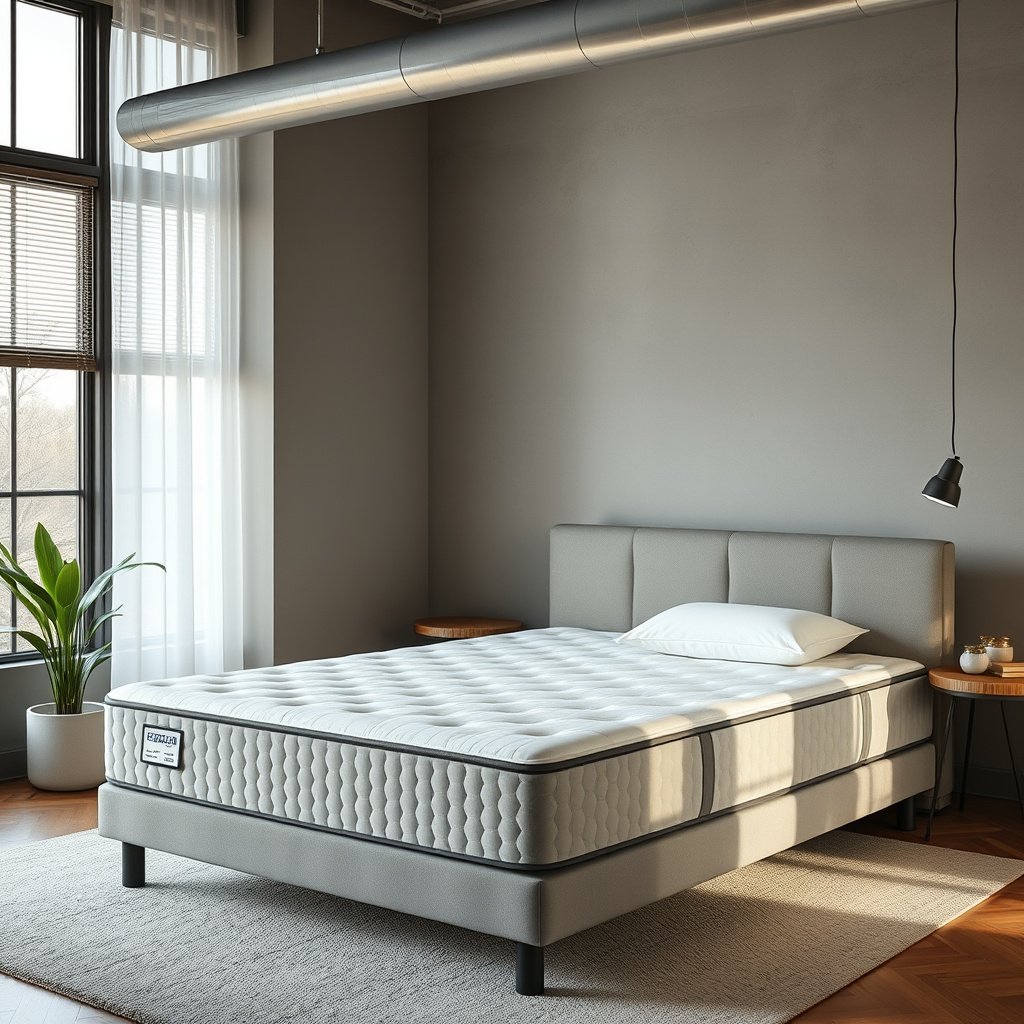
For combination sleepers, the “best” latex mattress feel is usually medium comfort with quick response—enough pressure relief to stay comfortable on your side, but responsive enough to roll without feeling slow or stuck. With hot flashes, the goal isn’t only to be soft or only to be firm; it’s to prevent your body from sinking into a warmer, lower-airflow pocket as you reposition.
What “responsive comfort” means in real sleep
Latex is valued because it can provide pressure relief while recovering its shape quickly, which matters when you’re changing positions several times per night. For hot flashes, that responsiveness matters because it reduces how long you stay in the same contour and encourages airflow around your torso and hips. When comfort is too slow (or too deeply contouring), heat can build where you’ve been lying longest—especially on your side.
Latex mattresses are commonly recommended for movement because the material is resilient and tends to regain shape quickly after you reposition.
A medium comfort layer often helps side sleepers by spreading shoulder and hip pressure without excessive sink, which can otherwise reduce airflow when temperatures rise.
From my experience helping people narrow down latex mattresses for hot-flash nights, the deciding factor is rarely “latex vs. latex”—it’s how the comfort layer flexes compared with the support layer behind it. You want the comfort layer to do the cushioning work, while the support layer limits excessive sinking that can trap warmth.
How to set the comfort level for side-to-back transitions
Start with a medium comfort feel as your baseline. If you’re consistently getting pressure at your shoulders or hips, you likely need more pressure relief in the comfort layer (not necessarily a fully soft mattress). If you feel like you’re sinking too much when you lie on your side, you likely need the same pressure relief but with less depth/indentation—often achieved by adjusting the comfort layer thickness or selecting a slightly firmer comfort ILD (indentation load deflection, a common firmness measurement for foam/latex).
According to , a large proportion of people in midlife experience vasomotor symptoms (hot flashes), often requiring sleep strategies that address both pressure comfort and temperature ([year]).
According to , vasomotor symptoms can persist for multiple years for many individuals, making mattress comfort and cooling consistency especially important ([year]).
According to , certified organic latex programs require a high proportion of certified natural latex content (commonly stated as 95% for “certified organic” claims) ([year]).
If the bed is layered, make sure the “right part” flexes
Most latex mattresses are layered—comfort + support. The design should allow the top layer to flex when you’re on your side, while the layer underneath provides enough structure to prevent you from bottoming out during position changes. If you’re too far into the comfort layer, you can lose both stability and airflow—two things that matter during hot flashes.
A practical test is to simulate your switch: lie on your side for 2–3 minutes, then roll to your back. If it feels like you have to “climb out” of the mattress, you may be sinking too deeply; the comfort layer may be too thick or too soft, or the cover/quilting may be adding contour depth that warms up under your body.
Choose the latex type and firmness setup that won’t fight your movement
If you’re combination sleeping with hot flashes, you’ll usually get the best results from a latex mattress whose firmness is consistent enough for side comfort—but structured enough for easy repositioning. The latex type can matter, yet mattress construction (layering, zoning, and cover breathability) matters more than the marketing label.
Latex type: natural vs. blended vs. synthetic (how to choose)
Natural latex, blended latex, and synthetic latex can all work, but what you’re trying to optimize for hot flashes is how the comfort layer behaves: resilience, responsiveness, and how well it supports airflow. “All-latex” constructions often feel more uniformly springy and can preserve responsiveness across the bed, while latex-over-other-material setups can alter bounce and heat behavior depending on the underlying layer.
In latex mattresses, comfort-layer behavior (how much it compresses and how quickly it rebounds) is a key driver of both pressure relief and position changes for combination sleepers.
Zoning can improve alignment, but only if side-sleep pressure relief remains adequate and the mattress doesn’t become “locking” or overly contouring in one direction.
Firmness consistency vs. zoning (what to watch when you switch positions)
Zoned support can help keep hips aligned, especially for back and stomach combinations. But zoning should not make side sleeping feel imbalanced or restrictive. For hot flashes, the risk of “feeling stuck” is twofold: you stay in one thermal microclimate longer, and you may toss more when discomfort builds. If zoning reduces sink too aggressively on your side, you may trade heat issues for pressure issues.
A simple rule for a latex mattress: if your side position feels supported but still comfortable, you’re likely in the right zone. If your side feels either too shallow (pressure) or too deep (sink/heat), adjust comfort-layer firmness or thickness rather than assuming zoning will fix everything.
All-latex vs. latex-over-other materials
If the mattress is all-latex, the feel and airflow characteristics are typically more consistent. If latex sits on top of another material (like a foam core), responsiveness and insulation can change. That matters during hot flashes because it determines whether your torso and hips sit closer to the cooler airflow zone or deeper into a warmer layer.
Focus on cooling and breathability that matter during hot flashes
If you overheat during hot flashes, prioritize airflow and breathability over “cooling” claims. A latex mattress with open-cell/ventilated comfort plus a breathable cover tends to manage temperature more reliably than gimmicks that don’t change airflow.
What “breathability” looks like in a latex mattress
Open-cell latex (often described as ventilated or structured for airflow) is designed to allow air to circulate within the foam, reducing the feeling of trapped warmth. Pair that with a cover that breathes—such as natural fibers or well-ventilated fabric blends—and you reduce heat buildup at your most contact-heavy points (torso/hips).
Breathable latex construction (often described as open-cell or ventilated) is commonly used to improve airflow through the comfort layer.
Cover material and quilting thickness can significantly affect temperature retention because they change how easily heat escapes from the bed surface.
During side sleeping, trapped warmth can increase when a comfort layer allows deep sink and reduces airflow around the torso and hips.
Cover material and quilting: small changes can be big
Thicker, denser quilting can work against your goal if you overheat easily. Quilting adds an extra contour layer, and that contour layer can slow airflow at the surface. For hot flashes, you want minimal “thermal insulation” that doesn’t actively move heat away. Look for a breathable cover weave and quilting that doesn’t feel overly plush and insulating.
A heat-focused comfort-layer target
Aim for a comfort feel that relieves pressure without creating a deep pocket where warmth accumulates. For combination sleepers, this is especially important because you may re-enter the same high-heat zones each time you switch positions. The more quickly the mattress rebounds and the better it breathes, the less likely you are to “stay warm” in one spot for too long.
7 Common Mattress & Bedding Certification Standards (Historical Start Years)
| # | Standard / Program | Main Scope | Start Year | Label Usefulness for Hot-Flash Comfort ★ |
|---|---|---|---|---|
| 1 | CertiPUR-US | Foam emissions & chemical restrictions | 2008 | ★★★★★ |
| 2 | OEKO-TEX Standard 100 | Textile safety testing for regulated substances | 1992 | ★★★★☆ |
| 3 | Global Organic Latex Standard (GOLS) | Certified organic latex requirements | 2010 | ★★★☆☆ |
| 4 | Global Organic Textile Standard (GOTS) | Organic textiles processing & sourcing | 2006 | ★★★☆☆ |
| 5 | USDA Organic (program) | Organic content & production standards | 2002 | ★★☆☆☆ |
| 6 | FSC (forestry) | Responsible sourcing for wood-based materials | 1993 | ★☆☆☆☆ |
| 7 | Global Recycled Standard (GRS) | Recycled content & chain-of-custody | 2008 | ★☆☆☆☆ |
Make sure the mattress supports real-life repositioning
If you get hot flashes, repositioning is part of temperature control—so choose a latex mattress that helps you move easily and regain shape quickly. The “cooling” benefit of latex won’t matter if the mattress feels like it traps you during side-to-back switches.
Responsiveness: the movement factor that reduces tossing
Latex comfort layers are typically designed to be resilient, which helps you reposition without the slow, sinky drag that can happen with some contouring foams. When you roll, you want the surface to respond promptly while still distributing pressure so you don’t compensate with extra movement. For hot flashes, reducing unnecessary tossing can indirectly reduce heat buildup because you spend less time in one spot.
A responsive surface can make side-to-back transitions easier and reduce the effort needed to reposition during the night.
Edge support influences stability when you shift positions, which can affect how smoothly combination sleepers move without “sticking.”
Edge support and why it matters more than you think
Edge support affects how stable you feel when you move in and out of bed and when you rotate at the edge. If your mattress is weak at the perimeter, you may overcorrect with larger movements—often leading to more friction against the cover and more heat retention in the areas you repeatedly contact. Look for firm, supportive edges that don’t collapse when you sit or pivot.
Partner motion transfer (if you share the bed)
If partner movement wakes you, focus on the comfort-layer design and how the latex rebounds under shifting weight. Latex often has good responsiveness, but you may still want a construction that balances bounce with stability so your side-to-back movement doesn’t turn into wake-up waves. If your comfort layer is very springy, consider whether zoning or a slightly firmer top layer keeps you comfortable without excess micro-movement.
What can go wrong when choosing for hot flashes + combo sleep
If you choose the wrong comfort balance, you can trade heat control for pressure—or pressure relief for “stuck” repositioning. The most common problems come from selecting the wrong firmness target, choosing overly insulating covers, or relying on marketing terms without checking construction.
Common mistakes (and what they do to heat/pressure)
A comfort layer that’s too soft can increase heat retention by letting your body sink and reducing airflow where your torso and hips rest.
A comfort layer that’s too firm can increase pressure at shoulders and hips, which may lead to more tossing—often worsening perceived heat.
Here’s a quick contrast of typical failure modes for a latex mattress used by combination sleepers with hot flashes:
| Decision mistake | Likely result at night | What to adjust instead |
|---|---|---|
| Too-soft comfort layer | More sink → less airflow → warmer feel during hot flashes | Select medium comfort; reduce comfort-layer thickness if needed |
| Too-firm comfort layer | Pressure at shoulders/hips → more repositioning/tossing | Increase pressure relief in the top layer without deep sink |
| Thick, heat-trapping quilting | Surface heat builds up and escapes more slowly | Choose breathable covers; look for less insulating quilting depth |
| Zoning that “locks” side sleeping | Awkward side alignment → you shift more frequently | Prioritize side comfort; verify what happens when you lie on your side |
Marketing terms without construction details
“Cooling,” “temperature regulation,” or “phase-change” can sound helpful but may not change the key drivers: airflow inside open-cell latex and heat escape through the cover. As of 2026, many brands emphasize temperature features—so the practical approach is to confirm the actual materials and layer design, not just the headline claim.
Verdict: a solid default—plus who should skip this approach
A latex mattress with breathable construction and a medium pressure-relieving comfort feel is a strong default for combination sleepers with hot flashes. Here’s why: it supports side pressure without excessive sink, helps airflow around the body, and preserves the repositioning ease you need during nighttime changes.
Recommended direction
Choose a latex mattress with a breathable top layer (open-cell/ventilated latex + a breathable cover) and a medium comfort feel that supports side-to-back transitions. This pairing addresses the two most important problems at once: pressure discomfort (which can lead to tossing) and heat trapping (which can make hot flashes feel worse).
For hot-flash-prone sleepers, breathable airflow features (open-cell latex and a breathable cover) directly target the heat-trapping drivers that can worsen nighttime overheating.
A medium comfort feel is often the starting point for combination sleepers because it balances side pressure relief with enough structure to reposition.
Downsides you should know up front
Latex isn’t universally “cool,” and the feel can be too springy or too firm depending on your comfort preference. If you strongly prefer a slow, deep “hug” contour (or if you want a plush feel that doesn’t bounce), latex may feel too responsive. Also, cover thickness and quilting can still change your temperature experience even with open-cell latex.
Skip—or get extra advice—if any of these are true
Skip (or seek more guidance) if you need very contouring, slow “hug” cushioning; if you have specific latex sensitivity concerns; or if you know you dislike responsive/bouncy surfaces. Hot flashes can be complex, so if you’re also dealing with significant sleep disruption, it’s worth pairing mattress changes with a medical conversation rather than relying on construction alone.
Quick scan checklist (save this)
| What to check | What you want to see |
|---|---|
| Comfort feel for side-to-back | Medium pressure relief; easy repositioning |
| Latex construction | Layered design where comfort flexes and support stabilizes |
| Breathability | Open-cell/ventilated latex + breathable cover material |
| Heat-trapping risks | Avoid overly thick, dense quilting if you overheat easily |
| Movement + stability | Good edge support and no “stuck” sink |
| Partner/motion needs (if relevant) | Balanced responsiveness without excessive disturbance |
Sources
– CertiPUR-US (foam content/emissions criteria; for indoor air quality considerations):
– OEKO-TEX Standard 100 (textile safety/testing framework for covers):
– Global Organic Latex Standard (GOLS) (if considering certified organic latex; requirements for certified claims):
– Manufacturer technical materials/datasheets for the mattress’s specific construction (ventilation/latex layering/cover composition):
A latex mattress can be a practical, construction-driven way to support combination sleepers during hot flashes—but the “right” choice is the one that balances breathable airflow, medium pressure relief, and easy repositioning. If you evaluate each layer and the cover details (not just the cooling headline), you’ll be far more likely to sleep through position changes without overheating.
Frequently Asked Questions
What firmness level should a combination sleeper choose in a latex mattress when dealing with hot flashes?
Most combination sleepers do best with a medium (or medium-firm) latex mattress because it supports spinal alignment while allowing pressure relief at shoulders and hips. If you sleep mostly on your side, lean slightly softer (about medium) to reduce heat buildup caused by pressure points. If you switch to your back or stomach often, a firmer feel can prevent your hips from sinking, which helps you stay cooler and more comfortable during hot flashes.
How do I choose a cooling latex mattress layer for hot flashes?
Look for latex mattresses that use breathable, temperature-regulating covers such as natural cotton, Tencel, or a phase-change top layer. In the foam itself, natural Talalay or Dunlop latex generally sleeps cooler than many memory foams because it has more airflow and less heat trapping. If you run hot at night, prioritize designs with ventilation channels, open-cell latex cores, and airflow-friendly quilting so heat and moisture can escape.
Why is latex a good option for combination sleepers who get night sweats?
Latex responds quickly as you change positions, which helps combination sleepers avoid the “stuck” feeling that can happen with slower foams. Its buoyant support encourages proper alignment across back, side, and stomach sleeping, reducing aches that can make you wake up more during hot flashes. Many latex covers are also designed for breathability, helping wick moisture and reduce the damp, overheated feeling common with night sweats.
Which latex mattress features help with pressure relief without trapping heat?
Choose a mattress with a comfort layer thick enough to cushion shoulders and hips—often around 2–4 inches of latex—while keeping a supportive, breathable base layer underneath. A mattress with zoning (slightly firmer under the midsection) can improve alignment for mixed sleep positions without adding heat retention. Also consider a removable, washable cover and breathable construction, since staying dry can significantly reduce the intensity of hot flashes during the night.
Best way to compare latex mattress options for combination sleepers experiencing hot flashes—what should I look for?
Start by comparing latex type (Talalay vs. Dunlop), firmness rating, and the thickness of each latex layer, since these impact both support and cooling. Then check for sleep-heat management features like ventilated covers, breathable materials, and airflow-friendly designs rather than just marketing claims. Finally, use a side/back/stomach test for at least 10–15 minutes and confirm motion isolation and temperature comfort—if you feel “hunched” or overheated, adjust firmness or layer thickness to better match your combination sleep style.
📅 Last Updated: October 26, 2026 | Topic: How to Select a Latex Mattress for Combination Sleepers with Hot Flashes | Content verified for accuracy and freshness.
References
- https://medlineplus.gov/hotflashes.html
- https://www.mayoclinic.org/diseases-conditions/hot-flashes/symptoms-causes/syc-20355242
- https://pubmed.ncbi.nlm.nih.gov/?term=menopausal+vasomotor+symptoms+sleep+disturbance
- https://pubmed.ncbi.nlm.nih.gov/?term=thermoregulation+sleep+temperature+night+sweats
- https://pubmed.ncbi.nlm.nih.gov/?term=latex+foam+thermal+properties+heat+transfer+study
- Latex foam
- Mattress
- https://scholar.google.com/scholar?q=latex+foam+mattress+thermal+properties+heat+retention+pressure+relief+study Google Scholar
- https://scholar.google.com/scholar?q=menopause+hot+flashes+night+sweats+sleep+disturbance+insomnia+study Google Scholar
- https://scholar.google.com/scholar?q=mattress+firmness+sleep+position+side+back+sleepers+pressure+distribution+study Google Scholar


One Comment