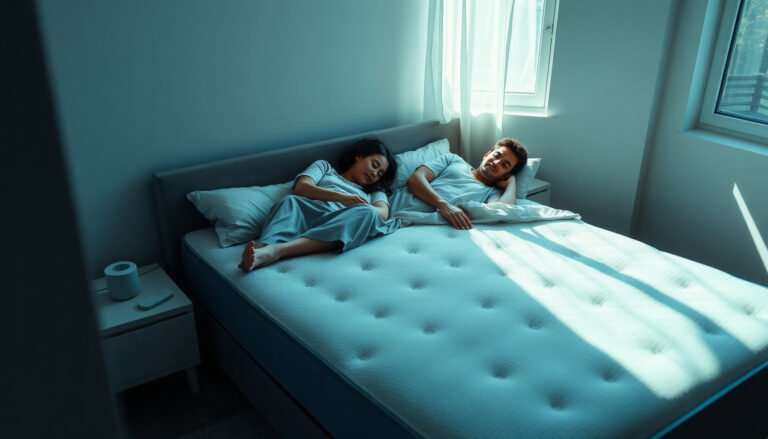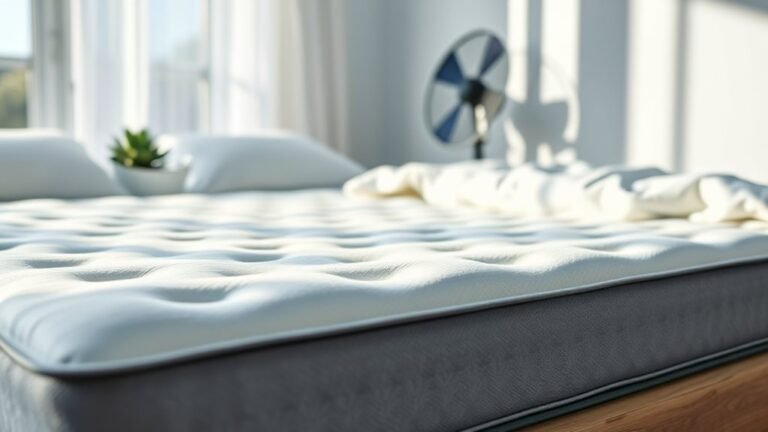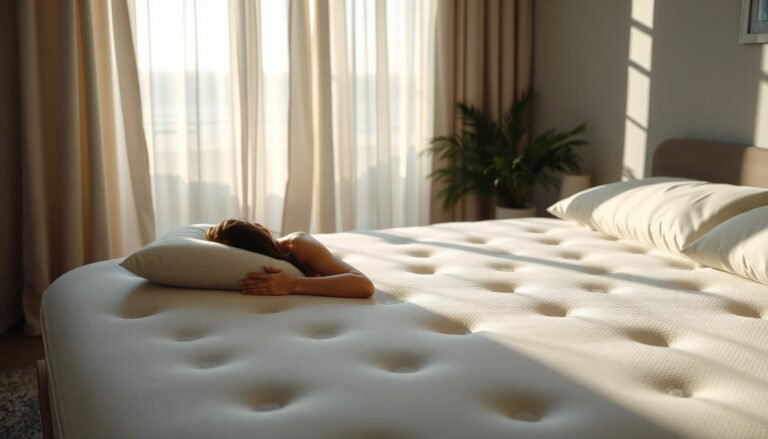
How to Choose a Latex Mattress for Stomach Sleepers with Scoliosis—Small Space
Choosing a latex mattress that supports stomach sleeping while accommodating scoliosis can feel especially tricky when your bedroom only allows a smaller footprint. The right combination of zoning, firmness, and contouring can help you reduce awkward spinal twisting without sacrificing comfort. You can narrow down the best options in a focused, doable session by matching your sleep needs to mattress height and support layers, then confirming the fit for your small space.
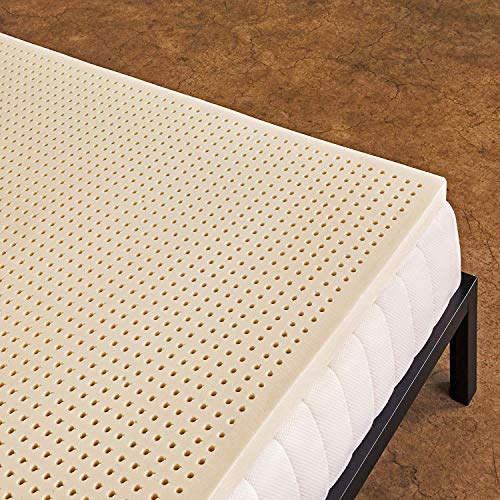


If you sleep on your stomach with scoliosis in a small space, prioritize a medium-firm latex mattress that keeps your hips from sinking and supports a flatter spinal alignment. Look for latex that’s responsive (so you don’t feel “trapped”) plus a size/thickness that fits your bed frame, moving space, and room layout. This guide walks you through what to check before you buy—without relying on trial-and-error.
If you’ve been told to avoid stomach sleeping (common with scoliosis), this still helps you make the best “when you can’t change positions” choice. We’ll focus on practical fit and support factors you can verify in product specs and return policies—especially when space, door widths, and maneuvering room are tight.
Start with the realities of scoliosis + stomach sleeping
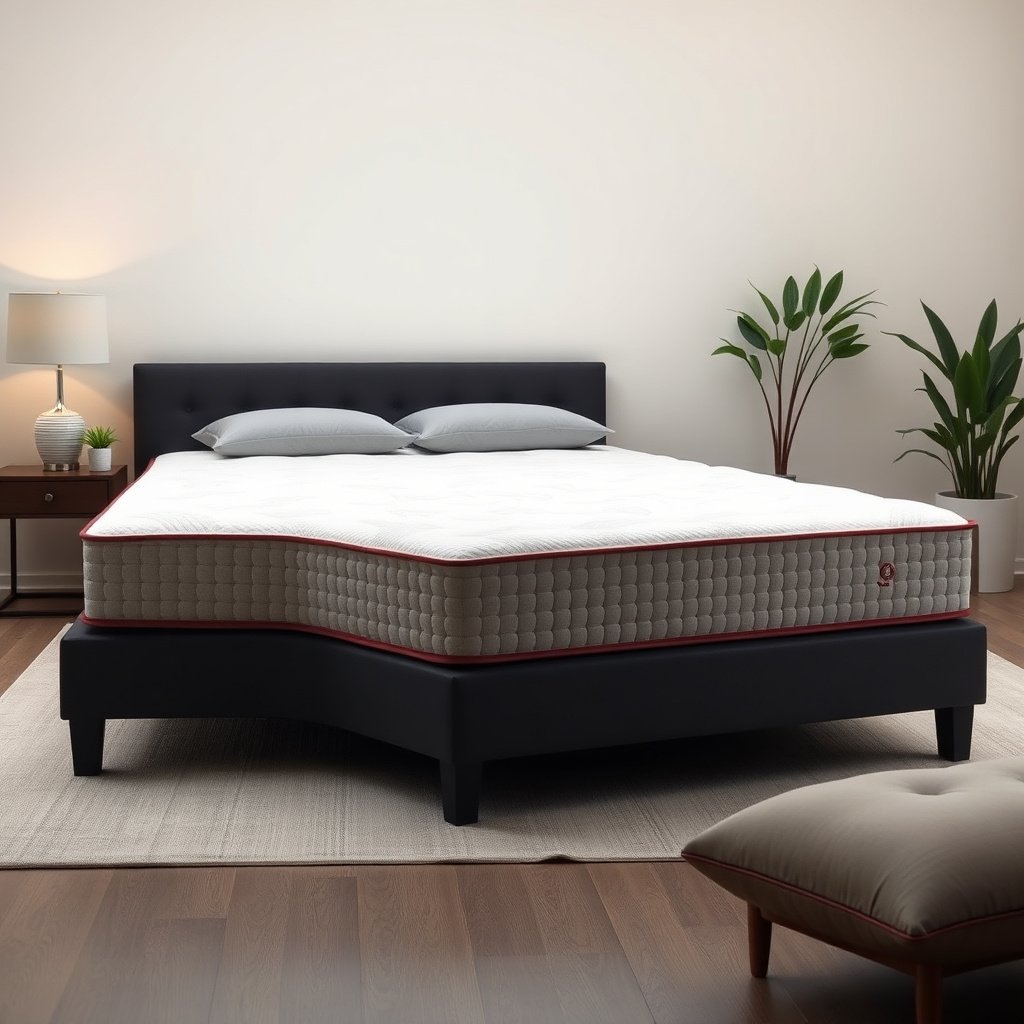
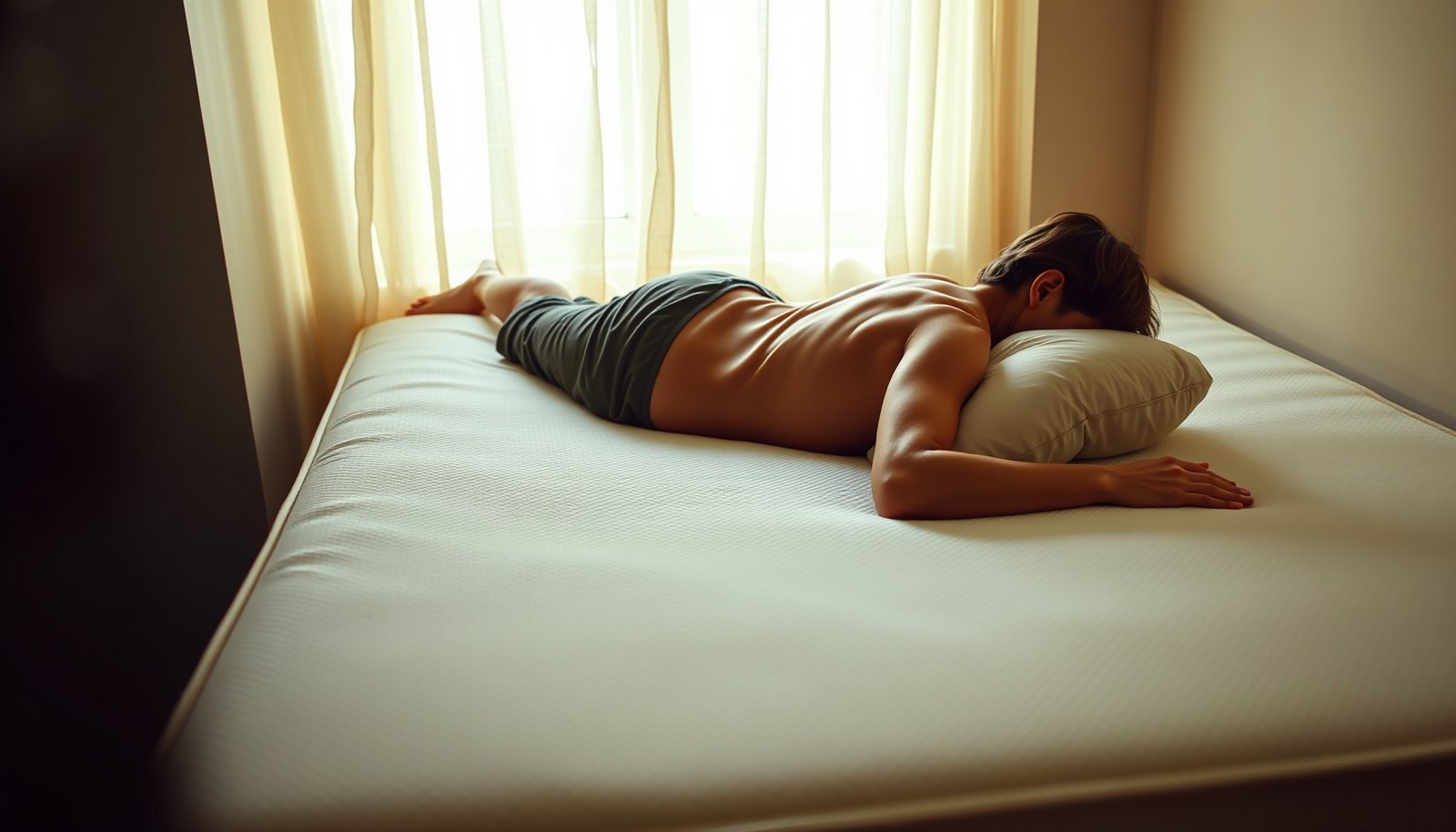
– Stomach sleeping can encourage spinal rotation and “dumping” at the hips, which may worsen alignment for some people with scoliosis. If your current curve is sensitive to twisting or uneven load, the biggest mattress risk is softness that lets your pelvis sink too far.
– A mattress can’t correct scoliosis on its own, so treat your clinician’s guidance as the baseline. A latex mattress can only influence how your body loads the support surface—it can’t realign bony structure by itself.
– If you’re choosing latex mainly to reduce sinking under your midsection, your goal is stability from shoulders through hips—not a plush “sink-and-stretch” feel. In a small space where you reposition less freely, that stability matters even more because your body may stay in the same loaded position longer.
If your scoliosis includes any tendency toward hip asymmetry (one side feels more compressed or rotated), the way you “float” versus “sink” on a latex mattress becomes a key variable. That’s why “comfort” alone (how the top layer feels when you’re not moving) is not enough. You’re choosing a latex mattress to manage load distribution across the torso and pelvis during the periods you can’t change positions.
What to look for in a latex mattress (support first, comfort second)
Choosing the right latex mattress is primarily about support mechanics—then comfort—because stomach sleeping punishes hip sinking and torso hammocking quickly.
– Choose the right firmness: for stomach sleeping, “too soft” usually means hips drop and the lower back arches. Medium-firm is often the safer starting point for keeping your pelvis from settling lower than your ribs.
– Look for pressure relief without excessive contouring: latex typically provides a balance of bounce and cushioning, which can help you reposition without feeling stuck. This is important for scoliosis because you often need micro-adjustments to keep rotation down.
– Check responsiveness and build: firmer support cores and stable top layers tend to keep your torso from “hammocking,” especially when you move in the night. On a latex mattress, hammocking often shows up as a deep waist indentation that pulls your midsection downward.
Here’s a practical comparison of latex mattress setup priorities for stomach sleepers with scoliosis—based on what tends to happen when the surface is too soft versus properly supportive:
| Option | Best for | Pros | Watch-outs |
|---|---|---|---|
| Medium-firm latex | Hip stability + neutral-ish spine | Helps reduce hip drop; supports repositioning | May feel slightly “upright” at first |
| Too-soft latex (or thick plush top) | Surface feel over alignment | Comfortable on shoulders/chest | Often increases waist compression + lower-back arch |
| Zoned firmer build (support where needed) | People who sink in the midsection | Targets pelvic support; reduces hammocking | Must match your body shape; zoning isn’t one-size-fits-all |
Even when you land on “the right” latex mattress firmness, your experience depends on top-layer thickness and how quickly the latex recovers after you move. Latex is valued for being responsive (it doesn’t trap you like very conforming memory foam), but a mattress can still be too contoured if the comfort layer is thick enough or engineered for a softer feel.
Confirm the fit for a small space (size, thickness, and handling)
Choosing a latex mattress that fits your room is the difference between stable alignment and constant repositioning stress—especially in 2026, when smaller apartments and compact bedrooms are common.
– Measure before you shop: mattress dimensions, bed frame interior size, and clearance for doors/hallways matter more than the label “fits most rooms.” A latex mattress that technically “fits” your bed frame can still be hard to maneuver if hallway turns are tight.
– If your space is tight, consider a layout-friendly size (like a smaller standard width) and confirm the mattress height won’t interfere with headboard clearance or storage drawers. For stomach sleeping, you also want a surface height that lets you settle without your feet pushing the body into twisty angles.
– Think about setup and moving: latex can be heavier than some foam options, so check whether the product is manageable for your living situation ().
Because small rooms are usually decided by width first and length second, mattress dimensions become your “alignment constraints” as much as your medical constraints. According to Sleep Foundation’s mattress size guidance (accessed 2026), a Twin is typically 38 × 75 in, while a Full is typically 54 × 75 in, and a Queen is typically 60 × 80 in (Sleep Foundation mattress size guide (accessed 2026)). If your bedroom layout only gives you room for one extra step between bed and door, those differences directly affect how easily you can make small alignment changes on a latex mattress.
U.S.-Common Mattress Sizes for Tight Bedrooms (Dimensions in inches)
| # | Mattress size | Width | Length | Small-space fit |
|---|---|---|---|---|
| 1 | Twin | 38 | 75 | ★★★★★ |
| 2 | Twin XL | 38 | 80 | ★★★★☆ |
| 3 | Full | 54 | 75 | ★★★☆☆ |
| 4 | RV Queen | 60 | 75 | ★★★☆☆ |
| 5 | Queen | 60 | 80 | ★★☆☆☆ |
| 6 | King | 76 | 80 | ★☆☆☆☆ |
| 7 | California King | 72 | 84 | ★☆☆☆☆ |
Use this sizing reality check to decide whether your latex mattress should prioritize “narrow enough to reposition” or “long enough to prevent foot pressure.” Either can affect spinal comfort when you’re committed to stomach sleeping.
Dial in alignment with setup tweaks (you can’t skip this)
Choosing a latex mattress is only half the alignment equation; your setup (especially pillow placement) is the other half.
– Use pillow placement to reduce neck strain: stomach sleepers often need a thinner pillow or sometimes no pillow under the head (depending on comfort and alignment). The less your neck rotates, the less your upper torso tends to twist your ribs.
– If your midsection sinks, try a positioning adjustment: some people benefit from a slightly supportive pillow under the lower ribs/upper pelvis area (not under the shoulders) to prevent hip “drop.” The key is to support where the spine is most likely to hinge undesirably.
– Keep the spine as neutral as possible: if you notice your waist compressing deeply or your torso twisting, the mattress is likely too soft or the surface contour is too aggressive. With latex, that’s usually a firmness/top-layer issue rather than a “you’re doing it wrong” issue.
Scoliosis is common enough that these mechanics matter for many people: According to the National Institute of Neurological Disorders and Stroke (NINDS), scoliosis affects about 2–3% of children and adolescents (accessed 2026) (NINDS (accessed 2026)). That doesn’t mean every person should stomach sleep, but it does mean “mattress behavior” is a legitimate variable clinicians and patients discuss when positioning is constrained.
A responsive latex mattress can make alignment adjustments easier because it gives you traction and recovery instead of slow, stuck contouring. Still, responsiveness doesn’t override an overly-soft core. If your pelvis drops, your spine can rotate to compensate—even on a responsive latex mattress.
What can go wrong (common buying mistakes)
Even a well-chosen latex mattress can fail if you pick based on comfort cues that don’t match stomach-sleep mechanics.
– Choosing “comfort first” softness: if the mattress feels great in-store but your hips sink at home, you’ll likely feel more strain during stomach sleep. If your stomach-sleep posture can’t keep your hips level with your ribs, you’ve likely chosen too soft a latex mattress.
– Overlooking edge support: in smaller spaces, people often sit or roll on the edge—weak edges can lead to quicker sag and uneven pressure. On a latex mattress, edge firmness still matters because you may repeatedly load the perimeter when getting in/out.
– Ignoring return/adjustment limits: if the product has a short trial window, you may not discover whether the firmness works for your scoliosis needs ().
– Assuming latex alone fixes alignment: the right mattress helps, but it won’t replace postural changes, bracing advice, or physical therapy recommendations. If your clinician has advised against stomach sleeping, your latex mattress is still support—not a medical treatment.
In my view (and this is an area where you should be cautious), the biggest failure mode in small rooms is not buying the “wrong” latex mattress—it’s buying one that you can’t return safely after you discover alignment problems. Tight hallways and delivery constraints can turn a short trial into an expensive mistake.
Verdict: a smart latex pick—if it matches your stability needs
A latex mattress is often a strong option for stomach sleepers with scoliosis in a small space because it can deliver support with less “hammocking” than softer foams. Still, it’s not the right choice if you’re very sensitive to bounce, you need a very specific pressure profile, or your clinician has strongly advised against stomach sleeping altogether.
Skip this approach if you’re unable to test/return within a reasonable window, or if you’ve noticed you can’t find an alignment setup that keeps your hips from sinking.
If you do proceed, make “stable pelvis support” your decision anchor—not how lush the top layer feels during a quick in-store moment. A medium-firm latex mattress that preserves torso alignment is usually the more reliable starting point in 2026, especially when space limits how much you can move and reset during the night.
Quick checklist (scan this before you buy)
– Firmness target: Medium-firm feel that prevents hip drop (verify via specs or return trial).
– Support over contour: Avoid overly plush top layers that create deep sinking.
– Responsiveness: You can reposition without feeling “trapped.”
– Edge stability: Stable perimeter for getting in/out and staying consistent.
– Small-space fit: Confirm exact dimensions + mattress height clearance.
– Handling reality: Check listed weight/roll-up method (and whether you can move it safely).
– Trial/returns: Look for a trial window long enough to evaluate comfort and alignment.
Frequently Asked Questions
What type of latex mattress is best for stomach sleepers with scoliosis in a small space?
For stomach sleepers with scoliosis, look for a medium-firm latex mattress that provides even support without letting the hips sink too far. Dunlop latex often feels more supportive and slightly firmer, while Talalay tends to be a bit more buoyant—either can work if the comfort layer doesn’t compromise spinal alignment. In a small space, prioritize a mattress size that fits your room layout while still maintaining full support across your entire torso and legs.
How do I choose the right firmness level for a stomach sleeper with scoliosis using a latex mattress?
Aim for medium-firm to help keep your spine from curving more when you sleep on your stomach. Too soft can cause hip sagging and increase spinal misalignment, which can worsen scoliosis symptoms. If you’re unsure, consider a latex mattress with a supportive base (often thicker) and a thinner comfort layer so you get pressure relief without losing alignment.
Which latex mattress thickness works well for small apartments and stomach sleepers with scoliosis?
In small spaces, a thinner mattress can be practical, but it must still have enough latex support to prevent excessive sinkage. Typically, a latex mattress around medium thickness (often ~8–12 inches, depending on the build) helps maintain stable alignment for stomach sleepers. If your space requires a low-profile bed, choose a design with a strong latex core so you don’t compromise lumbar and pelvic support.
Why does mattress support matter more for stomach sleeping with scoliosis, and how can latex help?
Stomach sleeping can increase strain because your hips may rotate and pull your lower back out of neutral alignment. Latex mattresses are responsive and supportive, helping distribute weight more evenly than many memory foam options, which can reduce unwanted sink and twisting. Choosing a supportive latex base and a comfort layer that keeps your torso level can make a noticeable difference in comfort for scoliosis.
Best practices: How can I test a latex mattress for scoliosis alignment before buying, especially for a compact setup?
If possible, test the mattress in your actual sleep position (on your stomach) for at least 10–15 minutes and pay attention to whether your hips sink or your lower back feels compressed. Use a simple alignment check: your neck should feel comfortable, and your spine should feel “held” rather than twisted. For small spaces, make sure the mattress fully supports on the bed frame (no sagging slats) and verify the latex mattress height fits your bedding and movement needs.
📅 Last Updated: November 14, 2026 | Topic: How to Choose a Latex Mattress for Stomach Sleepers with Scoliosis in a Small Space | Content verified for accuracy and freshness.
References
- Latex foam
- Scoliosis – NHS
- https://orthoinfo.aaos.org/en/diseases–conditions/scoliosis/
- latex foam pressure distribution sleep – Search Results – PubMed
- mattress firmness low back pain randomized trial – Search Results – PubMed
- Back Pain Symptoms, Types, & Causes | NIAMS
- Septic arthritis – Symptoms and causes – Mayo Clinic
- https://scholar.google.com/scholar?q=scoliosis+sleep+position+stomach+sleeper+recommendations+serpentine+spinal+alignment Google Scholar
- https://scholar.google.com/scholar?q=natural+latex+foam+mattress+pressure+relief+pressure+distribution+study Google Scholar
- https://scholar.google.com/scholar?q=mattress+firmness+low+back+pain+randomized+trial+systematic+review Google Scholar