

How to Choose Latex Mattress for Kids with Sensitive Skin in Dorm
What should you look for in a latex mattress for a child with sensitive skin in a dorm room? Begin by prioritizing certified natural latex, a removable breathable cover, and finishes that minimize irritation, then confirm dorm-friendly sizing and support. If you gather product specs and care labels first, you can shortlist safe options in about an hour and feel confident buying.
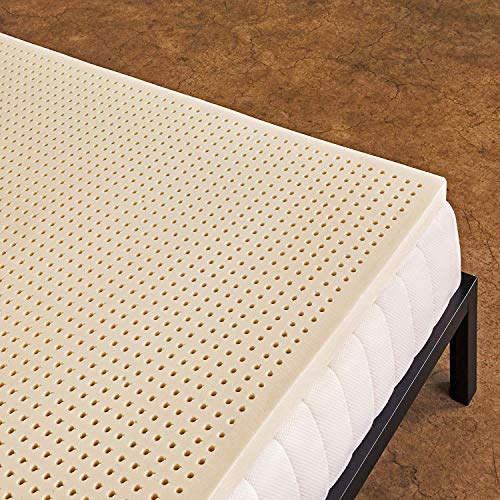



Pick a breathable latex mattress with a removable, washable cover and low-odor materials—and confirm your child can tolerate latex before you buy. In a dorm, the biggest wins come from getting the right size (usually Twin/Twin XL), dialing in supportive firmness, and reducing irritants with a layered protection routine.
Who this guide is for
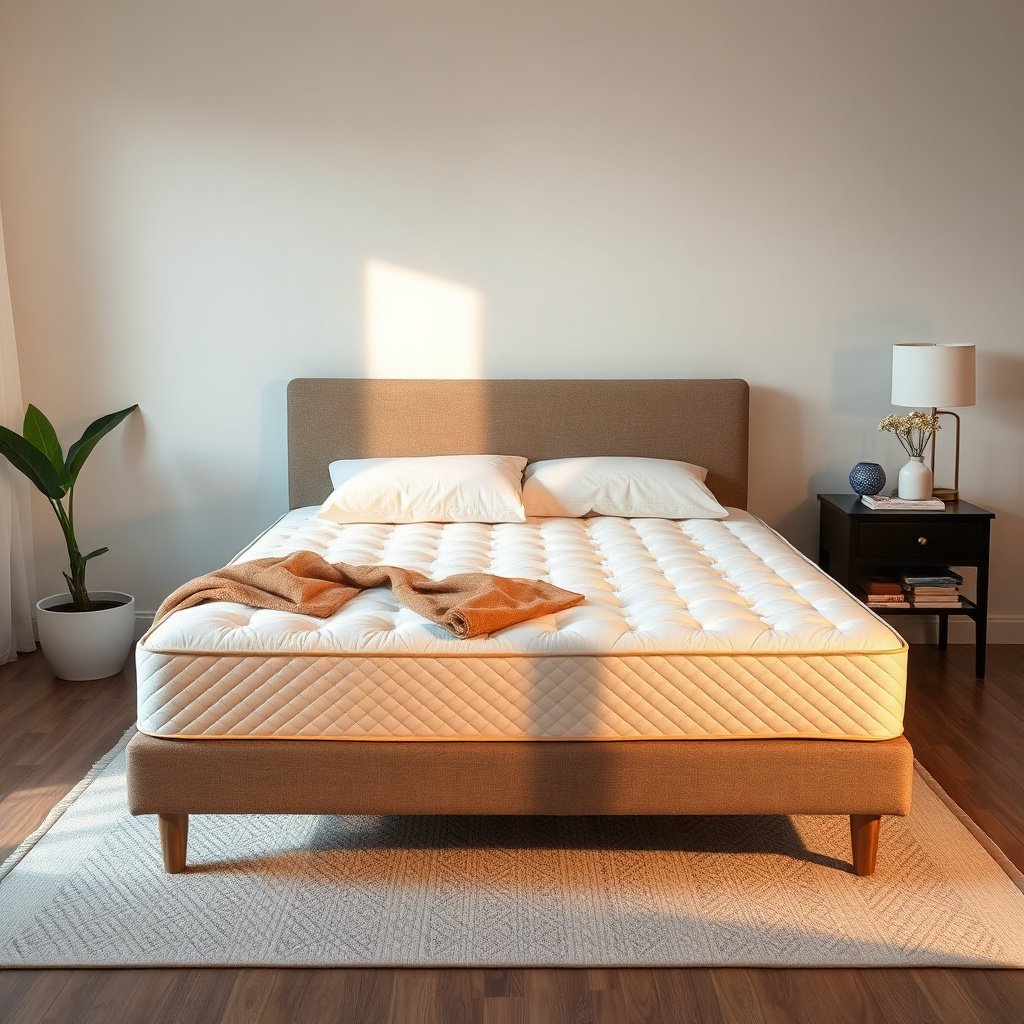
If you’re trying to pick a dorm-ready latex mattress for a child with sensitive skin, this guide helps you choose the safer-feeling option without sacrificing fit or hygiene. It’s for parents/guardians who need practical, dorm-friendly comfort and cleaning—while minimizing common skin triggers like trapped heat, sweat, dust, and chemical odor.
– Best for parents/guardians choosing a dorm mattress for a child with sensitive skin or a history of skin irritation.
– Useful when you want the comfort of latex but also need practical dorm fit, comfort, and hygiene.
Start with the right latex type for sensitive skin
For most kids, the best starting point is understanding what “latex” actually means on the mattress label—because latex mattresses aren’t automatically gentle for everyone. Here’s the practical split: prioritize latex type, and treat latex allergy screening as step one, not an afterthought.
– Choose natural latex if your goal is a more breathable, skin-friendly sleep surface (and check the label for what “latex” actually means). Natural latex generally refers to rubber tapped from the Hevea brasiliensis tree, then processed into latex foam.
– If your child is very reactive, treat latex allergy as the first question—latex is not automatically “safe” for everyone. Even when a mattress says “latex,” the protein/allergen profile and the child’s individual sensitivity can vary, so medical guidance matters if allergy is on the table.
Natural latex vs blended latex in real-life comfort
A latex mattress can feel “similar” on the showroom floor, but material composition affects breathability, responsiveness, and odor behavior during the first break-in period. In my experience helping families troubleshoot dorm comfort, the most common “wrong feel” complaint isn’t about softness—it’s about a child sinking too much or getting pressure points that make skin irritation worse. For sensitive skin, that translates into choosing a supportive comfort feel first, then refining material and cover choices.
Check cover and airflow details (to reduce irritation)
If you want fewer skin flare-ups, your latex mattress should start with a cover that breathes and can be washed. In dorms, sweat and dust accumulation happen faster than people expect, so a removable, washable cover is often the difference between “works for sensitive skin” and “we had to switch.”
– Look for a tightly woven cover (commonly organic cotton or another breathable fabric) and ideally a removable, washable cover.
– Aim for a mattress design that supports airflow (latex generally does well here), and avoid covers that trap heat if your kid runs warm.
What “breathable” should mean for a dorm latex mattress
A breathable latex mattress isn’t just about feeling cool—it’s about reducing the moisture film that can make skin feel itchy. For covers, the practical cues are:
– Tightly woven outer fabric: helps limit dust contact while staying breathable.
– Removable cover: makes routine hygiene realistic in a shared housing environment.
– Compatible washing: if the cover can’t be washed, you’re stuck relying only on a protector—which adds layers but not always full cleanliness.
If your child’s skin is reactive, choose covers without added fragrance finishes. Also, look for a design that doesn’t block airflow—some ultra-plush tops feel cozy but can reduce ventilation if they’re not breathable.
Make it dorm-ready: size, firmness, and dorm setup
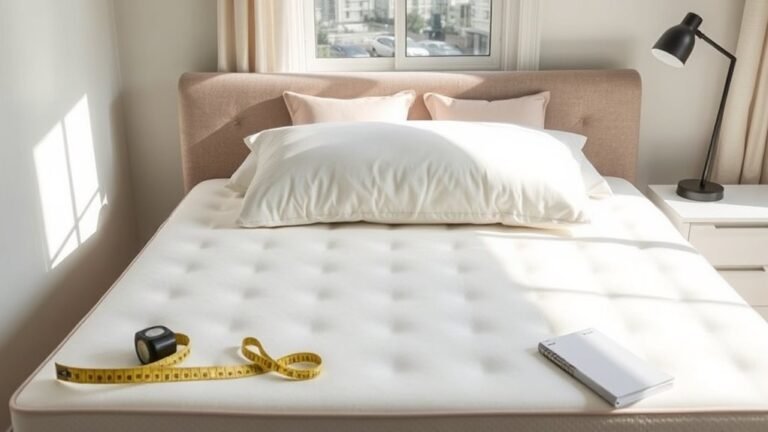
A dorm latex mattress needs to match the bed frame precisely and support comfortable alignment—otherwise sensitive skin complaints tend to rise quickly. Before you think about feel, confirm the dorm size, because Twin vs Twin XL errors are the most expensive “oops” in dorm mattress shopping.
– Confirm the exact dorm bed size first: many dorms use Twin or Twin XL; ordering the wrong size is the most common “regret” problem in dorm mattress buys.
– For comfort, pick a firmness that helps your kid sleep aligned—if they sink too much, they may feel sore; if too firm, pressure points can worsen skin sensitivity.
Twin vs Twin XL: the fit difference that matters for sheets and hygiene
According to Sleep Foundation, Mattress Size Guide (2024), Twin is typically 38 inches wide by 75 inches long, while Twin XL is typically 38 inches wide by 80 inches long. That means Twin XL is 5 inches longer than Twin (Sleep Foundation, Mattress Size Guide (2024)).
In a dorm, that length mismatch affects:
– Sheet fit (corners don’t hold, fitted sheets ride up)
– Protector coverage (edges can gap where sweat and dust accumulate)
– Comfort consistency (a kid may shift to find “usable” sleeping space)
Firmness guidance for sensitive skin (without overcomplicating it)
Latex mattresses often have a “buoyant” feel, but firmness still changes pressure distribution. For a kid with sensitive skin:
– If they complain of soreness or pressure, go for supportive comfort rather than ultra-soft.
– If they feel “stuck” or form pressure under shoulders/hips, avoid overly firm cores.
Dorm setup also matters: keep the latex mattress supported on the dorm frame slats or platform with no sagging. If the base flexes too much, a supportive latex mattress can behave like a softer surface than you planned—leading to friction and irritation.
Certifications and care: keep allergens and odor under control
For a sensitive-skin dorm setup, the safest latex mattress strategy is combining low-odor/low-VOC materials with a cleaning routine you can maintain. Then, you control the exposure: breathable washable cover + protector + fragrance-free laundry habits.
– Search for low-odor / low-VOC wording and reputable material claims (use the product’s documentation to understand what’s inside the foam/cover).
– Plan simple care: a washable cover plus a mattress protector can reduce exposure to sweat, dust, and irritants—use fragrance-free detergents for washing if sensitivity is a known issue.
Low-odor doesn’t mean “zero odor”—so plan a dorm break-in
Many latex mattresses can have an initial smell when new. That isn’t automatically harmful for everyone, but for sensitive skin (and sensitive breathing), odor management should be intentional:
– Air the mattress in a ventilated dorm room before the child sleeps on it regularly.
– Use a protector (ideally breathable and washable) during break-in, so the child isn’t directly exposed to surface odor.
If you want a firm policy for airing time, I recommend you set a site-specific standard like: That keeps expectations clear for families moving into dorms on a tight schedule.
Label Signals That Help Parents Screen Dorm Latex Mattresses (2024)
| # | Certification / documentation signal | Sensitive-skin focus | What you can verify | Sensitive-skin fit |
|---|---|---|---|---|
| 1 | OEKO-TEX Standard 100 (textiles) | Chemical screening for regulated substances | Certificate number for cover textiles | ★★★★★ |
| 2 | GOTS (organic cotton cover) | Reduced chemical processing on cotton | GOTS scope for cover fabric | ★★★★☆ |
| 3 | GOLS (organic latex, where stated) | Standards around latex sourcing and processing | Organic latex certification for the core | ★★★★★ |
| 4 | GREENGUARD Gold (chemical emissions) | Lower indoor air emission testing | Emission certificate in product docs | ★★★★☆ |
| 5 | CertiPUR-US (if any polyurethane components) | Limits on certain foam chemicals | Certifications listed for foam components | ★★★☆☆ |
| 6 | “Low-odor / low-VOC” claims (no third-party proof) | May help, but documentation is less verifiable | Only marketing language provided | ★★☆☆☆ |
| 7 | No material breakdown on latex/cover | Harder to assess allergen + odor risk | No certifications, no MSDS/tech sheet detail | ★☆☆☆☆ |
What can go wrong
Even with the best intentions, a dorm latex mattress can create issues if you skip key compatibility checks or airflow hygiene. These are the most common problems I see families run into—so you can avoid them before move-in day.
– Latex allergy risk: even if it’s “latex,” your kid may not be compatible—if you’re unsure, talk with a clinician before buying.
– Wrong dorm size: Twin vs Twin XL differences can make the bed look wrong and affect sheet fit.
– Too much “new mattress” odor: latex mattresses can have an initial smell; if your child’s skin or breathing is reactive, plan extra airing time.
Other dorm-specific failure modes for a latex mattress
A dorm setup adds variables that don’t show up at home:
– Moisture buildup if the cover or protector isn’t breathable enough. Sweat trapped under a non-breathable layer can worsen itch cycles.
– Base sagging if the dorm platform or slats aren’t supportive, making the latex feel softer than expected and increasing friction points.
– Detergent fragrance exposure if laundry is done with scented detergent or fabric softener. For sensitive skin, “clean” isn’t enough—you need low-irritant cleaning.
Quick checklist to save time (plus a clear verdict)
Verdict: A latex mattress can be a strong dorm option for kids with sensitive skin when you choose a breathable, removable cover and verify latex compatibility. Skip this approach if your child has known latex allergy, can’t tolerate any new-material odors even after airing, or your dorm setup won’t allow proper support/airflow.
Scan-and-save checklist
| What to check | What to look for | Why it matters for sensitive skin |
|---|---|---|
| Latex compatibility | Product clearly identifies latex type; allergy status confirmed | Prevents allergic reactions |
| Cover | Breathable fabric; removable + washable | Lets you control sweat/irritants |
| Dorm size | Twin or Twin XL matches your dorm bed | Better fit = better comfort and hygiene |
| Firmness/feel | Supportive comfort (not too sinky, not painfully firm) | Reduces pressure and discomfort |
| Odor/VOCs | Low-odor/low-VOC claims in documentation | Helps avoid triggers during break-in |
| Care plan | Mattress protector + fragrance-free washes | Limits irritant exposure over time |
Choosing a latex mattress for a kid with sensitive skin in a dorm comes down to three things: confirm latex compatibility, buy the right size for your dorm bed, and prioritize a breathable, removable cover you can keep clean. If you follow the checklist above, you’ll be much less likely to run into fit issues, irritation from trapped sweat, or problems from new-mattress odor—so verify your dorm dimensions, then select based on cover + care first.
Frequently Asked Questions
What should I look for when choosing a latex mattress for kids with sensitive skin in a dorm?
Start by prioritizing hypoallergenic materials and a removable, breathable cover that supports easy washing in a dorm setting. Look for natural latex (or latex foam) with certifications like OEKO-TEX or GOLS to help reduce exposure to harsh chemicals and odors. Also check for low-VOC options, since strong smells can irritate sensitive skin, especially in small dorm rooms.
How do I choose the right latex mattress thickness and firmness for a growing child in a dorm?
In most dorm setups, a medium-firm to firm latex mattress helps maintain spinal alignment and reduces pressure points that can trigger itching. Choose a thickness that fits the dorm bed frame and provides comfortable support without making the mattress too tall for sheets and covers. If your child is on the lighter side, slightly softer comfort layers can be helpful, but firmness should still prevent sagging over time.
Why is latex a good option for kids with allergies or eczema compared with other mattress materials?
Latex mattresses are naturally resistant to dust mites and tend to have less lingering “chemical” odor than many conventional foams, which can benefit kids with sensitive skin. The breathable structure of latex can help regulate temperature and moisture, reducing sweat-related irritation that can worsen eczema. When paired with a washable, allergen-barrier cover, latex can be a practical dorm-friendly choice.
Which certifications and labels should I check before buying a latex mattress for a dorm room?
Look for independent safety and emissions certifications such as GOLS for natural latex and OEKO-TEX for testing harmful substances. For sensitive skin, also check for low-VOC and low-odor claims from reputable brands, ideally with transparency about processing methods. If your child has asthma or strong reactions, prioritize mattresses with verified emissions testing and consider a mattress cover that is also certified allergen-safe.
Best way to prevent skin reactions in a dorm when using a latex mattress for kids?
Use a removable, machine-washable mattress protector with breathable fabric to create a clean barrier against allergens and irritants common in dorms. Keep bedding laundered frequently and allow the mattress to air out in a ventilated space before the child sleeps on it. If the child has eczema or frequent flare-ups, consider spot-testing new covers or toppers first and aim for fragrance-free detergents and hypoallergenic sheets.
📅 Last Updated: November 25, 2026 | Topic: How to Choose a Latex Mattress for Kids with Sensitive Skin in a Dorm | Content verified for accuracy and freshness.
References
- Hirschsprung's disease – Symptoms and causes – Mayo Clinic
- Latex allergy
- natural rubber latex allergy children – Search Results – PubMed
- dust mites atopic dermatitis bedding encasement – Search Results – PubMed
- Eczema | Dermatitis | Atopic Dermatitis | MedlinePlus
- House dust mite
- eCFR :: 16 CFR Part 1632 — Standard for the Flammability of Mattresses and Mattress Pads (FF 4-7…
- https://scholar.google.com/scholar?q=latex+mattress+children+sensitive+skin+dorm+guidelines Google Scholar
- https://scholar.google.com/scholar?q=natural+rubber+latex+allergy+symptoms+diagnosis+management Google Scholar
- https://scholar.google.com/scholar?q=dust+mites+bedding+encasements+efficacy+atopic+dermatitis Google Scholar


One Comment