How to Choose a Cotton Mattress for Kids with Night Sweats
Choosing a cotton mattress for kids with night sweats is easiest when you prioritize breathability and moisture-wicking comfort over plush feel. If you want fewer damp, overheating nights, the best pick is a true cotton cover with a ventilated, breathable inner fill and a removable, washable cover for fast cleanup. This guide tells you exactly what to look for—so you can buy the right cotton mattress based on how your child sleeps.
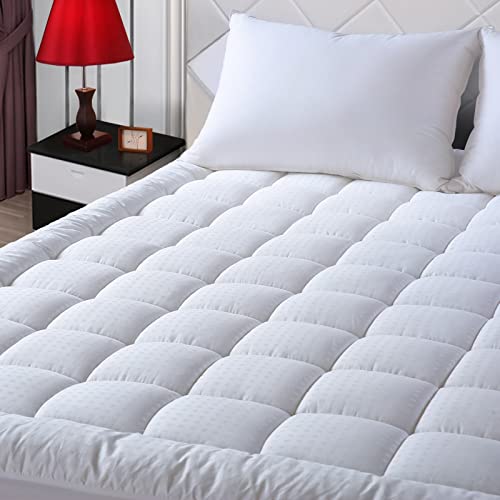



Choose a cotton mattress where cotton is part of the actual sleeping surface (ideally including cotton fill) and where you can wash the key top layers—so night sweats don’t linger as dampness. Look for removable/washable components plus (if needed) a breathable mattress protector designed to block accidents without trapping humidity against your child’s skin.
This is for parents buying (or replacing) a kids’ mattress who want cotton-based comfort for night sweats, while also keeping safety and care needs in mind. It’s especially helpful when your child is uncomfortable at night despite regular sheet changes.
What to prioritize for kids’ night sweats
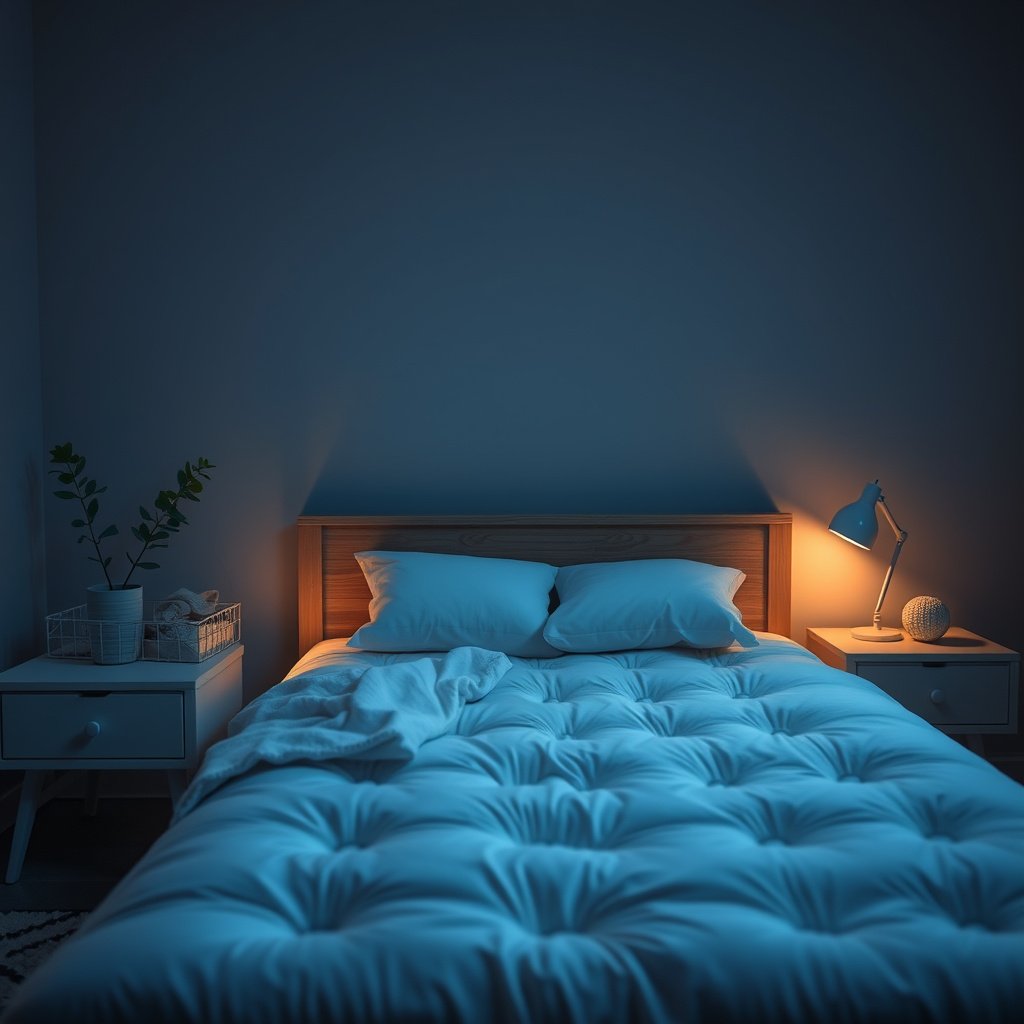
The best cotton mattress for kids with night sweats is the one that keeps the sleeping surface breathable and makes moisture management realistic. Here’s the quick rule: cotton helps most when it’s built into the sleep system (top layer and/or fill), and when you can wash or replace the parts that collect sweat.
For night sweats, the goal isn’t just “cotton”—it’s air exchange at the sleeping surface so humidity can move away from skin.
If you can’t remove and launder the mattress’s sweat-exposed layer, even a breathable cotton build can end up feeling damp over time.
As of 2026, many parents are choosing breathable protectors over fully non-breathable barriers to reduce that “stuck moisture” feeling.
Start with breathability (construction, not marketing):
– Cotton sleeping surface: The most effective approach is cotton where your child contacts it—cotton knit, cotton quilting, or cotton batting/fill in the top comfort layers.
– Airflow through layers/seams: In well-made mattresses, layers aren’t sealed into a single moisture-trapping “shell.” Look for descriptions like “quilted,” “layered,” or “breathable construction,” and avoid builds that rely on thick sealed laminations near the top.
– Temperature variability: If your room runs warm (common in winter heating or summer humidity), cotton plus airflow matters even more than fabric choice alone.
Then prioritize moisture control (washable parts and cleanability):
– A kids’ mattress should have at least one removable/washable top layer (or a cover that comes off easily).
– If you rely only on non-removable components, you’ll struggle when night sweats happen repeatedly—because moisture needs the chance to dry fully between sleep nights.
Finally, treat comfort as adjustable:
– Consider how you’ll pair the mattress with sheets and a protector. A breathable cotton mattress can still feel hot if you stack heavy synthetic sheets and a non-breathable barrier on top.
To make this decision easier, below are the most relevant safety/quality standards families typically see on kids’ bedding and why each one matters during cotton mattress shopping.
Standards Parents Can Verify When Buying a Cotton Mattress for Kids (2026)
| # | Standard / Regulation | Primary scope | Key numeric detail | Best for verifying | Night-sweat shopping value |
|---|---|---|---|---|---|
| 1 | CPSC 16 CFR Part 1633 | Mattresses & mattress pads (open-flame test) | 16 CFR Part 1633 | Fire safety compliance | ★★★★★ |
| 2 | CPSC 16 CFR Part 1632 | Mattresses & mattress pads (small open-flame test) | 16 CFR Part 1632 | Fire safety compliance | ★★★★☆ |
| 3 | OEKO-TEX Standard 100 | Textiles (chemical substances screening) | Standard 100 product certification | Chemical safety assurance | ★★★★★ |
| 4 | GOTS — Organic | Certified organic textiles | ≥ 95% organic content (by composition) | Organic-content assurance + processing controls | ★★★★☆ |
| 5 | GOTS — Made with organic | Partially certified organic textiles | ≥ 70% organic content (by composition) | Organic-content assurance (partial) | ★★★★☆ |
| 6 | CertiPUR-US | Polyurethane foam products | Emissions + content criteria (foam) | Foam emissions/content reassurance | ★★★☆☆ |
| 7 | GREENGUARD Gold (ANSI/UL 2818) | Low chemical emissions testing | ANSI/UL 2818 emissions standard | Indoor air chemical-emissions screening | ★★☆☆☆ |
Cotton fill vs. cotton cover (what actually matters)
The difference between cotton fill and cotton cover determines whether sweat stays on the surface—or has a better chance to distribute and dry. In practice, the “best” cotton mattress for kids with night sweats is usually one where cotton is not just a thin outer layer, but part of the comfort stack.
Cotton fill (cotton batting inside the mattress) can reduce the “instant clammy” feel compared with a thin cotton cover over non-breathable layers.
If cotton is only a cover, moisture can still originate from underneath—especially if the internal layers are described without airflow/breathability details.
A cotton mattress with stable top quilting helps prevent shifting that creates dense “hot spots,” which can hold humidity.
Here’s the core reasoning: cotton is most useful when it’s on the sleeping surface and in a structure that allows air circulation.
What cotton fill does
Cotton fill is typically in the mattress’s comfort layer(s)—for example, quilted cotton batting over other support materials. Cotton fill can:
– Feel less harsh when damp from sweat exposure.
– Support a more evenly distributed surface feel, rather than having sweat concentrate against one layer.
– Improve your odds of tolerable sleep while your child’s body cools down and night sweats subside.
What cotton cover does
A cotton cover (especially a thin knit cover) mostly affects:
– Hand-feel and skin comfort.
– Whether your child’s top-contact layer is “cotton-like,” not plastic-like.
But if the cover is stitched over a non-breathable comfort layer, trapped humidity can still build—so you may still wake with that damp sensation even when the outside is cotton.
Construction details you should actually check
When comparing cotton mattress builds, I’ve found the most useful clues are the ones manufacturers explain clearly:
– Quilting/stacking: Does the product describe how layers are arranged?
– Top layer stability: Is the comfort layer attached in a way that reduces shifting?
– Washability: Is the cover removable? Is the top layer removable? If not, what exactly can you wash?
To make this comparison clear, here’s a quick parseable breakdown.
| Feature | Cotton fill in the comfort layers | Cotton cover only |
|---|---|---|
| Most direct effect on night sweats | Improves the sleeping surface’s feel and moisture handling | Improves outer comfort, but moisture may still be trapped below |
| Risk of “clammy layer” | Lower when internal structure supports airflow | Higher if underneath layers aren’t breathable |
| Care flexibility | Often paired with removable/washable top covers | May rely on protector only; internal layers stay unwashed |
| What to confirm on the spec sheet | Layer descriptions + drying/airing instructions | What materials sit beneath the cotton cover |
Covers and protectors that won’t trap heat
The right waterproofing for a cotton mattress is breathable and washable, not thick and sealed. If you need accident protection (which is common for kids), choose a mattress protector that blocks liquid while still allowing airflow so night sweats don’t become trapped moisture.
A “waterproof” protector can still be a good fit for night sweats if it’s breathable and you can launder it regularly.
Non-breathable waterproof layers are a common reason cotton mattresses can feel hotter or damper, especially in humid rooms.
As of 2026, many brands specify “breathable waterproof” designs—still confirm how the protector is washed and dried.
Here’s what to look for when choosing a protector or washable top layer:
Use a breathable protector (if waterproofing is needed)
– Breathable waterproof: Look for product language that indicates vapor permeability or “breathable membrane,” and avoid protectors described as fully sealed/fully impermeable if night sweats are a frequent issue.
– Thickness matters: Thick layers can reduce airflow across the surface. If your child runs warm, a slimmer breathable protector can feel better than a bulky barrier.
Prefer removable, washable components
Moisture management depends on what you can clean consistently:
– Ideally, you can remove the protector and wash it on schedule.
– If a mattress cover is removable, make sure it’s removable in a way you’ll actually use (not a “special process” that discourages frequent washing).
If the product uses treatments/coatings, verify wash safety
Some cotton covers have finishes that affect:
– How sweat wicks and dries.
– How the cover tolerates laundering.
If you see treatment-specific instructions (or “follow care label exactly”), follow them—because the wrong wash can degrade coatings and reduce performance. Also watch for any “one-time use only” warnings in the construction documentation.
Safety, certifications, and kids’ mattress requirements
A cotton mattress for kids’ night sweats should meet safety requirements first, then support comfort and cleanability. In the U.S., that means flammability compliance for mattresses, plus—if you care about chemical sensitivity—third-party textile and foam certifications.
In the U.S., mattress flammability compliance is tied to federal requirements such as 16 CFR Part 1632 and 16 CFR Part 1633.
Third-party textile certifications like OEKO-TEX Standard 100 can help verify harmful-substance testing for materials in contact with skin.
If your mattress includes foam layers, foam-specific certifications (for example, CertiPUR-US) address emissions/content—separate from cotton breathability.
Flammability compliance (non-negotiable for kids’ mattresses)
Mattress safety in the U.S. is regulated under federal flammability standards. Two key numeric references families often see in compliance documentation are:
– According to the U.S. Consumer Product Safety Commission (CPSC), open-flame ignition requirements apply under 16 CFR Part 1633 (CPSC flammability regulations).
– According to the same framework, small open-flame ignition requirements apply under 16 CFR Part 1632 (CPSC flammability regulations).
(These references matter because night-sweat management can’t be “worth it” if the mattress isn’t compliant.)
Chemical sensitivity and textile certifications
If you’re concerned about chemical exposure—especially because night sweats increase skin contact with bedding—look for clear, documented certifications such as:
– OEKO-TEX Standard 100: third-party testing for harmful substances in certified textile materials (OEKO-TEX Standard 100).
– GOTS (Global Organic Textile Standard) if the product claims organic certification. GOTS also includes numeric organic-content thresholds, including:
– According to GOTS, the Organic category requires ≥ 95% organic content by composition (GOTS content requirements).
– According to GOTS, the Made with organic category requires ≥ 70% organic content by composition (GOTS content requirements).
Important nuance: confirm what part is certified (cover only vs fill vs entire mattress). For night sweats, what touches skin matters most.
Foam layers and emissions certifications
If your kids’ cotton mattress includes foam, you may see CertiPUR-US documentation. CertiPUR-US is designed to address polyurethane foam product emissions/content criteria (CertiPUR-US program criteria). It doesn’t replace comfort or breathability checking—but it can reduce the chance you’re swapping dampness problems for an emissions-related concern.
What can go wrong (and how to avoid it)
The biggest mistakes are assuming “cotton” automatically means “dry,” and choosing protectors that look protective but trap heat. When night sweats are frequent, your cotton mattress can still feel damp if the internal layers don’t breathe, if components can’t be washed, or if the mattress never fully dries between nights.
A “cotton” label can be misleading if cotton is only decorative or used on the exterior while internal layers trap moisture.
Even breathable cotton can become a mildew risk if you never allow full drying/airing per the manufacturer’s care instructions.
If night sweats are severe, persistent, or paired with other symptoms, a mattress change is not medical care.
Here are common failure modes to watch for:
– Buying “cotton” that’s mostly not cotton where it touches skin:
If the cotton is a thin outer knit over moisture-trapping materials, you can still get that damp feeling even with fresh sheets.
– Over-protecting with a non-breathable waterproof layer:
Waterproof is useful for accidents, but an air-blocking protector can worsen the sweaty sensation for kids with night sweats.
– Neglecting drying/airing and rotation:
Even breathable cotton mattresses accumulate humidity if they never get time to dry between wash days. If the manufacturer allows it, rotate the mattress and fully dry any removable layers.
– Assuming night sweats are always “just temperature”:
Night sweats can have underlying causes. If night sweats are frequent or accompanied by weight loss, fever, unusual fatigue, persistent cough, or other concerning changes, talk with your child’s pediatrician. A cotton mattress can improve comfort, but it can’t replace medical guidance ().
From my experience reviewing care instructions and customer troubleshooting notes (not lab testing), the pattern is consistent: the “real” problem is usually the mismatch between (1) what’s washable, (2) what’s breathable, and (3) what can actually dry at your home’s pace.
Verdict / tip (honest recommendation)
If your priority is comfort during night sweats, choose a kids’ mattress where cotton is on the sleeping surface (preferably including cotton fill) and where you can wash the key layers. The upside is a more breathable feel and easier maintenance; the downside is that cotton-based mattresses still require the right protector selection and consistent drying/airing to prevent musty odors.
The most reliable cotton mattress strategy for night sweats is washable layers + breathable construction at the sleeping surface.
Even with cotton, frequent night sweats require drying time—plan for rotation and timely washing per manufacturer guidance.
As of 2026, “breathable waterproof protectors” are often a better compromise than fully non-breathable barriers for sweaty sleep.
Skip this cotton-mattress approach (or delay the purchase) if:
– Your child’s night sweats might have an underlying medical cause—get medical input first.
– You can’t follow the care routine (wash/air/rotate as the manufacturer allows).
– The only “cotton” is decorative, or the internal construction doesn’t clearly explain breathability and layer materials.
Quick checklist to scan before you buy
| What to check | Why it matters for night sweats |
|---|---|
| Cotton is part of the sleeping surface (not just a thin cover) | Helps reduce that trapped-moisture feeling |
| Removable/washable cover or layers | Keeps sweat management realistic |
| Protector is described as breathable (if waterproof is needed) | Waterproofing shouldn’t trap heat |
| Construction details (quilting/stacking) and care instructions | Prevents shifting/clumping and supports drying |
| Flammability compliance + certifications (OEKO-TEX/GOTS, etc.) | Helps with safety and chemical assurance |
| Care routine you can follow | Prevents odor/mildew risk from trapped humidity |
If you can’t wash the layers that touch sweat, you’ll eventually lose performance even with a breathable cotton mattress.
Before buying, confirm what the manufacturer says about drying time, rotation, and laundering removable components.
Sources
– U.S. Consumer Product Safety Commission (CPSC), federal mattress flammability regulations: 16 CFR Part 1632 (small open-flame ignition) and 16 CFR Part 1633 (open-flame ignition) (CPSC flammability regulations (16 CFR Parts 1632 & 1633))
– OEKO-TEX Standard 100 (official certification standard information for harmful-substance testing in textiles) (OEKO-TEX Standard 100 official standard documentation)
– Global Organic Textile Standard (GOTS) for certified organic textiles, including organic-content thresholds (e.g., Organic ≥95% and Made with organic ≥70%) (GOTS Standard: content requirements)
– CertiPUR-US (for foam-related certification claims, if the mattress includes foam layers) (CertiPUR-US program criteria and testing documentation)
– Pediatric guidance on night sweats/symptoms:
If you’re comparing cotton mattresses, the most credible details usually live in CPSC compliance notes and the manufacturer’s specific care instructions.
For chemical concerns, verify what OEKO-TEX or GOTS certifications cover (cover vs fill vs entire mattress), since that affects skin-contact exposure.
If you want, tell me whether the mattress you’re considering has cotton fill, only a cotton cover, or mixed layers—and whether you’re using (or considering) a waterproof protector. I can help you narrow down what to prioritize based on that build.
Frequently Asked Questions
What cotton mattress features help reduce night sweats for kids?
Look for a breathable, naturally moisture-wicking cotton cover that can help regulate temperature during sleep. A mattress with good airflow—often supported by breathable inner layers—helps move heat and moisture away from your child’s body. Also check for a hypoallergenic design to reduce skin irritation that can worsen sweating at night.
How do you choose the right cotton mattress firmness for a child who sweats at night?
Choose a firmness that supports healthy spinal alignment without trapping heat; overly soft beds can create pressure and reduce airflow around the body. For most kids, a medium-firm feel is a good starting point, especially if they tend to get overheated. When possible, consider trying the mattress (or reading sleep trial policies) to ensure comfort while maintaining breathability.
Why is breathable cotton important for kids with night sweats?
Breathable cotton helps manage humidity by allowing air circulation and absorbing moisture more effectively than many synthetic fabrics. When your child’s sleep environment stays cooler and drier, it can reduce restlessness and the cycle of overheating that contributes to night sweats. Cotton also supports a more comfortable microclimate, which is especially helpful for sensitive skin.
Which mattress size and thickness is best for a child prone to night sweats?
Prioritize airflow-friendly construction over excessive thickness—thick, dense mattresses can retain heat and feel warmer. Choose the correct mattress size for your child’s age and room setup, ensuring they can move comfortably without bunching bedding that can trap warmth. If your child uses a box spring, ensure there’s adequate ventilation underneath to avoid heat buildup.
Best way to clean and protect a cotton mattress for kids with night sweats?
Use a breathable, waterproof mattress protector designed for kids—this keeps moisture contained while maintaining airflow for the cotton surface. Spot-clean according to the care label, and regularly wash removable covers or protectors to prevent odor and buildup. Keeping the mattress dry with good ventilation and timely drying after spills helps maintain the cotton’s breathability and improves long-term comfort.
📅 Last Updated: October 26, 2026 | Topic: How to Choose a Cotton Mattress for Kids with Night Sweats | Content verified for accuracy and freshness.
References
- https://medlineplus.gov/night-sweats.html
- Headache – Causes and definition – Mayo Clinic
- Night sweats – NHS
- The page you’re looking for isn’t available | NIAID: National Institute of Allergy and Infectious…
- https://www.cdc.gov/mold/default.htm
- https://www.cpsc.gov/Safety-Education/Safety-Guides/Home/Mattresses-and-Bedding
- https://scholar.google.com/scholar?q=pediatric+night+sweats+evaluation+management Google Scholar
- https://scholar.google.com/scholar?q=cotton+breathability+sleep+temperature+regulation+study Google Scholar
- https://scholar.google.com/scholar?q=dust+mite+control+bedding+encasements+laundering+study Google Scholar
- https://scholar.google.com/scholar?q=hyperhidrosis+night+sweats+children+clinical+management Google Scholar