

How to Select a Latex Mattress for Back Sleepers With Neck Pain
Selecting a latex mattress for back sleepers with neck pain comes down to one decision: choosing the right balance of pressure relief and neck-and-shoulder alignment. In this guide, you’ll learn exactly what firmness level, support feel, and pillow-like top layer to target so your spine stays level through the night. Get it right, and your neck pain is more likely to ease; get it wrong, and you’ll feel pressure or unwanted bending fast.



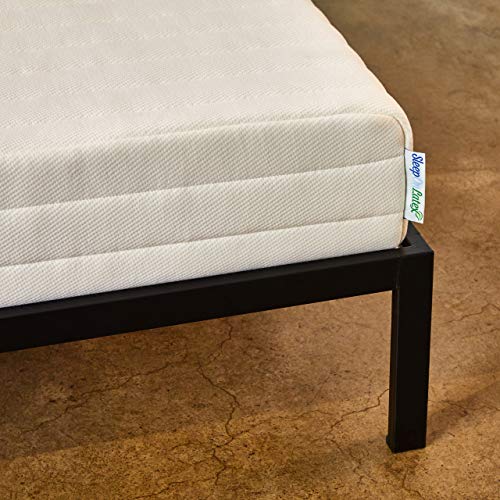
A latex mattress can help back sleepers with neck pain achieve better spinal alignment, but the win usually comes from matching support firmness at the lumbar area and pillow loft to your new mattress height. Start by targeting a medium-firm support feel (where your low back lands), then dial in neck neutrality with the right pillow thickness—especially if your current bed feels too high, too plush, or both.
If you sleep on your back and feel your neck straining (chin lifting, head tilting, or pressure at the base of the skull), the right latex mattress can make alignment easier—but it still depends heavily on your pillow and your body shape. This is especially relevant if you’re currently using a mattress that feels either too plush (sinking) or too high/firm (arching).
Match latex firmness to back-sleeper spinal alignment

A medium-firm latex mattress with steady lumbar support is often the best starting point for back sleepers with neck pain. Here’s why: if your low back “hammocks” (sinks out of neutral), your neck commonly compensates by tilting or tensing to keep your head comfortable.
A latex mattress’s “support” is less about how it feels on top and more about how consistently it supports the lumbar spine under normal body weight.
If the lumbar region sinks, back sleepers often experience a downstream change in head/neck posture—even when shoulders feel supported.
Why “low-back support” beats “overall softness”
Back sleepers with neck pain typically need the spine kept close to level from neck to pelvis. The lumbar area (lower back) is the swing point: if the mattress surface contouring is too deep or springy where your torso lands, the pelvis can rotate slightly and force your upper body to compensate. In that situation, a latex mattress can still be “comfortable,” but it may tilt your neck forward or upward when you look and feel straight ahead.
What to look for in firmness feel
Latex is usually described with “feels” language (soft/medium/firm), but what matters for back-sleeping alignment is firmness in the support zones—especially where your low back lands. If the mattress is zoned or layered, you want the area under your lumbar spine to feel steadier and less sink-prone than the comfort layer under your shoulders.
– Prioritize “stays supported under the low back” over “feels soft,” since sinking can change neck angles even if your shoulders feel fine.
– Aim for a medium-firm support feel (often the sweet spot for many back sleepers), then fine-tune with your comfort layer and bedding.
– If the mattress has zoning or multiple layers, confirm the support area feels steadier where your lumbar spine lands—not just overall firmness.
Choose the right mattress loft and thickness for neck support
Your mattress’s height (loft) can change your head and chin position relative to your pillow, which directly affects neck neutrality. If your neck feels “tilted” after switching to latex, it usually means the new mattress loft raised or lowered your shoulders/head too much for your current pillow.
Mattress thickness and loft can shift shoulder and head position relative to the pillow, altering cervical (neck) alignment.
A neck that tilts up or forward on a latex mattress often points to a pillow-loft mismatch rather than “bad mattress support.”
How thickness changes your pillow geometry
When you change to a thicker latex mattress, your shoulders may sit higher relative to the pillow surface. That can encourage chin lift (neck extends) or head forward tilt if your pillow doesn’t provide the right slope/height. Conversely, if the new latex bed is significantly lower than your old one, your head may “drop” into the pillow and lead to a different kind of strain.
Watch for hammocking and “comfort layer drag”
Latex comfort layers that allow too much sink (hammocking) can also distort alignment, even if the support core is nominally medium-firm. For back sleepers with neck pain, it’s ideal when your hips and low back feel stabilized while your shoulders can still relax without pulling your torso out of neutral.
– Taller/thicker mattresses can raise your shoulders and head position relative to your pillow, which may force your chin up or head forward.
– If you’re waking with a “tilted” neck, measure your pillow loft against the new mattress height and plan for a pillow swap (or adjustment) before judging the mattress.
– Look for a design that prevents excessive “hammocking” (big sink-in), because that often pulls the spine out of neutral and transfers stress upward.
Know what latex construction details to look for
Latex construction details matter because they determine how quickly and where the foam compresses under a back sleeper’s weight. You can’t reliably pick the right latex mattress for neck pain using “medium-firm” marketing alone—you need to understand the layer stack and response behavior.
Latex firmness is often evaluated with indentation testing (commonly reported as ILD/IFD), which helps predict how the material responds under compression.
Layer thickness and the support/comfort split typically influence whether a mattress maintains lumbar alignment or allows excessive sink.
Single-layer vs. multi-layer: what it changes
A single-layer latex mattress can feel responsive and consistent, but some people need more targeted lumbar steadiness that comes from a multi-layer build. With zoned or multi-layer designs, the support zone may resist compression while the comfort layer smooths pressure—both important for back sleepers trying to keep neck angles neutral.
Dunlop vs. Talalay: treat it as “response,” not a guarantee
Dunlop and Talalay are often discussed as different comfort/feel types, but neck-pain relief depends on alignment outcomes. Think of latex type as a likely response profile, then verify the actual firmness/support target for back sleeping and your weight range.
Demand actual spec clarity
The brands that help most are the ones that provide real layer breakdowns (thicknesses, support/comfort responsibilities, and firmness measurements). If the stack is vague, you’ll struggle to troubleshoot when your neck pain doesn’t improve—because you won’t know which layer is causing the alignment change.
– Compare how the mattress is built: single-layer vs multi-layer latex, since layer thickness and compression affect how quickly you feel support.
– If you’re choosing between latex types (e.g., Dunlop vs Talalay), treat it as a feel/response difference—not a guarantee of comfort—then verify the firmness spec for back sleeping.
– Check for whether the brand offers clear breakdowns of layers/material thicknesses (this matters more than marketing terms alone).
Pillow Loft Reference: Inches to Centimeters (for Latex Setup)
| # | Pillow loft (in) | Pillow loft (cm) | Change vs 4.0 in | Practical adjustment note |
|---|---|---|---|---|
| 1 | 2.0 | 5.08 | -5.08 cm | Good for thinner neck profile |
| 2 | 2.5 | 6.35 | -3.81 cm | Often helps if chin lifts |
| 3 | 3.0 | 7.62 | -2.54 cm | Common baseline for medium necks |
| 4 | 3.5 | 8.89 | -1.27 cm | Fine-tune to stop forward tilt |
| 5 | 4.0 | 10.16 | 0.00 cm | Reference loft for neutral aiming |
| 6 | 4.5 | 11.43 | +1.27 cm | Use if head drops too low |
| 7 | 5.0 | 12.70 | +2.54 cm | For taller shoulders/loft needs |
Use pillows and bedding to lock in the neck angle
The fastest way to fix neck pain after switching to a latex mattress is usually pillow-loft adjustment, not mattress swapping. Your goal is a neutral neck position where your head doesn’t require chin lift (extension) or chin tuck (flexion) to feel comfortable.
A back sleeper can only maintain cervical neutrality if pillow height matches the mattress surface position under the head and shoulders.
Adjustable or removable-fill pillows can speed up alignment changes when a new latex mattress shifts loft.
Pillow selection: what “neutral” looks like
When you lie on your back, neutral usually means:
– your chin isn’t lifted toward the ceiling,
– your head isn’t tilting forward,
– and the base of your skull doesn’t feel pinched or pressure-heavy.
If you notice chin lift on a latex mattress, it often indicates the pillow is too tall (or your mattress is raising your head relative to the pillow too much). If you feel your chin sinking, your pillow may be too low for your new sleeping surface.
Bedding can change the fit too
Bedding thickness matters: mattress toppers, thick fitted sheets, and overly padded underlays can effectively increase surface height. With a latex mattress, it’s common to get the alignment close with the right model, then accidentally “break it” by adding a thick topper during the first week.
– Pick a pillow that keeps your neck neutral when you’re lying on your back; many “bad mattress” neck problems are actually pillow-loft mismatches.
– Consider a removable/adjustable pillow (or alternative height options) while you transition to a new latex feel.
– Use a simple test: lie down the way you normally sleep, then check whether your head feels “supported” without your chin lifting or dropping—adjust before you decide the mattress failed.
What can go wrong when choosing latex for neck pain
Neck pain can persist even with a well-reviewed latex mattress when the match between firmness, loft, and pillow is off—or when the pain has a medical driver. The most common problems are avoidable if you troubleshoot methodically during the first adjustment period.
A mattress can feel “medium-firm” on top yet still fail alignment if the lumbar area compresses more than you expect under your weight.
Significant changes in mattress height can create pillow mismatch even when the mattress support core is appropriate.
Common selection mistakes
1) Buying by firmness alone. “Medium-firm” should mean medium-firm *support under the lumbar spine*, not just a comfortable surface.
2) Ignoring height. Mattress thickness changes shoulder/head position and may require a different pillow loft right away.
3) Adjusting too late. If you wait until after you’ve already spent the trial window without correcting pillow height, you may miss the real fix.
– Buying for firmness alone: a mattress can feel “medium-firm” on top but still sag under your lumbar area if the comfort layer is too springy or too thick for your weight.
– Ignoring height: even a good-feeling latex mattress can worsen neck posture if it’s significantly thicker than your prior bed.
– Relying on returns too late: if you wait until after your trial window to adjust pillow/placement, you may miss the real fix.
Our practical verdict for neck-pain back sleepers
A latex mattress is often a smart direction for back sleepers with neck pain because it can deliver supportive, responsive comfort—especially when the lumbar zone stays steady and your pillow maintains neutral cervical posture. For best odds, target medium-firm support, confirm mattress loft won’t push your neck out of alignment, and treat pillow loft as part of the purchase—not an afterthought.
For back sleepers, alignment benefits typically come from coordinated support (mattress) and head positioning (pillow), not from mattress material alone.
If neck symptoms don’t improve, systematic troubleshooting (pillow loft and landing zone) usually identifies the mismatch faster than waiting.
Quick material comparison (pros/cons style)
| # | Criteria (back sleeper + neck pain) | Latex mattress | Memory foam | Innerspring / hybrid |
|---|---|---|---|---|
| 1 | Lumbar stability (without hammocking) | Often good when medium-firm zones are used | Can be excellent if not too contouring | Varies by pocketing and comfort layer |
| 2 | Neck neutrality friendliness | Depends on loft + pillow fit | Depends on sink depth and top comfort | Depends on coil support feel and pillow pairing |
| 3 | Responsiveness (“bounce”) | Higher | Lower (slower) | Medium to high |
| 4 | Temperature neutrality | Often favorable | Can trap more heat depending on design | Often favorable due to airflow |
| 5 | Ease of posture correction with pillow changes | Usually quick to evaluate in trial | May take longer due to deeper sink | Often straightforward with surface height checks |
| 6 | Edge stability | Depends on build; often stable with proper support | May soften at edges | Often better for sitting due to coils |
| 7 | Movement transfer (sleep partner disturbance) | Often noticeable due to responsiveness | Often more isolated | Varies by pocketing and top layer |
| 8 | Weight / handling | Often heavier | Often lighter than latex builds | Varies; hybrids can be heavy |
| 9 | “Marketing clarity” on what you’re buying | Better brands show layer stack + measurements | Varies widely by brand | Varies; coil specs can help |
| 10 | Best “first-week troubleshooting” pathway | Adjust pillow loft + confirm lumbar landing | Confirm sink depth + pillow slope | Confirm surface height + shoulder comfort |
| — | Best For | Back sleepers needing steady lumbar feel and adjustable pillow pairing | People who prefer slower contouring (and don’t over-sink in comfort layers) | People who benefit from firmer, airflow-friendly support structures |
Downsides and who should skip
Downsides to consider: latex mattresses can be heavier and more difficult to move, often cost more than basic foams, and some people dislike the more “lively” bounce compared with slower-responding materials. Skip this approach (or involve your clinician) if your neck pain is severe/ongoing, includes numbness/weakness, or is driven by a medical issue where mattress changes could distract from proper care.
Quick scan checklist (save this for shopping):
| What to check | What “right” usually feels like |
|---|---|
| Firmness / support feel | Low back feels supported; you don’t sink into a hammock |
| Mattress loft / height | Pillow still keeps your neck neutral (no chin lift/forward tilt) |
| Latex layer setup | Clear layer thickness/support behavior (not just marketing claims) |
| Pillow compatibility plan | You’re ready to change pillow loft, not just the mattress |
| Trial/return policy | You have enough time to adjust bedding and posture |
Frequently Asked Questions
What firmness level of latex mattress is best for back sleepers with neck pain?
Back sleepers with neck pain usually do best with a medium-firm latex mattress because it supports the natural curve of the spine without letting the shoulders and hips sink too deeply. If your neck feels strained, choose a firmness that keeps your head aligned with your torso rather than pushing your chin toward your chest. Many brands offer “medium” and “medium-firm” comfort layers in latex, which can help maintain neutral alignment from neck to lower back.
How do I choose the right latex mattress thickness for neck support while sleeping on my back?
Mattress thickness matters because it affects how close you sink to the comfort layer and how your spine is supported overall. For back sleepers, a latex mattress typically benefits from having enough base support (often around 8–10+ inches, depending on the model) so you don’t bottom out and lose alignment. Look for designs that combine a supportive latex core with a comfort layer that cushions the shoulder area without changing your neck angle.
Which latex mattress materials (Dunlop vs. Talalay) help reduce neck pain for back sleepers?
Talalay latex is often described as having a more buoyant, responsive feel and may provide more “surface” comfort, which can help keep the head and neck from sinking excessively. Dunlop latex is denser and can offer stronger, steadier support, which may benefit sleepers who need firmer spinal alignment. The best choice depends on whether your neck pain is linked to sink-in (try a model with less contouring or a firmer comfort layer) or to insufficient support (try a more supportive configuration).
Why does latex mattress support improve neck alignment for people who sleep on their back?
Latex mattresses are known for responsiveness and supportive pressure relief, helping your body maintain a neutral spine position. When the comfort layer relieves pressure at the shoulders without allowing the hips to sink, your head and neck are more likely to stay in the correct alignment. Good contouring from latex can reduce the twisting effect that contributes to cervical strain during sleep, especially for back sleepers.
How should I match my pillow loft with a latex mattress to relieve neck pain?
Even the best latex mattress can’t fix poor pillow height, so aim for a pillow that keeps your neck neutral when you sleep on your back. If your latex mattress allows moderate sink, you may need a slightly lower pillow loft to prevent your chin from tucking; if the mattress feels very firm and keeps you on top, a slightly higher loft can fill the space under your neck. Consider adjustable or contoured pillows so you can fine-tune alignment for consistent neck pain relief.
📅 Last Updated: October 26, 2026 | Topic: How to Select a Latex Mattress for Back Sleepers with Neck Pain | Content verified for accuracy and freshness.
References
- Latex
- Mattress
- https://medlineplus.gov/neckpain.html
- Back Pain
- https://pubmed.ncbi.nlm.nih.gov/?term=mattress+firmness+low+back+pain
- https://pubmed.ncbi.nlm.nih.gov/?term=neck+pain+pillow+sleep+position
- Diabetic retinopathy – Diagnosis and treatment – Mayo Clinic
- https://scholar.google.com/scholar?q=latex+matress+mattress+selection+back+sleepers+neck+pain Google Scholar
- https://scholar.google.com/scholar?q=mattress+firmness+low+back+pain+systematic+review Google Scholar
- https://scholar.google.com/scholar?q=neck+pain+pillow+sleep+position+study Google Scholar





One Comment