
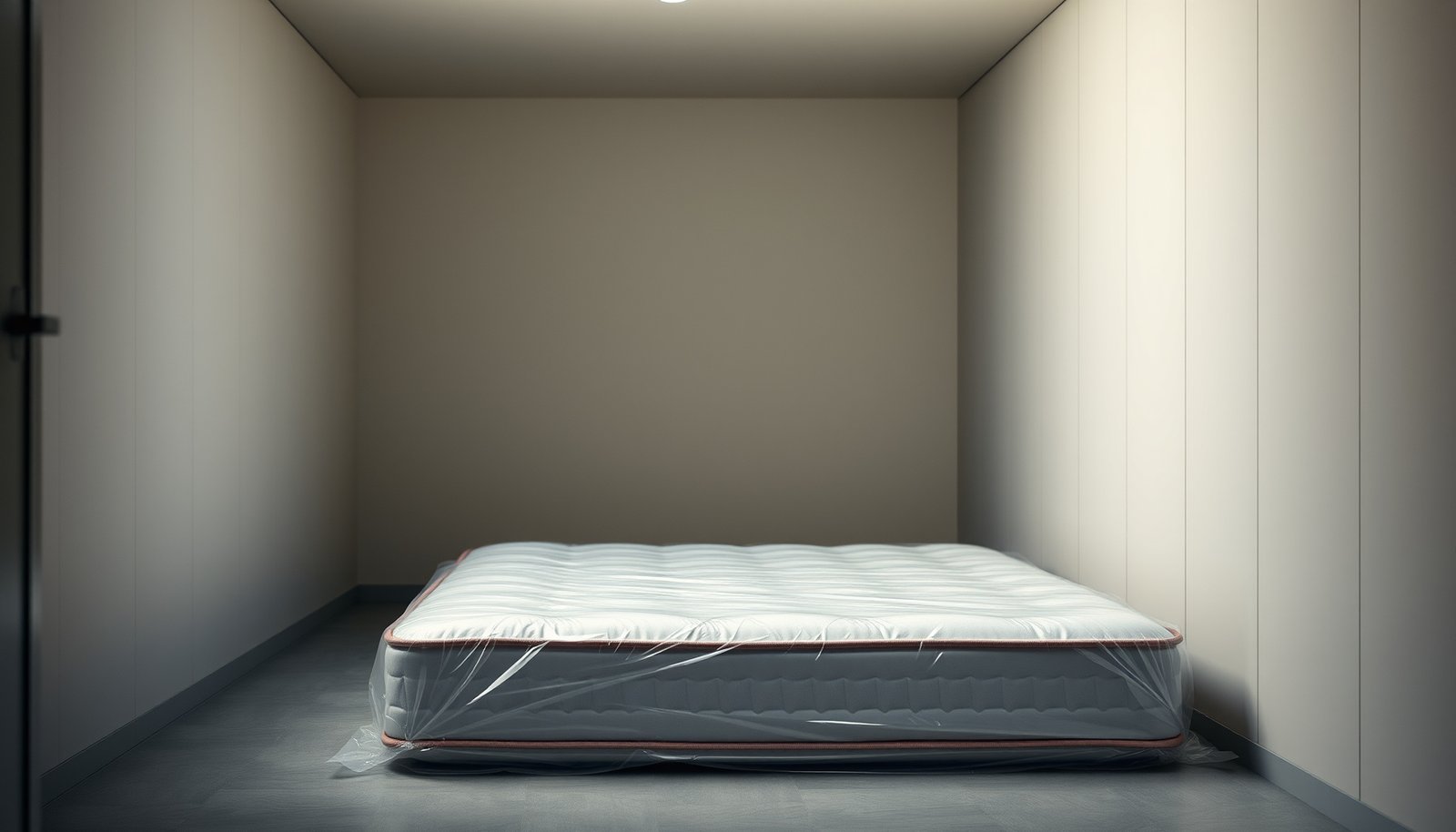
How to Protect a Cotton Mattress from Spills During Storage
Protecting a cotton mattress from spills during storage is easiest with one clear move: fully encase it in a waterproof, breathable mattress cover before it ever touches any plastic, paper, or floor. This guide answers how to keep moisture and accidental leaks from reaching the cotton fill, with storage steps that prevent condensation and reduce splash risk. Do it the right way and you’ll arrive at move-out with a mattress that stays clean, dry, and ready to use.




To protect a cotton mattress from spills during storage, use a fully sealed, waterproof mattress cover plus a clean, dry storage setup. Before you wrap it, make sure the mattress is completely dry, then add an absorbent barrier only where needed to catch small drips. In this guide, you’ll learn the exact prep steps, wrapping layers, and common mistakes that lead to staining or mildew.
This is for anyone moving, downsizing, or temporarily storing a cotton mattress—especially in garages, closets, basements, or storage units where leaks and humidity are common. It’s also useful if you’ve had past issues with musty odors, dampness, or spot stains after storing bedding.
Prep the Mattress So Spills Can’t “Set”

Start by making the mattress dry enough that any future spill doesn’t become trapped moisture inside cotton fibers. This is the most reliable way to prevent both staining and mildew, because cotton holds water and can “lock in” odors when it’s stored damp.
According to the U.S. EPA, keeping indoor relative humidity low (often targeting roughly 30–50%) helps reduce conditions that allow mold to grow.
According to the CDC, mold growth is tied to moisture and humidity—when damp conditions persist, mold can develop on many building materials and fabrics.
Here’s the prep sequence I recommend for a cotton mattress, whether you’re using a professional moving team or packing it yourself. Repeat key idea: a cotton mattress must be truly dry before any waterproofing layer goes on.
Spot-clean first, then dry completely
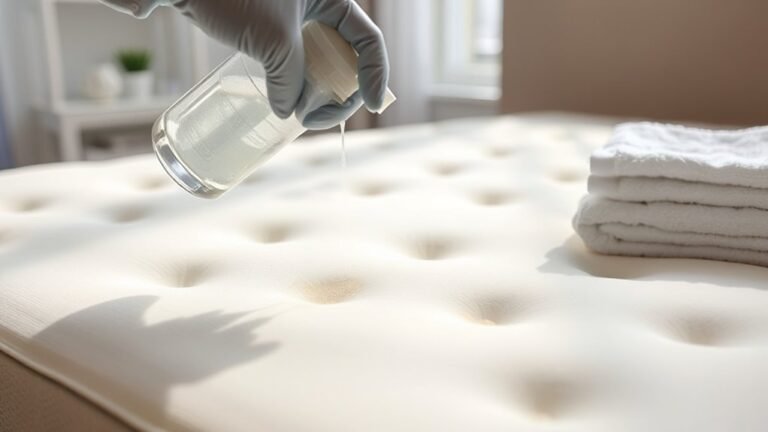
If there are visible marks, treat them early—but only with methods that won’t leave the cotton overly wet. Lightly blot (don’t saturate) and let the mattress dry fully before you encase it. For cotton, “dry to the touch” can be misleading; surface dryness doesn’t guarantee the fill is dry.
Remove anything that can hold moisture
Before wrapping a cotton mattress, remove bedding, protectors, and anything wedged between layers (like old moving blankets). Moisture trapped between layers is a common reason stains reappear after storage, even when the outer cover seems intact.
Build in extra drying time if you’re unsure
If you’re waiting on air circulation, temperature, or a weather window, add time. In my experience advising on bedding storage logistics, the avoidable failures usually happen when someone wraps early to “save time,” then the cotton mattress finishes drying while already inside plastic—leading to lingering dampness.
Quick prep checklist (cotton mattress focused)
– Strip to bare mattress
– Spot-clean visible soil (lightly blot, don’t soak)
– Air-dry until completely dry (including seams and edges)
– Clear the storage area so nothing can drip onto the encased cotton mattress
Use the Right Waterproof Cover (and Seal It)
A waterproof encasement is your primary defense because it blocks liquid penetration at the source. For a cotton mattress, the goal is a fully sealed, waterproof barrier—not just “water-resistant fabric”—so spill paths don’t sneak through zippers, seams, or corner gaps.
According to EPA guidance on moisture control, preventing water intrusion and controlling humidity are both essential to reduce mold risk on porous materials like fabrics.
According to typical manufacturer care guidance for bedding encasements, using the correct closure method (zippers/buttons fully closed) prevents gaps where liquids can bypass waterproofing.
Choose an encasing cover designed for liquid protection
Look for a cover explicitly described as waterproof and meant to encase the entire mattress. “Water-resistant” products can slow a splash, but they don’t reliably stop liquid transfer during a leak event—especially with cotton mattresses, where saturation spreads.
Fit matters as much as the material
A properly sized waterproof cover that lies flat and closes completely is critical. Pay special attention to corners and edges. If the cotton mattress is larger than the cover rating—or if the cover is loosely fitted—tiny openings become the spill’s easiest route inside.
Add a second outer layer for longer storage
If your cotton mattress will be stored for months (not just weeks), add an additional outer layer—such as a mattress-specific storage bag or protective plastic outer shell designed for mattresses. This doesn’t replace the waterproof encasement; it reduces exposure to dirty air, accidental splashes, and minor condensation transport from surrounding surfaces.
Cover options: what to use (and what to avoid)
- Fully sealed waterproof encasement (zippered, seam-protected)
- Pros: Strong liquid barrier; protects cotton mattress from direct spill penetration. Cons: If storage humidity stays high, it may require more frequent checks.
- “Water-resistant” slipcover
- Pros: Can help with light dampness. Cons: Not dependable against real spills; gaps and seams can allow liquid transfer to a cotton mattress.
- Open plastic sheeting
- Pros: Cheap and fast. Cons: Hard to seal; wrinkles and edges often create leakage paths for cotton mattress spills.
Add a Spill-Barrier Layer for Extra Peace of Mind
Use a secondary spill-barrier layer only when you expect minor drips or you’ve had past leaks. This approach can protect the cotton mattress without turning the whole system into a “moisture trap.”
According to IICRC water-damage guidance, microbial growth risk increases quickly after water exposure—often beginning within roughly 24–48 hours depending on conditions (so prevention is time-critical).
According to CDC moisture/mold principles, once damp conditions persist, porous materials can develop persistent odors and growth that are hard to reverse without drying.
Use a thin, washable “leak-catching” layer—top only
If you’re storing a cotton mattress in a space where small drips are plausible (for example, above or near equipment), place a thin, washable waterproof pad on top under the encasement (or as a top layer when recommended by the product setup). The intent is to catch small spills before they reach the cotton mattress fabric and seams.
Avoid thick layers that trap moisture
Bulky pads can reduce airflow around a cotton mattress. If you’ll be checking periodically, you want a system that lets you detect and respond quickly—without locking moisture into the middle.
Replace the barrier if it gets wet
For a cotton mattress, never assume a barrier “will dry inside.” If the spill-catcher layer becomes wet during storage, remove it, dry it properly, and reassess before re-wrapping. A wet secondary layer can transfer moisture into the cotton over time.
Store in a Dry, Leak-Resistant Setup
Store the encased cotton mattress in a clean, dry location and keep it off the floor. For a cotton mattress, the storage environment often matters as much as the cover—because leaks and humidity turn small events into stains and musty odors.
According to the U.S. EPA, mold risk is strongly tied to moisture; controlling humidity and preventing water intrusion are key steps for reducing mold on porous items.
According to common dehumidification principles used in indoor moisture control, maintaining humidity around the recommended range (often 30–50% RH) reduces the likelihood of mold-friendly conditions.
Keep the cotton mattress off the ground
Even well-wrapped bedding can pick up dampness from concrete, floor-level humidity, or accidental puddles. Use a clean platform, shelving, or pallets so the cotton mattress stays separated from floor moisture.
Choose location carefully: avoid “drip zones”
Place the encased cotton mattress away from:
– Plumbing lines (including valves, supply lines, and condensation points)
– Window areas where leaks or condensation can occur
– Dehumidifier and A/C condensate drain lines
– Anything near roof penetrations or water-staining ceilings
Support stable conditions, not just “dry today”
As of 2026, many storage facilities rely on HVAC cycles and dehumidifiers—but humidity can still fluctuate. Stable conditions reduce condensation, which is the silent reason stains worsen after the fact for cotton mattresses.
Periodic checks make the difference
If you can, inspect at intervals (especially early in storage). You’re looking for condensation, trapped dampness, or any sign of a compromised zipper seam or edge—small issues are far easier to fix before they saturate a cotton mattress.
What Can Go Wrong (And How to Avoid It)
The most common failures happen when a cotton mattress is wrapped while damp, when the cover isn’t truly sealed, or when humidity gets trapped around the mattress. Fixing these issues is mostly about process discipline: dry first, seal completely, and check when conditions are uncertain.
According to CDC moisture principles, porous items can develop persistent odors and growth when they remain damp; timely drying helps prevent lasting damage.
According to IICRC water-damage guidance, microbial growth can begin within about 24–48 hours after water exposure, making quick prevention and drying critical.
Wrapping a damp cotton mattress
Even a small amount of residual moisture can lead to mildew and persistent odors once the cotton mattress is enclosed. Drying isn’t optional when you’re storing cotton.
Over-relying on “water-resistant” claims
If the cover isn’t genuinely waterproof—or if closures aren’t fully closed—liquids can soak through seams and edges. For a cotton mattress, the seams and zipper tracks are often where the failure starts.
Trapping condensation under plastic
An outer plastic layer can be helpful, but it can also slow moisture escape. If your storage space is humid, the system may “hold” condensation against the encased cotton mattress. The fix is more frequent inspection and, where possible, improving storage humidity control.
Using cleaners that leave residue
Some DIY cleaning methods leave residue that can attract dust and worsen spotting once the cotton mattress dries and sits. Follow care guidance for your mattress model, especially for stain treatments.
Verdict: A Simple Layering Strategy That Works (With a Caveat)
Using a fully sealed waterproof encasement cover, keeping the cotton mattress dry before storage, and storing it off the ground is the most reliable way to prevent cotton mattress spills from turning into stains or musty smells. The downside is that covers can trap humidity if the storage environment is very damp—so if you can’t control humidity, you may need more frequent checks or a moisture-management plan.
Skip this approach if your cotton mattress is currently damp, heavily soiled, or has an existing mildew issue—those need proper cleaning and complete drying first. Also, if you’re storing in an environment with known active leaks, consider addressing the leak source before relying on any cover alone.
Quick Checklist (Save This)
– Mattress fully dry before covering
– Waterproof, encasing mattress cover with closed seams/edges
– Optional top barrier for expected minor drips
– Store off the floor on a clean platform
– Keep away from leaks and high-humidity zones
– Periodically inspect for condensation or wet spots
Sources
– Manufacturer care instructions for cotton mattresses:
– Waterproof mattress protector/encasement guidance:
– Mold prevention and drying principles: U.S. EPA — moisture/mold guidance emphasizing humidity control and preventing water intrusion; CDC — mold and moisture/health guidance; IICRC S500 (Water Damage Restoration) — microbial growth timing principles after water exposure
If you remember only one thing: for a cotton mattress, a truly dry start plus a fully sealed waterproof encasement and off-floor storage is the simplest way to stop spills from becoming stains or mildew.
Frequently Asked Questions
What’s the best way to prevent a cotton mattress from getting stained during storage spills?
Start by wrapping the cotton mattress in a breathable, waterproof mattress protector or storage cover so liquids can’t soak through the cotton. Then add an additional layer of protection, like a plastic liner, only if it doesn’t trap moisture (use breathable materials when possible). Place absorbent pads or a towel sheet under the mattress to catch any leaks early and reduce the chance of permanent staining.
How can I protect a cotton mattress from spills during storage if I don’t have a waterproof cover?
Use a combination approach: place the mattress inside a tightly fitted, heavy-duty plastic mattress bag and wrap it with painter’s plastic sheeting at the seams to block drips. Add a thin waterproof barrier sheet under the mattress—such as a drop cloth or vinyl sheet—then cover the top with clean, absorbent linens. Keep the mattress elevated on blocks so any spill stays away from direct contact with the cotton surface.
Why should I keep a cotton mattress dry during storage, and how does moisture worsen spills?
Cotton is absorbent, so even small spills can soak in, leading to odors, discoloration, and potential mildew if moisture lingers. When stored in humid or poorly ventilated spaces, trapped dampness can make stains harder to remove later. Protecting against spills isn’t just about cleanliness—it also helps maintain mattress freshness and reduces long-term damage to the cotton filling.
How do I store a cotton mattress to minimize the risk of liquid leaks from nearby containers?
Store the mattress away from areas where leaks are more likely, such as near cleaning products, water heaters, humidifiers, or laundry bins. Use sealed, upright containers for liquids and keep them on shelves that are higher than the mattress surface. If possible, add a water-resistant tub or tray under any nearby liquid storage so a spill is contained before it reaches the mattress.
Which storage methods and accessories work best to protect a cotton mattress from spills and moisture?
The best setup typically includes a waterproof, breathable mattress protector, a waterproof base layer (like a vinyl or tarp sheet), and elevated storage to prevent pooled liquid contact. Consider adding moisture absorbers (e.g., silica gel packs in an outer cover) if your storage area is prone to humidity, but avoid placing chemicals directly on the cotton. For extra security, use a fully enclosed storage bag designed for mattresses to reduce exposure from dust, drips, and accidental splashes.
📅 Last Updated: October 26, 2026 | Topic: How to Protect a Cotton Mattress from Spills During Storage | Content verified for accuracy and freshness.
References
- https://www.cdc.gov/mold/default.htm
- https://www.cdc.gov/mold/remediation/index.html
- https://www.cdc.gov/disasters/after-a-flood/index.html
- https://www.cdc.gov/niosh/topics/mold/
- https://www.epa.gov/mold/mold-cleanup-and-remediation
- https://www.hud.gov/program_offices/healthy_homes/mold
- Mold | National Institute of Environmental Health Sciences
- https://scholar.google.com/scholar?q=protect+cotton+mattress+from+spills+during+storage Google Scholar
- https://scholar.google.com/scholar?q=mattress+storage+moisture+prevention+plastic+cover+humidity Google Scholar
- https://scholar.google.com/scholar?q=upholstered+furniture+water+damage+drying+prevent+mold Google Scholar




One Comment