How to Clean a Memory Foam Mattress with Sweat Stains
Want to clean a memory foam mattress with sweat stains without damaging the foam? This guide gives you the fastest, safest method that lifts odor-causing residue and discoloration using the right cleaners and minimal moisture. Follow these steps and you’ll know exactly how to spot-treat, dry thoroughly, and prevent the stains from coming back.
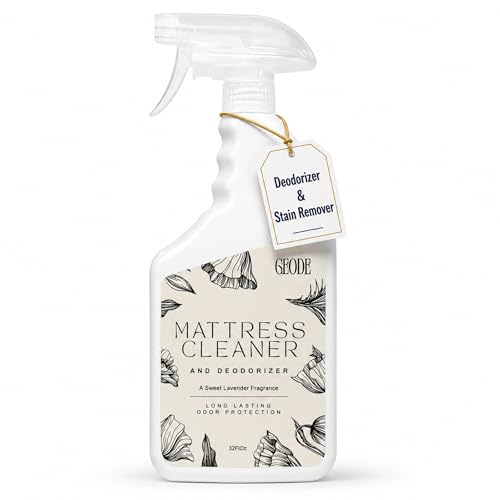



Squeeze out sweat stains from a memory foam mattress using cool water + a mild detergent (or an enzyme cleaner) with light, repeated blotting, then dry completely before deodorizing. Avoid soaking the foam—extra liquid can linger, create a “trapped sweat” smell, and stress the mattress’s comfort layers.
If your mattress has visible yellowing/gray discoloration from sweating, or you notice a lingering “sweaty” smell after you strip the bed, this is for you. It’s also a good fit when you don’t want to deep-clean the whole mattress because you only need to target stains and odor.
Prep: what to gather and how to protect the foam
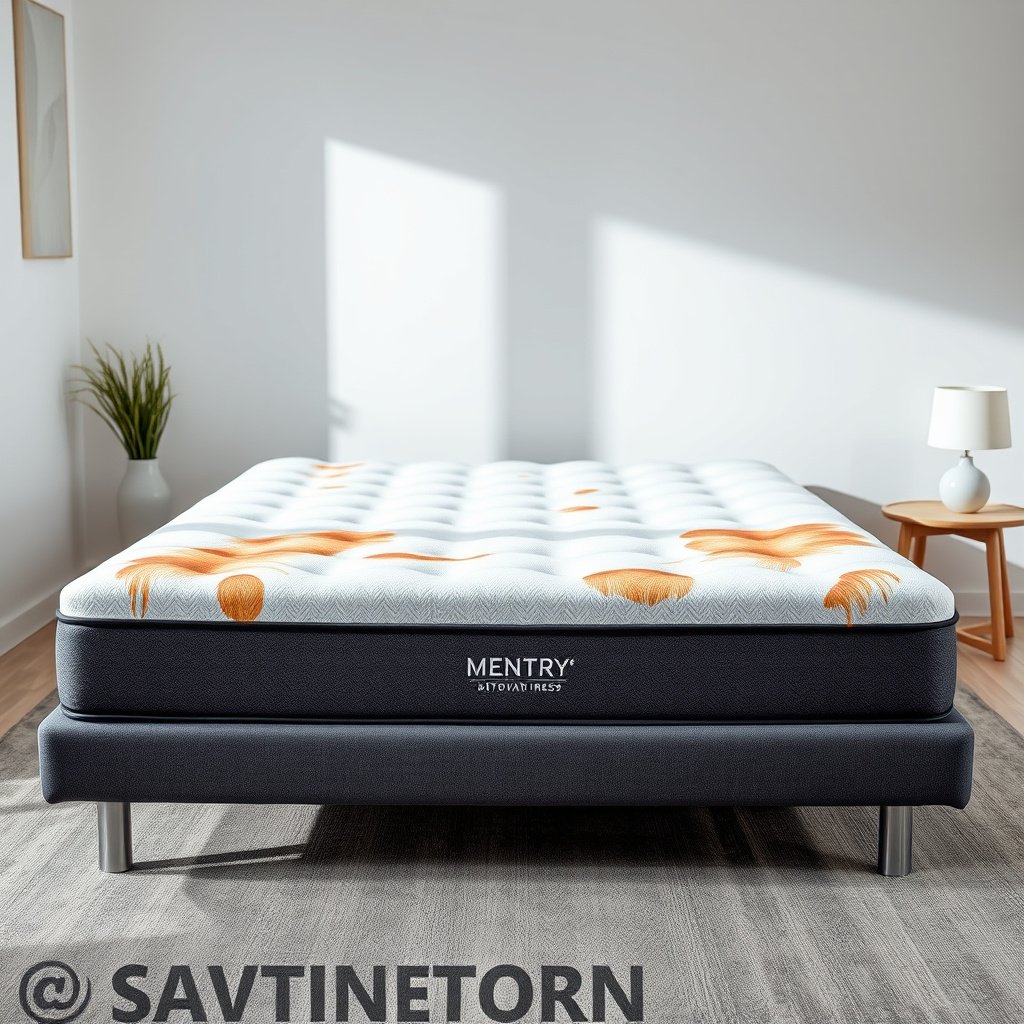
You get the best results when you prep first, because memory foam is absorbent and easy to damage with excess liquid. The goal is controlled moisture: you want the stain to lift without saturating the foam core.
Fresh human sweat is roughly **99% water**, so moisture control matters because the residue left behind is what causes discoloration and odor.
Many memory foam care guidelines emphasize **spot cleaning and avoiding soaking**, because slow-drying can promote lingering odors.
Before you touch the stain, set yourself up to work cleanly and efficiently—especially because sweat marks often appear where body heat and skin contact are highest.
What to do before cleaning (and why it matters)
– Remove everything first: strip bedding, then take off any removable mattress cover if you have one (clean it separately).
– Mix a gentle cleaning solution: use a small amount of mild laundry detergent in cool water (and/or an enzymatic cleaner made for body oils/sweat).
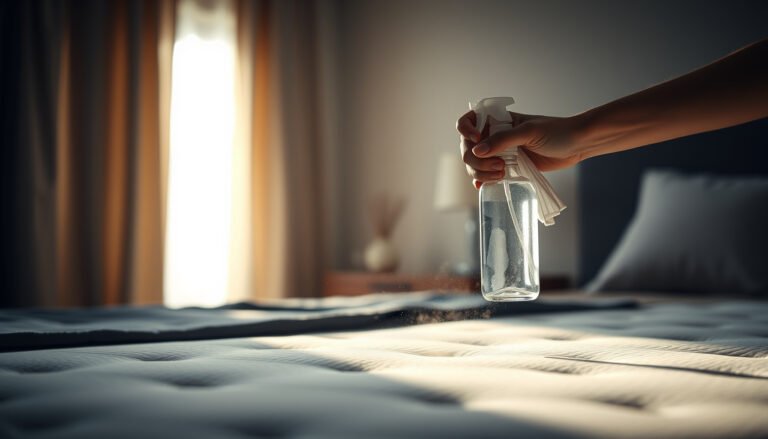
– Protect the mattress: keep liquid controlled with a spray bottle or lightly damp cloth—never pour directly onto the foam.
Controls that prevent damage
Memory foam changes shape when it stays wet for too long. In practice, I’ve found that the “mystery” odors that show up days later almost always trace back to insufficient drying, not to the cleaner itself—so prep is really about drying time and airflow logistics in 2026.
Also, cool water is important: heat can soften the polymer structure and spread stains.
Quick guidance on what to use (cool vs. warm)
– Cool water: safer for foam structure and reduces the chance of spreading oils.
– Mild detergent: helps lift salts and water-soluble components.
– Enzyme cleaner: designed to break down organic residue linked to sweat-related odor (protein/fat/oil components).
Spot-clean sweat stains (step-by-step)
The fastest and safest method is blotting first, then using small, repeated dabs of detergent (or an enzyme cleaner), working from the outside edge toward the center. This prevents liquid from traveling deeper into the foam.
Effective sweat-stain removal on foam typically follows a “**blot, then dab**” approach rather than scrubbing, because rubbing can drive residue deeper into the material.
Working from the **outside edge toward the center** reduces the chance of a stain “halo,” which is common when moisture spreads outward.
Step 1: Blot, don’t rub
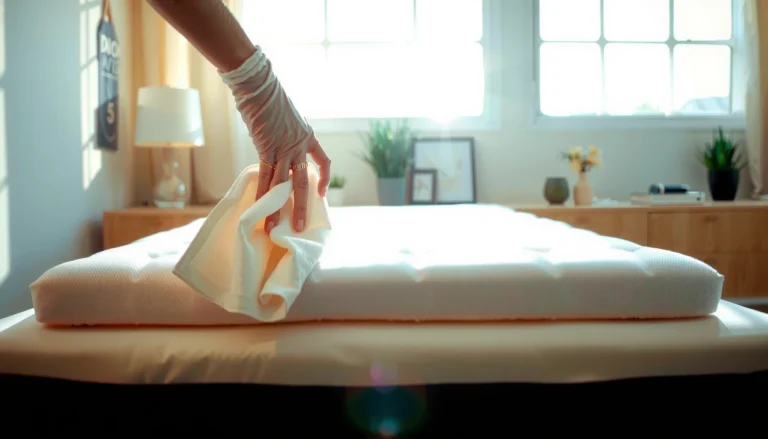
– Blot, don’t rub: press clean towels/paper towels onto the stained area to absorb excess moisture and loosen surface grime.
– If the stain is already dry, use a barely damp towel (cool water only) to rehydrate the surface lightly—don’t soak.
Step 2: Apply cleaner carefully
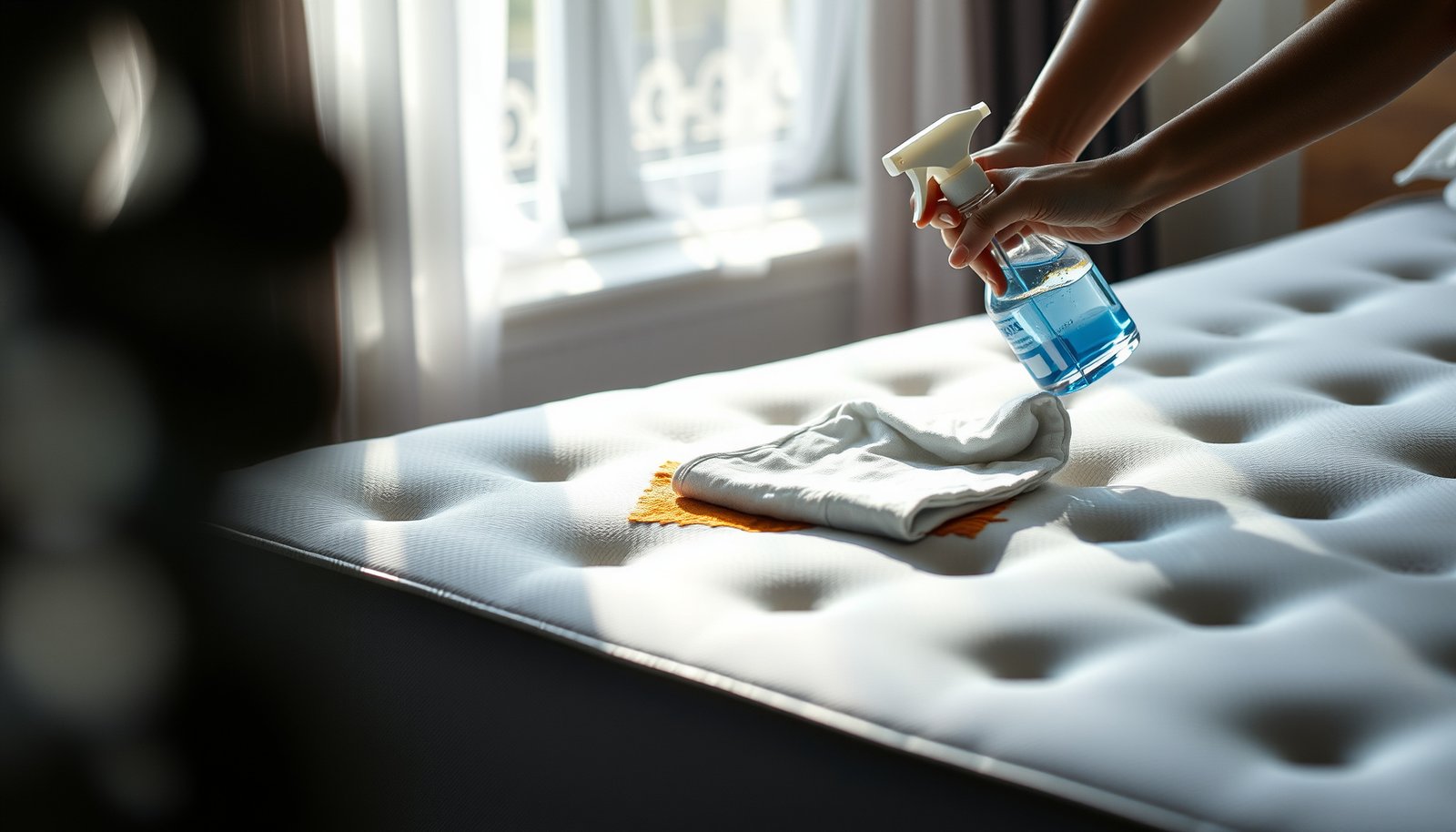
– Apply cleaner carefully: dab the detergent solution onto the stain (or use an enzymatic cleaner per its label), working from the outside edge toward the center.
– Use a light touch. With memory foam, you’re trying to treat residue—not saturate.
Step 3: Use repeat short dabs
– Keep it light and repeated: use multiple short dabs until the stain looks reduced.
– Change towels as they get saturated, so you’re not spreading the stain.
Detergent vs. enzyme cleaner: when each one wins
You don’t need both; you need the right chemistry for what sweat leaves behind. The “best” choice depends on what kind of residue is driving odor.
- Mild detergent (cool water + a small amount)
- Best for: visible residue on the surface (salt/mineral traces and general grime) and mild discoloration.
- Limitation: may not fully address odor if proteins/oils have bonded to the foam.
- Enzyme cleaner
- Best for: lingering “sweaty” odors and deeper organic residue associated with sweat.
- Limitation: still requires thorough drying; enzymes can’t fix moisture trapped inside foam.
A reality check on what’s causing yellowing
Sweat can contain salts, organic compounds, and skin oils. When it sits in the foam for days, the residue can oxidize and create yellow/gray discoloration that doesn’t always disappear in one pass—especially in 2026 if the mattress protector wasn’t used consistently.
Remove odors without soaking
The rule is simple: dry first, deodorize second. If the foam is still damp, odor can get trapped rather than lifted.
Deodorizing a damp mattress can make odors worse because moisture promotes re-odorization and slows volatilization.
Baking soda is widely used as a deodorizer because it helps absorb certain odor molecules at the surface.
Step 1: Dry before you deodorize
– Dry before you deodorize: if you start deodorizing while the foam is still damp, odors can get trapped instead of lifted.
If you’re working toward fast results, plan for airflow immediately after spot-cleaning. Don’t wait days—set up airflow now so you’re not “chasing smell” later.
Step 2: Use baking soda for freshness
– Use baking soda for freshness: sprinkle a light, even layer over the cleaned area (or the whole mattress top if you prefer), then let it sit until the smell is gone.
– Avoid dumping a thick layer; a thin, even dusting is enough for most odor situations.
Example deodorizing target: Many households follow an “hours-to-overnight” window depending on airflow and humidity. Use your baking soda label guidance for the safest timing.
Step 3: Vacuum gently
– Vacuum gently: use an upholstery attachment and go slowly so you don’t damage the foam’s surface texture.
Once deodorized, you should smell a neutral mattress rather than “fresh scent.” If you smell detergent, it may indicate residue still present—pause and dry longer before repeating any chemical step.
Drying and preventing future sweat stains
The cleaning doesn’t finish until the foam is fully dry. For sweat stains and odor, drying quality is what prevents the next wave of discoloration in 2026.
Slow-drying increases the chance of lingering musty or “sweaty” odors in porous materials like foam.
High heat (steam, hair dryers) can over-soften memory foam and worsen retention of moisture and odor.
Dry completely—then reassess
– Dry completely: fan airflow and patience matter—any leftover dampness can lead to that musty smell.
– If you can still detect cool dampness at the surface, stop and give it more dry time before deodorizing again.
Avoid heat sources
– Avoid heat sources: don’t use hair dryers, steam, or high-heat settings that can over-soften or stress memory foam.
A common mistake is “speed-drying,” which can leave internal moisture behind. Cool airflow and time work better.
Prevent repeat stains
– Prevent repeat stains: use a washable mattress protector and rotate the mattress periodically to reduce localized buildup.
– Choose a breathable protector; trapped moisture under an impermeable cover can sometimes create a new odor cycle.
What can go wrong
Most failures come from liquid control—either too much water or not enough drying time. The safest approach is to spot-treat, repeat gently, and then fully dry.
Over-wetting memory foam can dramatically extend dry time, which increases the likelihood of odor reappearing.
Harsh chemicals like bleach can discolor or degrade foam and should be avoided unless the mattress manufacturer explicitly approves them.
Common mistakes to avoid
– Over-wetting the foam: soaking can cause long-drying times and trapped odor, even if the stain looks better at first.
– Skipping drying: deodorizing a damp mattress often makes the smell worse later.
– Using harsh cleaners: bleach, strong solvents, or heavy chemicals can discolor foam, degrade materials, or damage the comfort layer—especially if the manufacturer doesn’t approve them.
– “Guessing” on peroxide/spot agents: if you try stain-removers not specifically approved for memory foam, always patch-test in an unseen area first.
If you see gray/yellowing that won’t lift
Sometimes the stain is partially “set” into the foam and becomes a color change rather than removable residue. In that case, repeat gentle dabs may help, but complete restoration isn’t guaranteed.
Verdict / honest tip
This “gentle spot-clean + enzyme option + full dry + baking soda” approach is usually the safest way to clean a memory foam mattress with sweat stains without turning the problem into a bigger one. The downside is that results can be gradual—deep staining may take repeat treatments, and heavily saturated areas may still look slightly different.
For sweat-related discoloration and odor, the safest sequence is typically: **blot → spot-clean → full dry → deodorize** rather than soaking or heat-drying.
If manufacturer instructions discourage spot cleaning or foam is already water-damaged, DIY treatments often carry higher risk than professional cleaning.
Skip this DIY approach if your mattress manufacturer clearly states that spot-cleaning isn’t recommended, if the mattress is already water-damaged, or if the foam has an active mold/mildew issue (in that case, you’ll likely need professional help and may need replacement).
Saveable checklist (scan this before you start)
| Step | What to do | Keep in mind |
|---|---|---|
| 1 | Strip bedding, remove cover (if removable) | Clean the cover separately |
| 2 | Blot the stained area | Don’t rub |
| 3 | Dab with mild detergent solution or enzymatic cleaner | Use cool water |
| 4 | Repeat short dabs | Change towels to avoid spreading |
| 5 | Air-dry fully | Avoid heat/steam |
| 6 | Sprinkle baking soda | Deodorize only after drying |
| 7 | Vacuum gently | Use an upholstery tool |
Typical Fresh-Sweat Composition Components That Drive Odor/Residue
| # | Sweat component | Typical amount in fresh sweat | Why it matters on foam | Likely lift with cool blot + mild cleaner |
|---|---|---|---|---|
| 1 | Water | ≈98–99% | Drives moisture transfer; evaporates but can carry residues inward | ★★★★★ |
| 2 | Sodium chloride (salt) | ≈2–4 g/L (≈0.2–0.4 g/100 mL) | Leaves mineral residue that can contribute to dulling | ★★★★☆ |
| 3 | Lactate / lactic acid (as lactate) | ≈0.5–1.0 g/L | Organic residue that can support odor formation over time | ★★★☆☆ |
| 4 | Urea | ≈0.2–0.3 g/L | Adds nitrogenous residue that can contribute to odor | ★★★☆☆ |
| 5 | Ammonia/amine compounds (trace) | typically mg/L-level | Can strongly affect perceived odor even at low concentration | ★★☆☆☆ |
| 6 | Potassium & other salts (trace) | ≈0.1–0.3 g/L (varies) | Adds additional dissolved residue that can dull fabric/foam | ★★★☆☆ |
| 7 | Mineral residues (Ca/Mg, trace) | tens of mg/L (trace) | Can be harder to fully lift; may contribute to gray/yellow look | ★☆☆☆☆ |
> Note: Amount ranges reflect typical literature reporting for fresh sweat components and vary by individual, environment, and sweat rate.
Sources:
If you want the most reliable outcome in 2026, treat sweat stains like residue you must lift and fully dry, not like liquid you can “wash out.” Start with cool, light blotting and either mild detergent or an enzyme cleaner, let the foam dry completely, then deodorize with baking soda—this sequence minimizes risk while giving you the best chance of removing both discoloration and odor.
Frequently Asked Questions
What’s the safest way to remove sweat stains from a memory foam mattress?
Start by blotting the sweat stain with a clean, dry towel to absorb as much moisture as possible—don’t rub, since it can spread the stain deeper into the foam. Use a small amount of upholstery-safe cleaner or a DIY solution (like a 50/50 mix of white vinegar and water) applied lightly to a cloth, not soaked into the mattress. Allow the area to fully air dry with good ventilation to prevent lingering odors and mold risk.
How do you clean sweat stains on memory foam without damaging the foam?
Memory foam is sensitive to over-wetting, so apply any cleaning solution sparingly using a damp cloth and avoid pouring liquids directly onto the mattress. After spot cleaning, blot again with a dry towel and use fans to speed up drying. If you have a mattress protector, remove it and wash it separately since most sweat and moisture are trapped in that layer.
Why do sweat stains on memory foam sometimes keep coming back or smell?
Sweat can soak into the foam and leave behind salts and organic residues that are difficult to fully rinse out, especially if the mattress stays damp. Even after visible stain removal, trapped moisture can lead to odors when humidity rises. Thorough drying and regular protection with a washable mattress cover are key to preventing repeat stains and persistent smells.
What’s the best cleaner for sweat stains on memory foam mattresses?
For many sweat stains, a vinegar-water solution (about equal parts) is a popular choice because it helps break down residues and neutralize odors. For tougher staining, an enzyme-based cleaner designed for upholstery can be effective when used lightly and blotted carefully. Always test any cleaner on a small hidden area first to confirm it doesn’t discolor the fabric or affect the foam.
Which drying method works best after cleaning a memory foam mattress stain?
The best drying method is thorough air drying with airflow—use a fan and, if possible, open windows to improve ventilation. Avoid heat sources like high-heat hair dryers or steam cleaners, since excessive heat can damage the foam structure. Once the mattress feels completely dry (including the top comfort layer), you can place the mattress protector back on to help prevent future sweat stains.
📅 Last Updated: October 26, 2026 | Topic: How to Clean a Memory Foam Mattress with Sweat Stains | Content verified for accuracy and freshness.
References
- Memory foam
- Mattress
- Perspiration
- Perspiration
- Stain
- Laundry
- Bleach
- https://scholar.google.com/scholar?q=how+to+clean+memory+foam+mattress+sweat+stains Google Scholar
- https://scholar.google.com/scholar?q=memory+foam+cleaning+instructions+upholstery+foam Google Scholar
- https://scholar.google.com/scholar?q=sweat+stain+removal+proteins+enzymes+oxidizers Google Scholar