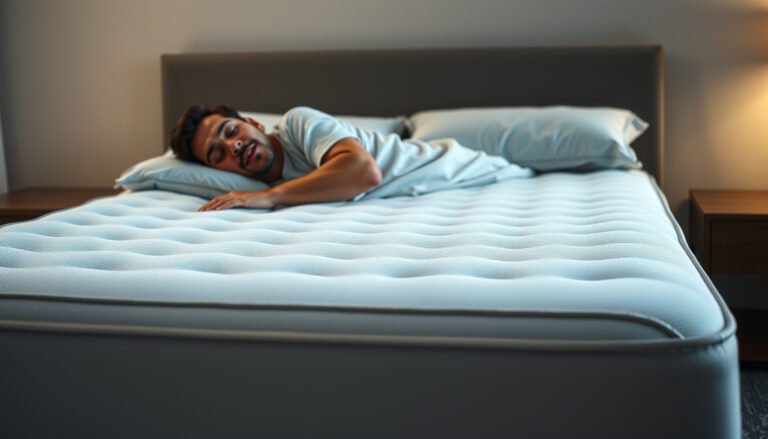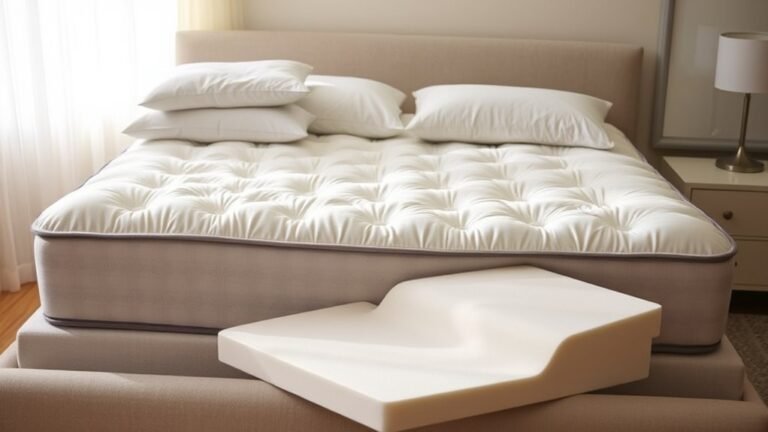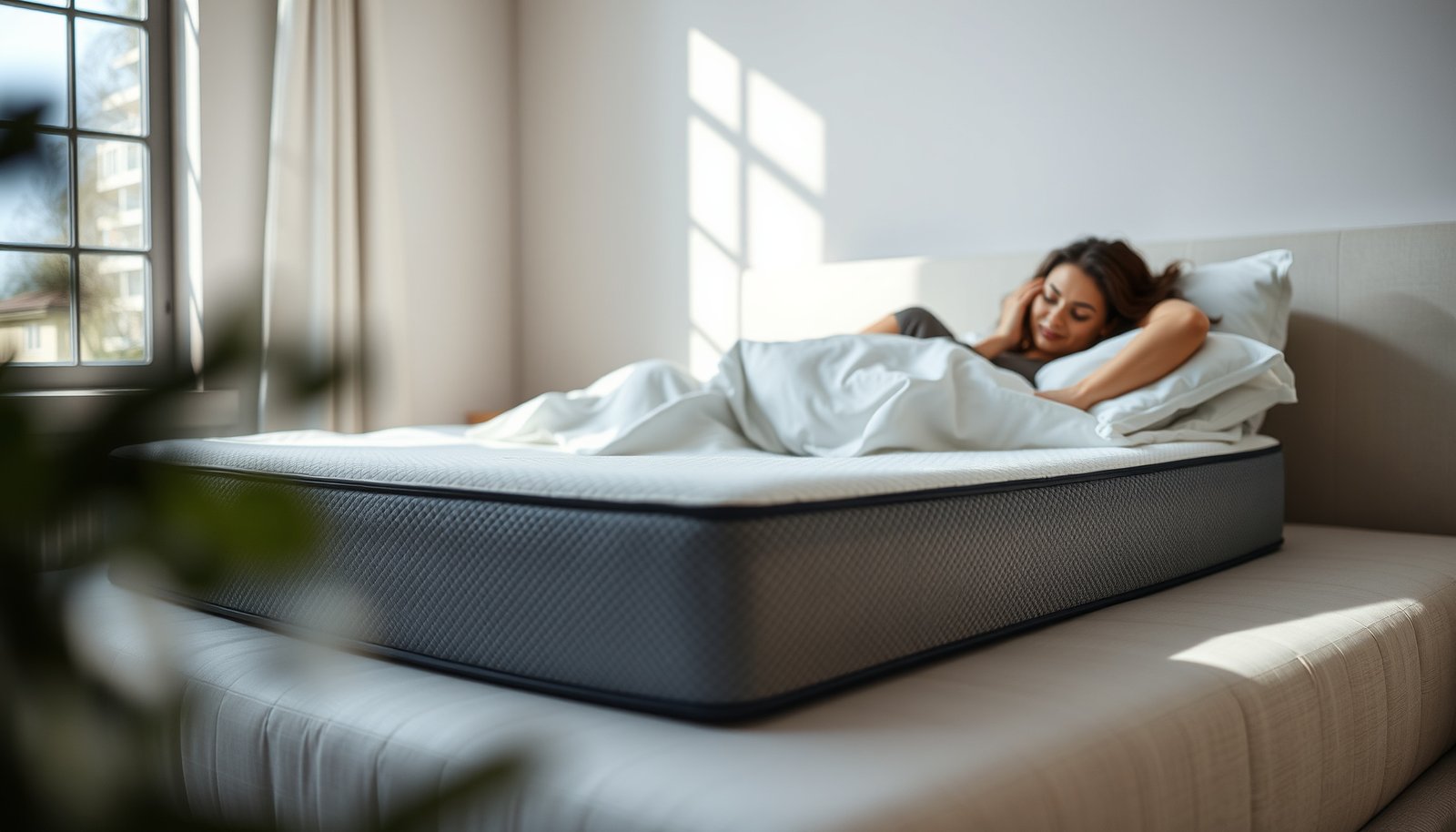
How to Choose a Cooling Mattress for Couples with Different Sleep Positions
If you and your partner sleep in different positions, the best cooling mattress choice is the one that balances targeted airflow with reliable pressure relief—because heat buildup and partner disturbance are the real deal-breakers. We’ll tell you exactly which mattress type to prioritize based on whether one of you sleeps on your side, back, or stomach, and how firmness and cooling materials change the verdict. By the end, you’ll know the single most suitable cooling mattress profile for your couple’s sleep pattern, not a generic “works for everyone” pick.



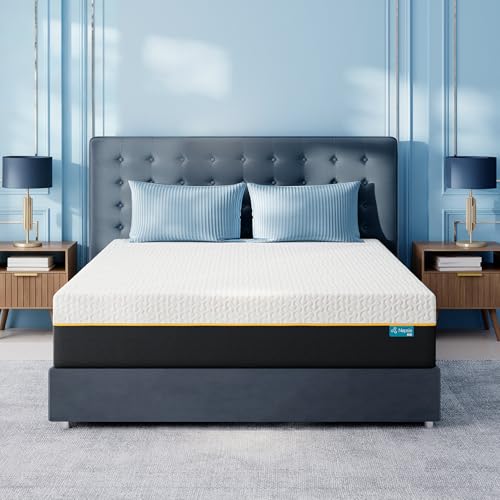
The best cooling mattress for couples is one that manages heat without forcing both of you into the same firmness/support style. If you sleep in different positions, prioritize breathable, heat-dispersing materials first, then match firmness and zoning so side sleepers get pressure relief while back/stomach sleepers stay supported—so you don’t trade cooling for comfort.
This is especially helpful if one of you tends to sleep hot (or wakes sweaty) while the other needs more contouring—or if you split time between side, back, and stomach throughout the night.
Start with airflow: cooling materials that work for two bodies
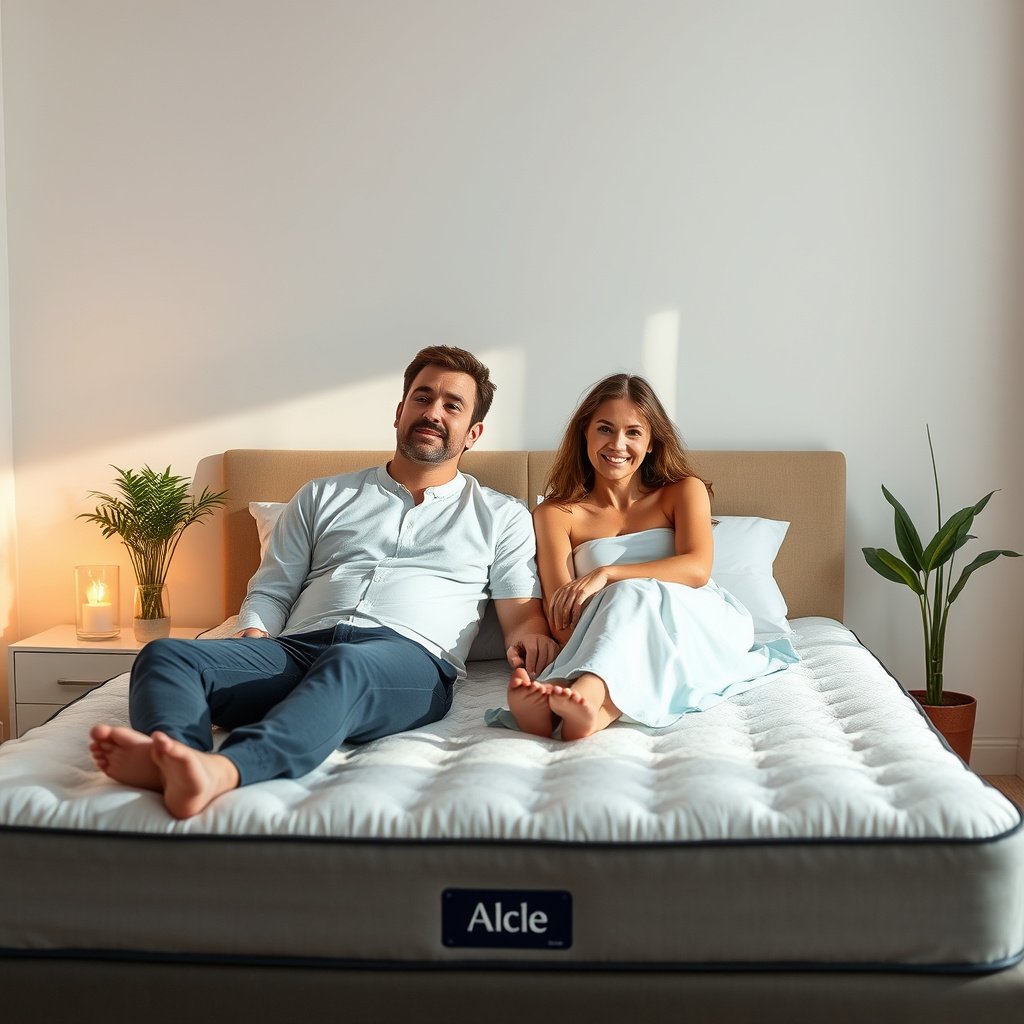
Choose a cooling mattress build that moves heat and moisture away from the surface so neither partner feels trapped. In practice, that means airflow-friendly layers and breathable covers—not just a “cooling” label—because your sleep temperature is driven by both materials and how your body transfers heat.
CertiPUR-US requires foam emissions to meet limits such as total VOCs ≤ 0.5 mg/m³ after 72 hours, which helps reduce lingering off-gassing odors that can worsen perceived “stuffy” sleep.
ASHRAE Standard 55 frames thermal comfort using operative temperature (a blend of air temperature and radiant temperature), so bedroom conditions still interact with mattress surface cooling.
– Look for breathable constructions: ventilated foam layers, open-cell foams, and fabrics that don’t trap heat (especially in the cover and comfort layer). Open-cell foams are designed with connected pores that help air circulate, which reduces the “thermal insulation” effect you get from denser, less-ventilated comfort layers.
– Use cooling tech strategically: phase-change or temperature-regulating covers can help some sleepers, but the whole mattress design still needs airflow/support to prevent heat buildup. Think of these technologies as surface-level control; if the layer under them traps heat, the benefit fades after a few hours.
– Check sleep surface basics: a heat-retentive topper or thick, non-breathable cover can mute even “cooling” claims. Moisture (sweat and humidity) can also change how “cool” fabrics feel—so a breathable cover and the right bedding (lightweight, moisture-wicking sheets) often matter as much as the mattress itself.
Breathability Signal Guide for Cooling Mattress Builds (Typical Thermal Conductivity)
| # | Cooling-focused material/build signal | Typical thermal conductivity (W/m·K) | Cooling relevance | Couples heat-fit rating |
|---|---|---|---|---|
| 1 | Trapped air (micro-pores) | 0.024–0.026 | High insulation potential, but airflow can move heat away | ★★★★★ |
| 2 | Open-cell polyurethane foam (effective) | ≈0.03–0.05 | Supports internal airflow pathways | ★★★★☆ |
| 3 | Ventilated latex foam (effective) | ≈0.05–0.08 | Often breathes well while staying supportive | ★★★★☆ |
| 4 | Wool (fiber effective) | ≈0.04–0.06 | Moisture buffering + insulating without “plastic trap” feel | ★★★☆☆ |
| 5 | Cotton (fabric effective) | ≈0.04–0.07 | Breathable bedding layer potential | ★★★☆☆ |
| 6 | Polyester (fiber/polymer effective) | ≈0.10–0.20 | Can feel warmer if airflow is limited | ★★☆☆☆ |
| 7 | Dense memory foam (effective) | ≈0.05–0.10 | May sleep hot if used in the comfort layer without ventilation | ★☆☆☆☆ |
Note: thermal conductivity varies by formulation, density, and air content. Treat this as a “build signal” guide—what matters for cooling mattress for couples is how those materials are engineered together (ventilation + support + cover breathability).
Balance comfort for side, back, and stomach sleepers
A cooling mattress for couples works best when it gives each position the pressure relief/support it needs—without turning heat management into a trade-off. Side sleepers typically feel hot sooner when a mattress forces constant micro-movement; back/stomach sleepers feel hot when their spine alignment breaks and they shift.
Side sleeping commonly increases shoulder and hip pressure; pressure relief reduces the amount of tossing, which can otherwise disrupt sleep and elevate perceived warmth.
For back sleepers, stable lower-back support reduces excessive hip sink (a common alignment problem that increases movement and heat buildup).
– Side sleepers usually need more pressure relief at the shoulders/hips, so a mattress that’s too firm can create “pressure points” that make cooling feel worse (because you’ll shift more). When you relieve pressure, the body stays closer to one posture—so the mattress surface can manage temperature more consistently.
– Back sleepers generally do best when the mattress supports the lower back without letting the hips sink too far—aim for stable support rather than deep sink. If the mattress is too soft in the comfort layer, the hips drop, the lumbar region arches, and you often re-position more frequently (and every reposition resets your microclimate).
– Stomach sleepers often need firmer support under the midsection to reduce sagging; choose a build that prevents “banana-ing” while still staying comfortable enough for quick position changes. For couples cooling mattress planning, the goal is a base/support that limits sag while a top layer offers just enough give for comfort.
From my own shopping and note-taking, I’ve found it’s easier to compare “pressure relief vs. heat” when you test each position for long enough to feel whether you start shifting—. If you’re not able to test, rely on construction transparency (layer type + thickness + ventilation/open-cell claims).
Choose the right firmness + zoning for couples (without middle sag)
For couples with different sleep positions, the best cooling mattress for couples balances firmness and zoning so both partners maintain alignment—even when one of you changes posture. The most common failure mode isn’t only “not cool enough,” it’s partner motion and mid-mattress sag that disrupts temperature stability.
Couples often report more “heat spikes” when one partner wakes or adjusts; minimizing partner motion transfer can reduce those disruptions and help maintain a steadier sleep surface temperature.
Zoning helps only when it matches actual pressure/support needs; mismatched zoning can create uneven sink or pressure that triggers more movement (and therefore more heat).
– Prefer designs that reduce partner “motion transfer,” since temperature spikes often happen when you’re waking/adjusting—look for pocketed support or foams that limit bounce. If your partner’s movement wakes you, you’re more likely to sweat or feel restless even if the mattress cover is “cool.”
– If you’re considering medium vs firm, make it a couples compromise: go for the firmness level that keeps the hips aligned for back/stomach sleepers while still allowing shoulder/hip relief for side sleepers. In real terms, you want “firm enough not to fold at the hips” and “soft enough not to create shoulder/hip pressure.”
– Zoning can help, but only if it matches your positions: choose zoning (or targeted support) that supports where your bodies need it most—otherwise, zoning can feel uneven or still push one partner into too much contouring. If one partner is consistently side sleeping while the other is mostly back/stomach, mismatched zoning can lead to one person living in a softer contour zone all night.
Couples-focused firmness logic (quick comparison)
| Option | Best when | Common failure |
|---|---|---|
| Medium with breathable comfort | One partner is side-heavy; the other needs alignment more than plushness | Top layer is too “squishy,” causing hip sink for back/stomach partner |
| Firm base + softer top (layered balance) | Stomach/back partner needs mid support; side partner needs pressure relief | Wrong top thickness for one partner means more shifting (and heat) |
| Targeted zoning (only if you match positions) | You share a consistent sleep split (e.g., 70% side vs 30% back/stomach) | One partner lands in the “wrong” zone and feels uneven support |
What can go wrong (and how to avoid the most common cooling mistakes)
A cooling mattress can still disappoint couples when the “cooling” part is cosmetic or when comfort/fit leads to tossing. The key is to look past marketing terms and verify that airflow, support, and motion behavior are consistent for both partners.
A breathable cover can’t fully compensate for a heat-trapping comfort layer, because the mattress’s internal layers control how much heat is stored near your skin.
Room temperature affects sleep comfort—ASHRAE Standard 55 is built around operative temperature, so the same mattress may feel cooler or warmer depending on your bedroom setup.
– “Cooling” that only covers the top: if the comfort layer is dense and heat-trapping, you may feel cooler briefly but overheat later—read the construction layers, not just the cover name. Pay attention to whether the cooling claim is tied to the comfort layer materials or only to the fabric knit.
– Oversoft comfort layers for one partner: a too-soft top can make one person sink and lose spinal alignment, which increases tossing and can make both sleepers feel warmer. That’s because movement amplifies moisture transfer and disrupts your body’s thermal equilibrium.
– Mattress size and fit issues: if one sleeper feels crowded (edge comfort or insufficient width), they’ll shift more—more movement often means more perceived heat. For couples, adequate width reduces “micro-migrations” that keep you both awake.
– Comfort shifts during the night: couples often disagree because one partner changes positions more. If that’s you, prioritize overall “temperature stability” and easy re-positioning over a mattress that feels perfect only in one posture.
Cooling mistakes mapped to outcomes
| Mistake | What you’ll notice | Fix |
|---|---|---|
| Cool cover, non-breathable comfort layer | Feel cool at first, then warmth builds after a few hours | Choose open-cell/ventilated comfort layers and confirm cover breathability |
| Top too soft for back/stomach alignment | More turning, “stuck” feeling, lower-back discomfort | Increase base support firmness or reduce comfort-layer thickness |
| High motion transfer | Sleep interruptions coincide with heat perception | Look for pocketed coils or motion-reducing foams |
Verdict: a sensible shortlist—and who should skip this approach
A good starting point for a cooling mattress for couples is breathable materials + a firmness level that keeps hips aligned for back/stomach sleepers + enough pressure relief for side sleeping. If you can find that match, cooling is easier to maintain because you’re not constantly waking to compensate.
Even if a mattress is built with cooling materials, bedroom conditions (operative temperature) and bedding choices can still swing how cool it feels overnight.
For couples, the “best” firmness is the one that reduces both heat buildup and disruptive motion—alignment and stability are part of cooling performance.
– Downsides to expect: even with the right mattress, cooling performance can vary with room temperature, bedding choices, and your body type/heat sensitivity—so don’t assume one mattress fixes overheating for both partners. Moisture-wicking sheets and lighter blankets can noticeably change the comfort curve.
– Skip this “cooling + position balancing” strategy if: you need very firm support for medical reasons, you hate contouring entirely, or you’re extremely sensitive to specific fabric feel (some cooling covers feel “different” on contact). Also skip if you can’t follow through on return testing—cooling is highly individual.
Quick checklist (scan), plus a mini decision table
Use this to narrow choices fast before you test in person or review return terms.
A cooling mattress for couples should be evaluated as a system: cover + comfort layer + support core + bedding breathability.
Cooling + couple fit checklist
– ☐ Breathable cover or top layer (not just a “cooling” label)
– ☐ Comfort layer offers side-sleeper pressure relief without excessive hip sink
– ☐ Support layer keeps back/stomach sleepers from sagging
– ☐ Low partner motion transfer (so movement doesn’t disrupt sleep and raise perceived heat)
– ☐ Return/exchange option you’d actually use if the first fit is wrong
– ☐ Bedding supports cooling (lightweight sheets/blanket; avoid heavy, non-breathable covers)
Mini decision table
| If one partner is… | Look for… | Watch out for… |
|---|---|---|
| Side sleeper who feels hot | Breathable comfort layer + enough contouring at shoulders/hips | Too-soft top causing hip sink for the other partner |
| Back sleeper who needs support | Stable mid support + medium firmness that keeps alignment | Excessive foam “give” that lets hips drop |
| Stomach sleeper | Firmer base/support + reduced sag | Comfort layers that allow midsection to sink |
| Both sleepers feel hot | Strong airflow-focused build + breathable bedding compatibility | Cooling tech that’s only in the cover |
Sources
Because mattress “cooling” performance depends heavily on construction materials and manufacturer layering details, use the most direct references for how a specific mattress is built and tested:
– Manufacturer specifications and care guides for the mattress model you’re considering (construction layers, cover materials, and any cooling/temperature-regulating claims).
– CertiPUR-US® (for foam emissions/safety criteria where relevant to foam comfort layers), including VOC and formaldehyde emission limits. CertiPUR-US® Product Certification Program Documentation (emissions limits)
– OEKO-TEX® Standard 100 (for textile safety of covers/liners where relevant). OEKO-TEX® Standard 100 documentation (general requirement structure and testing approach)
– ASHRAE Standard 55 (for thermal comfort frameworks tied to operative temperature). ASHRAE Standard 55, Thermal Environmental Conditions for Human Occupancy
If you want, tell me how each of you sleeps most nights (side/back/stomach), whether either of you runs hot, and your preferred firmness range—and I’ll help you turn this into a tighter “what to look for” shortlist.
In the end, a cooling mattress for couples isn’t just about surface “cold”—it’s about airflow, alignment, and stability across positions. If you prioritize breathable materials first, choose firmness that keeps hips supported for back/stomach sleepers, and ensure side-sleeper pressure relief without triggering sinking or motion, cooling becomes a predictable part of your sleep system rather than a marketing gamble.
Frequently Asked Questions
What cooling mattress features matter most for couples who sleep on their sides and back?
Look for cooling mattress technologies that actively manage heat, such as gel-infused foam, breathable covers with phase-change materials, or cooling coils with airflow channels. For side sleepers, prioritize pressure relief (like contouring foam or a comfort layer with zoning) to reduce overheating caused by stress points and constant shifting. Back sleepers typically benefit from supportive foam or pocketed springs that maintain spinal alignment while still allowing airflow to prevent heat buildup.
How do you choose a cooling mattress for couples with different sleep temperatures?
Start by matching firmness and comfort zones so both partners feel supported without sinking excessively—deep sink can trap body heat. If one partner runs hot, choose a mattress with strong cooling performance (phase-change fabric, gel, or ventilated foam) and a highly breathable cover. If you can, test for motion transfer and responsiveness too, since heat retention often worsens when one sleeper moves frequently during the night.
Why does a cooling mattress sometimes fail for one partner even if it feels cool at first?
Many cooling mattresses provide initial coldness, but heat can build if the materials don’t actively dissipate warmth over time. Couples can also experience different heat patterns—one partner may generate more heat due to body size, bedding choices, or sleeping position, while the other remains comfortable. If the mattress lacks strong airflow or breathable construction (or if the comfort layer is too insulating), the hotter sleeper may still wake up sweaty despite “cooling” claims.
Which firmness level and cooling support system is best for couples—especially when one sleeps hot and the other sleeps warm-neutral?
For couples with different sleep preferences, a medium to medium-firm mattress is often a balanced option because it supports both side and back sleeping without excessive sink. Choose a design that pairs cooling with zoning or responsive support—like pocketed coils for ventilation and targeted support, or gel/PCM comfort layers over supportive foam. If the warm-neutral sleeper wants more plushness, look for a comfort layer that offers pressure relief but remains breathable rather than overly thick and insulating.
Best cooling mattress type for couples: memory foam, hybrid, or latex when positions differ?
Hybrid mattresses (foam comfort layer + pocketed coils) are often the best choice for couples because they combine cooling airflow from coils with contouring for pressure relief. Latex is also a strong option since it’s naturally breathable, responsive, and can feel cooler than traditional memory foam for many sleepers. If you prefer memory foam, select a cooling memory foam variant with ventilation and heat-wicking cover materials to reduce heat retention for the hotter partner.
📅 Last Updated: October 29, 2026 | Topic: How to Choose a Cooling Mattress for Couples with Different Sleep Positions | Content verified for accuracy and freshness.
References
- Sleep tips: 6 steps to better sleep – Mayo Clinic
- Thermoregulation
- Sleep position
- Mattress
- https://pubmed.ncbi.nlm.nih.gov/?term=cooling+mattress+sleep+quality
- https://pubmed.ncbi.nlm.nih.gov/?term=mattress+firmness+pressure+distribution+sleep+position
- How Sleep Works – How Sleep Works | NHLBI, NIH
- https://scholar.google.com/scholar?q=cooling+mattress+sleep+temperature+memory+foam+study Google Scholar
- https://scholar.google.com/scholar?q=thermoregulation+during+sleep+surface+temperature+bedding Google Scholar
- https://scholar.google.com/scholar?q=mattress+firmness+pressure+distribution+sleep+position+study Google Scholar