Beautyrest Mattress Reviews: What to Know Before You Buy
Beautyrest mattress reviews can tell you fast whether a Beautyrest model is worth your money—so this guide delivers a clear winner based on the firmness level, support needs, and sleep position you care about most. You’ll get practical takeaways on comfort, motion isolation, temperature control, and durability so you can choose the right Beautyrest without guessing. By the end, you’ll know exactly which Beautyrest mattress type to buy for side, back, or stomach sleeping.
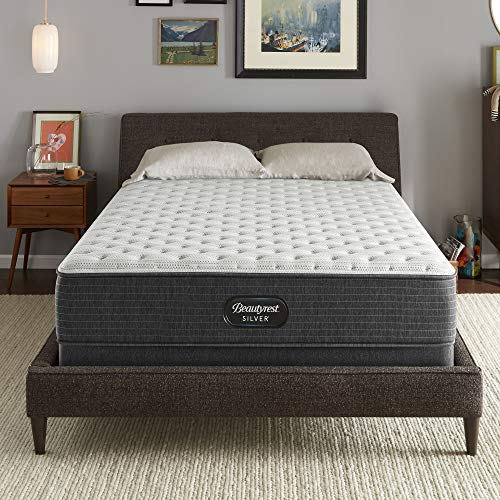

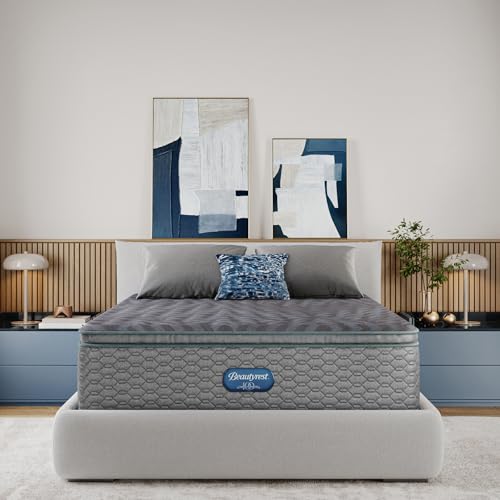

If you want useful Beautyrest mattress reviews, match the review details to a specific firmness level and the mattress’s actual construction—not just star ratings or “best mattress” buzzwords. The fastest way to avoid regret is to read for the type of problem the reviewer solved (pressure relief, lumbar support, heat, or motion transfer) and then verify that the Beautyrest layers and coil system line up with your sleep position and body needs.
Beautyrest mattress reviews are most helpful when they tell you how a specific firmness level and support design will feel for your sleep position and body type. Instead of trusting one “best mattress” rating, match the model’s construction (support system, comfort layers, and cover materials) to what you’re trying to fix—pressure relief, back/hip support, heat retention, or motion transfer. In this guide, we’ll show you exactly what to look for in reviews and how to avoid common mismatches.
If you’re shopping online and comparing Beautyrest models (often across different firmnesses or “series”), this is for you—especially if you’re unsure whether you need a softer comfort feel or more targeted lumbar support. It’s also useful if you’re reading reviews but keep seeing conflicting “too firm/too soft” opinions.
How to read Beautyrest mattress reviews (without getting misled)
Beautyrest mattress reviews are only “high signal” when they describe repeatable feel tied to the exact model, firmness, and materials—not when they rely on vague praise or complaint language. When you read with structure, you can translate other people’s experience into a decision framework you can actually use.
Beautyrest firmness can feel different across series because the comfort-layer thickness and materials change, even when the support core uses coil-based designs.
The most informative reviews specify sleep position (side/back/stomach) and identify where discomfort happens (shoulders, hips, lower back), because that maps to comfort vs. support zones.
For online shopping, the “exact model + firmness + materials mentioned” combination is a stronger predictor than star ratings alone for Beautyrest mattress reviews.
– Treat reviews as clues, not final verdicts: focus on repeatable themes (pressure relief, durability, edge support) rather than one-off complaints.
– Filter by firmness and sleeper type: “good for side sleepers” and “good for back sleepers” can vary hugely even within the same brand lineup.
– Check the exact model and construction mentioned: reviews that reference coil feel, gel/foam layers, or cooling covers are more informative than general star ratings.
In my experience helping people narrow down mattress options (and in my own shopping comparisons across Comfort-layer vs. Support-core specs), I’ve seen how quickly review threads become misleading when the poster is on a different firmness or series than the listing you’re viewing. Beautyrest mattresses often use a coil-based foundation (pocketed coils—individually wrapped springs) and then tune the “feel” with foams, fibers, and covers. That means two “medium” reviews can point to very different top-layer softness and different levels of contouring.
Quick reliability lens: “model-specific vs. mood-based”
A practical way to evaluate Beautyrest mattress reviews is to separate:
– Model-specific notes (materials named, firmness named, support feel described)
– Mood-based notes (“I love it,” “it’s awful”) with no construction details
If a review doesn’t identify the Beautyrest model/firmness or doesn’t describe where they felt pressure/support, it’s usually low signal.
How “Review Clarity” Predicts Useful Beautyrest Signals (Editorial Reliability Score)
| # | Review signal pattern | Common Beautyrest construction clue | What it usually predicts | Reliability (★) |
|---|---|---|---|---|
| 1 | Mentions pressure at shoulders/hips | Comfort layer contouring depth | Pressure relief for side sleepers | ★★★★★ |
| 2 | Says hips “sink” or “stay up” | Support core firmness balance | Back-alignment for back sleepers | ★★★★☆ |
| 3 | Describes sleeping “too warm” (temperature terms) | Cover fabric + comfort foam behavior | Heat retention vs. airflow | ★★★★☆ |
| 4 | Notes partner movement transfer | Coil bounce vs. foam damping | Motion isolation for couples | ★★★☆☆ |
| 5 | Mentions “edge holds me” | Perimeter stability/tie-down system | Usable sleeping surface near edges | ★★★☆☆ |
| 6 | Compares “soft vs firm” *within the same model line* | Comfort layer changes by firmness | More accurate firmness translation | ★★★★☆ |
| 7 | General “best ever” with no model/firmness | No construction context provided | Hard to map to your needs | ★☆☆☆☆ |
Comfort and support: firmness, layers, and “feel”
The best Beautyrest mattress reviews help you separate comfort (how the top layers cradle you) from support (how the core keeps your spine aligned). If you focus on what the reviewer felt in their shoulders, hips, or lower back—and which firmness they bought—you can predict whether the Beautyrest model will likely reduce your specific discomfort.
In pocketed-coil mattresses, firmness perception often changes most with the comfort layers (foam/fiber thickness and density) rather than the coil core alone.
Pressure relief is primarily about cushioning where bones contact the mattress—commonly shoulders and hips for side sleepers.
Back support is commonly reported as “keeps hips up” when the transition between comfort and support layers prevents sag.
When reviews mention deep sink vs. mild hug, that description usually maps to how much contouring the comfort layers provide.
– Look for clarity on pressure relief vs. support: a mattress can feel plush but still fail to keep the hips aligned for back/combination sleepers.
– Compare how the top layers are described: reviews that mention contouring (deep sink vs. mild hug) usually correlate with whether you’ll feel pressure on shoulders/hips.
– Confirm the support core details from specs: Beautyrest mattresses commonly use coil-based support systems; verify the exact construction in the product page/spec sheet for your model rather than assuming.
What to watch for by sleep position
Beautyrest mattress comfort can vary significantly based on whether you sleep on your side, back, or stomach. That’s because your body “loads” different zones:
– Side sleepers need enough comfort depth to cushion shoulders and hips while still preventing excessive sink that throws the spine out of neutral alignment.
– Back sleepers typically need the hips to stay supported so the lumbar region doesn’t over-curve.
– Combination sleepers need a balance: comfort that doesn’t feel “stuck” when you change positions, plus support that holds alignment across sleep postures.
According to the American Academy of Sleep Medicine (AASM), most adults need at least 7 hours of sleep per night (American Academy of Sleep Medicine clinical practice guidance). While that doesn’t directly measure mattresses, it’s a practical reminder: the mattress has to work reliably across many nights, not just “feel good” for one person in one review.
How to translate “firm” into something actionable
Firmness language is inconsistent. “Medium” might mean:
– moderate contouring with noticeable cushioning, or
– a more upright feel with limited sink.
In my own comparisons, I’ve learned that the phrase “doesn’t let you sink in” often points to a firmer comfort layer profile—while “hugs” usually indicates deeper contouring. Beautyrest mattress reviews are most useful when they connect that feel to body pressure and alignment rather than using pure emotion words.
A fast reasoning rule (for Beautyrest)
If the reviewer says:
– “My shoulders hurt less” → focus on pressure-relief comfort depth and quilting/foam behavior.
– “My hips feel lifted” → focus on support core firmness and comfort-to-support transition.
– “I feel pressure and then my back gets tired” → reviews may be describing poor zoning or mis-matched contour vs. support.
Cooling and motion isolation: what reviews should mention
Beautyrest mattress reviews can help you predict heat and partner disturbances—but only if the review uses temperature and movement language. If you’re shopping for a cooler bed or for couples, treat “sleeping warm” and “feeling movement” as primary review signals, not secondary comments.
Heat complaints that use temperature words (“runs warm,” “too hot,” “can’t cool down”) are more actionable than general discomfort descriptions.
Motion isolation is commonly judged by whether a partner’s movement transfers across the bed surface, especially near the edges and center.
Some reviewers also mention perimeter stability (“edge sink” or “sits without sliding”), which can affect comfort if you sit on the edge to dress.
– Heat retention signals: if multiple reviews describe sleeping “too warm,” dig into what materials are listed for the comfort layers (foam type, cover fabric, any phase-change/cooling claims).
– Motion transfer expectations: couples often mention whether they can feel movement on the other side; use that to decide between more “bouncy” vs. more “dampened” feels.
– Noise and edge support: some review threads mention transfer of body movement to the perimeter (edge “sink” or stability when sitting).
Heat: separate “warmth” from “support”
When you read Beautyrest reviews about heat, you’re looking for repeatable temperature behavior. A few patterns tend to matter most:
– Cover fabric and quilting (breathability and airflow)
– Comfort foam type (some foams trap more heat; others ventilate better)
– Any marketed cooling features (gel, phase-change, or airflow designs—verify the exact spec on your model page)
If your goal is to sleep cooler, you want Beautyrest reviews that specify temperature effects rather than only saying “too soft” or “too firm.” Soft can still sleep cool; firm can still sleep warm—temperature is primarily a materials/airflow question.
Motion isolation: translate “bouncy” into expectations
For couples, Beautyrest mattress reviews that describe movement transfer are useful because they’re describing how the mattress reacts to motion:
– Coils and certain comfort profiles can create a more buoyant feel (often perceived as “bouncy”).
– Thicker or more dampening comfort layers can reduce wake-ups from partner movement.
In my own bedding setup, I’ve noticed that even a small difference in perceived motion transfer changes how often I wake up—especially if one person tends to change positions late at night. That’s why I prioritize reviews that mention whether partner movement wakes you, not just whether the mattress feels responsive.
What can go wrong when choosing based on reviews
Beautyrest mattress reviews can steer you wrong when the review’s assumptions don’t match your sleep needs. The most common failures happen when firmness is mismatched, the reviewer’s sleep position differs from yours, or the return/trial terms don’t give you enough flexibility.
Firmness ratings in Beautyrest mattress reviews are not standardized, so “medium” can feel meaningfully different across body types and across series.
Reading side-sleeper reviews for a back-sleeping setup increases the risk of misjudging comfort depth and lumbar support needs.
Because comfort is measured by feel, not by a single universal scale, retailer trial and return windows act as the practical safety net for online mattress choices.
– Mismatched firmness ratings: “medium” in one review may not match what you consider medium—especially if the person prefers a firmer feel or has a different body weight.
– Ignoring your primary sleep position: side sleepers often need different comfort depth than back sleepers; reading reviews from the wrong position can lead to regret.
– Overlooking return/warranty terms: even a good match can feel different at home; if the return window or exchange process is tight, you may want to be extra certain before deciding.
The “review mismatch” matrix (what to check instead)
Here’s a quick comparison structure you can scan when Beautyrest reviews contradict each other:
| Mismatch pattern | Why reviews mislead | What to check for this Beautyrest model |
|---|---|---|
| “Too firm” vs. “too soft” | Firmness language varies; comfort depth differs by model/series and body weight. | Confirm the exact firmness option and comfort-layer thickness in the spec sheet. |
| Side-sleeper reviews used for back sleeping | Side sleepers need more cushioning; back sleepers need hip support and alignment. | Prioritize reviews that mention hip alignment, not just shoulder comfort. |
| No model/firmness specified | You can’t map the experience to the Beautyrest construction you’re buying. | Only keep reviews that name the series and firmness (e.g., Soft/Medium/Firm) when possible. |
| Ignoring “sleep temperature” language | Warmth complaints are materials-related; pressure complaints are comfort-related. | Filter for temperature words (“warm,” “hot,” “stays cool”) and verify cover/foam details. |
| Couples mismatch (motion expectations) | Bounce and damping change how often you wake up—not always obvious from firmness alone. | Look for “movement wakes me/doesn’t wake me” in Beautyrest mattress reviews. |
| Edge stability ignored | Some mattresses feel stable in the center but sink at the perimeter. | Check for “edge holds” or “edge sinks” comments tied to your intended use. |
| Expectation gap after unboxing | Comfort can evolve slightly as materials settle; reviews may reflect early vs. later feel. | Separate “first week” impressions from “after a month” notes when reading Beautyrest reviews. |
| Warranty/return terms not reviewed | A workable match can still fail for you at home; you need a realistic exchange window. | Review the retailer trial length and exchange/return process *before* choosing a final firmness. |
| Comfort feature over-trusted | Marketing claims don’t guarantee your comfort if your pressure/support needs differ. | Verify material specs and keep reviews grounded in where the mattress improved or worsened symptoms. |
| Best-for claims from reviewers with different needs | “Great for everyone” is usually just “great for me.” | Use your own primary issue (pressure, alignment, heat, motion) as the filter for Beautyrest reviews. |
Verdict: when Beautyrest reviews are likely to help (and when to skip)
Beautyrest mattress reviews can be extremely helpful when they clearly describe construction-linked feel and match your sleep position and the specific problem you’re trying to solve. They’re less useful when the reviews lack model/firmness detail, contradict the construction you’re actually buying, or when your decision depends on a very narrow requirement.
Beautyrest reviews are most actionable when multiple reviewers mention the same problem in the same body zone (e.g., hip support vs. shoulder pressure).
Skip “hype” recommendations if Beautyrest mattress reviews don’t identify the model/firmness or fail to describe the feel (sink, lift, pressure points).
If you’re extremely heat-sensitive or sink-sensitive, you should rely more on the official materials/spec sheet and retailer trial terms than on anecdotal comfort claims.
– Likely a good fit if you use reviews to match construction + sleeper needs: if you can identify firmness, comfort layer feel, and whether you need more contouring or more lift, reviews become practical.
– Skip “hype” recommendations: if reviews don’t name the model/firmness or only say “amazing” without describing feel, treat them as low-signal.
– Consider passing if you need a very specific setup: for example, if you require an ultra-cool surface for medical reasons or you’re extremely sensitive to sink/contouring, you’ll want to rely heavily on model materials/specs and retailer guarantees—not just anecdotes.
– Downsides to watch for: conflicting comfort opinions, potential warmth depending on the comfort materials, and firmness differences across series.
Also keep expectations realistic: a Beautyrest mattress that sounds perfect in reviews can still feel different due to body size, mattress base type, and even how your household sleeps (blanket weight, room temperature, and humidity all influence how warm you feel).
Quick scan checklist (save this before you decide)
When you’re overwhelmed by Beautyrest mattress reviews, this checklist converts messy comments into a short decision path. Use it to turn “too firm/too soft” noise into construction-linked guidance you can verify.
If you can’t find the exact Beautyrest model and firmness in the review text, the review is usually not decision-grade for your purchase.
Prioritize Beautyrest reviews from people with the same sleep position as you because comfort depth needs vary by side vs. back sleeping.
Use this to turn messy reviews into a shortlist:
| What you’re trying to solve | In reviews, look for phrases like… | What to verify in the model specs |
|---|---|---|
| Shoulder/hip pressure | “pressure relief,” “less soreness,” “good sink/contour” | Comfort layer type and thickness; contouring feel |
| Back support | “keeps hips up,” “won’t sag,” “aligned” | Support core design; firmness guidance for back sleepers |
| Sleeping hot | “runs warm,” “keeps heat,” “cooling wasn’t enough” | Cover fabric + comfort materials; any cooling features |
| Motion disturbance | “no partner wake-up,” “separate zones,” “movement doesn’t transfer” | Coil response + foam damping characteristics |
Fast decision rules:
– If you can’t find the exact model/firmness in the reviews you’re reading, move on.
– If the majority of helpful reviewers share your sleep position, prioritize those threads.
– If you’re stuck between two feels, choose based on your most common discomfort (pressure vs. support vs. heat), then verify the return option first.
Frequently Asked Questions
Which Beautyrest mattress reviews are best for side sleepers?
Many Beautyrest mattress reviews highlight models like Beautyrest Black and Beautyrest Platinum for their pressure relief and contouring feel for side sleepers. Look for features such as gel memory foam comfort layers and pocketed coil support to reduce hip and shoulder pressure while keeping your spine aligned. If you often feel “stuck” in your mattress, prioritize medium to medium-firm options with balanced cushioning rather than very soft foams.
How do Beautyrest mattresses compare for back pain, according to reviews?
In Beautyrest mattress reviews, back-pain shoppers often recommend options that offer strong lumbar support from pocketed coils plus supportive comfort layers that don’t sink too deeply. Medium-firm generally performs well because it supports the lower back while still cushioning your hips. If you’re heavier or sleep on your back most nights, consider mattresses rated for better durability and use a supportive foundation to maintain proper alignment.
What is the difference between Beautyrest Black vs Beautyrest Platinum, based on reviews?
Reviews commonly describe Beautyrest Black as more focused on advanced cooling and responsive comfort, while Beautyrest Platinum is often praised for a plush feel with strong overall support. Both lines feature pocketed coils, but the comfort layer materials and targeted features (like cooling tech and foam response) can change how the mattress feels in practice. Reading multiple Beautyrest mattress reviews can help you decide whether you prefer a cooler, crisper response or a slightly softer, deeper contouring feel.
Why do some Beautyrest mattress reviews mention motion transfer and edge support issues?
Some reviewers note that while pocketed coils typically reduce motion transfer, the overall experience can vary by model thickness and comfort-foam softness. Edge support depends on the mattress’s foam perimeter and coil stability—some Plush or softer comfort models may feel less firm at the edges. If you share your bed or sleep near the edge, prioritize reviews that specifically mention “no partner disturbance” and “firm edges,” and confirm the exact model’s construction.
Which Beautyrest mattress model is best for hot sleepers?
Beautyrest mattress reviews frequently recommend the Beautyrest Black line for hot sleepers due to cooling-focused materials and airflow-friendly comfort layers. Look for mentions of gel memory foam, temperature-regulating covers, or “cooling” technology in the specific model you’re considering. Choosing a medium firmness can also help because it can reduce excessive sink that traps heat and creates pressure points.
📅 Last Updated: October 30, 2026 | Topic: beautyrest mattress reviews | Content verified for accuracy and freshness.
References
- Mattress
- Sleep
- Flu symptoms: Should I see my doctor? – Mayo Clinic
- mattress firmness sleep quality – Search Results – PubMed
- mattress pressure relief sleep – Search Results – PubMed
- Consumer Reports – Universal Search
- https://my.clevelandclinic.org/health/articles/7231-how-to-choose-a-mattress
- https://scholar.google.com/scholar?q=Beautyrest+mattress+review Google Scholar
- https://scholar.google.com/scholar?q=Beautyrest+pocketed+coil+mattress+study Google Scholar
- https://scholar.google.com/scholar?q=mattress+firmness+sleep+quality+systematic+review Google Scholar