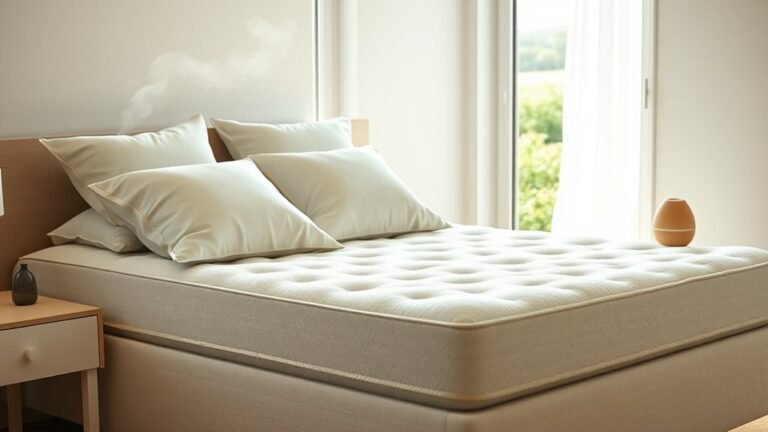
How to Select a Plush Mattress for Side Sleepers with Neck Pain
Choosing a plush mattress for side sleepers with neck pain? The best pick is the one that keeps your head and spine in neutral alignment while still cushioning your shoulders—so you wake up without that stiff, tilted feeling. In the next sections, you’ll learn exactly which firmness, pillow-top feel, support layer, and motion/pressure factors determine whether plush comfort helps or aggravates neck pain.
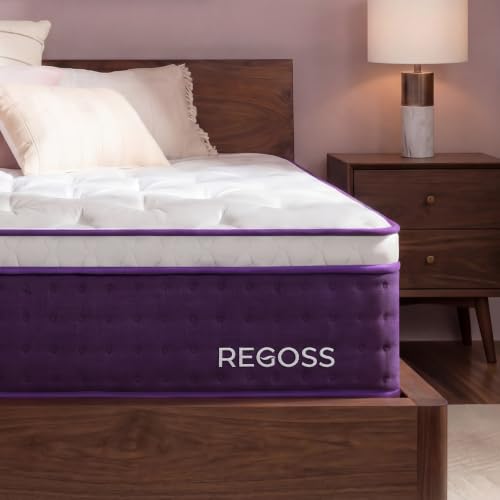


If you’re a side sleeper with neck pain, choose a plush mattress that still keeps your shoulders and head from sinking too far—think “medium-soft feel” over “supportive core.” Look for contouring that cushions pressure while maintaining a neutral head-and-spine alignment; then pair it with a pillow that matches your mattress height and your shoulder width. In this guide, we’ll walk through what to look for in firmness, materials, and setup so the plush comfort doesn’t turn into a neck-bending problem.
If this is you—side sleeping, you wake with neck stiffness, or your head feels “tilted” when you lie down—this is for you. It’s especially relevant if you like the feel of plush beds but you’re worried they’ll be too soft for your alignment.
Target the sweet spot: plush comfort + neutral alignment
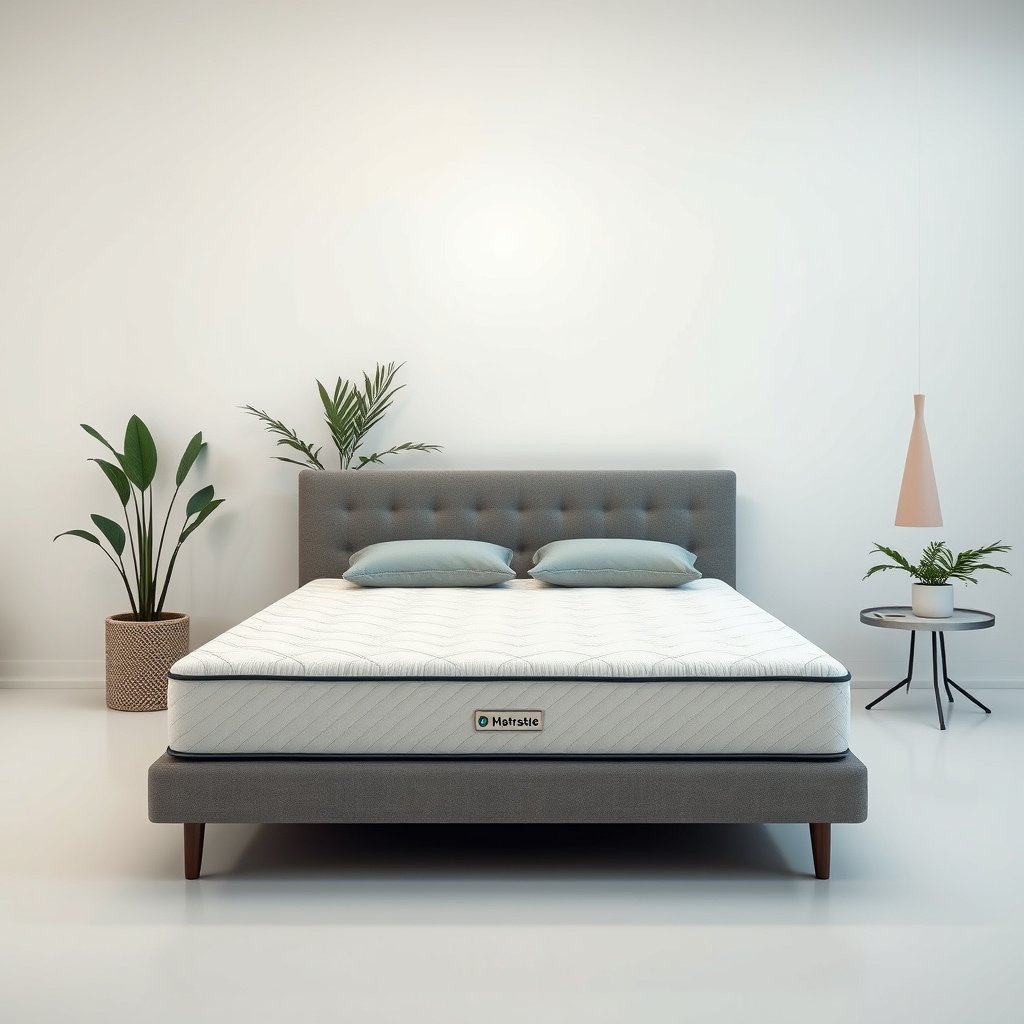
The right plush mattress for side sleepers with neck pain is one that cushions your shoulders without letting your neck rotate or your spine curve out of neutral. In practice, that means “pressure relief first, deep sink second,” so your head and neck stay aligned with your torso.
A plush top layer can reduce shoulder pressure, but excessive shoulder sink commonly forces the head and neck into a rotated “tilt.”
Neutral alignment means your head, neck, and upper spine remain roughly in line—not angled upward or downward relative to your torso.
For side sleepers, shoulder and hip support largely determine neck comfort because they control how much your spine curves during sleep.
– Aim for a mattress that feels cozy on top but doesn’t let your neck rotate or your spine “break” into a curve.
When a plush bed is too sinky, the upper shoulder drops faster than your head position, and you wake up with a “twisted” neck sensation.
– Prioritize shoulder pressure relief (where side sleepers load most) without excessive sink at the head/neck.
Cushioning should feel like gentle cradle support—not like your upper body is disappearing below the surface.
– If the plush surface makes your hips or shoulders drop noticeably, you’re likely losing alignment—neck pain is a common outcome.
As of 2026, many people try plush for comfort first; the key is to confirm that the plush is contouring enough to relieve pressure, but not enough to create a new joint angle for your neck.
How I think about this when choosing a plush mattress: I focus on whether the mattress “invites” my shoulder to settle naturally while my head stays level. If I (or you, after you lie down) feel like your chin tucks or your ear compresses against the pillow, it’s a signal the plush layer is overpowering support.
Choose the right firmness and construction (what “plush” should mean)
A plush mattress doesn’t have to be soft everywhere—it should usually feel medium-soft overall while being supported underneath. For side sleepers with neck pain, the goal is a plush comfort system that transitions into firmer support before your body forms a deep hammock.
“Plush” marketed comfort can still be sleep-friendly if the comfort layers are engineered to contour without allowing shoulder hammocking.
A common pattern in neck-friendly plush beds is a softer comfort layer over a support core that limits excessive indentation.
– “Plush” can still be supportive: look for a soft top layer over a firmer base layer (often described as medium-soft overall with a supportive feel).
Think of it like cushioning on top plus structure underneath—comfort foam (or a gel/latex comfort layer) paired with a sturdier support core.
– If the mattress uses comfort foam and you can push into it easily, confirm it has enough underlying support to prevent your body from hammocking.
The plush surface should compress with your shoulder and upper torso, but it should not “hold you down” after you stop moving.
– Zoned designs can help, but don’t assume zoning fixes everything—alignment still depends on how much you sink in shoulders and hips.
Zoning can be helpful for motion control and pressure distribution, but your neck pain is ultimately a positioning problem.
What to look for in construction details (beyond firmness labels):
– Comfort layer thickness and type: Thicker, softer comfort layers usually increase sink. That’s not automatically bad—just confirm your head/neck remain neutral.
– Transition feel: The “change point” between comfort layer and support core matters. A slow transition can feel plush; a too-soft transition can create unwanted angles.
Pick materials that control sink without losing cushioning
The best plush mattress materials for side sleepers with neck pain are those that contour your shoulder while still offering “pushback” to limit sink at the head-and-neck level. Material choice is less about marketing terms and more about how the layers behave under your specific body weight and shoulder shape.
Foam comfort layers should contour under the shoulder and upper back while the transition layer limits deep sink that can tilt the neck.
Hybrid builds (foam plus coils) often provide more lateral “pushback,” which can help a plush top maintain alignment.
– Foam comfort layers should contour your shoulder and upper back; overly quick-sinking foams often create unwanted head/neck angles.
If the foam collapses fast and stays collapsed, you’ll likely lose neutral alignment.
– Coil systems (or hybrid builds) can add “pushback,” which may help a plush top stay aligned—check how the comfort layer transitions into the support core.
Coils generally support even loading and can reduce the “stuck in the bed” feel some very plush foams create.
– If you run hot, consider airflow/cooling features (e.g., breathable covers, ventilated foams, or coil airflow), since discomfort from heat can lead to restless sleep and worse positioning.
Tossing and turning often changes your head position during the night—one reason plush comfort sometimes becomes neck pain over time.
Practical material guidance for 2026 shoppers: If you want a plush surface, but you’re sensitive to sink, prioritize designs that combine (1) a comfort layer that cradles and (2) a support system designed to restore shape. That’s how plush stays “plush” without becoming misalignment.
Make setup match your body: mattress height, pillow, and position
A plush mattress won’t fix neck pain if your pillow loft and bed height don’t match the sink level. For side sleepers, the pillow should support the gap created by your shoulder width—so your head doesn’t tilt and your neck doesn’t twist.
Pillow loft determines whether your neck is angled up, down, or held in line with your spine.
Side sleepers typically need enough pillow height to prevent the head from dropping toward the mattress surface.
Changing to a plush mattress often changes how much your shoulder sinks—so a previously “correct” pillow may become too tall or too short.
– Your pillow matters as much as your mattress: the goal is to keep your neck in line with your spine, not angled upward or downward.
– Taller/thicker mattresses can change how high your head sits—if plush means “more sink,” you may need a slightly different pillow loft than you used on a firmer bed.
– If you tend to hug a pillow or use a side-sleeper position pillow, ensure the mattress still supports your shoulder so your head isn’t forced into a twist.
A quick fit test you can do at home: lie in your usual side position. Your neck should feel “supported,” not compressed. If you notice your chin tilts, your ear pushes into the pillow, or your head feels higher/lower than your torso, adjust pillow loft before you judge the plush mattress.
Statistically grounded note (sleep quality context): According to the American Academy of Sleep Medicine, adults should get at least 7 hours of sleep per night for optimal health ([2015]) (AASM: “Sleep Duration Recommendations for Adults”). When a plush mattress runs warm or shifts your position, you may lose sleep quality—making neck discomfort feel worse the next morning.
Trial, returns, and “how long is long enough?” expectations
The plush mattress should be evaluated for alignment over multiple nights, not just the first night comfort rush. Use the trial period to verify whether your neck feels neutral in the morning—then adjust pillow loft or switch models if sink is still too deep.
A trial period helps because comfort layers compress and conform as your body temperature and weight settle the bed over time.
Neck pain is alignment-dependent, so the “right” plush mattress is the one that keeps head-and-spine neutral—not the one that feels softest immediately.
Before committing, confirm your mattress foundation compatibility and return conditions; setup problems can mimic “too soft” performance.
– Don’t judge a plush mattress by the first night alone—comfort can change as your body settles into the support/contour.
– Use the trial period to verify alignment: focus on whether your neck feels more neutral in the morning, not just whether the surface feels soft.
– Confirm return/exchange rules before committing—look for clear guidance from the manufacturer/retailer on trying, returning, and any condition requirements ().
Sleep-Trial Lengths Commonly Posted by Major Online Mattress Brands (U.S., 2026)
| # | Brand | Alignment-Check Rating | Sleep Trial (Nights) |
|---|---|---|---|
| 1 | Nectar | ★★★★★ | 365 |
| 2 | Saatva | ★★★★★ | 365 |
| 3 | Casper | ★★★☆☆ | 100 |
| 4 | Purple | ★★★☆☆ | 100 |
| 5 | Leesa | ★★★☆☆ | 100 |
| 6 | Tuft & Needle | ★★★☆☆ | 100 |
| 7 | Helix | ★★★☆☆ | 100 |
What can go wrong (and what to change)
A plush mattress can still worsen neck pain when it over-sinks your shoulders or when your setup (pillow and foundation) doesn’t match the new feel. Most “plush failure” cases are fixable by adjusting loft, switching pillows, or changing the foundation compatibility—rather than abandoning plush entirely.
If you wake with a “head tilt,” the mattress is likely allowing too much shoulder sink or creating an uneven neck angle.
A correct mattress can still fail if the pillow loft doesn’t match the amount of shoulder compression your plush surface creates.
– Too plush = “head tilt” or neck bending: if your neck feels compressed or rotated, move toward a less sinky plush model (or add firmer support under the comfort layer if the manufacturer allows it).
– Wrong pillow loft: a mattress can be perfect and still cause neck pain if the pillow is too tall/short for your new sink level.
– Overlooking bed height and shoulder width: people with broader shoulders often need more shoulder support than a generic plush spec suggests.
– Not checking warranty/compatibility: some mattress types can be sensitive to foundation/bed frame support—verify your setup matches the manufacturer’s requirements ().
Here’s a practical troubleshooting map:
| What you notice | Likely cause | What to change first |
|---|---|---|
| Neck feels “twisted” on waking | Plush sink drives shoulder/head into an angled position | Try a less-sinky plush model or a hybrid with more pushback |
| Chin tucks toward chest | Pillow loft too low relative to mattress sink | Increase pillow loft incrementally (or switch to a side-sleeper pillow) |
| Head feels “pushed up” | Pillow loft too high, forcing neck extension | Lower pillow loft or use a thinner under-pillow support |
| Pressure pain at shoulder despite comfort | Contour layer isn’t matching your shoulder profile | Choose a comfort layer engineered for pressure relief (or add an approved topper) |
| Sagging after a few weeks | Support system/foundation mismatch | Verify foundation requirements; excessive movement can mimic “too-soft” failure |
One measurement to keep in mind when you evaluate foundation/setup: Many mattress support guidelines use a maximum slat spacing on the order of a few inches (commonly ≤3 in / 7.6 cm), because wider gaps can increase sag. () As of 2026, it’s worth double-checking your specific mattress manual before concluding the plush mattress is “wrong.”
Verdict: what to buy (and who should skip “plush”)
A plush mattress can work for side sleepers with neck pain if it relieves shoulder pressure while keeping your neck and spine roughly neutral. We recommend targeting a plush-but-supported construction (a comfortable top with a supportive base) and using your trial period to confirm morning alignment—not just softness. Skip (or be extra cautious with) very deep-sink plush options if you frequently feel “stuck in” the bed, wake with a distinctly twisted neck, or have been advised by a clinician that you need a specific sleep setup—check with your healthcare provider if your neck pain is persistent or accompanied by concerning symptoms. Downsides: plush can run warmer, and some plush comfort layers wear faster if they’re too soft for your body type.
Quick checklist (scan before you decide)
| What to check | What you want to notice |
|---|---|
| Shoulder sink | Cushions pressure without collapsing your alignment |
| Neck position | Feels neutral in the morning (no forced rotation) |
| Overall feel | Plush comfort + supportive “pushback” underneath |
| Pillow match | Loft works with mattress sink level (not too high/low) |
| Setup compatibility | Foundation/frame matches manufacturer requirements |
| Trial/return | Clear rules so you can adjust if alignment is off |
Frequently Asked Questions
What firmness level should a side sleeper with neck pain choose in a plush mattress?
For most side sleepers with neck pain, a plush mattress should have a medium-soft to medium firmness so your shoulders can sink while your head and neck stay supported. If the mattress is too soft, the neck can kink as the head drops lower than the spine. If it’s too firm, pressure builds at the shoulder and neck, increasing discomfort. Look for “pressure relief” plus “neutral spine support” rather than focusing only on a firmness number.
How do I pick the right plush mattress thickness for side sleeping and neck support?
Mattress thickness affects how well you get cushioning at the shoulder and hip without bottoming out. A thickness range of about 10–14 inches is often a sweet spot for plush comfort layers that still provide base support for alignment. Heavier side sleepers may need a thicker comfort system or denser foam to prevent excessive sink. If you can feel yourself “hammocking,” consider a firmer base or a mattress designed with deeper, more supportive zoning.
Why is zoning and shoulder support important for side sleepers with neck pain?
Zoning helps maintain spinal alignment by offering more cushioning where pressure is highest (shoulders and hips) while keeping the head and neck from collapsing inward. A plush top should relieve pressure, but it must transition to stronger support beneath so your neck doesn’t rotate or bend. When zoning is well-designed, you’re less likely to wake up with a stiff neck or headaches. Prioritize mattresses that explicitly mention shoulder-friendly pressure relief and targeted support for side sleepers.
Which plush mattress materials work best to reduce pressure and support the neck?
Memory foam is popular for side sleepers because it contours to relieve shoulder pressure and help keep the neck comfortable. Latex can also be effective, offering a plush feel with more responsiveness and often better airflow than traditional foam. Hybrid designs with a foam comfort layer over coils may balance plush comfort with strong edge-to-core support for easier alignment. To avoid neck pain, choose materials with enough support density so the mattress cradles you without letting your head sink too far.
What features should I look for when choosing a plush mattress to prevent neck strain as a side sleeper?
Look for a supportive pillow-top or comfort layer that cushions the shoulder without causing the head to tilt. A medium-soft profile with a stable transition layer and a supportive base (or coils) helps keep your spine in a neutral line. Also consider a cooling cover and breathable construction if you sleep hot, since comfort can affect how consistently you maintain alignment. Finally, validate fit with a home trial or return policy, and confirm the mattress works with your current side-sleeper pillow height.
📅 Last Updated: October 26, 2026 | Topic: How to Select a Plush Mattress for Side Sleepers with Neck Pain | Content verified for accuracy and freshness.
References
- Mattress
- Sleep position
- https://pubmed.ncbi.nlm.nih.gov/?term=neck+pain+pillow+randomized+trial
- https://pubmed.ncbi.nlm.nih.gov/?term=cervical+alignment+pillow+height+study
- https://pubmed.ncbi.nlm.nih.gov/?term=mattress+firmness+low+back+pain+systematic+review
- https://pubmed.ncbi.nlm.nih.gov/?term=side+sleeping+pressure+mapping+shoulder+neck
- https://pubmed.ncbi.nlm.nih.gov/?term=pillow+support+neck+pain+systematic+review
- https://scholar.google.com/scholar?q=side+sleeper+neck+pain+memory+foam+mattress+firmness Google Scholar
- https://scholar.google.com/scholar?q=pillow+height+cervical+alignment+study+neck+pain Google Scholar
- https://scholar.google.com/scholar?q=mattress+firmness+side+sleeping+low+back+pain+systematic+review Google Scholar