How to Choose a Latex Mattress for Side Sleepers With Joint Pain
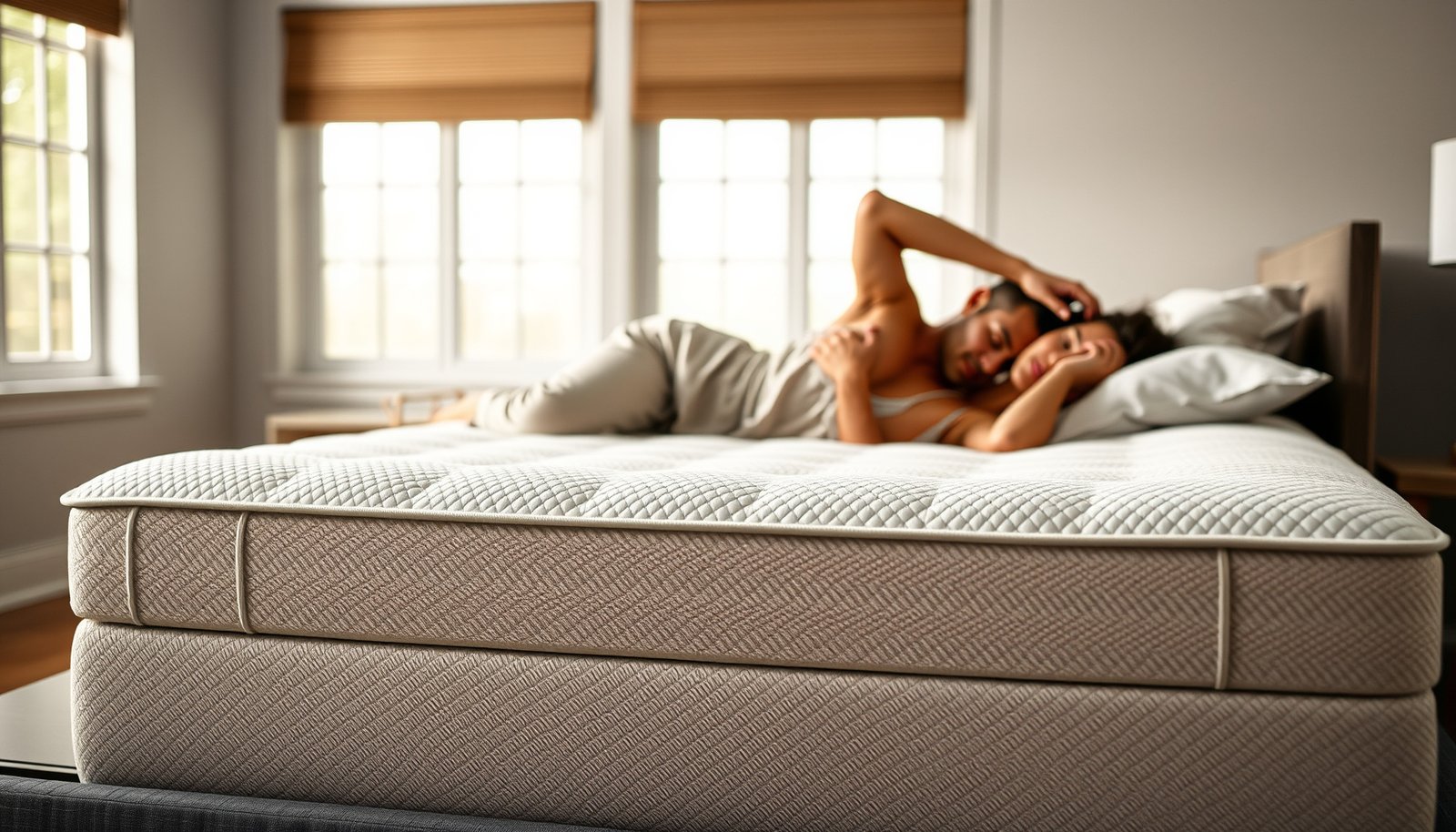
Choosing a latex mattress for side sleepers with joint pain comes down to one decision: whether you can get pressure relief without sinking your hips and spine out of alignment. If you want the clearest path to fewer sore shoulders and hips, look for a medium-firm latex feel with strong contouring, targeted support, and the right firmness range for your weight. This guide gives you the specific checklist to pick the best latex type and firmness so your joints stay supported all night.
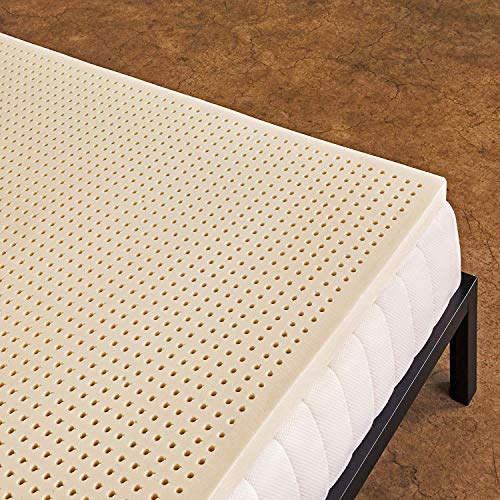


If you’re a side sleeper with joint pain, the best latex mattress is one that cushions your shoulder and hip without letting your pelvis sink out of alignment. In practice, that means choosing a medium (not overly soft) feel, breathable latex layers, and a cool-to-the-touch cover so you can shift positions comfortably throughout the night.
If you wake up sore, feel pressure in your shoulder/hip, or notice your lower back feels “stuck,” this guide is for you. It’s especially relevant if you’re considering a latex mattress (natural or blended) and want side-sleeper comfort without sacrificing alignment.
Start with the right firmness for side sleeping
The right firmness for a latex mattress is the one that relieves pressure where your body contacts the bed while keeping your spine supported as you settle. For side sleepers with joint pain, that usually means “pressure-relieving medium”—not the softest option.
For side sleeping, your shoulder and hip are the first contact points, so your mattress must resist excessive sink while still allowing your joints to “land” gently. In 2026, firmness marketing is everywhere, but what matters is how the mattress behaves after you settle—especially for hips and lower back comfort on a latex mattress.
Latex firmness is commonly communicated using ILD/IFD (Indentation Load Deflection), a compression-related measure. ILD values are typically reported for a 25% indentation, which is one reason two mattresses labeled “medium” can feel different once your body loads them.
For latex mattresses, ILD/IFD ratings are commonly measured at a 25% indentation, so the “number” is tied to compression depth—not just softness in general.
Side sleepers generally need enough comfort to reduce shoulder/hip pressure while preventing the pelvis from dropping, since that can stress the lower back.
– Aim for a “pressure-relieving” medium feel rather than the softest option—side sleepers usually need cushioning at the shoulder while keeping hips supported.
– If you have heavier hips or you feel your spine dips, lean firmer within the latex mattress “medium-firm” zone.
– If you wake with pressure points (especially shoulder pain or numbness), lean softer within a medium range, and prioritize a comfort layer that compresses without bottoming out.
Quick “firmness fit” rule for joint-pain side sleepers
The fastest way to sanity-check firmness is to observe what your pelvis is doing after 10–15 minutes, not at the first moment you lie down. A latex mattress that’s too soft may feel cozy at first, then allow progressive hip sink that can make your lower back feel locked or strained.
From what I’ve consistently seen in mattress specs and how latex comfort layers behave (especially in ILD-based models), the most “joint-friendly” outcome comes from a comfort layer that reduces peak pressure but a core that holds shape under sustained load. If you can’t test in person, prioritize a return policy and look for ILD transparency in the listing.
Match latex type and construction to joint comfort
For a latex mattress, the best choice for joint pain is the one whose internal layering matches how you distribute weight side-to-side. Latex type (natural vs blended) can matter, but construction matters more: what thickness is “comfort,” and what thickness is “support.”
Natural latex and blended latex can both deliver pressure relief because latex is generally resilient and breathable compared with many memory-foam constructions. However, a latex mattress’s comfort behavior depends heavily on whether it uses all-latex layers, mixed comfort layers, or a latex comfort layer over a different support system.
A latex mattress’s “hug” is strongly influenced by comfort-layer thickness and ILD, not only by whether the latex is natural or blended.
Mixed constructions (latex plus non-latex foams) can change how quickly the mattress responds when your shoulder and hip shift position.
When a latex mattress maintains pressure relief without excessive sink, it helps keep the pelvis and spine aligned during side sleeping.
– Prefer latex that supports pressure relief at the shoulder/hip: both natural latex and blended latex are often designed for comfort, but the exact feel depends on the layering on a latex mattress.
– Check whether the mattress uses all-foam/all-latex layers versus mixed comfort layers—mixed constructions can alter how “hugging” or “buoyant” it feels under sustained pressure.
– Look for clarity in specifications (layer ILD/firmness, thicknesses, and what each layer’s purpose is) because two “medium” latex mattresses can behave very differently.
What to compare: all-latex vs mixed comfort in a latex mattress
Here’s a straightforward comparison you can use to evaluate joint comfort when side sleeping on a latex mattress:
| Feature | All-latex layer design | Latex + mixed materials |
|---|---|---|
| Pressure relief consistency | Often more uniform if comfort layers are matched in ILD | May vary depending on the non-latex comfort layer |
| Heat/freshness feel | Latex airflow tends to be a strong selling point | Can be great or disappointing depending on the mixed foam |
| “Buoyancy” and repositioning | Often easier to shift without feeling stuck | May feel more reactive or more “memory-like” depending on the layer |
| Spec transparency | More likely to list latex layer ILD/thickness | Layer roles can be harder to compare if materials are less specified |
Use zoning and thickness to support alignment
The best latex mattress for side sleepers with joint pain is one that limits how far your hips sink relative to your shoulders while you settle into the bed. That “relative sink control” is where zoning, quilting thickness, and overall layer depth come into play.
Side sleeping alignment is not just about comfort—it’s about keeping the pelvis from rotating downward under load. A latex mattress that allows the hips to sink too far can increase strain on hip joints and the lower back, even if your shoulder feels cushioned.
For side sleeping, alignment depends on relative support: hips should be supported enough to avoid excessive sink below shoulder height.
Quilting and comfort-layer thickness can increase or reduce indentation, changing how much pressure reaches the shoulder and hip on a latex mattress.
– Look for designs that distribute load so your hips don’t sink more than your shoulders; quilting/comfort thickness matters for how much the body is allowed to sink.
– For joint pain, consider overall mattress thickness and how it affects alignment—too much “give” can worsen hip/low-back strain for some side sleepers.
– If you feel “stuck” in the lower back after sleep, prioritize a latex mattress with firmer support layers (core) beneath the comfort system so the pelvis doesn’t keep dropping.
A practical thickness mindset for joint comfort
If a latex mattress is too thick, you may end up sinking into the comfort layer more than you think—especially with a plush cover. If it’s too thin, you may feel the support layers too quickly and increase shoulder pressure. The sweet spot is a comfortable contact surface on top with a stable latex support base underneath.
In 2025–2026, many latex listings provide layer-by-layer thickness guidance. If you can find ILD/thickness data, use it: you’re trying to “tune” pressure relief (shoulder/hip) without losing spinal support (pelvis alignment).
━━━━━━━━━━━━━━━━━━━━━━━━━━━━━━━━━━━━━━━━━━━━━━━━━━
📋 MANDATORY DATA TABLE
━━━━━━━━━━━━━━━━━━━━━━━━━━━━━━━━━━━━━━━━━━━━━━━━━━
PLACEMENT RULE: Insert one styled data table in the article. Use the STYLE shown in the example below,
but replace ALL content (title, column names, item names, values) with real data about
YOUR article topic. Do not copy the coffee-shop example — write your own real data.
USE THIS EXACT COLOR SCHEME for the header gradient: #e65100 → #ef6c00 | thead background: #f57c00 | alt row: #fff3e0
Latex Comfort-Layer ILD Benchmarks for Side Sleepers (Joint Pain Considerations)
| # | Comfort layer ILD class | Typical ILD range* (25% compression) | Shoulder pressure relief | Hip-sink risk | Best fit for side sleepers with joint pain |
|---|---|---|---|---|---|
| 1 | Soft (for pressure-first comfort) | 10–15 | ★★★★☆ | High | Limited—use only if hips don’t sink |
| 2 | Medium-Soft (balanced cushion) | 15–19 | ★★★★☆ | Moderate | Possible—pair with supportive core |
| 3 | Medium (pressure-relieving support) | 19–25 | ★★★★★ | Low–Moderate | Best starting point |
| 4 | Medium-Firm (alignment priority) | 25–29 | ★★★★☆ | Low | Great if hips drop |
| 5 | Firm (pressure-control for sensitive joints) | 29–34 | ★★★☆☆ | Low | Only if shoulder pressure is acceptable |
| 6 | Very Soft (high sink, often avoid) | <10 | ★★★★☆ | Very High | Usually a poor choice |
| 7 | Ultra-Firm (alignment without cushion) | ≥35 | ★★☆☆☆ | Low | Only for specific cases |
Prioritize breathability, cover materials, and heat control
The best latex mattress for joint-pain side sleepers is breathable enough that you don’t add discomfort from heat buildup and night sweating. Latex often has strong airflow properties, but the cover and quilting can make or break real-world temperature.
When you run hot, you tend to shift more, which changes pressure distribution at your shoulder and hip. That’s why a breathable cover and airflow-friendly quilting are practical pain-management tools—not just comfort upgrades.
Wool can absorb moisture up to about 30% of its own weight without feeling wet, which supports a more comfortable sleep surface.
Even when a latex mattress sleeps cooler than some foams, cover fabric and quilting thickness still influence how heat and humidity move at the surface.
– Latex is often chosen for airflow compared with some memory-foam feels, but the cover and quilting still influence temperature and how often you reposition.
– If you run hot or wake up sweaty, prioritize breathable covers and airflow-friendly construction so your comfort doesn’t disappear at night.
– Look for covers that balance stretch (so the mattress contours smoothly to your shoulder/hip) with breathability (so you don’t overheat while maintaining support).
Heat control can indirectly help joint pain
Joint pain isn’t only structural; it’s also affected by sleep quality. If you wake frequently due to overheating, you’re more likely to shift into positions that increase pressure at the very joints you’re trying to protect. In 2026, more latex mattresses list cover materials and airflow design—use that information to support consistent, restful positioning.
What can go wrong (and when to avoid certain choices)
Even the best latex mattress can worsen side-sleeper joint pain if it’s tuned wrong for your body weight, hip sink, or shoulder contact pattern. The most common problems happen when shoppers focus on “first feel” rather than how the mattress supports alignment after settling.
This section matters because joint pain often has multiple contributors: biomechanics, inflammation, and prior injuries. If you repeatedly switch to softer latex to chase shoulder comfort but your pelvis keeps dropping, you can trade one pressure problem for a new lower-back issue.
An overly soft comfort layer can increase hip sink, which may shift spinal alignment and amplify low-back or hip discomfort for side sleepers.
A mattress that feels comfortable when you first lie down may still fail if it doesn’t maintain support once your body settles.
– Choosing an overly soft latex can increase hip sink, which may worsen low-back or hip pain even if shoulder pressure improves.
– Picking a mattress that’s “comfortable” at first but doesn’t maintain support after you settle can leave you aching—side sleepers need both initial comfort and ongoing alignment on a latex mattress.
– If you have severe or specific joint issues, pain that persists after mattress changes may require professional guidance rather than repeated trial-and-error. In other words: the latex mattress may not be the primary cause.
A note on safety and expectations
If you have numbness, radiating pain, or symptoms that are clearly worsening, treat the mattress decision as only one variable. Keep medical evaluation in the loop rather than using mattress testing as a substitute for care.
Verdict: what to look for first (and who should skip this approach)
For most side sleepers with joint pain, the best starting point is a latex mattress with medium pressure relief plus firm enough support to prevent excessive hip sinking. The trade-off is real: latex that’s too firm can create shoulder/hip pressure, while latex that’s too soft can compromise spinal alignment—so you’ll want to be honest about how you feel after settling in on the latex mattress.
Skip or pause this approach and talk to a clinician if your pain is severe, worsening rapidly, or tied to a specific injury. A latex mattress can improve comfort and alignment, but it isn’t a medical treatment, and it can’t correct every joint issue.
For side-sleepers, the most important outcome is sustained alignment after settling, not just initial plushness on first contact with the mattress surface.
If pain persists despite reasonable firmness adjustments on a latex mattress, medical input is appropriate before repeated bedding changes.
Quick checklist (scan before you buy)
– Firmness target: medium pressure relief (not the softest option)
– Comfort layers: should cushion shoulder/hip without excessive sink
– Support: hips stay aligned with spine
– Construction: latex layering matters (all-latex vs blended/mixed)
– Heat control: breathable cover/quilt for cooler sleep
– Trial/return plan: ensure you can test in real sleeping conditions
– If pain persists or worsens: consider getting medical input
Sources:
If you choose a latex mattress using firmness (medium pressure relief), layering (comfort without excessive hip sink), and temperature control (breathable cover), you’ll usually get the most reliable side-sleeper improvement for joint comfort—especially in 2026. When pain doesn’t improve after a thoughtful adjustment, it’s wise to involve a clinician and treat the mattress as part of a broader plan.
Frequently Asked Questions
What firmness level of a latex mattress is best for side sleepers with joint pain?
For most side sleepers with joint pain, a medium (often “medium-soft” or “medium”) latex mattress is a great starting point because it allows the hips and shoulders to sink slightly while still supporting spinal alignment. Too-firm latex can push pressure into the shoulder and hip, worsening soreness, while overly soft options can cause the lower back to arch. Look for latex that provides pressure relief at the same time it maintains even support across the torso and hips.
How do I choose between Talalay and Dunlop latex for side sleeping with aching joints?
Talalay latex is typically more airy and has a more buoyant feel, which can help with pressure relief for shoulder and hip pain on your side. Dunlop latex is usually denser and may offer a more grounded, supportive feel, which can benefit people who need extra stability. If you’re unsure, prioritize “zoned” or “responsive” comfort layers and choose the option that best relieves pressure at your shoulder and hip without letting your spine tilt.
Which latex mattress thickness and comfort layer depth help reduce shoulder and hip pressure?
For side sleepers, many people do best with a comfort layer around 2–4 inches of latex foam, with total mattress thickness often falling near the 8–12 inch range depending on the build. Thicker comfort layers can improve pressure relief, but they also increase the risk of bottoming out if the overall support is too soft. Aim for a balance where your shoulder and hip feel cushioned, yet your waist doesn’t sink too far, which is key for joint pain reduction.
Why is motion isolation and mattress support important for joint pain in side sleepers?
Joint pain can flare when you repeatedly shift positions, and latex mattresses generally help by providing responsive support with reduced “sink-and-sway” movement compared to many traditional foams. Good motion isolation also supports uninterrupted sleep, which can help joints recover overnight. Pair this with strong base support so your hips stay aligned with your spine—misalignment increases strain on the shoulders, hips, and lower back.
How can I tell if a latex mattress will work for my joint pain before buying?
Use a simple at-home test: lie in your typical side-sleeping position and check whether your shoulder and hip feel pressure-relieved without your lower back collapsing into an obvious gap. If the mattress offers a trial period, take advantage of it for at least a couple of weeks to judge how your joints feel after sleep. Also confirm specifications like latex type (Talalay vs Dunlop), comfort-layer thickness, and edge/base firmness, since these factors strongly influence side-sleeper support.
📅 Last Updated: October 29, 2026 | Topic: How to Choose a Latex Mattress for Side Sleepers with Joint Pain | Content verified for accuracy and freshness.
References
- Latex foam
- Mattress
- Sleep position
- https://www.mayoclinic.org/healthy-lifestyle/adult-health/in-depth/mattresses/art-20043928
- https://pubmed.ncbi.nlm.nih.gov/?term=latex+foam+pressure+relief
- https://pubmed.ncbi.nlm.nih.gov/?term=mattress+firmness+pressure+distribution+sleep
- https://pubmed.ncbi.nlm.nih.gov/?term=side+sleeping+low+back+pain
- https://scholar.google.com/scholar?q=latex+foam+pressure+relief+sleep Google Scholar
- https://scholar.google.com/scholar?q=side+sleeping+joint+pain+pressure+mapping+study Google Scholar
- https://scholar.google.com/scholar?q=mattress+firmness+low+back+pain+randomized+trial Google Scholar