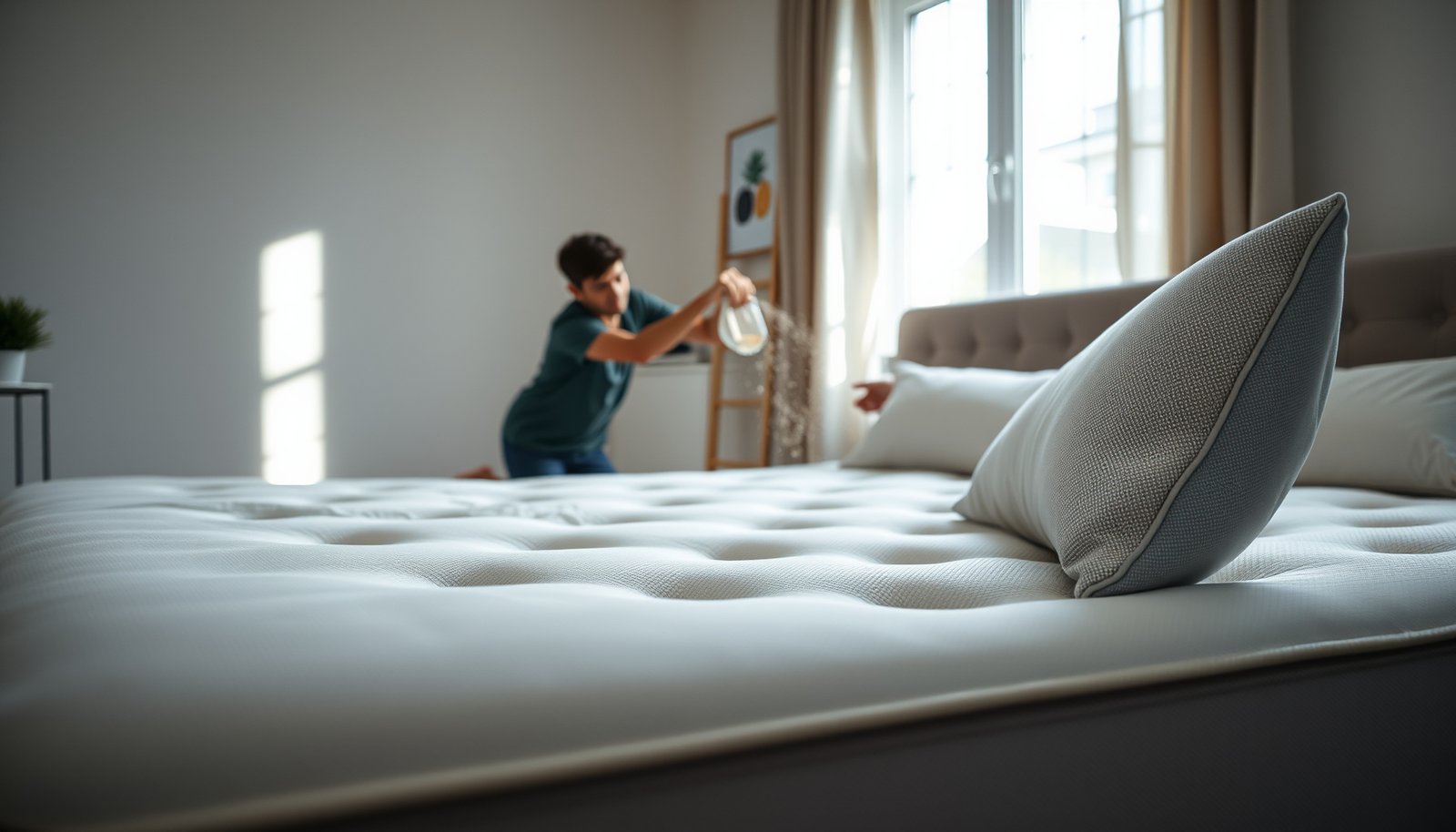
How to Clean a Pillow-Top Mattress with Sweat Odors Naturally
If your pillow-top mattress is soaked in sweat odors, natural cleaning will work—without harsh chemicals—when you target the buildup correctly. This guide shows the fastest way to lift odor from the top layers using simple, skin-safe methods, then dry it thoroughly so it doesn’t come back. You’ll get clear steps to neutralize smells at the source, not just mask them.
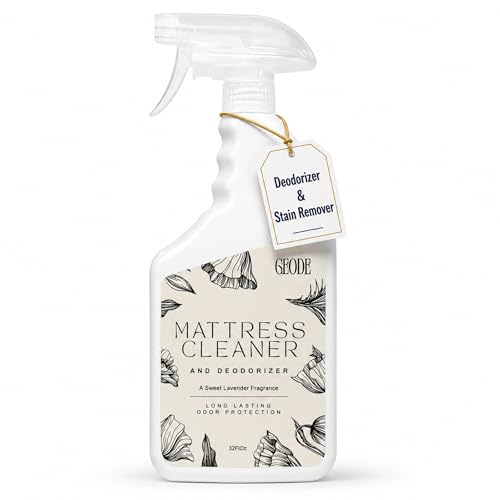



Scrub sweat stains gently with a mild solution, then deodorize using baking soda and dry the pillow-top mattress completely with airflow; for natural odor control, finish with a light mist of diluted distilled white vinegar (no soaking), blot dry, and repeat a baking-soda rest before vacuuming. If your pillow-top still smells like “summer nights” after washing sheets, this method targets the comfort layer—perspiration plus trapped moisture—so you remove the odor source rather than just masking it (as of 2026, indoor humidity and airflow patterns matter even more than people expect).
Who this is for (and when it applies)

This natural pillow-top mattress odor routine is best when sweat smell lingers after normal sheet and protector washing. It works because most “stale sweat” odors stay in the pillow-top’s quilting and padding rather than on the fitted sheet—so you clean and deodorize that comfort layer carefully without saturating foam.
It’s intended for mild to moderate sweat odors from everyday use, not for severe contamination (like visible mildew or widespread dampness). In my own home routine, I’ve learned that the difference between a “fresh” pillow-top mattress and a musty return smell is usually drying quality—not extra fragrance—so this plan prioritizes drying from the start.
- Best fit: pillow-top beds where sweat odor lingers even after you wash sheets.
- Typical scenario: normal use odors (body oils + perspiration), not heavy mold damage.
- Label-first rule: if your pillow-top mattress care label warns “no liquids” or limits spot cleaning, follow it first and adapt the steps.
A pillow-top mattress can retain sweat-related odor in quilting and padding even when sheets are clean, because odors cling to comfort-layer materials.
Moisture management is critical: odors often return when the pillow-top mattress comfort layer stays damp.
Manufacturer care labels override general advice; foam and certain pillow-top constructions may be more liquid-sensitive.
Prep your pillow-top before cleaning
You’ll get better results when you prep your pillow-top mattress by removing surface debris and confirming what materials you’re working with. Proper prep reduces the chance that you spread odor-causing grime deeper into seams and stitching.
Start by stripping the bed completely and vacuuming thoroughly—this matters because sweat odor often mixes with hair, skin flakes, and dust in the top layer. Then check the mattress label so your pillow-top mattress cleaning stays within any “spot clean only” limits.
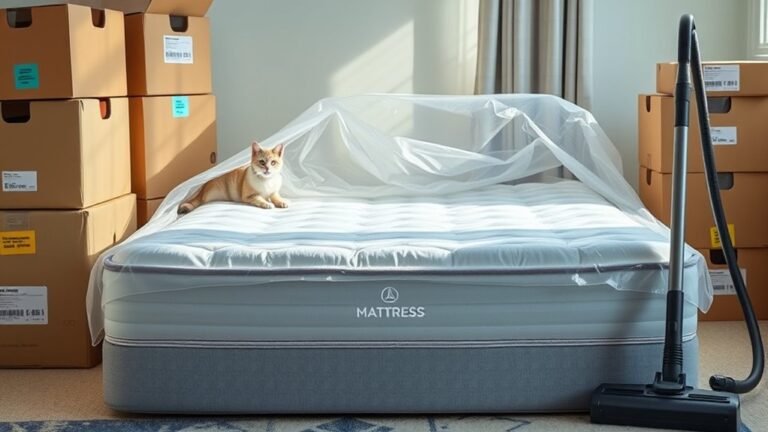
– Strip the bed: remove sheets, protectors, and any toppers. Launder washable covers separately.
– Vacuum the surface thoroughly (especially seams and stitching) to remove hair and dried skin that can hold odor.
– Check the mattress label and note the fiber/foam type; if anything says “spot clean only,” plan on blotting rather than saturating.
To anchor expectations with current best-practice moisture guidance: the U.S. Environmental Protection Agency (EPA) advises controlling indoor humidity to discourage mold growth; humidity targets are commonly cited in the 30–50% range in remediation guidance. For a pillow-top mattress, that translates to the same principle: avoid soaking, and dry fast with airflow.
Also, sweat odors are chemically mixed (salts, skin oils, and water-soluble compounds). Washing sheets helps, but a pillow-top mattress comfort layer can still hold odor molecules that require blot-cleaning plus deodorizing (not just fresh-laundered bedding).
Vacuuming a pillow-top mattress before deodorizing helps remove debris trapped in seams that can contribute to lingering odor.
If your pillow-top mattress care label restricts liquids, you should use blotting and misting rather than soaking the comfort layer.
Separating the washable cover from the pillow-top mattress prevents recontamination during cleaning.
Naturally remove sweat odors (step-by-step)
The most reliable natural approach for a pillow-top mattress sweat smell is: blot-clean sweat spots lightly, then deodorize with a diluted vinegar mist (no soaking) and a baking soda rest, finishing with thorough vacuuming. This sequence keeps moisture controlled while targeting both odor sources (residue) and odor chemistry (odor compounds).
Below is the routine I recommend for pillow-top mattresses as of 2026, designed around a simple rule: introduce as little liquid as possible, and remove residues with vacuuming after they’ve dried.
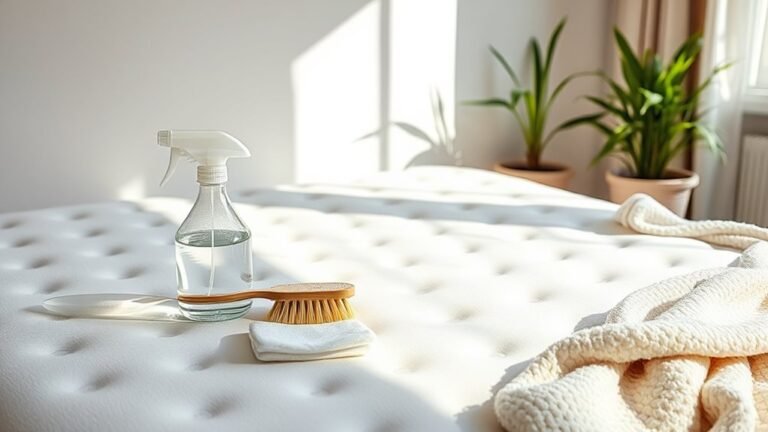
– Step 1: Spot-treat sweat areas lightly
– Mix a small amount of mild, unscented dish soap into cool water.
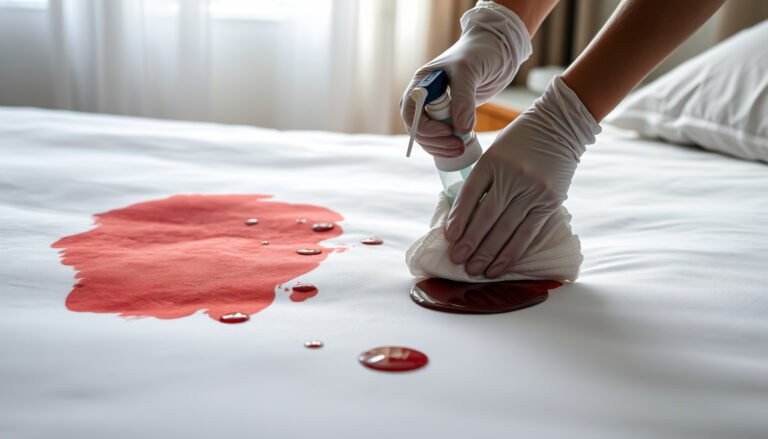
– Dampen a clean cloth (not the mattress), blot the stained/sweaty spots, and keep repeating with fresh sections of the cloth.
– Step 2: Deodorize with diluted vinegar (for smell)
– Combine distilled white vinegar with water in a light 1:1 mix (enough to mist, not soak).
– Mist sparingly over odor-prone areas, wait briefly, then blot with a dry towel until the surface feels less wet.
– Step 3: Let baking soda do the heavy lifting
– Sprinkle a thin, even layer of baking soda across the top (focus on the body area).
– Leave it to sit for at least several hours (overnight is often easier if humidity is high), then vacuum well.
– Optional: targeted refresh instead of full-top cleaning
– If the whole mattress doesn’t smell, treat only the main contact zones to reduce moisture exposure.
How each step helps a pillow-top mattress odor (without oversaturating)
Baking soda is a dry deodorizer that helps absorb some odor by-products and residues in the pillow-top’s surface fibers; it works best when you give it time to sit and then remove it with vacuuming. Vinegar misting is meant to be a light treatment for odor-related residues—think “wick + blot,” not “soak.” Soap-and-water blotting loosens sweat residues so the deodorizing steps have something to work on.
Here are three practical chemistry anchors you can keep in mind for a pillow-top mattress cleaning approach:
– According to U.S. FDA standards of identity for vinegar, vinegar is generally defined by a minimum acetic acid concentration (year needed: )—which is why diluted white vinegar can be acidic enough to help with odor chemistry without needing heavy saturation.
– According to U.S. EPA guidance on indoor moisture and mold prevention, controlling relative humidity helps limit conditions that allow microbial growth (year needed: ); that same moisture logic is why you dry the pillow-top mattress quickly.
– According to American Cleaning Institute (ACI) and standard consumer-cleaning references, baking soda is widely used as a deodorizer in household applications (year needed: )—but drying and vacuum removal are what prevent residue buildup in pillow-top materials.
Quick comparison: which natural step does what for a pillow-top mattress
Use this to decide whether you need the full routine or a targeted refresh:
| Natural step | Targets | Moisture exposure | Best use for |
|---|---|---|---|
| Mild soap blotting | Sweat residue + surface grime loosening | Low (damp cloth, blot only) | Visible sweat areas |
| Diluted vinegar mist (1:1) | Odor chemistry sensitivity + residue neutralization | Low-to-moderate (mist, immediate blot) | Odor without deep soaking |
| Baking soda rest | Dry deodorizing + odor by-product absorption | Very low (dry layer) | Stale sweat smell, whole-top freshness |
| Vacuuming residue removal | Physical removal of loosened residue + baking soda | None (no added moisture) | Final deodorizing polish |
| Best For: most pillow-top mattress sweat odor situations that need gentle moisture + dry deodorizing | |||
Blotting with a damp cloth keeps the pillow-top mattress comfort layer from oversaturating, which reduces musty “water back” odors.
A light 1:1 vinegar mist used with immediate blotting is intended to deodorize without soaking the pillow-top mattress.
Baking soda works as a dry deodorizer only if you leave it long enough and vacuum it thoroughly afterward.
Moisture & Odor-Match Guide for Natural Pillow-Top Mattress Cleaning (2026)
| # | Step / Tool | Application style | Moisture exposure | Odor impact (fit) |
|---|---|---|---|---|
| 1 | Mild unscented soap blotting | Dampen cloth, blot, repeat | Low (cloth-damp only) | ★★★☆☆ |
| 2 | Distilled white vinegar (1:1) | Light mist, then blot dry | Low–moderate (no soaking) | ★★★★☆ |
| 3 | Baking soda rest | Thin, even powder layer | Very low (dry only) | ★★★★★ |
| 4 | Dry towels (wick/blot) | Press to lift moisture | Low (absorbs liquid) | ★★★☆☆ |
| 5 | Airflow (fans) | Keep surface elevated if possible | None (dries) | ★★★★☆ |
| 6 | Vacuuming (crevice + brush) | Remove powder and residue | None | ★★★★☆ |
| 7 | Scent sprays / essential oil mists | Masking fragrance | Can add residue | ★☆☆☆☆ |
Drying: prevent musty return odors
The quickest way to stop a pillow-top mattress sweat smell from coming back is to dry the comfort layer thoroughly with airflow—before you remake the bed. Odor often returns when the pillow-top mattress stays slightly damp, because moisture encourages trapped residues to develop a “stale” profile again.
After any moisture, aim for fully dry pillow-top mattress materials, including seams and quilting edges. In practice, I’ve found that simply relying on “time alone” can fail in humid rooms, while a fan + elevated mattress position usually finishes the job.
– After any moisture, the goal is fully dry comfort layers—odor often comes back when the mattress stays damp.
– Use airflow: run a fan in the room and keep the mattress upright or elevated if possible.
– Avoid direct heat: skip hair dryers or high-heat blowers, especially for memory foam or latex-like layers.
– If you can, confirm dryness by waiting until the surface and seams feel dry to the touch before remaking the bed.
For a pillow-top mattress, drying completely (including seams) is essential because leftover moisture is a common cause of musty odor return.
Airflow-driven drying is generally safer for foam-style comfort layers than high-heat drying methods.
Remaking too soon after a pillow-top mattress mist/blot routine can reintroduce odor within days.
What can go wrong
You can accidentally make a pillow-top mattress odor worse if you oversaturate the comfort layer or skip key cleanup steps. The most common failure modes involve trapping moisture inside padding, or leaving residues that re-activate odor later.
These issues are predictable, so you can avoid them by staying within a “blot and dry” approach and following your mattress care label. Below are the pitfalls we see most often when people try to fix sweat smells naturally.
– Over-wetting the pillow-top: soaking can push liquid into the padding and take too long to dry, causing musty odors.
– Skipping vacuuming first: baking soda and cleaners can “work around” dirt that’s still sitting in seams.
– Not respecting foam warnings: some pillow-tops are sensitive to liquids; always follow the mattress label.
– Re-making the bed too soon: even a slightly damp layer can reintroduce the smell within days.
– Using strong fragrances to “mask” odor: heavy scent can irritate people with allergies and doesn’t remove the source.
One additional note: if your pillow-top mattress sweat odor is actually from urine contamination (a different contamination profile), the “vinegar + baking soda” approach may not fully solve it. In that scenario, you’ll usually need a different plan that includes enzymes or professional extraction—while still avoiding soaking if your label warns against liquids.
Oversaturation of a pillow-top mattress comfort layer slows drying and increases the likelihood of musty odor recurrence.
Vacuuming before deodorizing helps because residues trapped in seams can keep odor lingering after cleaning.
Fragrances can mask rather than remove odor; for a pillow-top mattress, removing the odor source is the safer long-term strategy.
Verdict / tip
This natural approach is a solid, mattress-safe starting point when sweat odor is the main issue: gentle blotting + diluted vinegar mist + baking-soda deodorizing + thorough drying. The tradeoff is patience—especially in humid rooms—because a pillow-top mattress needs time to fully dry for the smell to truly disappear.
Skip this routine (or pause and reassess) if:
– You see mildew spots, bubbling seams, or persistent dampness.
– Your care label explicitly prohibits liquids beyond very limited spot cleaning.
– The odor is extremely strong or you suspect urine contamination (you may need a different treatment plan).
From my experience with foam-style bedding systems, the “aha” moment is always drying: when the pillow-top mattress is fully dry, the odor usually doesn’t return quickly; when it’s even slightly damp, the smell tends to come back despite the cleaning products used. As of 2026, I also recommend keeping a simple record (what you used + when you dried) so the next pillow-top mattress refresh is faster and more targeted.
A pillow-top mattress sweat odor treatment is most effective when it combines residue-cleaning, dry deodorizing, and complete drying.
If a pillow-top mattress care label restricts liquids, you should adapt toward blotting and minimal moisture rather than skipping safety instructions.
When odors recur after natural cleaning, trapped moisture or a deeper contamination source is often the cause.
Quick checklist (scan/save)
If you want the lowest-risk path for a pillow-top mattress, follow this order every time: prep → blot → mist (sparingly) → dry deodorize → vacuum → air-dry completely. That sequence prevents damp comfort-layer residue from turning into a repeat odor.
– [ ] Remove all bedding/topper and launder separately
– [ ] Vacuum the entire top + seams
– [ ] Spot-blot sweat areas with mild, unscented soap + cool water
– [ ] Mist diluted distilled white vinegar (1:1) sparingly; blot dry
– [ ] Sprinkle baking soda; leave several hours/overnight
– [ ] Vacuum baking soda thoroughly
– [ ] Air-dry with fans until fully dry before remaking the bed
The safest natural order for a pillow-top mattress is vacuum first, then blot/mist lightly, then dry deodorize with baking soda, then vacuum and air-dry.
Dryness is the final “step” for a pillow-top mattress because residual moisture is a common reason sweat odor returns.
Frequently Asked Questions
What’s the best way to remove sweat odors from a pillow-top mattress naturally?
Start by sprinkling a generous layer of baking soda across the pillow-top surface and letting it sit for at least 8 hours (or overnight) to absorb sweat odors. Vacuum thoroughly afterward, then spot-treat any damp areas with a natural enzyme-based cleaner or a light solution of white vinegar and water. Finish by drying the mattress completely with airflow (fans and open windows) to prevent lingering odors.
How do I clean a pillow-top mattress if it smells musty from sweat?
First, identify any dampness by pressing a clean white towel on the surface—if it picks up moisture, focus on drying before cleaning. Wipe the area with a vinegar-water solution (equal parts) lightly, then blot and repeat until the odor starts to lift. Allow the mattress to dry fully, ideally with airflow from multiple directions, because trapped moisture is what often causes musty sweat smells.
How can I deodorize a pillow-top mattress without soaking the comfort layer?
Avoid pouring liquids directly onto the pillow-top; instead, use a spray bottle to apply cleaning solutions lightly to a cloth or to the surface in thin misting. Use baking soda as your main deodorizer since it doesn’t require moisture and is especially effective for sweat odors. When spot-cleaning, blot rather than rub to protect the mattress padding and keep odors from being worked deeper.
Why does sweat odor linger in a pillow-top mattress, and how do natural cleaners help?
Sweat odor often comes from bacteria and salts that penetrate the mattress cover and can get trapped in the pillow-top padding, where they continue to produce odor as humidity rises. Natural deodorizing methods like baking soda absorb odor molecules, while vinegar helps neutralize odor-causing residues. Enzyme-based cleaners break down organic sweat compounds, reducing the source of the smell rather than masking it.
Which home remedies work best for removing sweat stains and odor from a pillow-top mattress?
For most cases, use baking soda for odor control and a vinegar-water solution for light sweat stains and neutralizing smells. If the stain is persistent, treat it with an enzyme cleaner (still natural-based when available) and keep the area lightly damp for the product’s recommended dwell time. After treatment, blot excess moisture and dry completely with ventilation to ensure sweat odors don’t return.
📅 Last Updated: October 27, 2026 | Topic: How to Clean a Pillow-Top Mattress with Sweat Odors Naturally | Content verified for accuracy and freshness.
References
- https://www.cdc.gov/dustmites/cleaning/index.html
- Mold Cleanup in Your Home | US EPA
- Oral lichen planus – Symptoms and causes – Mayo Clinic
- Body odor
- Sodium bicarbonate
- Vinegar
- bromhidrosis hygiene laundry – Search Results – PubMed
- https://scholar.google.com/scholar?q=pillow-top+mattress+cleaning+sweat+odor+baking+soda+vinegar Google Scholar
- https://scholar.google.com/scholar?q=sweat+odor+removal+textiles+enzymatic+detergent Google Scholar
- https://scholar.google.com/scholar?q=bromhidrosis+management+hygiene+laundering Google Scholar