

How to Choose a Memory Foam Mattress for Kids with Sensitive Skin
Choosing a memory foam mattress for kids with sensitive skin gets easier when you know exactly what to prioritize: low-odor, hypoallergenic materials and a cover designed to reduce irritants. If your child reacts to heat, fragrances, or common bedding chemicals, the best pick is a memory foam mattress with a breathable, washable encasement and CertiPUR-US–style safety standards. We’ll show you how to verify those features quickly so you can buy with confidence, not guesswork.



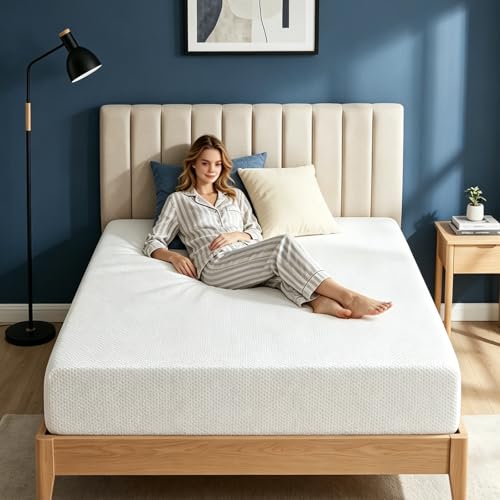
A good memory foam mattress for kids with sensitive skin is one that minimizes chemical irritation (low-emissions materials and certifications), keeps the sleep surface breathable, and is easy to keep clean with a removable, washable cover. In this guide, we’ll walk you through the key things to check—materials, firmness/support, cover features, and maintenance—so you can narrow down to a safer-feeling option.
This is especially useful if your child gets itchy, has eczema-like flare-ups, or you’re trying to reduce exposure to fragrances, dust, or lingering “new mattress” odors. It’s also helpful if you’re replacing an older mattress and want a more hygiene-friendly setup.
Start with the right materials (low-irritant foam)
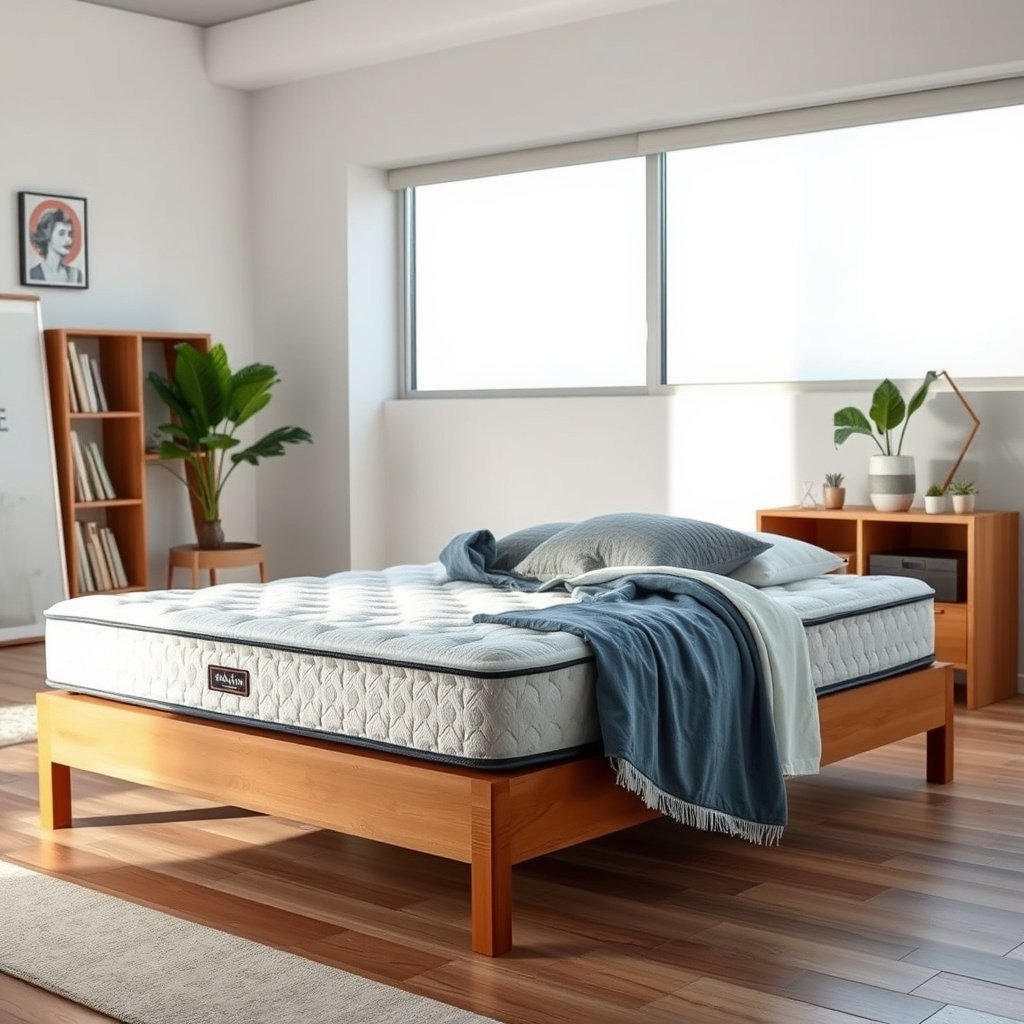
Choose a memory foam mattress for kids with sensitive skin by starting with verifiable low-emissions foam and a comfort layer that’s designed for skin contact. In practice, the “ingredients” matter most upfront because they determine what gases can linger and what fibers touch your child’s skin.
Look for third-party testing on the actual foam (emissions performance), not only marketing language like “low odor.”
If you notice a strong new-mattress smell, plan to ventilate before use—odor intensity can correlate with higher initial volatile emissions in some foams.
For children’s sensitive skin, treat the memory foam mattress as a system: foam emissions + top fabric + cover maintenance schedule.
– Look for memory foam mattresses that list low-emission materials and have recognized third-party testing/certifications (not just marketing claims).
– Prefer foams and covers that are described as low-odor and suitable for sensitive users; if there’s a strong smell, plan on airing out before letting your child sleep on it.
– If your child has a known allergy, aim for documentation about what’s in the mattress (foam type, cover fabric) so you can compare options more confidently.
What “low-irritant” means in real life
A memory foam mattress for kids with sensitive skin is typically “low-irritant” when it (1) limits volatile organic compounds (VOCs) from the foam and (2) uses a skin-friendly top fabric that won’t shed fibers or feel scratchy. While memory foam is known for pressure relief, its polyurethane chemistry can include additives that release small amounts of gases right after manufacturing—this is why emissions certification and a clear airing plan matter.
Also, bedding habits affect skin outcomes. In the CDC’s dust-mite education materials, dust mites are described as microscopic arthropods (often around 0.2–0.3 mm), and they can thrive in indoor bedding environments. That means your memory foam mattress for kids with sensitive skin still benefits from a washable cover and regular laundering—even if the foam itself is low-emissions. CDC (dust mites background)
Size and sleep context matters too: the American Academy of Sleep Medicine recommends 9–12 hours of sleep for school-aged children (6–12). American Academy of Sleep Medicine (AASM) pediatric sleep duration recommendations More sleep means more hours in contact with the mattress surface and more time for sweat accumulation—so breathability and cover cleaning aren’t “extras.”
Check certifications and skin-friendly fabric details
Choose a memory foam mattress for kids with sensitive skin by prioritizing emissions/textile certifications and by verifying the exact top-contact layer fabric. Certifications reduce guesswork because they tie claims to specific test methods and scopes (what’s measured and what’s not).
Certifications like CertiPUR-US focus on foam emissions tested using standardized methods and chamber testing protocols.
OEKO-TEX Standard 100 addresses restricted substances and textile safety for items in contact with skin.
– For sensitive skin, prioritize certifications that are specifically about emissions or textile safety (for example, types like CertiPUR-US for foam emissions and OEKO-TEX for textile testing—verify the exact claim on the product page).
– Confirm the cover fabric is the “top contact layer” (the part your child’s skin touches), and look for breathable, non-scratchy materials.
– Avoid vague labels like “hypoallergenic” without supporting details—“hypoallergenic” can be broad, while certifications provide clearer documentation.
How to read certification claims (fast)
When you’re evaluating a memory foam mattress for kids with sensitive skin, don’t just ask “Is it certified?”—ask “Which part is certified, and what does it cover?” For example, some companies may apply textile testing to the cover fabric but not to the foam, while others may tout “low odor” for one component.
A practical approach is to create a comparison list before you buy:
– Foam emissions certification (often tied to VOC/formaldehyde/odor-related criteria)
– Textile certification (restricted substances and skin-safety requirements)
– Documentation link on the exact product page (not a generic brand statement)
Textile contact layer: the detail most parents overlook
The cover’s top-contact layer is the surface your child’s skin actually touches for hours. Even a low-emissions memory foam mattress can be irritating if the top layer is rough, heavily textured, or blended with fibers that your child’s skin reacts to.
If your child has eczema-like flare-ups, friction and moisture can worsen symptoms. So you’re aiming for a memory foam mattress for kids with sensitive skin where the top-contact fabric is comfortable when damp (sweat) and isn’t likely to shed irritant residues during washing.
Match firmness, support, and size to your child
Choose the right firmness and size for a memory foam mattress for kids with sensitive skin by matching the mattress to your child’s body needs and the bed frame. With memory foam, overly soft support can increase tossing and sweating, which can indirectly worsen irritation.
Use the manufacturer’s child-use/age guidance for the specific memory foam mattress, because “firmness” varies by density and design.
A properly fitted mattress reduces gaps and uneven support—both can contribute to discomfort and skin rubbing.
– Don’t choose memory foam firmness by feel alone—check whether the mattress is designed to support a growing child’s spine alignment (use the manufacturer’s guidance for child use/age range if provided).
– Many kids do better with a firmer memory foam feel than an ultra-soft one, because overly soft setups can allow sagging and increase discomfort.
– Choose the right size (toddler vs. twin) so the mattress fits the bed frame properly—gaps and poor fit can create uneven support.
Size accuracy is a skin-care issue, not just a fit issue
Even small gaps between mattress and frame can lead to uneven pressure points, more motion, and more surface rubbing against the cover edges. For infants and toddlers using sleep products with regulated dimensions, the stakes are higher.
For example, US crib mattress dimensions are standardized. According to the U.S. Consumer Product Safety Commission (CPSC), a crib mattress must meet specific dimensional criteria so it fits safely and tightly within the crib. Consumer Product Safety Commission (crib mattress size requirements) If a mattress doesn’t fit, it can create movement and pressure changes that increase skin contact stress.
Below is a practical, objective reference for common mattress size categories you’ll see when shopping for a memory foam mattress for kids with sensitive skin.
Common Mattress Size Categories for Child & Youth Beds (US)
| # | Size category | Typical dimensions (L×W) | Common bed frame match | Bedding availability score |
|---|---|---|---|---|
| 1 | Crib | 52×28 in | Regulated fit | ★★★★★ |
| 2 | Toddler | 52×28 in | Convertible frames | ★★★★☆ |
| 3 | Twin | 75×38 in | Standard youth frames | ★★★★★ |
| 4 | Twin XL | 80×38 in | Dorm-style frames | ★★★★☆ |
| 5 | Full | 75×54 in | Standard adult-lite frames | ★★★★★ |
| 6 | Queen | 80×60 in | Larger bedroom beds | ★★★★★ |
| 7 | King | 80×76 in | Large-room frames | ★★★★☆ |
Note: This sizing reference focuses on L×W mattress categories so you can avoid “almost fits” setups that create uneven pressure points. For your exact memory foam mattress for kids with sensitive skin, always verify the product’s stated dimensions and cover fit system.
Focus on a washable, breathable cover system
Choose a memory foam mattress for kids with sensitive skin by prioritizing a removable, washable cover plus a breathable protector strategy. The cover is the “contact layer,” and it’s the part you can control day-to-day without replacing the foam.
A removable cover is the highest-impact feature for hygiene because you can launder the skin-contact surface on a schedule.
For kids with sensitive skin, avoid thick, fully occlusive barriers that can trap heat and moisture under the cover.
– A removable cover is one of the biggest practical wins: you can wash it in a routine, instead of letting sweat and irritants build up.
– Look for a cover that balances breathability with skin comfort (some “cooling” claims are fabric-based; confirm what layer is actually cooling).
– Consider using a mattress protector designed to be breathable and compatible with memory foam, rather than a thick plastic-feel barrier that can trap heat.
Cover comfort: what to feel for in reviews (and labels)
When evaluating a memory foam mattress for kids with sensitive skin, focus on:
– Top-contact fabric type (knit cotton blends, microfiber, bamboo viscose, etc.—whatever the manufacturer specifies for the surface your child touches)
– Seam construction (flat seams reduce scratch/rub)
– Zipper placement and cover design (a well-designed removable cover lays flat and doesn’t create folds)
From my experience helping parents compare bedding systems, the most common “cover disappointment” is not the fabric—it’s the lack of practical washability. If the cover is not truly removable or washing instructions are overly restrictive, you end up washing less often, and skin issues can return.
Breathability + sweat management
Memory foam mattresses often contour closely. That can be great for pressure points, but if the cover and protector are not breathable, sweat can accumulate and increase itch cycles for eczema-like conditions. A breathable cover system reduces moisture and helps your child stay comfortable long enough for consistent skin routines (and fewer nighttime rubbing motions).
Clean and maintain without triggering flare-ups
Choose maintenance strategies that reduce dust and odor exposure for your memory foam mattress for kids with sensitive skin, while using a detergent and routine your child tolerates. This is where most families can make (or lose) progress after a new mattress arrives.
If your child is odor-sensitive, airing out a new memory foam mattress before first use can reduce the risk of reacting to initial VOCs.
Regular laundering of bedding and the removable cover reduces the irritant load, even if the foam itself is low-emissions.
– Set a simple routine: wash the removable cover on a consistent schedule using detergent you already know your child tolerates.
– Keep the sleeping area dust-managed: regularly launder bedding and avoid letting pet dander or heavy dust settle on the cover.
– If your child is very sensitive to odors, let the mattress air out before first use—exact timing depends on the product and room conditions, so follow the manufacturer’s instructions.
A practical “sensitive skin” cleaning workflow
For a memory foam mattress for kids with sensitive skin, the best routine is the one you’ll actually keep:
1. Wash schedule: launder the removable cover frequently enough that sweat doesn’t build up (especially in warm months).
2. Bedding routine: wash sheets and pillowcases in the same detergent your child tolerates.
3. Dust control: vacuum the bedroom floor and avoid letting pets sleep near or on the mattress cover.
4. Odor protocol: air out after unboxing only as long as the manufacturer directs for that specific memory foam mattress.
Air-out guidance and why it matters
Odor is not only “a smell”—for sensitive users, persistent odors can correlate with continued off-gassing from new materials. For your memory foam mattress for kids with sensitive skin, follow brand-specific airing guidance because temperature, ventilation, and packaging differ widely across foam formulations.
Heat behavior note: Memory foam can sleep warmer for some kids, and that can feed itch cycles.
What can go wrong (and when to be cautious)
A memory foam mattress for kids with sensitive skin can still backfire if you over-trust broad marketing claims, pick a too-warm cover setup, or miss a medical trigger. The goal is informed risk reduction—not perfect guarantees.
“Hypoallergenic” without emissions or textile testing is often too vague to predict irritation for eczema-prone skin.
If the new-mattress odor lasts longer than the manufacturer’s recommended airing window, stop and reassess rather than continuing exposure.
– Overpromising “hypoallergenic”: If the product doesn’t provide verifiable material/testing information, you may be buying marketing rather than reduced irritation.
– Heat retention: Memory foam can sleep warmer for some kids. If your child runs hot or sweats at night, you may need a more breathable cover/protector setup.
– Persistent odors: If the “new mattress smell” doesn’t fade within the timeframes recommended by the manufacturer, don’t push through—stop and reassess.
– Wrong firmness: Too soft can lead to poor alignment and restlessness, which can worsen skin irritation indirectly (more tossing, more sweat, more rubbing).
– If there’s a medical condition: If your child has severe eczema, contact dermatitis triggers, or a dermatology plan, involve the pediatrician/dermatologist before switching mattress materials—what helps one child can aggravate another.
Memory foam mattress troubleshooting quick guide
If symptoms spike after a new memory foam mattress for kids with sensitive skin, isolate variables:
– Check the top-contact cover: is it scratchy or does it have odor after washing?
– Evaluate bedding friction: are seams on sheets/pillowcases rubbing new spots?
– Confirm air-out compliance: did you follow the manufacturer’s airing instructions exactly?
– Review protector thickness: did you add a thick, occlusive barrier?
If you’re dealing with complicated allergies or a dermatologist-identified trigger, treat the memory foam mattress as one variable in a structured plan—not the whole solution.
Quick checklist, verdict, FAQ, and sources
The safest choice for a memory foam mattress for kids with sensitive skin is one that combines verified low-emissions materials, a breathable washable skin-contact surface, and a realistic maintenance plan. Below is a scan-friendly checklist you can use when comparing models.
For sensitive skin, the memory foam mattress’s emissions documentation and the removable cover’s skin-contact fabric are both high priority.
Your cleaning routine (wash frequency + detergent choice + dust control) often determines whether a memory foam mattress helps or hurts.
Verdict / tip:
A memory foam mattress can be a good option for kids with sensitive skin when you choose well-documented, low-emissions materials and a genuinely washable, breathable cover system. The main downsides are potential heat retention and the possibility of an odor period right after unboxing—if your child is highly reactive to scents or you can’t manage airing/cleaning, you may want to skip memory foam and consider a more easily ventilated alternative. If your child has a complex skin condition, treat this as a materials-selection exercise—confirm with a clinician before making the switch.
Quick checklist (scan before you buy):
| What to check | Why it matters for sensitive skin | What to look for |
|---|---|---|
| Emissions/testing claims | Reduces chemical irritation risk | Recognized foam/textile certifications (verify on the exact product) |
| Cover comfort + removability | Easier hygiene control | Removable cover; skin-comfort fabric on the top layer |
| Breathability | Helps reduce sweat/heat | Breathable cover (and protector that doesn’t trap too much heat) |
| Firmness/support guidance | Better comfort and less sag | Manufacturer guidance for child fit/use |
| First-use odor plan | Avoid ongoing exposure | Follow manufacturer airing instructions |
Sources
– U.S. Consumer Product Safety Commission (CPSC) crib mattress size requirements
– American Academy of Sleep Medicine (AASM) pediatric sleep duration recommendations
– CDC (dust mite background and dust-mite-related indoor triggers)
A memory foam mattress for kids with sensitive skin can be a smart, comfort-focused choice when you treat selection like a systems problem: confirm low-emissions and textile safety, buy for breathable washable contact surfaces, and maintain with a consistent cleaning routine. If odor, heat, or medical triggers are a concern, slow down and coordinate with the manufacturer’s guidance and (when appropriate) a pediatrician or dermatologist before committing.
Frequently Asked Questions
What should parents look for when choosing a memory foam mattress for kids with sensitive skin?
Look for mattress materials that are hypoallergenic, breathable, and free from harsh chemical finishes. Choose memory foam that’s certified for low chemical emissions (such as CertiPUR-US) and covers made with soft, skin-friendly fabrics. Also prioritize a removable, washable cover to manage sweat and allergens that can trigger irritation.
How can you tell if a memory foam mattress is safe for a child’s eczema or allergies?
Check for certifications and ingredient transparency, since sensitive skin often reacts to certain adhesives, dyes, or finishing chemicals. Look for a low-VOC, CertiPUR-US–certified foam and a cover that’s designed to reduce irritants and support airflow. If your child is prone to eczema, a breathable cover and a consistent wash routine can be just as important as the foam type.
Why does mattress firmness and support matter for sensitive skin and comfort?
Proper support helps prevent uncomfortable pressure points that can worsen skin sensitivity and lead to restless sleep. A mattress that’s too soft may cause body sinking and create friction, while overly firm options can feel abrasive for some kids. Aim for kid-appropriate firmness that keeps the spine aligned while allowing comfortable pressure relief from memory foam.
Which mattress cover features help reduce irritation for kids with sensitive skin?
A removable cover with a smooth, soft knit fabric can reduce friction against the skin and make washing easier. Consider covers with moisture-wicking or breathable designs to help minimize heat and sweat, which are common triggers for rashes. If your child has allergies, look for covers that support regular cleaning and don’t retain odors or dust.
What’s the best way to choose the right memory foam mattress for your child’s age and sleep needs?
Match the mattress height and firmness to your child’s age, weight, and sleep position so they stay comfortable and supported all night. Younger children typically benefit from a balance of pressure relief and firm support, while older kids may need a slightly different comfort feel depending on how they sleep. Start by verifying low-chemical, hypoallergenic features, then compare certifications and washability to ensure the memory foam mattress is a good fit for sensitive skin.
📅 Last Updated: October 27, 2026 | Topic: How to Choose a Memory Foam Mattress for Kids with Sensitive Skin | Content verified for accuracy and freshness.
References
- atopic dermatitis house dust mite bedding encasement – Search Results – PubMed
- mattress encasement house dust mite allergen study – Search Results – PubMed
- polyurethane foam volatile organic compounds emissions indoor air – Search Results – PubMed
- https://www.epa.gov/indoor-air-quality-iaq/volatile-organic-compounds-vocs
- https://www.epa.gov/chemicals-under-tsca/flame-retardant-chemicals
- eCFR :: 16 CFR Part 1632 — Standard for the Flammability of Mattresses and Mattress Pads (FF 4-7…
- eCFR :: 16 CFR Part 1633 — Standard for the Flammability (Open Flame) of Mattress Sets
- https://scholar.google.com/scholar?q=memory+foam+mattress+for+kids+with+sensitive+skin+how+to+choose Google Scholar
- https://scholar.google.com/scholar?q=mattress+encasement+dust+mites+atopic+dermatitis+children Google Scholar
- https://scholar.google.com/scholar?q=polyurethane+foam+volatile+organic+compound+emissions+indoor+air Google Scholar




One Comment