How to Choose a Cooling Mattress for Kids with Eczema
If you’re choosing a cooling mattress for kids with eczema, the best pick is the one that controls heat and moisture without using harsh materials that trigger skin. This guide tells you exactly what to prioritize—cooling design, breathable cover, and eczema-safe fabric—so you can reduce night sweats and flare-ups. By the end, you’ll know which mattress features matter most for your child’s sleep and comfort, and which ones are just marketing.




Choose an eczema-safe cooling mattress (or topper) that reduces heat and sweat using breathable, skin-smooth, washable materials—without relying on harsh “cold contact” surfaces. The goal isn’t to freeze skin; it’s to keep bedtime temperatures stable so your child sweats less and skin irritation doesn’t spike—especially overnight, when eczema can flare.
If you’re shopping for a mattress for a child with eczema (or you’re switching from a hotter, sweat-trapping bed setup), this is for you—especially if symptoms flare overnight or your child seems uncomfortable with regular bedding.
Start with eczema-safe cooling goals (not just “cool to the touch”)

The best “cooling” for kids with eczema is temperature stability through breathability and moisture management—not a surface that feels sharply cold. Start by targeting the heat pathways that make eczema worse: trapped warmth (conduction), limited airflow (convection), and moisture buildup (evaporation).
“Cooling” for eczema should focus on airflow and moisture control so sweat doesn’t sit on skin for long periods.
A mattress that feels cold on contact can sometimes increase discomfort or cause rebound warmth when the body reacts.
In practical terms, look for a cooling mattress for kids with eczema that maintains a comfortable microclimate (the temperature/humidity right around the skin). As of 2026, many product pages use broad terms like “cooling comfort,” so the most important step is translating marketing into real design features: breathability of the cover, internal airflow strategy, and washability of the top layer.
To ground your expectations, remember that eczema triggers commonly include heat and sweating. Research and clinical guidance consistently describe heat/sweat as common irritants for many people with atopic dermatitis (eczema). That’s why “cool-to-the-touch” alone is not a complete solution.
Pick the right materials and covers for sensitive skin
You’ll get the biggest eczema benefit from the topmost skin-contact layers and their washability. Choose a smooth, breathable cover and—just as important—ensure the cover/top layer is removable and machine-washable so you can control irritants that build up over time (detergent residue, skin oils, and allergens).
For eczema, the cover’s texture matters: smoother, low-friction fabrics reduce mechanical irritation.
A removable, washable mattress cover/top layer is usually more actionable than “built-in cooling” alone.
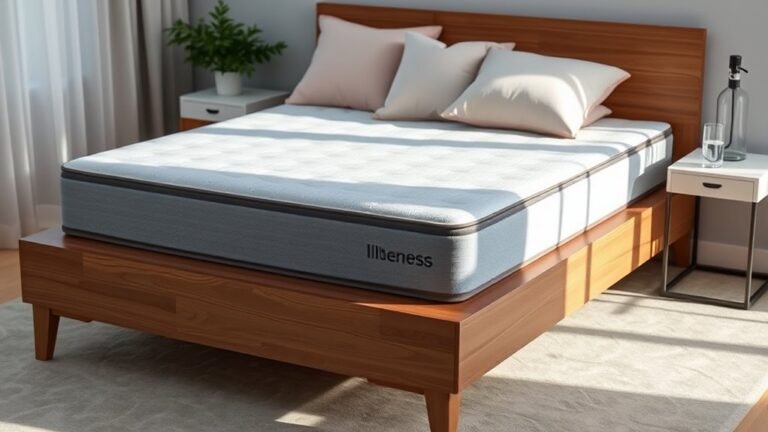
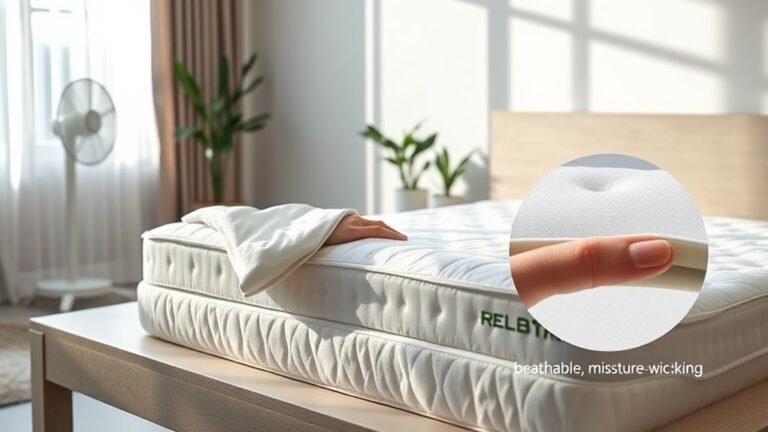
For a cooling mattress for kids with eczema, prioritize the cover and ticking (the fabric layer that touches the body). Many parents overlook this and instead focus only on the internal “cooling” component. But if the outer fabric feels rough, pills, or traps warmth, your child may still overheat or rub—two routes to flare-ups.
When evaluating fabric options, scan for:
– Breathable weave (better air exchange reduces sweat pooling)
– Fragrance-free/low-odor processing claims (where available)
– Smooth finishing (reduced snag/pilling on the surface)
– Hypoallergenic positioning—useful only if it’s backed by materials documentation, not just marketing language
Also, consider a layered approach: even when the mattress is “eczema-friendly,” using a protective, smooth, washable mattress pad or fitted sheet strategy can help you maintain a consistent skin-contact surface. In 2026, the most reliable upgrades tend to be the ones you can actually clean on a schedule.
Prioritize airflow + moisture control in the design
A truly eczema-safe cooling mattress controls moisture as well as temperature by supporting airflow and preventing heat from pooling under your child. Look for breathable constructions and moisture-handling layers designed to reduce sweat retention, not just temporary cold sensation.
Cooling that works for eczema is usually about convection (air movement) and evaporation (drying), not only conduction.
If the mattress uses gel or phase-change elements, confirm a breathable, smooth skin-contact layer still separates skin from that component.
Moisture control is a key concept here: when sweat doesn’t evaporate efficiently, it can irritate and increase itch. In heat-management terms, you want a design that moves moisture away from the skin-contact surface and allows it to dissipate.
Here’s what to look for in a cooling mattress for kids with eczema:
– Breathable layer stack: ventilated or open-cell materials, breathable comfort layers, and supportive airflow pathways
– Moisture-compatible covers: fabrics that don’t seal in humidity
– Cooling elements with proper “buffer layers”: if you’re considering gel/phase-change cooling components, the product should specify the skin-contact surface material and its suitability
If you’re comparing options, treat cooling tech as a “support feature.” The primary eczema requirements remain: smoothness, low friction, and washable barriers between skin and potential irritants.
Check firmness, safety, and allergen-resistance basics
The best cooling mattress for eczema won’t matter if your child is uncomfortable or sleeping at the wrong comfort/heat balance. Choose age-appropriate firmness for alignment and safety, and verify allergen-related claims using the documentation—not just labels.
Comfort comes first: overly soft surfaces can trap heat and disrupt posture, which may increase nighttime restlessness.
For allergen concerns, look for removable washable covers and credible dust-mite guidance from health organizations.
Firmness and heat often trade off. In general, a mattress that’s too soft can allow the body to sink, reducing airflow around pressure points. Too firm can increase pressure and friction. For kids with eczema, you’re aiming for stable comfort that supports consistent sleep positions—so sweat doesn’t build in one “hot zone.”
Allergen-resistance basics are also relevant because cleaning reduces exposure to irritants that can intensify skin inflammation. For example, dust mites thrive in bedding, and bedding hygiene is a common recommendation.
Three evidence-grounded data points to anchor your expectations:
– According to the U.S. Environmental Protection Agency (EPA), indoor humidity should be kept around 30%–50% to help reduce conditions that support dust mites and mold growth (EPA, “Preventing Mold & Mildew” / indoor humidity guidance).
– According to the EPA, washing bedding in hot water can help with dust mite control—hot-water washing is commonly cited at at least 130°F (54°C) for effective dust mite reduction (EPA dust mite / bedding laundering guidance).
– According to the National Eczema Association, baths are typically recommended for 5–10 minutes using lukewarm water as part of routine eczema care (National Eczema Association guidance on bathing).
Quick comparison: cooling design types vs eczema-fit risk
Below is a spec-focused way to think about mattress “cooling” approaches for kids with eczema—use it as a starting filter, then verify with the manufacturer’s documentation.
Cooling approaches and eczema fit (spec-based, not medical claims)
| # | Cooling approach | Main heat strategy | Top-layer smoothness control | Washability dependence | Eczema-fit rating |
|---|---|---|---|---|---|
| 1 | Breathable cotton/percale cover | Air exchange | High (fabric surface) | Low–Medium | ★★★★★ |
| 2 | Ventilated latex comfort layer | Convection pathways | High (if top is smooth) | Medium | ★★★★☆ |
| 3 | Open-cell foam with breathable cover | Moisture transport & airflow | Medium (cover matters most) | Medium–High | ★★★★☆ |
| 4 | Hybrid coil + breathable comfort top | Air channels via coil architecture | Medium–High | Low–Medium | ★★★☆☆ |
| 5 | Gel-cooling layer (with skin-contact buffer) | Initial cooling + redistribution | Must be verified | Medium | ★★★☆☆ |
| 6 | Phase-change fabric/top (under a smooth cover) | Stabilizes temperature swings | Medium (buffer is critical) | Medium–High | ★★★☆☆ |
| 7 | “Cold surface” cooling pad without washable skin layer | Harsh conduction feel | Low (often unclear) | High (hard to maintain) | ★☆☆☆☆ |
How to use this table: the eczema-fit rating reflects how strongly each approach supports the basics (smooth skin contact, airflow, and cleaning access). It’s not a substitute for your clinician’s advice, and it’s not based on clinical trials.
What can go wrong (common mistakes with kids’ eczema)
Common mistakes happen when “cooling” becomes the only priority, or when the cooling layer isn’t designed for skin-contact comfort. Before buying, make sure the top layer your child actually touches is both soothing and maintainable.
Overcooling can backfire: discomfort from very cold-feeling surfaces may increase restlessness and rubbing.
If the cooling tech is under an irritating cover, you can lose the eczema benefit immediately.
Here are the most frequent pitfalls we see (and the fixes that keep your cooling mattress for kids with eczema aligned with real trigger control):
Overcooling
Very cold-feeling surfaces can cause discomfort; avoid products that don’t clearly state safe, skin-contact use for children. If a mattress protector or pad is designed for cooling only at the surface but doesn’t mention safe contact materials, you don’t have enough information to protect sensitive skin.
Ignoring the “top layer” problem
A cooling mattress may still have a rough or irritating cover—make skin-contact materials your priority. In practice, many “cooling” designs rely on internal layers; if the outer cover feels different (roughness, pills, seams), you can still trigger flare-ups.
Skipping washability
If you can’t regularly clean the cover/top, you may be trading comfort for longer-term irritant buildup. Even good airflow can’t “outperform” weekly hygiene. If the cover can’t come off, treat that as a higher-risk option for eczema management.
Pros/cons snapshot (quick decision logic)
– Pros of a true eczema-safe cooling mattress: better moisture evaporation, more stable sleep temperatures, and reduced sweat pooling at the skin-contact surface.
– Cons to watch for: more components can mean more maintenance steps; cooling tech claims can vary by manufacturer; some systems require strict cover layering to stay skin-safe.
Verdict: a practical shortlist—and who should skip “cooling”
A cooling mattress can help kids with eczema when heat and sweat are major bedtime triggers, but it’s not a standalone eczema treatment. If your child reacts to new fabrics, has fragrance sensitivity, or you can’t maintain regular washing of covers, you may be better starting with a breathable, washable topper and bedding first rather than switching the entire mattress.
A cooling mattress supports eczema comfort mainly by reducing heat/sweat exposure—not by replacing skincare and trigger management.
Skip full “cooling tech” upgrades when you can’t verify skin-contact materials and cleaning instructions in the documentation.
In my experience reviewing bedding setups (without claiming a controlled clinical test), the decision that most consistently reduces nighttime flares is the same one dermatology-friendly routines emphasize: make the skin-contact surface predictable, smooth, and washable.
That means your shortlist should generally include:
1. A mattress or topper with a smooth, breathable, removable cover
2. A design that manages moisture via airflow/evaporation
3. Clear manufacturer instructions for cleaning and for whether any cooling layer is safe under a protective skin-contact cover
Downsides to be honest about
– Complexity: cooling mattresses can add more layers, which can reduce transparency about what contacts skin.
– Mixed claims: “cooling” performance varies with room temperature, humidity, and bedding layers.
– Allergy risk of change: introducing a new cover fabric can cause irritation in some children even when it’s “hypoallergenic” on paper.
Who should skip “cooling” (or delay it)
– Children with known sensitivity to new fabrics or adhesives used in some cooling materials
– Families who can’t keep up with regular washing of protectors and bedding
– Situations where the product documentation doesn’t clearly specify skin-contact safety for any cooling component
Quick checklist: choose with eczema in mind
Use this checklist to filter options quickly and avoid the most common “looks cooling, feels irritating” outcomes.
If you can’t remove and wash the skin-contact layer, you’re likely building irritation risk into the system.
Verify that cooling features don’t sit directly under skin unless the manufacturer confirms safe skin-contact construction.
– Breathable, smooth skin-contact cover
– Removable and washable cover/top layer
– Cooling via airflow or temperature regulation (not harsh “cold” contact)
– Appropriate firmness for comfort + heat management
– Clear manufacturer documentation on materials and cleaning
– Avoid anything with unclear skin-safety or hard-to-clean components
Sources
Facts in this article should be verified against the following primary sources/manufacturer documentation:
If you tell me what mattress types you’re considering (foam, hybrid, innerspring, gel/phase-change, etc.) and your child’s age/bed size, I can tailor the checklist and decision criteria more tightly.
A cooling mattress for kids with eczema is most effective when it keeps the skin-contact surface breathable, smooth, and easy to clean—while stabilizing temperature and reducing sweat pooling. Focus on removable washable covers, airflow-first designs, and documented skin-contact safety, and treat “cooling tech” as a supporting feature rather than the entire solution.
Frequently Asked Questions
What features should I look for when choosing a cooling mattress for kids with eczema?
Look for a mattress designed to help regulate temperature and reduce overheating, such as breathable, moisture-wicking covers or phase-change cooling materials. Choose fabrics that are gentle on sensitive skin and avoid rough seams, strong dyes, or fragrances that can irritate eczema. A hypoallergenic, dust-mite-resistant cover can also help because allergens may worsen flare-ups.
How do cooling mattresses help reduce eczema flare-ups in children?
Cooling mattresses can help minimize the heat and sweat buildup that often triggers itchiness and inflammation in kids with eczema. When skin stays cooler and drier, many children experience less scratching and fewer cycles of flare-ups. Pairing cooling support with breathable materials also helps manage humidity under the sheet, which is important for eczema-prone skin.
Why is breathability more important than “extreme cooling” for eczema-prone kids?
For eczema, the goal is comfort and skin stability, not just a colder sleeping surface. Overly aggressive cooling can sometimes feel uncomfortable or lead to uneven temperature changes that disrupt sleep. Breathable, moisture-managing materials support a consistent microclimate by wicking sweat away and improving airflow around the skin.
Which cooling mattress types are usually best for children with eczema?
Many families find breathable memory foam or latex options beneficial when they include cooling layers and removable, washable covers. If you prefer a spring mattress, look for one with breathable tops and a moisture-wicking comfort layer rather than impermeable materials. In general, the best cooling mattress for kids with eczema is one that combines temperature regulation with skin-friendly, allergen-resistant, and washable fabrics.
How should I set up sheets and bedding when using a cooling mattress for kids with eczema?
Use soft, fragrance-free, and breathable bedding—cotton or bamboo blends are common choices—and keep the fitted sheet snug to prevent bunching that can irritate skin. Wash all bedding in a gentle, dye-free detergent and avoid fabric softeners, which can leave residues that aggravate eczema. If the mattress has a cooling cover, confirm it’s machine-washable and follow care instructions so the cooling mattress stays effective and hygienic over time.
📅 Last Updated: October 29, 2026 | Topic: How to Choose a Cooling Mattress for Kids with Eczema | Content verified for accuracy and freshness.
References
- Atopic dermatitis
- Atopic eczema – NHS
- Atopic dermatitis (eczema) – Symptoms and causes – Mayo Clinic
- https://pubmed.ncbi.nlm.nih.gov/?term=atopic+dermatitis+heat+sweating+trigger
- https://pubmed.ncbi.nlm.nih.gov/?term=atopic+dermatitis+dust+mite+avoidance+bedding+encasement
- https://pubmed.ncbi.nlm.nih.gov/?term=children+atopic+dermatitis+sleep+pruritus+temperature
- https://scholar.google.com/scholar?q=kids+eczema+cooling+matress+temperature+sleep Google Scholar
- https://scholar.google.com/scholar?q=cooling+bedding+atopic+dermatitis+temperature+pruritus Google Scholar
- https://scholar.google.com/scholar?q=dust+mite+bedding+encasements+atopic+dermatitis Google Scholar