

How to Choose an Organic Mattress for Back Sleepers with Allergies
Choosing an organic mattress for back sleepers with allergies comes down to one decisive factor: how well it resists allergen buildup while still aligning your spine. If you want the best odds of fewer night-time symptoms without sacrificing support, prioritize an organic latex or organic cotton mattress with a certified allergen-tight cover and low-VOC materials. This guide tells you exactly what to look for—materials, certification, and firmness—so you can buy with confidence rather than guess.
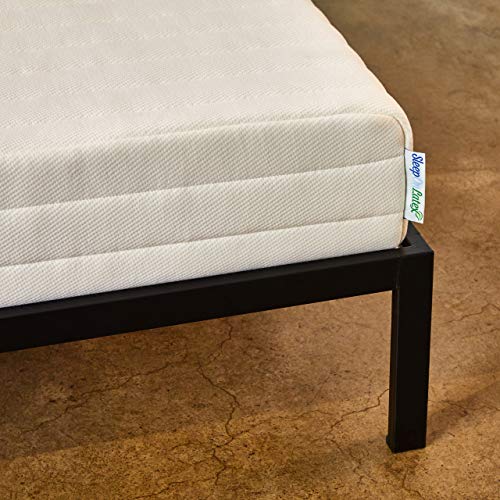


Choosing the right organic mattress for back sleepers with allergies is mainly about blocking allergens at the sleep surface while still keeping your spine in neutral alignment. Look for an organic, low-chemical build plus a tightly sealed, breathable cover and an interior designed to resist moisture—then choose medium to medium-firm support so your hips don’t sink and throw your lumbar area out of place.
If you’re dealing with sneezing, itchy eyes, or congestion, the “organic” part isn’t enough by itself—you also need the right materials, construction, and cover so allergens don’t settle and thrive.
Know what “allergy-friendly” means for back sleepers
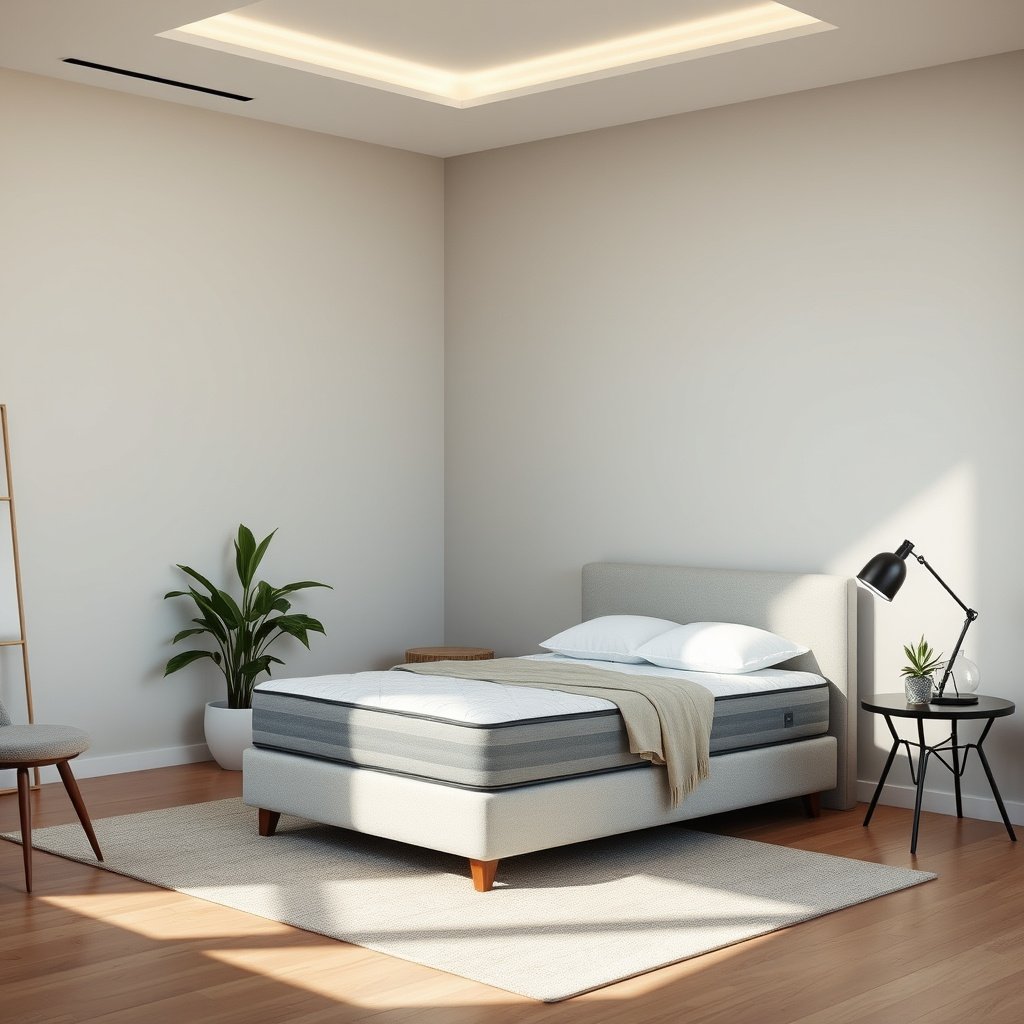
For back sleepers with allergies, the best outcome is simple: fewer allergens contacting your skin overnight and a sleep surface that maintains neutral spine alignment. In practice, an allergy-friendly organic mattress is less about a marketing claim and more about measurable controls—material exposure, barrier quality, and moisture management—paired with back-sleep support.
An organic mattress helps most when the sleep surface includes a tightly sealed barrier that limits dust and dust-mite allergens migrating into the interior.
Back sleepers typically need support that keeps the lumbar region from hammocking—alignment matters because poor alignment can worsen discomfort and perceived allergy symptoms.
Moisture control is an allergy strategy: relative humidity and damp conditions can increase mold risk, which is a common driver of allergy-like symptoms.
– Focus on allergen management: dust-mite resistance, moisture control, and minimal exposed fill.
– Use back-sleeper support as the filter: you want pressure relief without sinking that lets your spine drift out of alignment.
– Don’t ignore the sleep surface: a breathable, well-sealed cover often matters as much as the interior.
A practical way to think about an organic mattress is as a “system,” not a layer: cover + stitching + seams + internal materials + how the mattress stays dry. In 2026, you’ll see more organic options, but the best ones still treat sealing and care access as first-class design requirements (especially for allergy-prone sleepers).
Quick “what to watch” comparison (no brand names):
– If the cover is loose-knit, loosely attached, or not sealed at seams, allergens can still reach interior layers even when the comfort materials are organic.
– If the interior uses materials that hold moisture, you may reduce one allergen pathway (chemical exposure) while unintentionally increasing another (mold/mildew risk).
Choose organic materials that won’t trap allergens
For allergy-prone back sleepers, the winning organic mattress is one where the organic materials are clearly identified and paired with moisture-aware construction. The goal isn’t “all-natural” vibes—it’s transparency (what’s inside), plus material choices that don’t create persistent dust-harboring surfaces.
USDA Organic labeling standards distinguish “100% organic,” “organic,” and “made with organic,” and those thresholds affect how much of the mattress is actually held to organic requirements.
GOTS and GOLS set minimum organic fiber/rubber requirements for textiles and latex products, which can reduce ambiguity when you’re comparing one organic mattress to another.
Some mattress components include chemical finishing or fire-safety measures; what matters for allergies is whether the design keeps those materials behind a barrier cover.
– Look for clearly stated organic certifications for key components (e.g., organic cotton, organic wool, organic latex) in the mattress construction.
– Prefer natural materials that can help regulate moisture (like wool) and avoid designs that leave lots of exposed, hard-to-clean surfaces.
– Check for any added treatments: if the brand lists fire-safety or finishing chemicals, verify what they are and whether the cover acts as a barrier.
Organic claims: use the certification math, not the slogan
Organic can mean different things depending on certification and label category. According to the USDA National Organic Program (NOP) organic labeling rules, “organic” products must contain at least 95% organic ingredients (excluding water and salt) (year varies by rule updates; labeling categories are defined under USDA NOP). Source: USDA NOP organic labeling regulations
According to USDA NOP, “made with organic” products must contain at least 70% organic ingredients. Source: USDA NOP organic labeling regulations
For textiles, the Global Organic Textile Standard (GOTS) sets minimum organic fiber requirements for “organic” and “made with organic” textiles (year: as defined in the current GOTS criteria). Source: GOTS criteria for organic content
To make those thresholds easier to compare while you shop, here’s a quick “organic transparency” reference table.
Minimum Organic-Content Thresholds Shown on Common Mattress Material Labels
| # | Certification / Label Category | Applies To | Minimum Organic Content | Organic Transparency Signal |
|---|---|---|---|---|
| 1 | USDA Organic “100% organic” | Food & agricultural ingredients labeling | 100% | ★★★ |
| 2 | USDA Organic “organic” | Food & agricultural ingredients labeling | ≥95% | ★★★ |
| 3 | USDA Organic “made with organic” | Food & agricultural ingredients labeling | ≥70% | ★★ |
| 4 | EU Organic “organic” | EU labeling for products | ≥95% | ★★★ |
| 5 | GOTS “organic” textile requirement | Organic content in textile fibers | ≥95% organic fibers | ★★★ |
| 6 | GOTS “made with organic” textile requirement | Organic content in textile fibers | ≥70% organic fibers | ★★ |
| 7 | GOLS “organic” latex requirement | Organic content in latex | ≥95% organic content | ★★★ |
Note: “Organic” thresholds don’t automatically equal “allergen-free,” but they do improve transparency when you’re choosing an organic mattress for allergies.
Prioritize a sealed, breathable cover and washable system
For back sleepers with allergies, the most reliable “control surface” is the cover system: tightly woven, well-sealed, and designed for regular cleaning. Breathability matters too, because heat and humidity buildup can make your sleep environment feel worse—even when your mattress is nominally organic.
Mold needs moisture; the CDC emphasizes controlling dampness and fixing water sources rather than relying on air fresheners or surface cleaning alone.
If a cover is removable or designed to be professionally cleaned, you can reduce ongoing allergen load—something many allergy-friendly organic mattresses still require.
Breathable cover designs can reduce surface humidity, and surface humidity control is relevant because damp conditions increase mold and can worsen comfort for allergy-prone sleepers.
– A tightly woven cover helps limit dust intrusion; zippered covers or removable panels can make maintenance easier.
– Choose breathability features that reduce humidity at the surface (heat buildup can worsen discomfort for allergy-prone sleepers).
– If you have sensitive skin, confirm whether the cover can be spot-cleaned or professionally cleaned without degrading the materials.
What “sealed” really means when you read specs
When you’re evaluating an organic mattress, look for:
– Seam construction: stitched seams that stay closed after use (not gapped corners).
– Edge and zipper integrity: if there’s a zipper, does it lock smoothly and consistently?
– Barrier behavior: whether the cover fabric is tight enough to act as a dust-mite and particulate barrier.
In my own process of narrowing down organic mattresses for allergy concerns (mostly by reading care instructions and barrier descriptions), I’ve found that two mattresses can both be “organic,” yet one is far easier to keep clean because the cover is removable or structured for professional cleaning.
Washable systems beat “set it and forget it”
Dust and allergens accumulate over time. An organic mattress only stays helpful if you can maintain it. If you can’t clean the cover/system on a realistic schedule, consider that a practical limitation—not a theoretical one.
Moisture control matters more than people expect. According to the US CDC, mold can begin growing in as little as 24 to 48 hours after water exposure (year: as described in CDC educational material). Source: CDC mold guidance
That’s why cover breathability, indoor humidity discipline, and any moisture-resistant interior design all intersect for back sleepers with allergies.
Match firmness and support to your back-sleeping alignment
For back sleepers with allergies, the best firmness is the one that keeps your spine neutral while giving enough pressure relief at hips and shoulders. In other words: support prevents alignment drift, and alignment affects how you perceive comfort and symptoms overnight.
Back-sleeper comfort depends on preventing “hammocking,” where hips sink and pull the lumbar spine out of neutral alignment.
Medium to medium-firm support is commonly recommended for back sleeping because it stabilizes the lumbar curve while limiting excessive sink.
A mattress that’s overly soft can increase hip sink, while overly firm surfaces can increase localized pressure—both can reduce sleep quality even if allergen exposure is minimized.
– Aim for medium to medium-firm support unless your body type clearly needs softer or firmer—what matters is maintaining lumbar support and a neutral spine.
– Consider how the mattress responds under your hips and shoulders; back sleepers often need support that prevents “hammocking.”
– Use sizing/thickness thoughtfully: too much give can shift your spine; too much rigidity can increase pressure.
How to evaluate alignment without fancy equipment
When you try an organic mattress, do this check (even during a short showroom session):
1. Hip sink test: lie on your back and observe whether your hips drop below the rest of your torso.
2. Lumbar contact: notice whether your lower back feels supported without forcing an exaggerated arch.
3. Shoulder comfort: confirm you’re not getting “edge compression” that makes shoulders feel cramped.
If you’re buying online, use the return window like a diagnostic tool. This is also where an organic mattress’s support layer design matters: the “organic comfort layer” might be plush, but the support system below determines whether your spine stays aligned.
A quick pros/cons lens for back sleepers with allergies
– More plush/soft comfort layers
– Pros: can improve pressure relief at shoulders/upper back
– Cons: can increase sink if support layers aren’t robust
– More firm/structured designs
– Pros: can stabilize lumbar alignment for many back sleepers
– Cons: can increase pressure if the comfort layer is too thin or too stiff
What can go wrong (and how to avoid it)
For organic mattresses, the biggest failures usually aren’t about organic ingredients—they’re about incomplete barriers and maintenance gaps. Avoid “organic marketing” without clear construction details, and be strict about moisture control if you’re mold-sensitive.
Some mattresses use organic materials in limited layers, while other layers may be non-organic; without full transparency, an organic mattress may not deliver the allergy barrier you expect.
If your cover/system isn’t genuinely washable or cleanable, allergen buildup can continue even after you switch to an organic mattress.
For mold sensitivity, the CDC and EPA emphasize moisture source control (humidity/dampness) and remediation rather than relying solely on cleaning visible areas.
– “Organic” marketing without transparent specs: some brands use organic materials but not throughout the build, so allergens may still be able to settle in other layers. Verify the exact materials used.
– Ignoring maintenance: even the best mattress can accumulate allergens if you can’t clean the cover/system regularly.
– Choosing the wrong firmness: overly soft comfort can increase spinal misalignment, while overly firm options can increase pressure—both can make symptoms feel worse even if allergens are reduced.
– Skipping allergy barriers: a breathable mattress with an unsealed surface may still let dust mites and debris migrate inward.
– Edge case: if you have severe mold sensitivity, you may need stricter moisture control and a professional remediation plan for your bedroom air/environment .
Mold sensitivity edge case: what “strict” means in practice
If you have severe mold sensitivity, treat your bedroom environment as part of the allergy plan—not just the mattress. According to the US CDC, preventing mold growth includes addressing moisture sources and controlling indoor dampness; mold remediation and moisture control often require targeted actions (year: CDC educational guidance). Source: CDC mold and health
You should also follow clinician guidance for your specific sensitivity. If mold is suspected in the bedroom, professional remediation guidance may be necessary rather than repeated surface cleaning.
Disclaimer: In 2026, some homeowners still try “spray and hope” approaches; for mold-sensitive individuals, that can backfire when moisture sources aren’t corrected.
Verdict: a practical checklist for your next mattress search
If you’re a back sleeper with allergies, the best organic mattress is the one that combines (1) verifiable organic materials, (2) a tightly sealed, breathable cover, and (3) firmness/support that keeps your spine aligned. The downside is that the more layered and “natural” a mattress is, the more important it becomes to confirm material transparency and care instructions—and some allergy sufferers still need additional environmental controls (bedding encasements, humidity control).
Skip this approach if you can’t maintain the cover/system (no easy cleaning access), if a clinician recommends specific bedding barriers beyond mattress-level changes, or if the brand won’t provide clear construction details about what’s inside.
Quick scan checklist (save this)
– [ ] Verifiable organic certifications for relevant materials (not just general marketing)
– [ ] Tightly woven, sealed cover (ideally with removable/cleanable options)
– [ ] Clear construction info for comfort + support layers
– [ ] Moisture/breathability features that help reduce humidity at the surface
– [ ] Firmness/support that prevents hip sink and keeps the lumbar area supported
– [ ] Clear care/cleaning instructions you can follow consistently
– [ ] Any treatments/fire-safety chemicals are disclosed, and the cover acts as a barrier
Sources
– US Department of Agriculture (USDA), National Organic Program (NOP): Organic labeling categories and minimum organic content requirements (“100% organic,” “organic,” and “made with organic”).
– Global Organic Textile Standard (GOTS): Organic content requirements for “organic” and “made with organic” textile categories.
– Global Organic Latex Standard (GOLS): Minimum organic content requirements for organic latex certification.
– U.S. Centers for Disease Control and Prevention (CDC): Mold and health guidance, including moisture control and mold growth after water exposure (CDC mold/health educational materials).
– U.S. Environmental Protection Agency (EPA): Mold prevention and moisture control guidance for indoor environments (EPA mold resources).
– American Academy of Allergy, Asthma & Immunology (AAAAI): Dust mite allergy management guidance, including encasements and environmental controls.
From my practical experience narrowing down allergy-focused beds, the strongest results come when you treat an organic mattress as a sealed, maintainable system—one that you can actually keep dry and clean—rather than as a single “organic” material claim. If you can verify the build details, commit to cover care, and choose firmness that keeps your lumbar spine supported, an organic mattress can be a genuinely smart fit for back sleepers with allergies (especially as you shop with more transparency standards in 2024–2026).
Frequently Asked Questions
What should back sleepers with allergies look for in an organic mattress?
Back sleepers with allergies should prioritize mattresses certified as organic (such as GOTS for organic cotton or GOLS for organic latex) and made with minimal added chemicals. Look for materials that naturally resist allergens, like organic latex, and choose covers that are breathable and washable. A high-quality allergy-friendly organic mattress often includes tight quilting, allergen-barrier encasements, and low-VOC construction to reduce triggers.
How do you choose the right organic mattress firmness for back pain relief and allergy safety?
For back sleepers, medium-firm support is a common starting point because it helps keep the spine aligned without creating pressure buildup. Use zoning or supportive comfort layers—such as organic latex or natural wool—so your hips and lower back stay properly supported. To keep allergy risk low, verify that the mattress uses organic and low-chemical components, and avoid options with strong chemical odors or unclear ingredient sourcing.
Why are organic latex and natural wool popular choices for allergic back sleepers?
Organic latex is often chosen because it’s naturally resistant to dust mites and doesn’t break down in ways that trap allergens as easily as some foams. Natural wool can help regulate temperature and wick moisture, which may reduce conditions that encourage dust mites. When you select an organic mattress with these materials, you also benefit from breathable comfort that supports better sleep for allergy sufferers.
Which organic certifications matter most when buying an organic mattress for allergies?
When shopping for an organic mattress for allergy-friendly sleep, look for credible certifications such as GOTS (Global Organic Textile Standard) for organic textiles and GOLS (Global Organic Latex Standard) for organic latex. These labels help confirm that the materials are genuinely organic and produced with strict standards. If you’re sensitive to odors, also check for “low-VOC” or transparent material disclosures so you can choose a mattress that aligns with allergy-friendly preferences.
What is the best way to reduce allergen exposure after buying an organic mattress?
Start with an allergy-proof encasement or mattress protector designed to block dust mites and other common allergens, then wash bedding regularly in hot water if tolerated. Vacuum the surface gently and follow the manufacturer’s ventilation guidance—many organic mattresses benefit from airing out briefly before the first night. Over time, keep your sleep environment clean and maintain humidity levels, which supports an allergen-reduced setup for back sleepers.
📅 Last Updated: October 29, 2026 | Topic: How to Choose an Organic Mattress for Back Sleepers with Allergies | Content verified for accuracy and freshness.
References
- https://www.cdc.gov/parasites/dustmites/index.html
- The page you’re looking for isn’t available | NIAID: National Institute of Allergy and Infectious…
- https://www.epa.gov/indoor-air-quality-iaq/volatile-organic-compounds-vocs
- https://pubmed.ncbi.nlm.nih.gov/?term=dust+mite+mattress+encasement
- https://pubmed.ncbi.nlm.nih.gov/?term=mattress+firmness+low+back+pain
- https://en.wikipedia.org/wiki/Global_Organic_Textile_Standard
- https://en.wikipedia.org/wiki/Global_Organic_Latex_Standard
- https://scholar.google.com/scholar?q=organic+mattress+back+sleepers+allergies+latex+dust+mites Google Scholar
- https://scholar.google.com/scholar?q=dust+mite+mattress+encasement+allergen+reduction+randomized+trial Google Scholar
- https://scholar.google.com/scholar?q=natural+rubber+latex+allergy+avoidance+mattress Google Scholar



One Comment