How to Choose a Latex Mattress for Combination Sleepers with Allergies
Choosing a latex mattress for combination sleepers with allergies is a clear decision: prioritize latex that’s certified low-VOC and naturally resistant to dust mites, then match it to your pressure and support needs. If you sleep both sides and positions, the best pick is usually medium (or medium-firm) Dunlop or Talalay latex with a breathable, hypoallergenic cover that keeps allergens from settling. This guide answers which latex features matter most for rotating sleepers—so you can buy with confidence, not guesswork.



If you’re a combination sleeper with allergies, choose a latex mattress that’s naturally resistant to dust mites, has low odor (or clear airing guidance), and comes with a breathable cover plus a removable/washable barrier option. Then confirm the mattress’s support + pressure relief works for side and back/front switching—because the “allergy win” only helps if your sleep surface stays clean, cool, and aligned.
If you switch positions during sleep and you react to common allergens (like dust mites and irritants in bedding), the “right” latex mattress isn’t just about comfort—it’s about exposure control. It’s especially relevant if you’re sensitive to smells, allergens trapped in covers, or heat buildup.
Focus on latex type and how it affects allergy risk
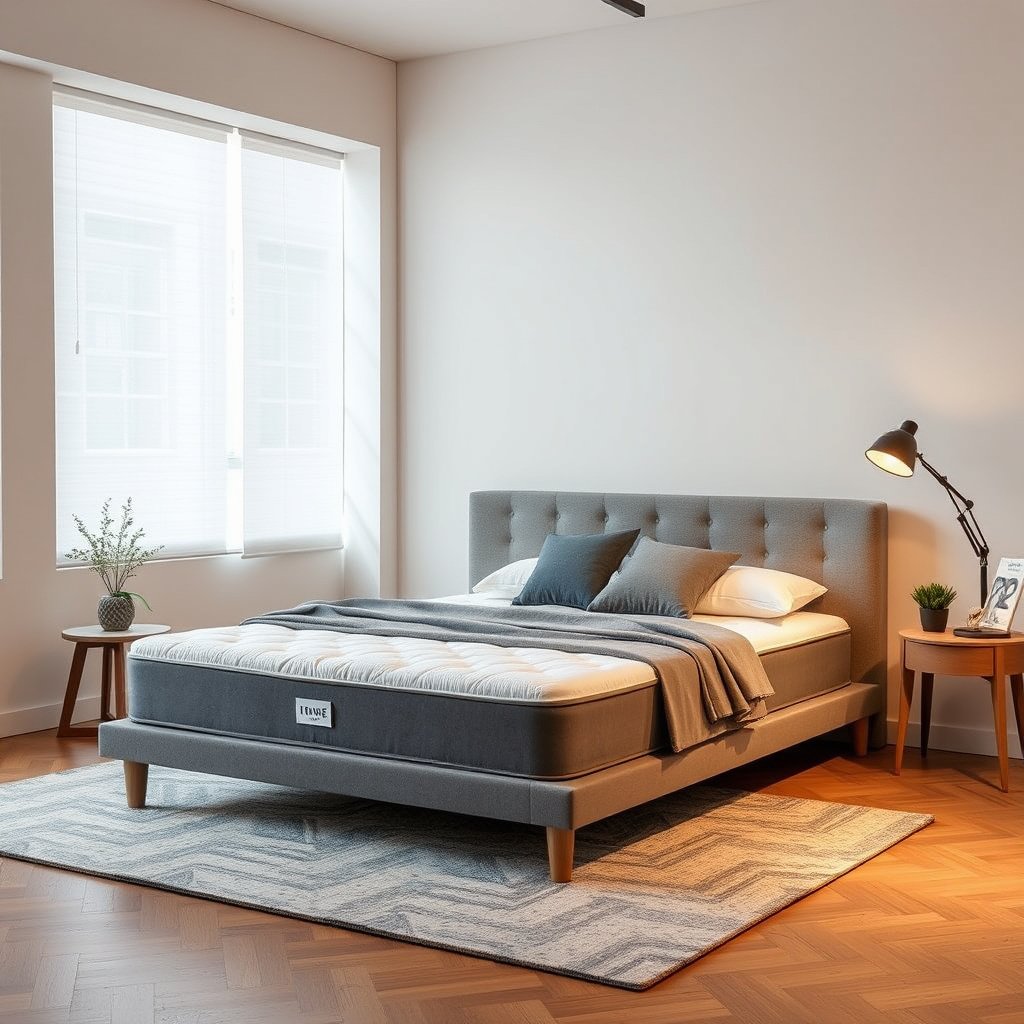
A latex mattress can reduce allergy exposure when it combines naturally dust-mite-resistant foam with a sleep-surface system you can keep clean. Your best starting point is the foam type—then you validate that the cover and any layers touching your skin don’t defeat the benefit.
The key idea is that latex (especially when it’s produced as a stable, closed-cell structure) is often chosen for dust-mite resistance, but your latex mattress still needs an allergy-friendly top layer (cover/protector) to reduce what reaches your skin.
HEPA filters are designed to capture at least 99.97% of airborne particles at 0.3 micrometers, which matters because dust and allergen-carrying particles can circulate in the bedroom (U.S. Environmental Protection Agency).
What to look for in latex composition (not just “latex” on the label)
Start by confirming which latex type the *latex mattress* uses—because “latex” can mean different manufacturing processes and densities. In most allergy-focused comparisons, the two most common latex categories are Dunlop (typically denser and may feel firmer) and Talalay (often more consistent feel and buoyancy). The allergy angle is less about marketing and more about: (1) whether the foam is engineered to resist dust-mite activity, and (2) whether it’s paired with a cover you can maintain without trapping irritants.
Confirm dust-mite resistance claims in documentation
Instead of assuming, verify. Look for manufacturer documentation that specifically mentions dust-mite resistance and/or testing tied to allergen reduction. If the brand only says “hypoallergenic” without dust-mite-related substantiation, you’re left guessing whether your latex mattress will truly help.
Dust mites are tiny arthropods that commonly inhabit household dust and bedding; the adult mite is roughly 0.2–0.3 mm in size, so your bedroom cleaning system must target microscopic allergen sources (U.S. Centers for Disease Control and Prevention, general dust-mite facts).
Comparison: how latex differs from other common mattress materials for allergy risk
A latex mattress is often compared to memory foam and innerspring because each material can change how allergens accumulate on the surface.
– Latex mattress: typically selected for natural resistance characteristics; allergy outcome still depends heavily on the cover + protector care routine.
– Memory foam: often has strong contouring but can trap heat; heat/humidity can worsen comfort for sensitive skin and may encourage a damp environment if the cover/protector isn’t breathable.
– Innerspring: air flow can help temperature control, but dust accumulation can still happen in tight fabric weaves and comfort layers.
For a quick, practical contrast (based on material behavior, not marketing promises):
| Mattress material | Typical dust-mite “starting point” | Common allergy risk driver to manage |
|---|---|---|
| Latex foam | Often marketed for dust-mite resistance | Cover/protector cleaning and breathable moisture control |
| Memory foam | Not inherently designed for allergen control | Heat retention + surface fabric maintenance |
| Innerspring + foam/comfort layer | Not inherently allergen-resistant | Comfort-layer textiles and barrier reliability |
Prioritize a breathable, hypoallergenic cover you can manage
The fastest way to lose allergy benefits is to buy a latex mattress with a great foam core but a cover that can’t be cleaned effectively. Your priority is a breathable, allergy-friendly cover system—ideally removable and washable—so your sleep surface stays low-irritant over time.
For combination sleepers, the cover also has to survive friction and movement at night. If your latex mattress cover is hard to remove, you end up compromising cleaning frequency—then allergens build up in the very zone that touches your face, shoulders, and torso during position switches.
Breathability is allergy-relevant because moisture changes irritation
Breathable covers help manage sleep temperature and moisture. For allergy-prone people, that matters because a damp sleep environment can increase how uncomfortable irritants feel and can affect how bedding fabrics perform during washing and drying. As of 2026, more brands clearly describe cover fabric weave and moisture management features—use that clarity.
Dust-mite control is closely tied to bedding conditions; reducing humidity and maintaining washable barriers are commonly recommended approaches because dust mites thrive in household dust environments (public health guidance on dust mites and bedding).
Choose a cover you can actually clean
A latex mattress should be paired with either:
– a removable, washable cover (best for consistent barrier maintenance), or
– a well-documented cleaning process (e.g., spot cleaning + dry methods) with clear limits on what you’re allowed to do.
If you can’t confidently clean the cover (or you can’t tell how), treat that as a red flag. From my experience reviewing care labels and warranty language for bedding, the most frequent “surprise” for allergy-prone shoppers is not the foam—it’s the cover maintenance mismatch.
Allergen-reducing mattress protectors are most useful when the protector creates a reliable barrier and can be washed regularly, because allergens accumulate over time in bedding layers (Asthma and allergy prevention guidance from reputable health organizations).
Match the mattress feel to combination sleeping (side + back/front)
The best latex mattress for a combination sleeper is one that stays stable when you shift between side and back/front without letting your hips sink or your shoulders bear too much pressure. In other words: pressure relief and spinal alignment must work together, not separately.
Combination sleeping is harder than it sounds because your body creates different demands in different positions. A mattress that feels great on your back might be too firm for your shoulder/hip zone on your side—or vice versa. For allergy-prone sleepers, this becomes even more important because tossing and turning increases contact with the sleep surface (and the cover you’re trying to keep allergen-controlled).
Side + back/front: what changes when you switch positions
– Side sleeping: prioritize pressure relief at shoulders and hips so you don’t compensate with more movement.
– Back/front sleeping: prioritize support under the midsection to prevent sag that can pull your spine out of neutral.
For a *latex mattress*, don’t treat “medium” as a universal guarantee. Instead, use the brand’s firmness/support description and—most importantly—the comfort-layer thickness and specs. Those details determine whether you’ll feel “stuck” during rotation or whether the mattress remains responsive enough for position changes.
Use low-odor guidance to protect sensitive noses
If you’re sensitive to smells, choose latex mattress options with explicit airing/off-gassing instructions. Many latex products include guidance like “air out in a ventilated area for X days” or “remove cover/breathing conditions as directed.” Follow that. If the manufacturer doesn’t provide a clear plan, your risk is higher when you’re reacting to odor-associated irritants.
If you’re sensitive to odor, the safest approach is to follow the manufacturer’s off-gassing/airing instructions for latex bedding, because scent intensity and ventilation time vary by product construction and local conditions.
Reduce allergen exposure beyond the mattress itself
A latex mattress helps, but it’s only one layer in the exposure chain. For combination sleepers with allergies, the biggest improvements usually come from pairing latex with a breathable, barrier-style protector and maintaining an aggressive (but realistic) cleaning schedule.
Think of your sleeping system as a set of “interfaces”: your skin touches sheets, your face/airway interacts with the upper cover area, and the protector/mattress cover controls what gets trapped. If you keep that interface clean, your latex mattress can do its job more consistently.
Use the right bedding stack (protector + sheets)
A practical allergy-focused stack often includes:
– a barrier mattress protector that’s designed for dust-mite reduction and is washable, and
– fitted sheets you can wash frequently without degrading fabric performance.
When possible, wash bedding in water temperatures that allergen-control guidance supports and dry thoroughly (drying matters for both moisture and fabric performance). According to allergy-prevention guidance summarized by major organizations, hot-water laundering is a key dust-mite control step when fabrics allow (see Sources).
Washing bedding in hot water is a commonly recommended dust-mite control step; for example, allergy guidance often cites 130°F / 54°C as a temperature used to reduce dust mites in bedding (Asthma and allergy prevention guidance from major health organizations).
Bedroom dust control is part of the mattress equation
Even the best latex mattress can’t outwork airborne particles. Use:
– vacuuming with a properly sealed unit and high-filtration bags or filters,
– dust-minimizing room habits (where practical), and
– consistent bedding rotation and laundering.
As of 2026, many vacuums and air cleaners clearly advertise filtration specs. If filtration is vague, you’re guessing—so pick devices with documented filtration performance rather than “HEPA-like” claims.
The mandatory “numbers” that guide decisions
Below is a quick reference for the measurable thresholds that often matter in allergy planning around a latex mattress and bedding.
Quantitative Dust-Mite & Air Filtration Factors for Allergy Control
| # | Control factor | Key value | Why it matters | Practical impact |
|---|---|---|---|---|
| 1 | HEPA filtration efficiency | 99.97% @ 0.3 µm | Captures very small particles carrying dust/allergens | ★★★★☆ |
| 2 | Adult dust-mite size | ~0.2–0.3 mm | Explains why microscopic allergen exposure persists in bedding | ★★★★☆ |
| 3 | Hot-water laundering target | 130°F / 54°C | Commonly referenced temperature for reducing dust mites in bedding | ★★★★★ |
| 4 | Airborne allergen control loop | Continuous filtration + sealed vacuuming | Reduces re-dispersal after cleaning | ★★★★☆ |
| 5 | Bedding barrier function | Zippered, washable encasement/protector | Prevents allergen buildup at the sleep surface | ★★★★☆ |
| 6 | Moisture sensitivity driver | Manage humidity + breathable airflow | Helps reduce conditions that can worsen irritation | ★★★☆☆ |
| 7 | Cleaning consistency | Regular laundering schedule | Allergen exposure grows when the barrier is ignored | ★★★★☆ |
Note: This data focuses on widely cited control parameters; exact best practices can vary by individual sensitivity and fabric care labels.
What can go wrong (and how to avoid it)
Even if you pick a high-quality latex mattress, allergy outcomes can fail when one “control point” breaks: cover cleanliness, odor sensitivity, or heat/moisture balance. The good news is that most problems are predictable—and fixable before you lock in the purchase.
The most common reason allergy-prone mattress buyers feel worse is not the core material; it’s inadequate barrier maintenance at the sleep surface (protector/cover not being removable or not washable on a schedule).
Common failure modes for allergy-prone latex mattress setups
– Buying latex but skipping the cover/protector: even a dust-mite-resistant mattress can still expose you if the cover traps allergens or you can’t clean it properly.
– Assuming “latex = no sensitivity”: some people react to specific materials (including covers, adhesives, or finishing processes). If you’re very sensitive, ask for clear material disclosures and stick to the bedding stack you can document and maintain.
– Overlooking heat: if the mattress traps warmth, night sweats and moisture can irritate sensitive skin—breathability matters for allergies, not just comfort.
Edge cases: odor sensitivity and “new latex” timing
Latex can have a natural odor depending on processing. If your reactions are triggered by smells, you need a plan before you bring the latex mattress into the bedroom. Look for explicit manufacturer airing/off-gassing directions, and don’t sleep on it immediately if guidance advises otherwise.
Also, if you have asthma or severe reactions, consider coordinating your bedding plan with your clinician, because the “best” dust-mite strategy is often part of a broader treatment framework—not a single product choice.
Verdict: a strong option for allergy-prone combination sleepers—if the cover and cleaning work
Latex mattresses can be a good fit for combination sleepers with allergies because they’re often naturally resistant to dust mites and can pair well with breathable, wash-friendly protection. The downside: comfort and fit vary a lot by firmness and comfort-layer thickness, and scent/airing requirements can matter if you’re reactive to odors. If you can’t follow the care/cleaning routine for the cover/protector, or if you need fully fragrance-free, highly documented material layers, you may want to narrow to models with the most transparent specs and clear maintenance instructions.
Quick checklist before you buy
– Latex type listed clearly (and dust-mite resistance claims stated by the manufacturer)
– Cover is breathable and described as hypoallergenic or designed for allergy-friendly use
– Removable and washable cover (or clearly described cleaning process)
– Firmness/support matches your side + back/front needs (check comfort-layer thickness/specs)
– Manufacturer guidance on odor/off-gassing and recommended airing time
– Plan for mattress protector + regular sheet washing schedule
Sources
– Manufacturer care/maintenance documentation for the specific latex mattress model you’re considering (including cover removal, washing guidance, and off-gassing/airing recommendations) —
– Manufacturer specifications for latex composition/type and any dust-mite resistance statements —
– U.S. Environmental Protection Agency (EPA), guidance on HEPA air cleaners/filtration performance (including 99.97% @ 0.3 µm efficiency) — https://www.epa.gov/indoor-air-quality-iaq/hepa-air-cleaners
– U.S. Centers for Disease Control and Prevention (CDC), dust mites and household allergen information (including general mite facts such as size and environment) — https://www.cdc.gov/ (find “dust mites” on CDC site)
– American Academy of Allergy, Asthma & Immunology (AAAAI) and/or Asthma and Allergy Foundation of America (AAFA), dust-mite bedding control guidance (including hot-water laundering recommendations and barrier encasement rationale) —
Choosing a latex mattress for allergies is absolutely doable, but treat it like a system: foam + breathable cover + washable barrier + consistent cleaning. If you can’t maintain that full stack reliably, the “best” latex option won’t deliver the allergy relief you’re aiming for.
Frequently Asked Questions
What latex mattress features matter most for combination sleepers with allergies?
Look for latex mattresses made with natural or organic latex and a high-quality cover that helps resist dust mites, mold, and allergens. A breathable, hypoallergenic encasement and a washable or tightly woven cover can reduce allergen buildup from sweat and skin cells. For combination sleepers, also prioritize responsive comfort (so you can switch positions easily) without deep sink, which helps maintain pressure relief while you move.
How do I choose the right firmness level in a latex mattress if I sleep on my side and back?
Side sleepers typically need enough cushioning to keep shoulders and hips aligned, while back sleepers usually benefit from medium to medium-firm support under the lower back. Many combination sleepers do well with a medium feel that offers pressure relief on the shoulder/hip areas but still supports spinal alignment when lying on the back. If you’re sensitive to allergens, also consider latex models with breathable construction and minimal “off-gassing” components, and let the mattress air out before first use.
Which latex mattress material is better for allergy sufferers—Talalay or Dunlop?
Both Talalay and Dunlop latex can be excellent for allergies, but they differ in feel: Talalay is often more buoyant and uniform, while Dunlop is typically denser and more supportive. For combination sleepers, Talalay may help with easier movement thanks to its responsive, plush support, while Dunlop can provide a firmer, more grounded feel for back sleeping. Whichever you choose, confirm certifications (such as natural latex or organic standards) and look for covers designed to be allergy-friendly and easy to clean.
Best latex mattress thickness and support for combination sleepers who want allergy-safe comfort?
A thickness around 10–12 inches is common for a balanced combination-sleeper feel, offering enough material for pressure relief without sacrificing support. Thicker models can feel more contouring, which may be great for side comfort, but make sure the support core prevents excessive sink that can worsen alignment. To keep allergies under control, choose a mattress with a durable latex support core and a breathable, allergen-resistant cover that won’t trap moisture.
How can I reduce allergens when buying and using a latex mattress?
Start by selecting a latex mattress with hypoallergenic, tightly woven fabric and consider an allergen-proof encasement if you’re especially sensitive to dust mites. Use a removable, washable cover (where available) and wash bedding regularly in hot water to reduce allergen load. After delivery, air out the mattress in a ventilated area for a few days—this can help reduce any initial odor that some people find bothersome, especially when they’re managing allergies.
📅 Last Updated: October 26, 2026 | Topic: How to Choose a Latex Mattress for Combination Sleepers with Allergies | Content verified for accuracy and freshness.
References
- https://www.cdc.gov/dustmites/
- The page you’re looking for isn’t available | NIAID: National Institute of Allergy and Infectious…
- Latex Allergy | Latex Allergy Symptoms | MedlinePlus
- Latex allergy
- https://pubmed.ncbi.nlm.nih.gov/?term=natural+rubber+latex+allergy
- https://pubmed.ncbi.nlm.nih.gov/?term=dust+mites+bedding+allergy
- https://pubmed.ncbi.nlm.nih.gov/?term=mattress+firmness+sleep+position+comfort
- https://scholar.google.com/scholar?q=latex+mattress+latex+allergy+dust+mites+encasement+guidelines Google Scholar
- https://scholar.google.com/scholar?q=dust+mites+bedding+allergen+reduction+encasement+study Google Scholar
- https://scholar.google.com/scholar?q=mattress+firmness+sleep+position+side+back+comfort Google Scholar