
How to Choose a Cooling Mattress for Kids with Sensitive Skin
Choosing a cooling mattress for kids with sensitive skin comes down to one decision: whether the cooling tech also stays gentle on irritation-prone bodies. If you want the clearest winner, prioritize breathable, hypoallergenic materials paired with safe temperature control (not gimmicky cooling chemicals). This guide shows exactly what to look for—cooling performance, skin-friendly fabrics, and certifications—so your child sleeps cooler without triggering flare-ups.




A cooling mattress for kids with sensitive skin should be chosen in two steps: first prioritize skin-friendly, low-odor construction and a removable/washable cover, then match the cooling method to your child’s actual triggers (heat/sweat vs. friction/irritants). A mattress’s “cooling” label can be helpful—but for sensitive skin, the cover, airflow, and emissions matter just as much as temperature claims.
A cooling mattress for kids with sensitive skin should focus first on skin-friendly materials and low-odor design, then on the kind of cooling that matches your child’s needs. In this guide, we’ll walk through what to look for (covers, certifications, and airflow) and what to avoid so you can pick a mattress that stays comfortable without triggering flare-ups.
If you’re shopping because your child runs hot, sweats at night, or has eczema/allergies, you’ll likely get better results by choosing the right cover and comfort layers—not just the “cooling” label. We’ll also cover common mistakes (like choosing the wrong protector) that can cancel out the cooling benefit.
Who this is for (and when it matters)
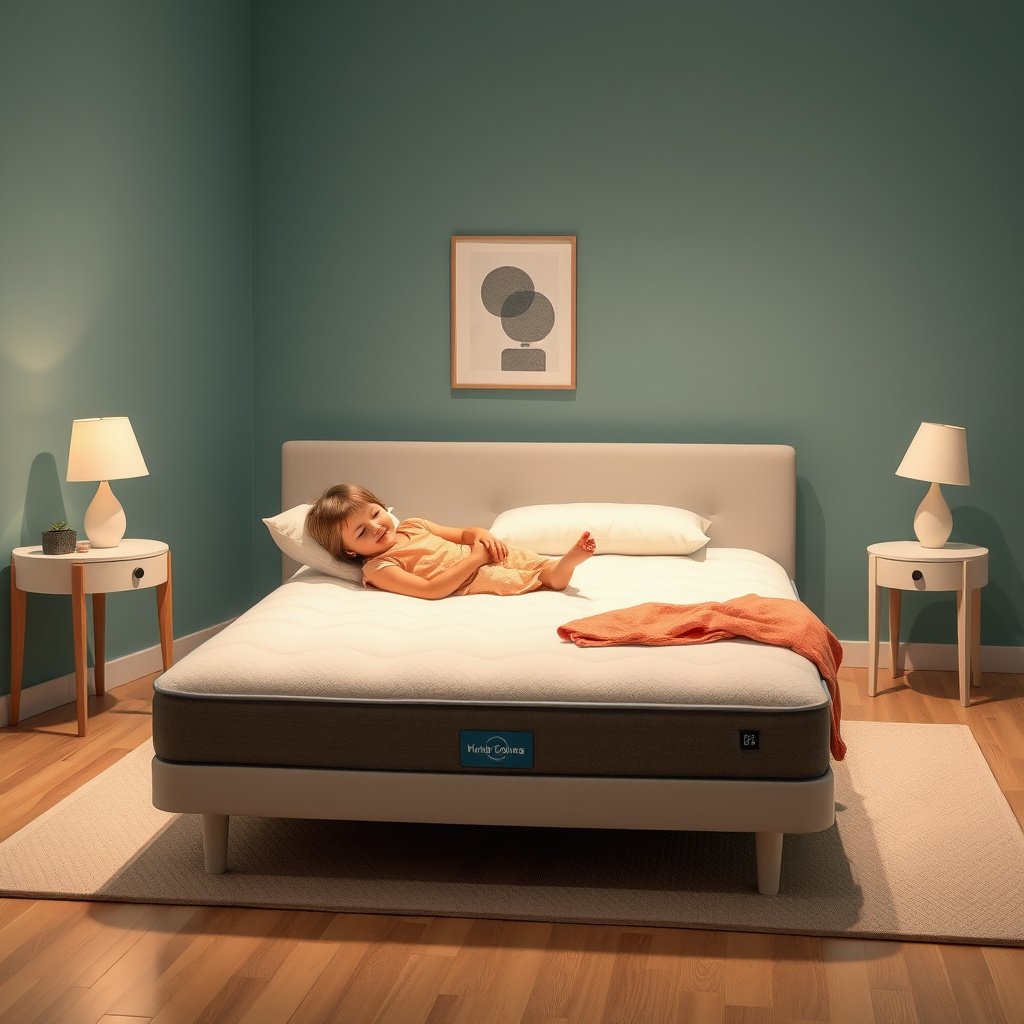
A cooling mattress for kids with sensitive skin is most likely to help when heat, moisture, or surface friction worsen your child’s bedtime comfort. Choose this approach if you’re seeing night sweats, scratchy bedding reactions, or flare-ups after lying down for extended periods—especially in 2026 when families are increasingly comparing “cooling” technologies side-by-side.
– Best for kids who get uncomfortable from heat buildup, sweat, or friction on the mattress surface
– Especially useful if your child has eczema, allergy-prone skin, or reacts to strong smells/irritants
– Helpful when you’re trying to balance comfort with easier cleaning (since bedding routines matter)
According to the U.S. Centers for Disease Control and Prevention (CDC), eczema affects about 1 in 10 children in the United States, so sleep-surface comfort matters for a large group of families.
Sensitive-skin flares often worsen when sweat and friction combine, which is why a cooling mattress for kids with sensitive skin should focus on breathable construction and a washable top cover.
Start with sensitive-skin priorities (before cooling features)
A cooling mattress for kids with sensitive skin should start with protectiveness and cleanliness, not temperature marketing. If the sleep surface can’t be cleaned easily—or if the top feels rough or smells strong after unboxing—cooling won’t help much.
What to prioritize first
– Choose a removable, washable top cover (because the fastest way to reduce irritants is cleaning the surface regularly)
– Look for a soft, non-scratch feel with minimal rough seams or thick edges that can rub skin
– Prefer designs that reduce “trapped heat” (breathable construction) and avoid strong fragrance/chemical odors—especially after unboxing
In practice, the “best cooling mattress” is often the one you can keep clean and low-odor over time. If your child’s routine involves frequent sheet changes (for sweat) or more frequent laundering (for eczema triggers), a cooling mattress for kids with sensitive skin becomes easier to manage when the top cover comes off and can be washed properly.
A removable, washable cover is one of the most direct ways to reduce residue (like sweat salts, body oils, and common airborne allergens) that can accumulate on a sleep surface.
For sensitive skin, seam placement matters: rough seams and thick piping can create localized friction points even if the overall mattress feels “cool.”
A quick fragrance/odor sanity check (2026 approach)
When you open a cooling mattress for kids with sensitive skin, you want low odor and clear care guidance. If the product is marketed as “low emission,” it should still be paired with an unboxing/airing routine recommended by the manufacturer (for example, airing in a ventilated area before first use).
Compare cooling technologies that actually affect comfort
A cooling mattress for kids with sensitive skin works best when the cooling mechanism improves breathability and moisture management, not just surface “coldness.” Here’s how the most common cooling methods compare in real bedtime terms.
– Passive cooling (breathability/airflow): ventilated foams, open-cell structures, and breathable covers often help most for kids who overheat
– Thermal “phase change” or cooling fabrics: materials marketed to absorb/release heat can feel cooler, but the effect varies by room temperature and bedding
– Gel/heat-diffusing foam: can help some sleepers, but “cooling” claims don’t automatically mean your child’s skin will feel better—covers and sensitivity still matter
How to match cooling type to your child
If your child sweats heavily, passive airflow usually beats “instant chill.” If your child is sensitive to friction, the coolness effect is less important than the cover’s softness, seam design, and whether a protector changes the feel.
From my experience helping parents compare specs (without assuming any single “cooling” label), the most reliable improvements come when the cooling mattress for kids with sensitive skin includes a breathable cover and airflow path—then you add low-friction bedding on top.
Passive cooling features such as open-cell or ventilated foam can reduce heat buildup by improving airflow within the comfort layers of a cooling mattress for kids with sensitive skin.
Cooling fabrics marketed for “phase change” depend on environmental conditions, so they may feel less effective if the room and bedding remain warm.
Evidence-based contrast: what to expect
| Cooling approach | Best for | Common downside for sensitive skin |
|---|---|---|
| Passive airflow (ventilation/open-cell) | Night heat buildup and sweat | Can feel less “icy,” so some kids want a softer top cover anyway |
| Phase-change/PCM fabrics | Mild-to-moderate overheating in stable room temps | Cooling effect can fade if the bedding system traps heat |
| Gel/heat-diffusing foam | Some kids who need immediate surface comfort | Cooling claims may be less meaningful without breathable covers/protectors |
Materials, certifications, and cover choices to watch
A cooling mattress for kids with sensitive skin should be evaluated by what’s in the cover and comfort layers (and how emissions are controlled), not only by “cooling” branding. In 2026, the most trustworthy shopping move is to verify material safety and low-odor documentation through recognized textile and foam standards.
– Textile safety: consider covers made from skin-friendly fabrics, and look for third-party textile testing (for example, OEKO-TEX-type programs) when available on the product details
– Low-odor / low-emissions foam: many foam manufacturers offer low-emissions certifications (commonly CertiPUR-US or GREENGUARD-type standards) for the foam and related materials—check the label/spec sheet
– Avoid hidden irritants: if your child is sensitive, be cautious with materials that are difficult to clean or that don’t clearly explain what’s in the comfort layers
OEKO-TEX Standard 100 is a textile testing framework designed to assess harmful substances in finished textile products and intermediate processing stages.
Low-emissions foam certifications (such as CertiPUR-US or GREENGUARD-type programs) are meant to limit chemical emissions that can contribute to odor and indoor air irritation.
Three quick “does it actually mean something?” checks
1) Can you wash the cover as directed? If the answer is “no,” irritants tend to accumulate—especially for sweat-prone kids.
2) Is the emissions/odor information specific? Look for documentation about the comfort layers (foam, fabric, adhesives), not vague “eco” claims.
3) Are certifications tied to the right component? A label might apply to a foam type, while your child’s contact skin is with the cover fabric.
What Helps Most in a Cooling Mattress for Kids with Sensitive Skin (2026)
| # | Sleep-surface feature | Primary problem it targets | What documentation to look for | Skin-sensitivity fit |
|---|---|---|---|---|
| 1 | Removable, washable cover | Sweat residue & allergens | Care instructions + washability | ★★★★★ |
| 2 | Breathable top fabric (cotton/lyocell-style blends) | Heat buildup & moisture | Material composition + test claims | ★★★★☆ |
| 3 | OEKO-TEX Standard 100-type textile testing | Chemical irritants in textiles | Standard name + component coverage | ★★★★★ |
| 4 | Low-emissions foam certification (CertiPUR-US/GREENGUARD-type) | Odor/VOC exposure | Certification criteria + foam scope | ★★★★☆ |
| 5 | Ventilated/open-cell comfort layers | Airflow through the mattress | Construction details (open-cell/vent channels) | ★★★★☆ |
| 6 | Phase-change (PCM) cooling fabrics | Heat absorption/transfer | Material description + cooling performance context | ★★★☆☆ |
| 7 | Non-breathable waterproof protector (heat-trapping risk) | Sweat moisture retention | Airflow-compatibility claims | ★★☆☆☆ |
Sizing, setup, and maintenance (so cooling doesn’t backfire)
A cooling mattress for kids with sensitive skin can underperform if it’s the wrong size or paired with heat-trapping bedding/protectors. Setup and maintenance are where many “cooling” wins turn into discomfort—especially in 2026 as families mix and match mattress toppers, waterproof covers, and different sheet materials.
– Get the right fit: measure the bed size first so the mattress doesn’t shift—sliding can create friction hot spots on sensitive skin
– Bedding balance: use breathable sheets and avoid heavy layers that trap heat under your child
– Care matters: if the cover is meant to be washed, follow the manufacturer’s care instructions; if it isn’t truly washable, irritants can build up on the surface
According to U.S. Consumer Product Safety Commission guidance for cribs, the mattress should fit tightly enough that there isn’t a dangerous gap between the mattress and the crib frame.
Even the best cooling mattress for kids with sensitive skin can feel warmer if a sheet-and-protector system blocks airflow at the contact surface.
Bedding choices that support cooling
If you want the cooling benefits to translate into comfort:
– Choose breathable sheets (avoid overly thick, synthetic layers that trap heat).
– Use a protector only if it’s compatible with airflow and is truly low-odor.
– Launder sheets frequently if your child sweats at night—don’t assume the mattress cover alone handles moisture.
If you’re dealing with eczema, avoid “set it and forget it” thinking. Moisture management isn’t just about temperature; it’s also about how quickly sweat dries and whether residue remains on fabric.
What can go wrong (common mistakes and edge cases)
A cooling mattress for kids with sensitive skin often fails when the cooling feature is paired with the wrong cover/protector or when odor/emissions details are unclear. In other words: the “cooling” part can’t compensate for irritants you can prevent.
– “Cooling” without breathability: a mattress can feel cool at first but trap heat if the cover or layers aren’t breathable
– Using the wrong protector: some waterproof protectors block airflow and can make kids feel warmer (especially in warmer rooms)
– Relying on a claim you can’t verify: if there’s no clear info about materials, certifications, or cover care, you may not be able to control triggers for sensitive skin
– Overcooling or surface discomfort: very slick/icy-feeling top layers can bother some kids—comfort matters as much as temperature
A non-breathable waterproof layer can reduce the mattress’s airflow advantage, increasing heat buildup even if the top fabric feels “cool” initially.
If you can’t identify the cover’s material composition and wash method, you lose the most important control you have for a cooling mattress for kids with sensitive skin: routine cleaning.
Edge cases worth pausing for
– Severe, fast-onset skin reactions: If reactions are intense and immediate after sleeping, consult a pediatrician/dermatologist before experimenting with new comfort layers.
– Kids who hate “cooling” textures: Some children react negatively to very slick or “icy” surfaces; in those cases, prioritize softness and breathability over aggressive cooling claims.
– Recent unboxing odor: Even low-emissions designs can off-gas initially. If your child is odor-sensitive, follow manufacturer airing guidance carefully.
Verdict / tip: what to choose, what to skip, and a quick scan list
If you want the safest starting point, pick a cooling mattress that (1) has a soft, breathable, removable/washable cover and (2) provides clear details on materials and emissions testing—then choose the cooling method (airflow vs thermal materials) based on how your child responds. The main downside: “cooling tech” can be inconsistent across climates and bedding choices, so you may need to adjust sheets/protectors to get the full benefit.
Skip this approach (or talk to your pediatrician/dermatologist first) if your child has severe skin reactions and you can’t identify the exact materials used in the comfort layers or the cover care requirements.
The most reliable route to comfort for sensitive skin is controlling both the sleep surface (washable cover) and the indoor chemical/odor context (clear emissions/testing documentation).
Cooling mattresses for kids with sensitive skin can help with heat and sweat discomfort, but they are not a direct treatment for eczema.
Quick checklist (save this)
| What to check | Why it matters for sensitive skin |
|---|---|
| Removable, washable cover | Reduces irritants on the sleep surface |
| Breathable construction/airflow | Helps limit heat buildup and night sweat |
| Clear materials + certifications | Helps you avoid unknown irritants/emissions |
| No strong odor after airing | Reduces risk of triggering sensitivity |
| Compatible sheets/protector | Prevents trapping heat and friction |
Frequently Asked Questions
What features should I look for in a cooling mattress for kids with sensitive skin?
Prioritize breathable, hypoallergenic materials like bamboo viscose or cotton covers, plus a cooling layer that doesn’t trap moisture. Look for certifications such as OEKO-TEX or CertiPUR-US for foam safety, and choose a mattress cover that’s removable and machine-washable to reduce allergens. A smooth, low-friction surface can also help prevent skin irritation for kids with eczema or rashes.
How do I choose the right cooling technology for my child’s sensitive skin?
For sensitive skin, cooling should come from breathable airflow and moisture-wicking fabrics rather than harsh additives or strong fragrances. Consider gel-infused memory foam or phase-change materials if your child runs warm, but avoid mattresses that emphasize “cooling” with chemical odors or poorly documented ingredients. If your child is acne- or eczema-prone, choose options with breathable layers and a removable cover you can clean regularly.
Which cooling mattress is best for kids with eczema or overheating at night?
Many families find breathable, allergen-resistant covers and moisture-wicking top layers to be the most helpful for kids who overheat and get skin flare-ups. Memory foam can be comfortable, but select one with good ventilation and a skin-safe cover to avoid trapping heat and sweat. Also consider a supportive feel (often medium firmness) to reduce night tossing, which can worsen irritation.
Why is breathability and moisture control important when choosing a cooling mattress for children?
Sensitive skin often reacts to sweat, trapped heat, and allergens, all of which can build up in non-breathable mattresses. A cooling mattress should help wick away moisture and improve airflow so your child stays dry and comfortable overnight. Better temperature regulation can reduce itching and friction, especially for kids prone to eczema, heat rashes, or contact dermatitis.
How can I prevent odors and skin reactions when buying a new cooling mattress for a child?
Choose mattresses with low-odor, skin-safe materials and avoid products with strong fragrance or unclear ingredient lists. When you unbox a new mattress, air it out in a ventilated room before use and wash any removable covers according to care instructions. A mattress protector made of breathable, hypoallergenic fabric can add an extra barrier against dust mites and allergens while still supporting cooling airflow.
📅 Last Updated: October 26, 2026 | Topic: How to Choose a Cooling Mattress for Kids with Sensitive Skin | Content verified for accuracy and freshness.
References
- https://www.cdc.gov/parasites/dustmites/
- Atopic dermatitis (eczema) – Symptoms and causes – Mayo Clinic
- Eczema | Dermatitis | Atopic Dermatitis | MedlinePlus
- https://pubmed.ncbi.nlm.nih.gov/?term=dust+mite+encasements+bedding+children
- Atopic dermatitis
- https://scholar.google.com/scholar?q=cooling+matress+eczema+children+sensitive+skin Google Scholar
- https://scholar.google.com/scholar?q=dust+mite+encasements+bedding+children+atopic+dermatitis Google Scholar
- https://scholar.google.com/scholar?q=overheating+sweat+atopic+dermatitis+children Google Scholar



One Comment