How to Choose a Latex Mattress for Kids with Night Terrors
If your child has night terrors, the best latex mattress choice is the one that balances gentle pressure relief with uninterrupted, temperature-stable sleep. Choose medium-firm natural latex with strong motion isolation and a breathable, dust-mite-resistant cover to reduce wake-ups without sagging support. This guide answers exactly how to pick the right latex mattress for kids prone to night terrors—and what firmness, materials, and airflow features matter most.



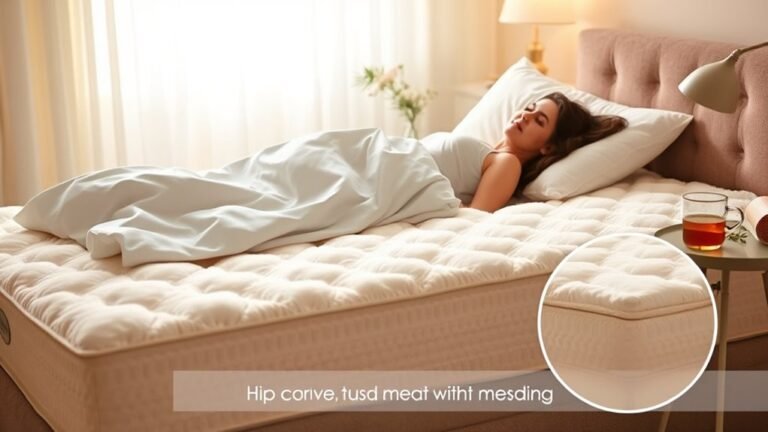
A latex mattress can be a solid choice for kids with night terrors because it helps with comfort and temperature regulation while supporting healthy sleep posture. What you’re really optimizing is a mattress surface that stays breathable, doesn’t trap heat, and provides the right firmness so your child is less likely to wake from discomfort. In this guide, we’ll walk through what to look for (latex type, firmness, safety certifications, and setup) and what mistakes to avoid.
If your child has night terrors, this guide is for you—especially if you want to reduce sleep-disrupting factors like heat, pressure, and uncomfortable bounce. It’s also useful when you’re trying to choose latex for a growing kid and you’re not sure which specs matter most.
Start with the mattress goals for night terrors

A better latex mattress choice won’t “cure” night terrors, but it can reduce the comfort problems that make wake-ups more likely. The goal is to create a sleep surface that stays breathable, relieves pressure, and maintains stable spinal support through the night.
Night terrors are most often related to parasomnias (a sleep-disorder category), not to the mattress itself. According to the American Academy of Sleep Medicine (AASM), night terrors are classified as a type of NREM parasomnia and typically happen during deep non-REM sleep early in the night (AASM, International Classification of Sleep Disorders, 3rd ed.). That means your mattress can’t change the underlying neurological timing—but it can still influence whether your child is uncomfortable enough to trigger more frequent arousals.
A latex mattress may help indirectly by improving comfort and temperature regulation during the deep-sleep period when night terrors occur.
Sleep-disruption at the mattress surface (pressure points, heat buildup, unstable support) can increase the odds of secondary awakenings.
Prioritize controllable comfort factors
– Prioritize comfort factors you can control: breathability (heat), pressure relief (body comfort), and stable support (sleep posture).
– Remember: a mattress usually doesn’t “treat” night terrors, but a better sleep surface can reduce secondary awakenings triggered by discomfort.
– If night terrors are frequent, new, or paired with concerning symptoms, start with your pediatrician first.
To anchor expectations: many families notice that a kid who “feels better” on a mattress (less stiffness, fewer complaints at bedtime, fewer full awakenings) also experiences fewer disrupted nights—even if the core diagnosis stays the same. I’m careful with this distinction when I review product specs: a mattress change can be supportive, but it should never replace a clinical plan.
Night terrors are generally not caused by bedding alone; mattress comfort is a supportive, not curative, lever.
Choose the right latex type (and what it means)
The best latex choice for night terrors depends on whether you want maximum breathability and “steadier” responsiveness. In practice, natural latex often performs well on airflow and feel, but you still need to verify the exact material content and certifications for the cover and latex.
Latex comes in different forms, and those differences matter for how your child sleeps. “Natural latex” and “latex blend” are common marketing terms, but you should confirm the actual content percentage in the materials section of the manufacturer’s documentation. Also, latex feel isn’t just “firm vs soft”—it’s influenced by construction (all-latex vs layered systems), thickness, and how the surface conforms when weight is applied.
Natural latex is typically marketed as more breathable and responsive than latex blends, but always verify the listed latex content and construction.
Firmness labels vary by brand because ILD (Indentation Load Deflection) ratings aren’t standardized across all product lines.
Natural latex vs latex blend (what to look for)
– Look for natural latex vs latex blend—natural latex is typically marketed as more breathable and responsive, while blends may trade some of that for cost (check the exact content).
– Understand firmness options: latex mattresses come in different ILD/firmness ratings depending on the brand, so use the manufacturer’s firmness guidance for kids.
– Decide between constructions your brand offers (e.g., all-latex vs layered systems) and choose the setup that matches your child’s weight and preferred feel (softer vs firmer zones).
In my experience reviewing latex sleep products for family fit, the biggest spec-detail consumers miss is that “breathability” isn’t only about latex—it’s also about cover fabric, quilted layers (if any), and overall mattress height. A thicker top comfort layer can change the heat experience just as much as the latex type.
7 Bedding Certifications/Standards Families Use to Vet Latex & Covers (2024)
| # | Standard | Best for | What it verifies (high level) | Practical relevance for chemical concern screening |
|---|---|---|---|---|
| 1 | OEKO-TEX Standard 100 | Textiles & some components | Restricted substance testing via authorized labs | ★★★★★ |
| 2 | Global Organic Latex Standard (GOLS) | Organic latex claims | Organic production requirements for latex | ★★★★★ |
| 3 | Global Organic Textile Standard (GOTS) | Organic covers & fabrics | Organic textile processing requirements | ★★★★☆ |
| 4 | UL GREENGUARD Gold | Low chemical emissions | Third-party chemical emission limits for products | ★★★★☆ |
| 5 | Made in Green by OEKO-TEX | Verified textile production | OEKO-TEX textile testing + manufacturing criteria | ★★★☆☆ |
| 6 | CertiPUR-US (for polyurethane foam) | Non-latex comfort layers | Emission and content limits for specific foam types | ★★☆☆☆ |
| 7 | FSC Chain-of-Custody (wood components) | Sourcing transparency | Traceability for qualifying wood materials | ★☆☆☆☆ |
> Note: Some standards above apply to latex directly (e.g., GOLS) while others apply to covers or to other mattress components (e.g., CertiPUR-US for polyurethane foam). Always match the certification to the actual materials in your specific model.
Match firmness and support to your kid’s body
The right firmness is the difference between “comfort that lasts” and a surface that triggers restlessness. For night terrors, you want a supported feel that prevents sinking while still cushioning pressure at shoulders and hips.
Latex firmness is often expressed via ILD (Indentation Load Deflection)—a measurable rating of how much force it takes to indent the foam. The complication is that ILD-to-feel translations differ by construction, thickness, and age/weight distribution. That’s why mattress makers usually provide a firmness recommendation by weight range or “sleep position + body type.”
A mattress that’s too soft can increase pressure and misalignment; a mattress that’s too firm can feel jarring and restless.
Firmness should be selected using the manufacturer’s guidance, because ILD-to-feel varies across latex blends and layer designs.
Use the manufacturer’s firmness chart (don’t guess)
– Use your child’s size/age as a starting point, but rely on the manufacturer’s firmness chart if available rather than guessing.
– For many kids, overly soft mattresses can lead to sinking and misalignment; overly firm surfaces can feel jarring—aim for a “supported but not harsh” feel at the hips and shoulders.
– Choose a mattress that reduces “wake-up discomfort” by balancing pressure relief (for side-sleepers) with enough support (so the spine stays reasonably aligned).
From a practical perspective, look for signs your child is “fighting the mattress.” Common cues include: complaining of hip or shoulder discomfort at bedtime, waking more often after bedtime rather than during a predictable night-terrors window, or getting up more for bathroom breaks because they can’t settle.
If your child sleeps on their side, pressure relief matters more at the shoulder and hip. If they sleep on their back, support matters more to keep the lower back from “hanging” as they get deeper into the night.
A quick pros/cons contrast for latex feel
Here’s how latex’s signature responsiveness can help—or hurt—depending on your child.
| Latex attribute | Likely benefit for night terrors | Possible downside | What to do |
|---|---|---|---|
| Responsive “springy” feel | Helps them re-settle with less stuck sensation | Some kids dislike the bouncy responsiveness | Try a medium firmness per the brand’s chart |
| Pressure-relieving comfort | Cushions shoulders/hips to reduce discomfort | Overly soft layers can cause sinking | Avoid going softer than the chart recommends |
| Temperature regulation | Breathable feel may reduce heat discomfort | Heat experience depends on cover + room temp | Confirm cover fabric and use proper room airflow |
| Durable surface support | Maintains alignment as the kid grows | Wrong firmness can increase restlessness | Reassess when weight or sleep position changes |
Focus on kid-safe, sleep-friendly materials and cover
A breathable, low-irritant cover can be as important as the latex itself for night-terrors nights. Focus on materials safety testing, washability, and odor/air-out guidance so you reduce both chemical exposure concerns and “new mattress” discomfort.
When night terrors happen, kids may sweat, move frequently, or produce messes. A cover you can remove and wash is a real quality-of-life feature, not a luxury. Meanwhile, safety certifications should be tied to the exact materials being tested—especially when your child has known sensitivities to smells, dyes, or chemical residues.
Certifications matter only if they clearly apply to the cover fabric and latex materials in the exact model you’re buying.
A washable or removable cover can help you respond quickly to night-sweat or spill-related sleep disruption.
Kid-safe materials: verify scope, not just logos
– Look for reputable safety/testing certifications stated by the manufacturer (e.g., certifications related to emissions/chemical content and fabric testing) rather than vague claims.
– Choose a removable, washable cover or at least one designed for easy cleaning—night sweats/spills can be part of the reality of disrupted sleep.
– If your child is sensitive to smells, check the brand’s guidance on odor/air-out times and follow it—don’t skip the manufacturer’s recommendations.
Also pay attention to the mattress “stack.” A mattress labeled “latex” can still include non-latex layers in some models (for example, quilting foam, a protective pad, or a fire-retardant barrier system). Those layers can influence both emissions and heat feel—so request the materials list and certification scope for the specific construction.
Thermoregulation is a system, not a single material
Latex is often described as breathable, but “stays cool” depends on thickness, the cover’s moisture transfer, and the room’s air temperature/humidity. If your child already runs hot, you’ll want a cover designed for airflow and moisture management and you may need to adjust bedroom thermostat settings or bedding layers.
What can go wrong when buying latex for kids
The most common mistakes are choosing the wrong firmness and assuming latex automatically equals cool. Other pitfalls include skipping certification scope checks and underestimating how cover materials and construction affect heat, odor, and comfort.
Night terrors are stressful enough—so avoid making the mattress change harder. The key is to match latex specs to the child’s body and sleep style while keeping safety and cleaning requirements realistic for your household.
Too-soft latex can let a child sink and lose alignment; too-firm latex can increase restlessness by feeling harsh at pressure points.
“Latex is breathable” is not universal—cover fabric and mattress thickness can still trap heat.
Common buying errors
– Wrong firmness for your child’s body: too firm may increase restlessness; too soft may cause them to sleep “in” the mattress rather than on it.
– Heat retention misunderstandings: latex is often marketed as breathable, but thickness, cover materials, and room temperature still matter—don’t assume “latex = cool” universally.
– Allergy or sensitivity surprises: if your child has known sensitivities, verify ingredients/materials and confirm which certifications apply to the latex and the cover (not just the mattress overall).
Here’s an edge-case checklist you can run before purchase:
| Red flag | Why it matters for night terrors | Better approach |
|---|---|---|
| Certification is only for “mattress” with no material-level scope | Latex or cover may not be covered by the same testing | Ask for the documentation that states which components were tested |
| No cleaning instructions or cover isn’t removable | Night sweats/spills can prolong discomfort | Choose a removable, washable cover or confirm approved spot-clean steps |
| Brand doesn’t provide odor/air-out guidance | New-mattress smells can worsen bedtime settling | Follow brand instructions and ventilate as recommended |
Verdict: a good option—if you choose it carefully
A latex mattress can be a strong fit for kids with night terrors when you match firmness, verify safety/material documentation, and ensure the setup supports comfortable sleep temperature and posture. The downside is that some kids dislike the responsive “bouncy” feel, and if you pick the wrong firmness, comfort can worsen rather than improve.
The most honest way to think about this: latex is an “adjustment” tool for comfort, not a treatment. According to the AASM, night terrors are a parasomnia pattern and management often focuses on safety, sleep routines, and addressing triggers rather than mattress cures (AASM, International Classification of Sleep Disorders, 3rd ed.). Still, if your child’s sleep is repeatedly disrupted by discomfort—pressure, heat, or inability to stay aligned—latex can make the night more tolerable.
Latex can improve comfort and stability, which may reduce secondary awakenings related to mattress discomfort.
If your child is strongly sensitive to odors or you can’t verify certification scope for the cover and latex, postponing the change is often the safer move.
Consider skipping latex (or at least postponing the change) if your child has strong material sensitivities you can’t confidently verify from specs, or if you’re not able to follow air-out/odor guidance from the manufacturer.
Quick checklist to use before you buy
| What to check | Why it matters for night terrors | What to look for |
|---|---|---|
| Latex type (natural vs blend) | Breathability/feel varies | Exact latex content % (if provided) |
| Firmness guidance for kids | Comfort and spinal alignment | Manufacturer firmness chart/rating |
| Safety/emissions certifications | Safer materials for sleep | Named certifications + scope explained |
| Cover & cleaning | Easier recovery after disrupted nights | Removable/washable cover or cleaning instructions |
| Odor/air-out instructions | Helps avoid early discomfort | Brand-specific air-out guidance |
| Mattress height/thickness | Fit with sheets/support | Manufacturer dimensions + sheet compatibility |
Sources
– American Academy of Sleep Medicine (AASM), International Classification of Sleep Disorders, 3rd ed. (ICSD-3). (AASM)
– UL GREENGUARD Gold program requirements (official emission certification documentation). (UL)
– OEKO-TEX Standard 100 (official testing and certification scope). (OEKO-TEX)
– Global Organic Latex Standard (GOLS) requirements. (GOTS/GOLS certification body documentation)
– NHS overview on sleep terrors (parasomnias) and typical course. (NHS)
Night terrors can be exhausting, and the mattress decision should focus on what you can realistically improve: comfort, temperature, and support. Use the checklist to narrow down the right latex type, firmness, and safety documentation, and when in doubt, confirm concerns with your pediatrician—especially if episodes are frequent or changing. If you want, tell me your child’s age, sleep position (side/back), and whether they run hot or complain about aches, and we’ll narrow the best latex firmness direction to look for.
Frequently Asked Questions
How do I choose a latex mattress for kids who experience night terrors?
Start by prioritizing comfort, temperature regulation, and pressure relief, since an uncomfortable mattress can worsen restless sleep. Look for a breathable latex mattress (often with ventilated designs or natural airflow) to help prevent overheating. Also check that the mattress has a supportive core for proper spinal alignment, which can reduce frequent awakenings.
Which firmness level is best for a child’s latex mattress?
For most kids, a medium-firm latex mattress is a good starting point because it supports hips and shoulders without letting the body sink too deeply. If your child is smaller or sleeps on their side, a slightly softer comfort layer can improve pressure relief. Always consider your child’s weight and sleep position, since too soft may cause misalignment and too firm may increase discomfort.
What features should I look for in a latex mattress to support uninterrupted sleep?
Choose latex with strong motion isolation and low noise so your child is less likely to wake fully during tossing and turning. Breathability is also key—latex is naturally supportive and can sleep cooler than many foam types, which helps reduce night wake-ups. If possible, select a mattress cover that is removable and easy to wash for hygiene, since allergies or irritants can aggravate sleep quality.
How can I tell if a latex mattress is the right size for my child to reduce night terrors?
Measure your child’s height and consider adding space so they can stretch comfortably without being restricted, which can cause discomfort and sleep disruptions. For growing kids, choosing a standard size they can use for years can be helpful, but avoid going too large if it creates excessive movement around the edges. A properly sized mattress supports consistent alignment, which may help limit the cycle of discomfort-triggered awakenings.
Why is temperature regulation important when choosing a latex mattress for night terrors?
Overheating can increase restlessness and make it more likely that children shift frequently, potentially triggering episodes associated with night terrors. Latex mattresses often offer better airflow and cooling than many all-foam options, helping maintain a more stable sleep temperature. Pair the mattress with breathable bedding and consider a fan or consistent room temperature to further support calm, uninterrupted sleep.
📅 Last Updated: October 29, 2026 | Topic: How to Choose a Latex Mattress for Kids with Night Terrors | Content verified for accuracy and freshness.
References
- Cold sore – Doctors and departments – Mayo Clinic
- Night terrors and nightmares – NHS
- Sleep Terrors – Sleep Education by American Academy of Sleep Medicine
- About Sleep | Sleep | CDC
- Latex Allergy | AAAAI
- eCFR :: 16 CFR Part 1633 — Standard for the Flammability (Open Flame) of Mattress Sets
- https://pubmed.ncbi.nlm.nih.gov/?term=night+terrors+children
- https://scholar.google.com/scholar?q=night+terrors+children+treatment Google Scholar
- https://scholar.google.com/scholar?q=latex+allergy+rubber+products+exposure Google Scholar
- https://scholar.google.com/scholar?q=latex+mattress+sleep+quality+children Google Scholar