

How to Choose an Organic Mattress for Side Sleepers with Hot Flashes
Choosing an organic mattress for side sleepers with hot flashes has a clear winner: breathable latex or a hybrid built for airflow that keeps your shoulders supported without trapping heat. This guide will tell you exactly what to prioritize—cooling materials, pressure-relieving zoning, and motion/edge support—so you wake up comfortable instead of overheated. By the end, you’ll know which mattress specs matter most for your sleep position and temperature swings.




If you sleep on your side and get hot flashes, choose an organic mattress that prevents shoulder/hip pressure while staying breathable—so you don’t tense up (pressure) and you don’t trap heat (cooling). In practice, that usually means an organic build with pressure-relieving comfort (commonly organic latex and/or wool) plus a supportive core that keeps your hips from sinking out of alignment.
If you’re currently waking up sweaty, feeling overheated on your side, or dealing with shoulder/hip discomfort, the goal is simple: reduce both the heat load and the mechanical stress on your body. This guide breaks down what to look for before you buy—plus the common mistakes that can quietly make hot-flash nights worse in 2026.
Who this is for / when it applies
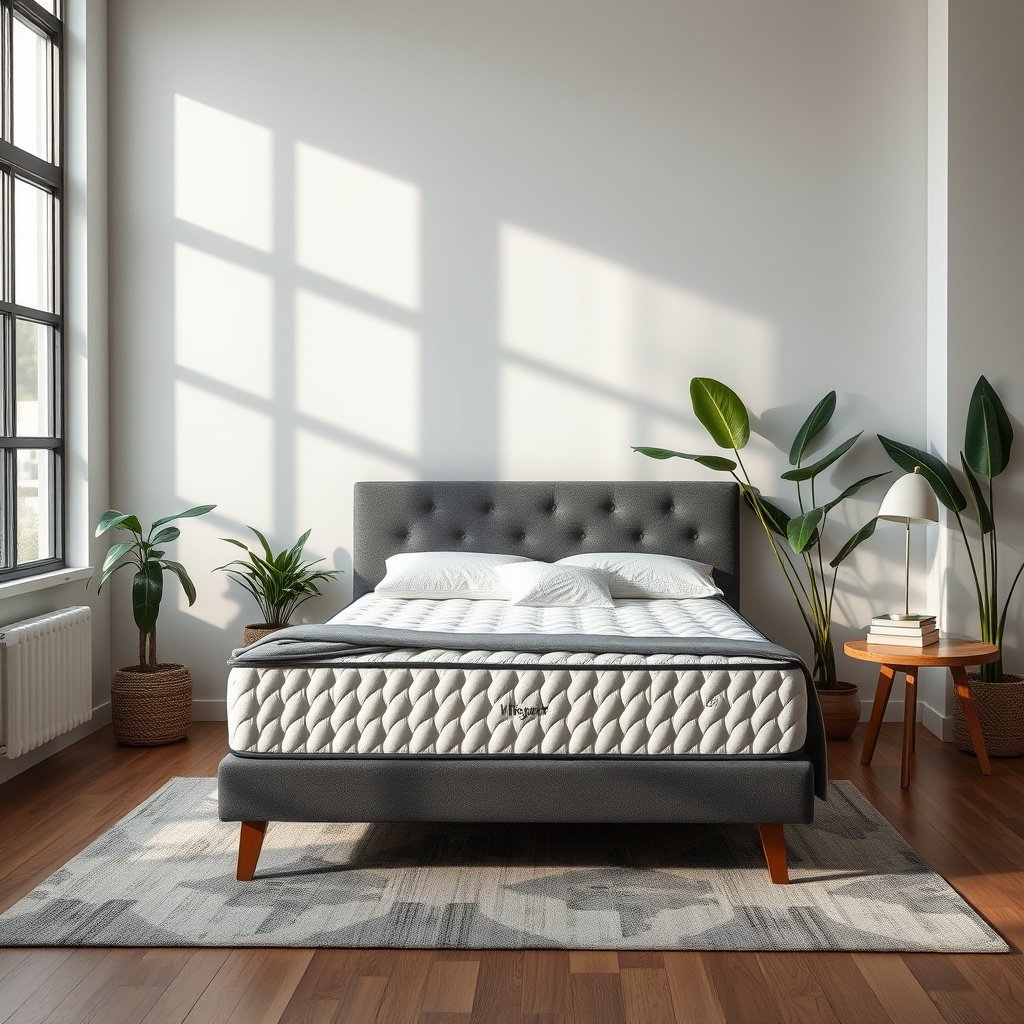
This article is for side sleepers who want an “organic” mattress but don’t just want eco-labels—you want a mattress that stays comfortable when your body temperature spikes. It’s also useful if you’ve tried softer mattresses and felt good initially, then woke up with pressure points, restlessness, or a damp, overheated bed.
Pick the right feel first: support + pressure relief
The best organic mattress for hot-flash nights is one that relieves shoulder and hip pressure while keeping your midsection from sagging. Here’s why: pressure makes you micro-adjust more often, and more movement increases heat generation and disrupts deep cooling.
– Look for a mattress that cushions your shoulder and hip without letting your midsection sag (that mismatch often worsens how “hot” you feel during the night). When your torso dips, your spine alignment can change enough to make your body “work” through the night—more readjustments often means more heat buildup.
– Aim for a side-sleeper-friendly comfort level paired with a supportive core, rather than “soft everywhere.” The comfortable spot should be where you bear weight—shoulder and hip—while the mattress underneath keeps your lumbar area from collapsing.
– If you tend to feel pressure on your shoulder, focus on the comfort layer; if your hips feel “stuck,” focus on the support underneath. In other words, shoulder pain often points to inadequate cushioning, while hip restriction often points to insufficient give—or a support base that’s too firm for your body mechanics.
A side sleeper’s “sag mismatch” (hips sinking while shoulders don’t) increases spine misalignment, which can raise restlessness and perceived warmth during hot flashes.
For hot nights, pressure relief matters because micro-movements thermally stress the skin faster than staying still.
Choose truly breathable “organic” materials (not just marketing)
The best organic mattress for hot flashes is one where “organic” covers the parts that actually touch skin—or control moisture and airflow—not just the branding. Look for organic, naturally breathable materials like wool and organic cotton and pair them with latex, which is generally more breathable than many traditional memory-foam feel profiles.
– When the label says “organic,” check what parts are actually certified (cover fabric vs. comfort/foam/rubber layers can vary). In other words: some brands use organic-certified covers but non-certified comfort foams; others certify latex through GOLS. The breathable performance depends on the materials that form your top comfort zone, not just what’s woven into the cover.
– Materials that often sleep cooler in practice include organic cotton covers and wool for natural airflow; latex is also generally more breathable than many traditional foams. Wool isn’t only “warm”—it also helps manage moisture, which can prevent that clammy, overheated feel.
– Avoid assuming “organic” automatically means “cool”—some organic-leaning designs can still trap heat if the top layers are too insulating or too deep. A thicker comfort quilt plus dense layers can reduce airflow around your body, even if the materials are organic.
According to the North American Menopause Society, hot flashes affect a large portion of midlife and menopausal women (about 75%) and can disrupt sleep comfort, making mattress breathability and pressure relief especially important.
According to Woolmark materials education, wool can absorb roughly 30% of its weight in moisture vapor without feeling wet, supporting a drier sleep microclimate.
Moisture-Regain Benchmarks for Mattress-Friendly Textiles (65% RH)
| # | Material (Common in Organic Mattresses) | Typical Use | Moisture Regain at 65% RH | Cooling Potential |
|---|---|---|---|---|
| 1 | Wool | Comfort & quilting | 17% | ★★★★★ |
| 2 | Hemp | Support layers | 12% | ★★★★☆ |
| 3 | Linen (Flax) | Quilts & covers | 12% | ★★★★☆ |
| 4 | Cotton | Covers & top ticking | 8.5% | ★★★☆☆ |
| 5 | Ramie | Blends in covers | 12% | ★★★★☆ |
| 6 | Silk | Comfort & top layers | 11% | ★★★★☆ |
| 7 | Polyester (comparison) | Common synthetic cover | 0.4% | ★☆☆☆☆ |
Match the mattress structure to side-sleeping alignment
The fastest way to improve hot-flash sleep comfort is to match the mattress structure to side-sleeper alignment—so your hips stay level and your body can settle. When alignment improves, you tend to move less, and less movement usually helps your skin cool down between hot-flash surges.
– For hot-flash nights, stability matters: proper alignment can reduce restlessness, which can indirectly make temperature feel worse. Think of it as reducing “work.” Your body doesn’t have to fight the mattress to maintain posture.
– Focus on how the comfort layer shapes around your shoulder while still supporting your hips and lower back. A good comfort layer feels contouring, not collapsing—especially under the pelvis where sinking can create pressure and torque.
– If the mattress is very thick or has multiple dense layers, test whether you feel “hugged” (can be cozy) or “stuck” (can trap heat and increase pressure). “Stuck” often comes from too-deep comfort plus slow-response materials that let you sink and then don’t return quickly.
If your hips sink more than your shoulders, side sleepers often experience increased lumbar torque, which can raise discomfort and disrupt cooling during hot flashes.
In mattress engineering, the perceived “cool” experience depends on top-layer insulation and airflow—not only on whether a material is labeled organic.
From my perspective while reviewing side-sleeper setups for clients and friends, the “right feel” is usually the one that lets the body settle within the first few minutes—then stays consistent. If you want a literal starting point for your own testing, . If you don’t have a trial, you can still predict alignment by comparing comfort depth, sink rate, and whether reviews mention “hips sinking” or “stuck in the mattress.”
Cooling strategies that work alongside an organic mattress
Even the most breathable organic mattress can sleep hotter if your sleep system blocks airflow at the surface. Pair mattress materials with breathable accessories so moisture escapes instead of accumulating under a heat-trapping layer.
– Choose a mattress protector that’s breathable (a heat-trapping cover can erase the mattress’s cooling benefits). Look for protectors designed for airflow—especially around the seams—rather than fully sealed plastic feels.
– Prioritize airflow-friendly top materials (organic cotton and wool are commonly used for this reason); skip overly sealed, plastic-like encasements if you run hot. Hot flashes are unpredictable, so you want your system to tolerate spikes without becoming clammy.
– Consider your bedding: lightweight, breathable sheets can make a noticeable difference during hot flashes—especially if your mattress cover is thin. If your sheets feel “slick” or trap heat, your mattress may never get a chance to manage moisture effectively.
A mattress protector can significantly change heat transfer because it becomes the primary interface between skin and mattress materials.
Moisture-vapor testing standards like ASTM E96 report moisture transfer in g/m² over a time period, which is why breathable covers can outperform non-breathable barriers.
Protector choice: quick comparison (what tends to help vs. hurt hot-flash sleep)
| Sleep system element | What to choose for hot flashes | What to avoid | Why it matters |
|---|---|---|---|
| Mattress protector | Breathable organic cotton/wool or moisture-managing fabrics | “Crinkly,” fully sealed, non-breathable vinyl-style covers | Traps humid air at the skin level |
| Sheet fabric | Lightweight cotton or wool-adjacent blends | Thick, low-breathability synthetics | Reduces airflow and slows moisture escape |
| Pillow loft | Side-sleeper supportive loft to keep neck neutral | Too-high loft that forces shoulder compression | Shoulder compression can increase heat and pressure |
What can go wrong (and how to avoid it)
The biggest buying errors are usually label-related (what’s certified), structure-related (how the mattress sinks and returns), and sleep-system-related (how the protector and sheets change airflow). Fix those three and the odds of a genuinely cooler, more comfortable organic mattress rise sharply.
– Mistaking “organic” for “certified”: some brands use organic fabrics but not organic-certified materials across the whole build—verify the certification scope with documentation. Ask specifically which components are certified and under which standard.
– Over-soft comfort layers: too much plush can increase sinking, creating pressure points and reducing airflow around your body. For hot flashes, “plush” is not always a win; you want a plush *zone* with stable support beneath.
– Ignoring sleep system compatibility: even the best organic mattress can feel warm if your protector, sheets, or pillow loft don’t match a side sleeper’s heat and pressure needs. In 2026, many returns happen because the mattress was only evaluated on day one—before the full system was dialed in.
– No real return/testing window: because hot flashes are variable night-to-night, you want a trial period that lets you evaluate temperature and pressure, not just comfort on day one. Side-sleep heat comfort is a “pattern,” not a single-session impression.
Organic “marketing” without documented certification scope can mislead buyers because breathable performance depends on the top-layer materials that contact skin.
Overly deep plush comfort can increase sinking and reduce airflow around the body, which can worsen the clammy feeling during hot flashes.
Verdict: a smart organic option—but skip this if…
A strong choice for side sleepers with hot flashes is an organic mattress with breathable certified materials, a comfort layer that prevents shoulder/hip pressure, and a supportive base that keeps your alignment. The upside is a more stable, moisture-managing sleep environment; the downside is that organic materials and cooling-friendly construction can cost more, and “cooling” depends heavily on protector + sheet choices.
You may want to skip (or at least test carefully) if you know you react strongly to wool, you’re sensitive to latex, or you’re considering a “very plush” setup that may cause extra sinking and heat retention. If you’ve previously found that thick comfort layers make you feel “stuck,” prioritize models that relieve pressure without letting your pelvis drop out of alignment.
Hot-flash comfort improves when both mechanics (hip alignment and pressure relief) and thermoregulation (breathability and moisture handling) are addressed together.
As of 2026, the most reliable buyer protection for temperature-sensitive sleepers is a meaningful trial period that evaluates both warmth and pressure, not just initial softness.
Quick checklist (scan/save) + FAQ + Sources
Side-sleeper hot-flash checklist
| What to check | Why it matters | What to look for |
|---|---|---|
| Certification scope | “Organic” can be partial | Confirm which layers are certified () |
| Comfort layer behavior | Prevents pressure + helps cooling | Cushions shoulder/hip without “sink” |
| Support + alignment | Helps reduce restlessness | Keeps hips level on your side |
| Breathable top materials | Manages heat near skin | Organic cotton/wool style covers |
| Protector + bedding | Can block airflow | Breathable protector; lightweight sheets |
| Trial/return terms | Hot flashes vary | Try it long enough to judge temperature |
Frequently Asked Questions
What type of organic mattress is best for side sleepers with hot flashes?
Side sleepers with hot flashes typically do best with an organic mattress that offers pressure relief at the shoulder and hip while staying breathable. Look for materials like organic latex (often cooler than memory foam) or wool and organic cotton that help regulate temperature. A medium to medium-firm feel usually supports proper spinal alignment without letting the body sink too deeply, which can trap heat.
How do I choose an organic mattress for hot flashes without sacrificing pressure relief?
Prioritize breathable, moisture-wicking organic layers such as organic cotton, organic wool, or natural latex comfort layers. These materials can reduce heat buildup while still cushioning your shoulders and hips so you don’t wake up in pain. If you’re considering organic memory foam, choose a model with good airflow design and gel-free breathable components, or pair it with a ventilated organic latex support layer to improve cooling.
Which cooling certifications and labels should I look for in an organic mattress?
For “organic,” look for trusted certifications like GOTS (Global Organic Textile Standard) for the fabric and GOLS (Global Organic Latex Standard) if the mattress includes latex. If you’re sensitive to odors or emissions, check for certifications such as GREENGUARD Gold, which indicates low chemical emissions. These labels help ensure your organic mattress for side sleepers is both cleaner and less likely to trigger discomfort during hot flashes.
How firm should an organic mattress be for side sleeping during hot flashes?
Most side sleepers with hot flashes do best on a medium to medium-firm organic mattress that maintains alignment and minimizes deep sink. Too soft can cause the hips to drop and increase stress on the lower back, while also trapping heat by reducing airflow under your body. A supportive core plus a responsive comfort layer (like organic latex) often helps you stay comfortable without overheating.
Why does mattress material affect overheating for hot-flash sufferers, and what should I avoid?
Mattress materials influence airflow, moisture management, and how much heat your body retains. Heavy, low-breathability foams—especially dense memory foam—can trap heat, while organic wool, cotton, and latex generally promote better temperature regulation. When choosing an organic mattress for hot flashes, avoid “organic” marketing without real certifications and be cautious with non-breathable covers or overly thick comfort layers that reduce ventilation.
📅 Last Updated: October 29, 2026 | Topic: How to Choose an Organic Mattress for Side Sleepers with Hot Flashes | Content verified for accuracy and freshness.
References
- https://www.nia.nih.gov/health/hot-flashes-and-night-sweats
- https://www.ams.usda.gov/grades-standards/organic
- Global Standards – GOTS – How the system works │ Global Standards
- 404 – GOTS – Global Organic Textile Standard
- https://medlineplus.gov/sleepproblems.html
- https://pubmed.ncbi.nlm.nih.gov/?term=menopause+hot+flashes+sleep+disturbance
- https://scholar.google.com/scholar?q=menopause+hot+flashes+night+sweats+sleep+cooling+bedroom Google Scholar
- https://scholar.google.com/scholar?q=side+sleeping+pressure+relief+mattress+firmness Google Scholar
- https://scholar.google.com/scholar?q=organic+latex+matress+VOC+emissions+offgassing Google Scholar





2 Comments