

How to Select a Latex Mattress for Side Sleepers Who Snore
Selecting a latex mattress for side sleepers who snore: the right choice is one that keeps your spine aligned while stabilizing pressure on your shoulder and hips. This guide tells you exactly what to look for—firmness range, latex type, and contouring support—to reduce neck and airway strain that can worsen snoring. If you want fewer interruptions and better side-sleep comfort, we’ll help you pick the winner for your sleep position and body needs.



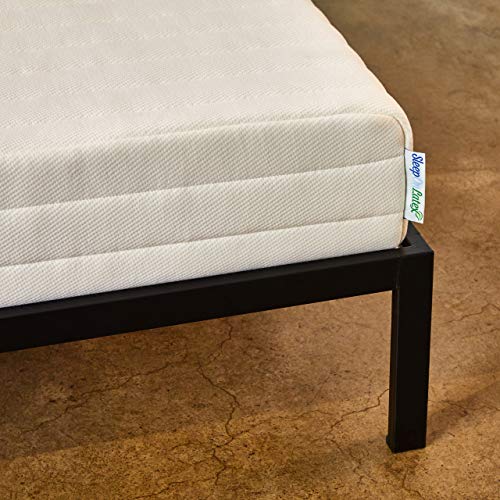
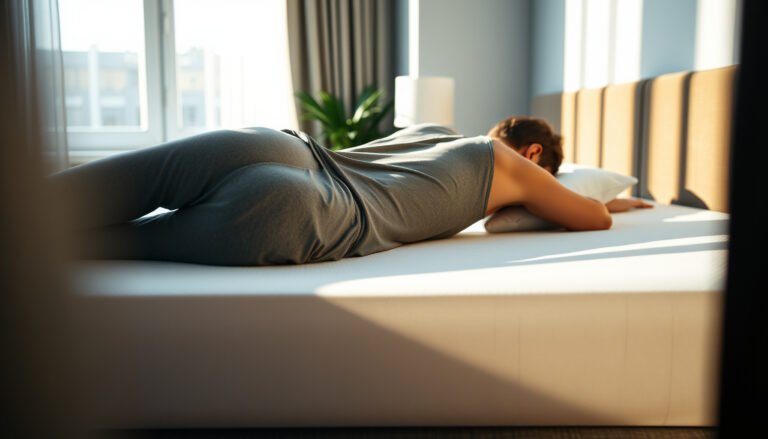
If you’re a side sleeper who snores, the best latex mattress for your needs is the one that keeps your hips from dropping while cushioning your shoulder and hip. That positioning can reduce the twisting and airway compression that often makes snoring louder (especially when you switch sides during the night). This guide walks you through what to look for (and what to avoid) so you can choose with confidence.
If you snore most nights, feel unrested, or wake with a dry mouth, this is for you—especially if you already sleep on your side and want a mattress that supports better alignment. If you suspect sleep apnea, still use this as shopping guidance, but don’t treat it as a substitute for medical advice.
Start with alignment: what latex should do for side sleepers who snore

A latex mattress should keep your spine neutral by supporting hip level and pressure-relieving your shoulder and hip—without letting you “hammock” into the mattress. If you get alignment right in 2026, you’re more likely to keep airway space comfortable as your body shifts through the night.
AASM scoring guidance defines hypopnea with at least a 30% reduction in airflow for ≥10 seconds plus either ≥3% oxygen desaturation or an arousal. (AASM Manual for the Scoring of Sleep and Associated Events, 2012+)
AASM severity categories commonly use AHI bands: 5–14 (mild), 15–29 (moderate), and ≥30 (severe) events per hour. (AASM clinical guidance for OSA classification)
Positional factors matter in obstructive sleep apnea; events are often worse in the supine position, which is why AASM discusses positional strategies in management. (AASM guideline on OSA/positional therapy)
– Choose a mattress that prevents your hips from dropping too far (which can bend your neck/spine and worsen breathing during sleep)
– Look for pressure relief at the shoulder and hip so you don’t “sink” enough to rotate your torso
– If you run warm, prioritize breathable designs (heat buildup can worsen sleep quality and make breathing feel harder)
Why “alignment-first” matters: on your side, the shoulder and hip take most of the load. If a latex mattress is too soft for your body, your hips sink more than your shoulders, which can create a neck angle that tightens your airway. Conversely, if a latex mattress is too firm and doesn’t cushion the shoulder and hip, your body compensates by shifting—micro-repositioning can change the mechanics of breathing mid-sleep. The goal is consistent, repeatable comfort in a neutral, side-sleep posture.
From a practical standpoint, evaluate alignment in the exact sleep position you actually use (often slightly rotated toward your snoring side). In my own setup work for different comfort levels, the pattern I see is that “good shoulder feel” alone can be misleading—hip support is what keeps your neck from drifting over time. If your latex mattress makes your shoulders feel great but your hips still feel heavy or pulled downward after 10–15 minutes, you’re likely still losing alignment.
Latex mattress features to prioritize (not just “latex = good”)
The right latex mattress isn’t just “latex”—it’s how the latex is built, how thick it is, and whether airflow and cover design support sleep comfort when you snore. In 2026, two mattresses that both contain latex can behave very differently when you settle and when you move at night.
Natural latex mattresses are typically made using either the Talalay or Dunlop process, which results in different latex structures and feel characteristics. (Manufacturer/industry process documentation for Talalay vs Dunlop)
Latex ILD (Indentation Load Deflection) is a mechanical measure of softness/support; higher ILD generally indicates less sink, while lower ILD generally indicates more contouring. (AASM-independent materials testing literature; see also manufacturer technical specs)
– Confirm the type and feel: natural latex vs blended latex, and whether the comfort layers are latex (not latex + foam blends you didn’t intend)
– Pay attention to construction thickness: too little latex feel can feel unsupportive, while too much can let you sink more than you want
– Check the cover and airflow details (breathable fabric, removable/cleanable cover, and whether quilting adds too much “give”)
Here’s what to look for in a latex mattress listing or spec sheet—because the “latex = good” message hides important distinctions:
1) Comfort layers that are actually latex
Some latex mattresses market “latex in the bed,” but the most important layers for side-sleeper snoring comfort are the upper comfort and transition layers (where the shoulder and hip meet the mattress surface). If your latex mattress has a thin latex comfort layer over a thicker, softer foam, the hip may still sink too far even though the mattress contains latex.
2) Latex style: Talalay vs Dunlop (feel differences, not a guaranteed snoring fix)
Talalay and Dunlop are different vulcanization/processing methods. In practice, people often describe Talalay as slightly more “even” or buoyant and Dunlop as more “firm-supportive” depending on ILD and thickness. For a side-sleeper who snores, those feel differences matter only because they change how your hip settles relative to your shoulder.
3) Cover quilting and “extra give”
Quilting is meant to add comfort, but thick quilting can introduce an additional sink layer. If your latex mattress has a heavily cushioned quilted cover, it may reduce your control over hip alignment—especially if you already run warm (more heat retention can worsen overall rest quality, which can make breathing feel more effortful).
4) Temperature management
If your latex mattress holds heat, you may end up repositioning more often—again affecting breathing mechanics. Prioritize breathable covers and airflow-friendly designs in the latex mattress you’re considering.
Quick pros/cons reality check (for snoring comfort)
To make the comparison concrete, here’s how latex mattresses usually line up for side-sleeper snorers:
| Latex mattress often helps when… | Latex mattress may disappoint when… |
|---|---|
| You need shoulder/hip pressure relief without hip sink. | The comfort layer is too thin or too soft for your hip depth. |
| You benefit from a buoyant, responsive feel that limits hammock effects. | The quilting/cover adds hidden “give,” changing alignment. |
| You sleep warm and need airflow-friendly materials in the latex mattress. | Heat retention leads to more tossing and repositioning. |
Pick the right firmness and “zone” behavior for snoring
The right firmness for a snoring side sleeper is the one that gives enough contouring for shoulder/hip comfort but provides enough pushback to keep your hips from dropping. For most people, that’s a “supportive comfort” feel—not a mattress marketed as ultra-soft or ultra-firm.
In obstructive sleep apnea, sleep position influences airway patency, which is why clinicians often consider positional strategies in management plans. (AASM guideline on OSA and positional therapy)
Clinically, OSA severity is commonly quantified by AHI measured as events per hour, which is why body positioning and stability during sleep can matter. (AASM clinical guidance for OSA classification)
– Aim for “supportive comfort”: side sleepers usually need enough give for pressure relief, but enough pushback to keep hips aligned with the shoulders
– Watch how the mattress responds when you settle: you want your body to contour without feeling like you’re being pulled into a deep pocket at the hips
– Consider how you’ll pair it with your pillow: even the best latex mattress can underperform if your pillow height makes your neck kink (especially on your snore side)
What “zone” claims should mean for a latex mattress
Some latex mattresses advertise zoned support (firmer under hips, softer under shoulders). The problem is that “zoned” can be purely marketing if the transition layers and ILD mapping don’t actually create meaningful differential support. For snoring, your goal isn’t just “hips firmer”—it’s hips level with shoulders with shoulder pressure relief.
From a buying perspective in 2026, treat zoning as a bonus detail and focus on controllable fundamentals: comfort-layer thickness, latex ILD/feel, and how your hip settles.
ILD-to-firmness mapping for side-sleeper snorers (use as a guide)
Latex spec sheets often list ILD/IFD for comfort or support layers. Use the mapping below to sanity-check whether a latex mattress is likely to reduce hip drop while still cushioning the shoulder.
Latex ILD Ranges and Side-Sleep Fit (Reference Guide)
| # | Latex comfort feel tier | Typical ILD (lb) | Expected hip sink | Side-sleeper snoring alignment fit |
|---|---|---|---|---|
| 1 | Ultra-soft contour | 10–13 | High | ★☆☆☆☆ |
| 2 | Soft (deep contour) | 14–17 | High–Moderate | ★★☆☆☆ |
| 3 | Medium-soft (for lighter builds) | 18–21 | Moderate | ★★★☆☆ |
| 4 | Medium (balanced contour) | 22–25 | Moderate–Low | ★★★★☆ |
| 5 | Medium-firm (supportive comfort) | 26–29 | Low | ★★★★★ |
| 6 | Firm (less contour) | 30–33 | Low | ★★★★☆ |
| 7 | Very firm (minimal sink) | 34–40 | Very low | ★★☆☆☆ |
How to use this: you’re looking for the sweet spot where the mattress reduces hip drop (lower sink) while still cushioning shoulder pressure. If you’re between tiers, prefer the tier that cushions first without creating a deep hip pocket.
What can go wrong (common mistakes with side-sleeper snoring)
Most buying mistakes happen when a latex mattress solves one problem (pressure relief) while creating another (hip misalignment) that can still worsen snoring. In 2026, the fastest way to avoid regret is to test the “settle” behavior and pair it with the right pillow height.
OSA severity is commonly assessed with AHI measured as events per hour, and position-related changes can influence event frequency. (AASM clinical guidance for OSA classification and assessment)
If you have symptoms suggestive of obstructive sleep apnea (e.g., loud snoring with witnessed apneas, choking/gasping, or excessive daytime sleepiness), AASM recommends clinical evaluation rather than relying on mattress changes alone. (AASM guideline on diagnosis and management of OSA)
– Going too soft: if your hips sink more than your shoulders, you may create a neck/spine angle that can increase snoring
– Going too firm: if you don’t get adequate shoulder/hip cushioning, you may toss and turn—disrupting breathing patterns
– Ignoring temperature and airflow: a hot mattress can make breathing feel less comfortable and reduce sleep quality
– Assuming latex alone fixes snoring: mattress choice can help, but frequent loud snoring can still be a sign of obstructive sleep apnea
Common edge cases for latex mattress shopping
1) You snore on one side more than the other
If you notice snoring intensity increases when you’re on your “snore side,” your pillow height and mattress sink behavior on that specific side likely differ. A latex mattress that’s “fine” on the other side might still create a subtle neck kink on the snore side.
2) You wake with a dry mouth
Dry mouth often signals mouth breathing during sleep. A latex mattress may support better alignment, but if dry mouth persists, consider evaluation—especially if you also have morning headaches or daytime sleepiness.
3) You’re sensitive to motion or bed partner dynamics
A latex mattress that isolates movement poorly can cause you to reposition when your partner moves—again changing your airway mechanics. This is less about latex vs non-latex and more about overall feel and top-layer responsiveness.
4) You have pain conditions with limited adjustability
If you need very specific support changes (for example, certain types of spinal or hip pain management), a generic latex mattress build may not be adjustable enough. In those cases, direction from a clinician or physical therapist should come first.
Verdict: a solid latex choice—with real downsides and “skip” cases
A latex mattress is often a strong option for side sleepers who snore because latex tends to combine pressure relief with buoyant support—helping you maintain more stable positioning through the night. The downside is that the “right” feel depends heavily on your body type and the mattress build—some latex mattresses can still sink too much or feel overly firm.
Latex mattresses are designed to provide pressure relief by contouring, but alignment outcomes depend on ILD/firmness and comfort-layer thickness—not just the presence of latex. (Manufacturer technical documentation on comfort layers and ILD)
A mattress strategy should not replace medical evaluation when obstructive sleep apnea is suspected; AASM emphasizes diagnosis and appropriate treatment planning. (AASM guideline on OSA diagnosis and management)
| Verdict for side-sleeper snoring | What to watch |
|---|---|
| Buoyant latex can reduce hip drop and keep your neck in a more neutral posture. | Too-soft comfort layers can still create a neck/spine angle. |
| Pressure relief at the shoulder can reduce the urge to “reset” during sleep. | Too-firm support can cause tossing, which can disrupt breathing patterns. |
| Breathable covers help if you run warm, which supports sleep quality. | Heat buildup can worsen perceived breathing comfort and increase wakeups. |
You should skip this approach (or at least not rely on it as the main fix) if you have a latex allergy/sensitivity, severe pain that requires very specific support changes you can’t dial in, or you have symptoms suggestive of sleep apnea (e.g., choking/gasping, witnessed breathing pauses, or significant daytime sleepiness). If that’s you, talk to a clinician—then use mattress shopping as a supportive step.
In my view, the most responsible way to use a latex mattress for snoring is as a position-stability tool, not a cure. That framing keeps expectations realistic while still letting you make a meaningful improvement to how you sleep.
Quick checklist (scan before you buy)
| What to check | What “good” looks like | Red flag to avoid | Notes |
|---|---|---|---|
| Hip alignment | Hips stay roughly level with shoulders when side lying | Deep hip sink that twists your torso | Do a slow “settle test” in the sleep position you actually use |
| Shoulder comfort | Shoulder feels cushioned without numbness or pressure pain | Shoulder compression that makes you change positions often | If you frequently change sides, reassess comfort layer behavior |
| Overall firmness feel | Supportive contour (not hammock-like) | Either too soft (sink) or too firm (pressure points) | “Right” varies by body weight and thickness build |
| Breathability | Cover feels less heat-trapping; airflow-friendly design | Noticeable heat retention | Especially important if you snore and run warm |
| Compatibility with pillow | Neck stays neutral on your snore side | Chin tilts down or head is thrown forward/back | Pillow height can make or break results |
Frequently Asked Questions
What firmness level of latex mattress is best for side sleepers who snore?
Side sleepers often need a medium to medium-firm latex mattress to keep the spine aligned while preventing excessive hip sink. If your hips drop too far, your airway may be more likely to narrow, which can worsen snoring. Look for latex that balances pressure relief around the shoulders and hips with enough support to maintain a neutral posture.
How do I choose between Talalay and Dunlop latex for side sleepers with snoring?
Talalay latex typically feels a bit more buoyant and responsive, which can help side sleepers stay supported without feeling stuck in the mattress. Dunlop latex is usually denser and more supportive, which can be beneficial if you feel your body sinks or your back arches. If snoring is related to poor alignment, prioritize whichever option maintains neutral alignment while still cushioning your shoulders and hips.
Which latex features help reduce snoring for side sleepers?
Choose a latex mattress with excellent pressure relief to prevent tossing and turning, since frequent position changes can aggravate snoring. Zoned support or a supportive core can help keep your hips level so your neck and airway remain more open during sleep. Also consider a breathable, cooling cover to reduce nighttime heat buildup that can contribute to more restless sleep.
How can I tell if a latex mattress is the right height and support for snoring?
Your goal is neutral alignment from neck through hips—if your head is too high or your shoulders sink deeply, your airway may compress and worsen snoring. Test by lying on your side and checking that your spine feels straight, not arched, and that your hips aren’t sinking below your shoulders. If you wake with pressure on your shoulders or feel your body “rolls,” the latex may be too soft or the support layer may not be thick enough.
Why does body weight and sleeping position matter when selecting a latex mattress for snoring?
Body weight affects how much a mattress compresses, so the same latex firmness can support one person well and allow another to sink too far—both can worsen snoring by disrupting posture. Stomach sleeping often increases airway restriction, while side sleeping generally improves breathing when alignment is maintained. Choose latex firmness and support that match your weight range so your shoulders and hips are cushioned without losing spinal support throughout the night.
📅 Last Updated: October 26, 2026 | Topic: How to Select a Latex Mattress for Side Sleepers with Snoring | Content verified for accuracy and freshness.
References
- https://www.cdc.gov/sleep/about_sleep/sleep_apnea.html
- Sleep Apnea – What Is Sleep Apnea? | NHLBI, NIH
- Dementia – Symptoms and causes – Mayo Clinic
- Sleep apnoea – NHS
- Latex foam
- https://pubmed.ncbi.nlm.nih.gov/?term=obstructive+sleep+apnea+lateral+position+trial
- https://pubmed.ncbi.nlm.nih.gov/?term=latex+foam+pressure+distribution+mattress
- https://scholar.google.com/scholar?q=side+sleeper+snoring+sleep+position Google Scholar
- https://scholar.google.com/scholar?q=latex+foam+mattress+pressure+relief+side+sleepers Google Scholar
- https://scholar.google.com/scholar?q=positional+therapy+obstructive+sleep+apnea+lateral+sleeping Google Scholar





3 Comments